
Baking Soda and Vinegar for Clogged Sink That Works Fast

Baking soda and vinegar can help a slow sink with light buildup, odors, or fresh grease, but it usually will not clear a hard clog. Use it as a first step, then move to a plunger, snake, or plumber if the drain stays blocked.
A clogged sink does not always need a harsh chemical cleaner. In many homes, baking soda and vinegar reaction is the first low-cost fix people try when water drains slowly, smells sour, or leaves greasy buildup behind.
- Best use: Minor slow drains, odors, and fresh residue.
- Main limit: Hair mats, solid objects, and deep clogs usually need tools.
- Good method: Add baking soda first, then vinegar, wait, and flush with hot water.
- Common mistake: Using too much product or skipping the final flush.
- Next step: If flow does not improve, use a plunger, snake, or call a plumber.
Why Baking Soda and Vinegar Is a Popular Fix for a Clogged Sink in 2026
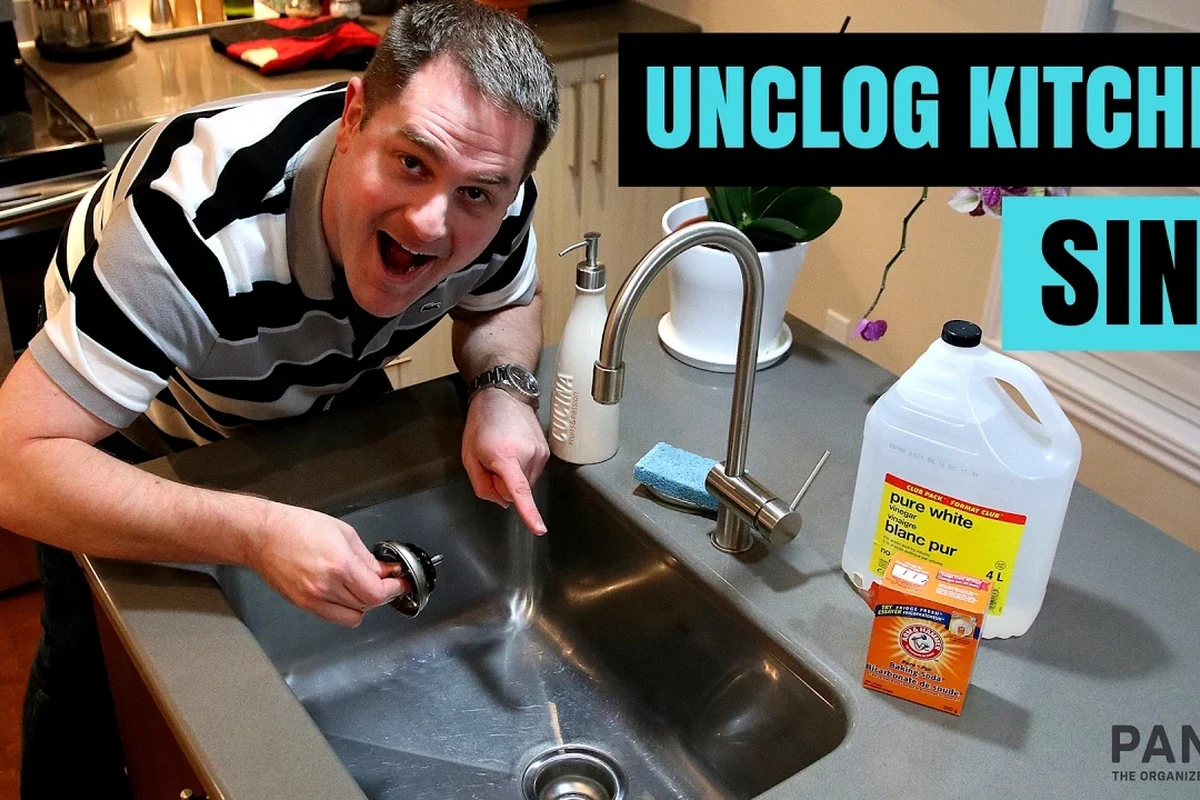
This method stays popular because it is simple, inexpensive, and easy to try before moving to stronger tools. For light sink problems, it can help break up grime and fresh residue without much mess.
It is also appealing because many people already have both ingredients in the kitchen. That makes it a practical first step for a slow drain, especially when the issue seems minor rather than fully blocked.
What this method can realistically solve in kitchen and bathroom drains
Baking soda and vinegar can help with light grease, soap scum, and odor-causing residue in a drain. It may also loosen buildup around the top of the pipe where water first slows down.
In a kitchen sink, it is most useful after cooking oil, sauce, or food residue has started to coat the drain walls. In a bathroom sink, it can help with toothpaste film and soap scum, but it is not a cure for thick hair clogs.
Why homeowners still search for this fast, low-cost drain trick
People like this method because it feels quick, familiar, and low risk compared with pouring in a chemical drain opener. It also fits the kind of small maintenance job many homeowners want to handle themselves first.
There is another reason it remains popular: it is often used as a deodorizing step even when it does not fully remove the clog. A drain can smell better after the reaction, which makes the sink feel more usable while you decide whether to use a plunger or snake next.
If the sink is only slow, not fully stopped, clean-out methods work better than panic dumping. Start with the mildest fix first so you do not waste time or push debris deeper into the pipe.
How the Baking Soda and Vinegar Reaction Works Inside a Drain
The reaction creates fizzing carbon dioxide bubbles when the acidic vinegar meets the alkaline baking soda. That bubbling can help disturb loose grime and move small particles along the drain opening.
For a deeper explanation of the chemistry, see our reaction guide. The key point for drain use is that the fizz helps with agitation, but it is not the same as a mechanical scrub or a strong solvent.
What each ingredient does and why the fizz matters
Baking soda is a mild base, and vinegar is a mild acid. When they combine, the bubbling reaction can help lift soft residue from the pipe surface.
The fizz matters because it creates movement inside a narrow drain where your hands cannot reach. That movement can loosen fresh buildup, especially around the rim of the drain and the first bend in the pipe.
Why this method works better on light buildup than hard blockages
Light buildup is easier to disturb because it has not yet packed tightly into a solid mass. Grease film, soap residue, and small bits of debris respond better to fizz and hot water than a dense clog does.
Hard blockages usually need pressure, scraping, or removal. If the clog is compacted hair, a foreign object, or a greasy plug that has hardened over time, the reaction may only touch the surface.
When the reaction is mostly useful for loosening grime, not clearing a full clog
Think of this method as a cleaning helper, not a guaranteed unblocker. It is often best when the drain still moves water, just more slowly than normal.
If water is standing in the sink and not dropping at all, the reaction may have little room to work. In that case, you usually need to clear the blockage first with a plunger, snake, or trap cleaning.
The fizz from baking soda and vinegar is short-lived. Once the bubbles fade, the main benefit is the loosened residue and the flushing action that follows.
Exact Measurements and Step-by-Step Method for a Faster Result
For a standard sink drain, the goal is enough baking soda and vinegar to reach the pipe opening without creating a messy overflow. The process works best when you give the ingredients direct contact with the drain, then flush with hot water afterward.
Recommended amounts for a standard sink drain
A common starting point is about 1/2 cup of baking soda followed by 1 cup of vinegar. That is usually enough for a typical household sink drain without overfilling it.
If the drain is larger or the buildup seems heavier, some people use slightly more, but more is not always better. Too much of either ingredient can reduce contact with the drain walls and create extra foaming in the sink basin instead of the pipe.
The best order to add ingredients for maximum drain contact
First, remove any standing water from the sink if possible. Then pour the baking soda directly into the drain opening so it settles where the clog or residue is located.
Next, slowly add the vinegar. Pouring it in gradually helps the fizz stay concentrated at the drain instead of racing up the basin.
Scoop out standing water and remove any visible debris around the drain. This gives the mixture a better chance to reach the pipe instead of floating in the basin.
Pour about 1/2 cup directly into the drain. If needed, use a dry spoon or funnel so the powder goes where you want it.
Pour about 1 cup of white vinegar over the baking soda. Expect fizzing right away, and try not to rinse it too soon.
Wait about 10 to 15 minutes so the bubbling can work on grime and odors. For a slightly slower drain, some people let it sit a bit longer before flushing.
Finish with hot tap water, or very warm water if your plumbing or sink material calls for it. The flush helps carry loosened residue through the line.
How long to let it sit before flushing with hot water
Ten to fifteen minutes is a practical starting point for most sinks. That gives the reaction enough time to work without letting the mixture dry out or lose momentum.
After the wait, flush with hot water for a minute or two, depending on the sink and the drain response. If the water starts moving better, repeat once more only if the clog is still minor.
Practical examples for slow drains, grease buildup, and soap scum
For a slow kitchen sink with light grease, this method may help soften the oily film so water can move more freely. It is often most effective if you avoid dumping more cooking grease down the drain afterward.
For soap scum in a bathroom sink, the reaction may help break up residue near the drain opening. For fresh food debris, it can help loosen small particles, but it will not remove a solid piece of food stuck deeper in the pipe.
Water temperature matters. Hot water helps flush softened residue, but boiling water is not ideal for every sink or pipe material, especially if you are not sure how your plumbing is built.
When Baking Soda and Vinegar Works Best—and When It Usually Fails
This method is best when the drain is partially open and the clog is still soft. It is much less reliable when the blockage is dense, far down the line, or made of something that does not dissolve.
Best use cases: minor clogs, odors, and fresh buildup
Use it for a sink that drains slowly after normal daily use. It can also help when the drain smells stale because grime has collected inside the pipe.
Fresh buildup is easier to shift than old buildup. If you catch the problem early, the fizz and flush may be enough to restore normal flow.
Common clog types it cannot fully remove, such as hair mats or solid objects
Hair mats are one of the biggest limits of this method. Hair tangles together and clings to pipe walls, so fizz alone usually cannot pull it apart.
It also will not remove solid objects like bottle caps, food packaging, or jewelry. Those need to be physically retrieved, not chemically treated.
Signs the problem is deeper in the plumbing line
If multiple fixtures drain slowly, the issue may be farther down the line than a simple sink trap. Gurgling sounds, repeated backups, or water rising in another drain are also clues that the problem is not just at the sink opening.
At that point, a home remedy is less likely to solve it. The clog may be in the branch line or main line, which usually calls for more direct diagnosis.
If you suspect a sewer backup, repeated drain failure, or a strong foul odor from multiple fixtures, stop using the sink and get the plumbing checked. That is beyond a simple baking soda and vinegar fix.
Common Mistakes That Make the Method Less Effective
Many people try the method correctly in theory but lose the benefit with a few easy-to-miss errors. Small changes in order, amount, and follow-up can make a big difference.
Using too much vinegar or baking soda at once
Extra product does not automatically mean better cleaning. If the sink basin fills with foam too quickly, the reaction may spend itself above the drain instead of inside it.
Stick to a measured amount first. If the drain is still slow after one round, a second round or a different tool is usually smarter than doubling the ingredients right away.
Skipping the hot water flush or using the wrong water temperature
The flush is part of the method, not an optional extra. Without it, loosened residue may settle back into the pipe and create the same problem again.
Water that is too cool may not move grease effectively. Water that is too hot may be unsuitable for some sink materials or older plumbing, so use common sense and check manufacturer guidance when needed.
Pouring the mixture into a fully blocked sink without clearing standing water first
If the sink is already full, the ingredients may dilute before they reach the drain. That reduces the contact time and makes the reaction less useful.
Whenever possible, remove the standing water first. If you cannot, the next step should usually be a plunger or snake rather than repeating the same pour.
Expecting the reaction to replace mechanical clearing tools
This is the biggest mistake of all. Baking soda and vinegar can help, but it does not have the scraping power of a drain snake or the pressure of a plunger.
Think of it as a first-pass maintenance method. If it does not improve flow quickly, do not keep forcing the same approach.
- Measure the ingredients
- Pour baking soda into the drain first
- Flush with hot water after waiting
- Using random amounts
- Leaving a fully blocked sink untouched
- Repeating the method over and over on a hard clog
Safety, Sink Material, and Plumbing Considerations Before You Try It
This method is milder than chemical drain cleaners, but it still deserves care. The main concerns are splashback, water temperature, and whether your plumbing can handle repeated DIY attempts.
What to know for stainless steel, porcelain, and composite sinks
Stainless steel usually handles basic baking soda and vinegar use well. Porcelain and composite sinks can also be fine, but you should avoid rough scrubbing or very hot water if the manufacturer warns against it.
If your sink has a special finish, check care instructions before using hot water or abrasive tools. The drain method is usually safe for the basin itself, but the surrounding material may have its own limits.
Why this method is different from using harsh chemical drain cleaners
Baking soda and vinegar are much milder than many commercial drain openers. That means less chance of harsh fumes or immediate pipe damage, though it also means less power on tough clogs.
Harsh cleaners can create safety issues if mixed with other products or if they sit in a partially clogged pipe. For that reason, it is wise to follow label directions carefully and avoid combining cleaners unless the label specifically allows it.
Never mix drain cleaners with bleach, ammonia, or other household chemicals. If you have already used a chemical cleaner, do not add vinegar or any other product until the line is thoroughly flushed and the label says it is safe.
When to avoid repeated DIY treatments because of pipe condition or septic concerns
If your home has older pipes, repeated treatments are not the best way to handle a stubborn clog. The issue may be corrosion, a loose joint, or a deeper blockage that needs inspection.
If you have a septic system, follow the guidance for your system and avoid overdoing any drain treatment. A mild home remedy is usually less concerning than a harsh cleaner, but repeated use still should not replace proper maintenance.
Better Backup Methods if the Sink Is Still Clogged After the DIY Treatment
If baking soda and vinegar does not improve the drain, move to a stronger but still practical next step. The right backup method depends on whether the clog is soft, tangled, or trapped in the pipe.
How a plunger, drain snake, or trap cleaning compares to the baking soda method
A plunger uses pressure to move the blockage. That makes it better for soft clogs that are close to the drain opening.
A drain snake reaches deeper and can pull out hair, food debris, or compacted residue. Cleaning the trap under the sink is often the most direct fix when the clog is located there.
- Low cost and easy to try
- Useful for odor and light buildup
- Milder than harsh chemical cleaners
- Weak on hair mats and solid blockages
- May not work on deep clogs
- Needs follow-up flushing and sometimes another tool
When grease, food debris, or hair requires a more direct fix
Grease that has cooled and hardened often needs pressure, hot water, or mechanical removal. Food debris may need to be pulled out of the trap before the sink can drain normally again.
Hair usually needs a snake or trap cleaning because it binds into a net-like clog. If you can feel resistance near the drain, that is a sign a tool may work better than another pour.
Situations where a plumber is the safest next step
Call a plumber if the clog keeps returning, if multiple drains are affected, or if you suspect pipe damage. A professional can inspect the line and clear it without guessing.
This is also the safer choice if you have already used chemicals, the sink is backing up badly, or you are not comfortable opening the trap. Sometimes the best DIY decision is knowing when to stop.
Final Verdict: Is Baking Soda and Vinegar Worth Trying for a Clogged Sink?
Yes, it is worth trying for a slow sink, fresh buildup, or a drain that smells bad but still moves water. It is a reasonable first step because it is cheap, simple, and gentler than many chemical options.
It is not the best answer for a full clog, a hair blockage, or a deep plumbing problem. If the drain stays blocked after one careful round, switch to a plunger, snake, trap cleaning, or a plumber instead of repeating the same method endlessly.
Best decision guide based on clog severity and sink type
For light kitchen grease or soap scum, try the baking soda and vinegar method first. For bathroom hair clogs or a sink that will not drain at all, go straight to a mechanical fix.
If you are unsure, start with the mildest approach and watch the result closely. A small improvement means the method is helping; no change means the clog likely needs a different tool.
Simple recap of what to do first, what to avoid, and when to escalate
Start by removing standing water, adding baking soda, then vinegar, waiting, and flushing with hot water. Avoid using huge amounts, skipping the flush, or relying on this method for a hard blockage.
If the sink is still clogged after that, escalate quickly. That saves time, reduces frustration, and helps protect your plumbing from repeated strain.
Baking soda and vinegar is a smart first try for a slow, lightly clogged sink, but it is not a universal fix. Use it for minor buildup and odors, then move to a plunger, snake, or plumber if the drain does not improve.
Frequently Asked Questions
A common starting point is 1/2 cup of baking soda followed by 1 cup of vinegar. That is usually enough for a standard sink drain without creating too much overflow.
Let the mixture sit for about 10 to 15 minutes before flushing. That gives the fizz time to loosen light buildup and drain odors.
Usually not by itself. Hair mats tend to need a drain snake, plunger, or trap cleaning because the fizz cannot pull the clog apart.
Hot water is usually enough for the final flush, but boiling water is not ideal for every sink or pipe material. Check your plumbing and sink care instructions if you are unsure.
It is generally milder than many chemical cleaners, but you still need to use it carefully. Do not mix it with any leftover drain chemicals, bleach, or ammonia.
Try a plunger, drain snake, or trap cleaning next. If multiple drains are slow or the clog keeps returning, call a plumber.