
Baking Soda for Cockroaches Does It Really Work

Baking soda is not a reliable way to kill cockroaches, especially in an active infestation. It may be worth a cautious trial in a very minor case, but sanitation and labeled roach treatments work better.
Baking soda for cockroaches is one of those home remedies that gets a lot of attention because it sounds simple, cheap, and kitchen-safe. The short answer is that it may help in limited situations, but it is not a dependable way to control an active roach problem.
- Effectiveness: Baking soda may help only in limited, small-scale situations.
- Main limit: Roaches can avoid open powder, so results are inconsistent.
- Better approach: Use cleaning, moisture control, and roach-specific baiting first.
- Escalation sign: Daytime sightings, egg cases, and droppings suggest a bigger problem.
- Safety: Keep any DIY mix away from food, pets, and children.
Baking Soda for Cockroaches: What the “Do It Yourself” Claim Actually Means
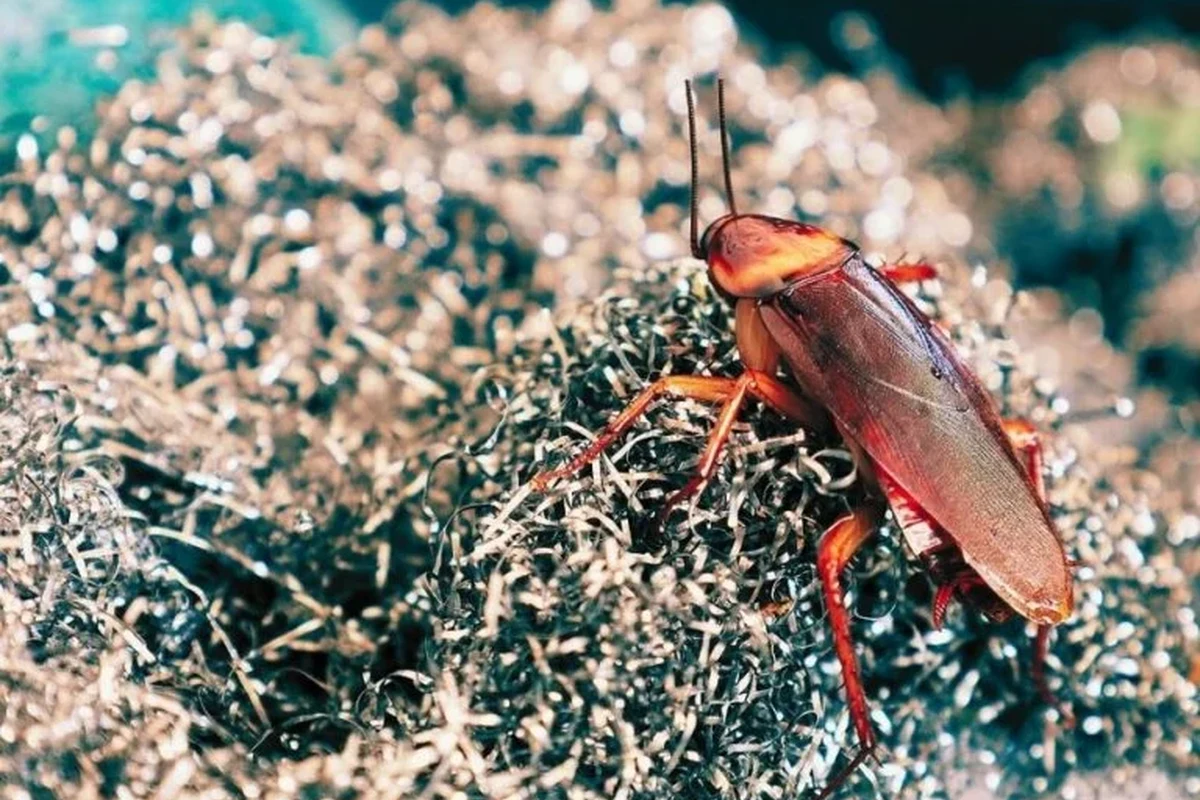
People usually hear about this method from a friend, a social post, or a quick search when they spot a roach in the kitchen. The appeal is obvious: baking soda is already in the pantry, and using it feels less harsh than reaching for a labeled pest product.
For a baking and pastry audience, this is a familiar kind of kitchen shortcut story. A common ingredient gets repurposed for a task it was not originally designed to do, and the result is often more limited than the claim suggests.
How this home remedy became a popular pest-control shortcut
Baking soda is widely known for absorbing odors, reacting with acids, and showing up in all kinds of household fixes. That reputation makes it easy to believe it could also work as a pest killer.
In reality, a lot of DIY pest advice spreads because it is easy to try, not because it is consistently effective. When people want a fast answer before guests arrive or before food is stored in a pantry, baking soda can seem like a low-risk first step.
What searchers usually want to know before trying it in a kitchen or pantry
Most people are asking a few practical questions: Will it kill roaches? How do I use it? Is it safe around food, pets, or children? And how soon should I expect results?
Those are the right questions to ask. In a kitchen, the real issue is not just whether a remedy sounds natural, but whether it reduces roach activity without creating more cleanup, contamination risk, or wasted time.
Baking soda may be part of a low-risk experiment, but it should not replace sanitation, moisture control, and proper baiting when roaches are active.
Does Baking Soda Really Kill Cockroaches?
The honest answer is: sometimes, in theory, but not reliably enough to depend on. A few roaches may be affected if they ingest it in the right way and in the right amount, but that is very different from controlling an infestation.
The proposed mechanism: digestion, gas, and why the idea sounds plausible
The common explanation is that baking soda reacts inside the roach’s body and creates gas, which could cause internal stress or death. That idea sounds plausible because baking soda does react with acids in other kitchen settings, like in batters or cleaning mixes.
The problem is that cockroaches are not a baking experiment. For the reaction to matter, the insect would need to consume enough of the product under the right conditions, and that does not happen consistently in real homes.
Many pantry ingredients work well in baking because their behavior is predictable in a controlled mix. Pest control is less predictable because insects choose where to feed, hide, and avoid danger.
What real-world results tend to look like in homes with light vs. heavy infestations
In a very light situation, such as an occasional roach passing through, a baking soda setup may seem to help simply because the overall problem is small. But that is not the same as proving the method is doing the heavy lifting.
In a heavier infestation, the results usually disappoint. Roaches hide in cracks, behind appliances, under sinks, and inside wall voids, so a loose pile of baking soda in the open rarely reaches enough of the population to matter.
Why baking soda alone is usually not a reliable cockroach control method
Roaches are opportunistic, but they are also cautious. They tend to feed in protected spots and stay close to moisture, which means an open powder is easy to avoid.
Even if a few insects ingest it, you still have the larger problem of eggs, hiding adults, and the conditions that attracted them in the first place. That is why baking soda alone usually does not solve the root issue.
- Cheap and easy to find
- Low odor and familiar in kitchens
- May be worth a cautious trial in a very small problem
- Unreliable against active infestations
- Easy for roaches to avoid
- Does not address nesting, moisture, or entry points
How People Use Baking Soda Against Roaches, and Where the Method Breaks Down
There are a few common DIY versions of this idea. Some people place baking soda on its own, while others mix it with sugar or another attractant and hope the roaches eat enough of it to cause harm.
Common at-home setups: baking soda alone, baking soda plus sugar, and bait-style mixes
Baking soda alone is the simplest version, but it is also the easiest for roaches to ignore. A baking soda plus sugar mix is more common because sugar may attract feeding activity, which gives the powder a better chance of being consumed.
Some people try to make a bait-style mix by combining baking soda with a sweet ingredient and placing it near a suspected travel path. That can increase interest, but it still does not make the method as dependable as a properly labeled bait.
Placement mistakes that reduce effectiveness, such as exposed piles and poor bait location
One of the biggest mistakes is placing a visible mound in the middle of the room. Roaches are more likely to move along edges, under appliances, and behind cabinets than across open floor space.
Another problem is using too much product in the wrong place. If the mix is dusty, scattered, or easy to spill, it may get cleaned up before it ever reaches a roach.
Safety and cleanup concerns in kitchens, food prep areas, and homes with pets or children
Even though baking soda is a common food ingredient, a pest-control setup is different from a baking ingredient sitting in a measured bowl. Loose powder near food prep surfaces can be messy, and any bait mix should be kept away from ingredients, utensils, and counters used for cooking.
Homes with pets or children need extra caution. Small containers, tamper-resistant bait stations, and careful placement matter more than the ingredient itself.
Do not place any pest-control mixture where it can be mistaken for food, spilled into dry ingredients, or tracked onto prep surfaces. Clean the area thoroughly before cooking or baking.
What Works Better Than Baking Soda for Cockroach Control
If you want a more dependable result, look for methods that are designed for cockroaches rather than borrowed from the pantry. The best choice depends on how many roaches you are seeing and where they are hiding.
Gel baits, boric acid, traps, and sanitation as more dependable options
Gel baits are often more effective because they are formulated to attract roaches and are placed where they travel. Sticky traps can help monitor activity and identify hotspots, while sanitation removes the crumbs, grease, and residue that support them.
Boric acid is another commonly used option, but it must be handled carefully and used according to the label. It is not a casual substitute for baking soda, and it should be kept away from food, pets, and children.
When insect growth regulators and professional treatment make more sense
Insect growth regulators, often called IGRs, can help interrupt the life cycle so immature roaches do not become breeding adults. They are especially useful when the problem has been around long enough for multiple generations to develop.
Professional treatment makes more sense when the infestation is spreading, when you cannot find the source, or when the roaches keep coming back after cleanup and baiting. In multi-unit buildings, the source may also be coming from neighboring spaces.
Best for targeted control in cracks, crevices, and hidden travel paths. Usually more reliable than open powders.
Best for reducing food, water, and entry points. Supports every other treatment and helps prevent return activity.
How to choose a method based on infestation size, room type, and urgency
For a single sighting in a clean kitchen, a short DIY trial may be reasonable if you also clean thoroughly and monitor the area. For repeated sightings, bait and monitoring are more practical than hoping a powder will solve it.
In bathrooms, under-sink spaces, and appliance gaps, the issue is often moisture and concealment. In those areas, a control plan has to address the environment, not just the insect.
Practical Signs Your Cockroach Problem Is Bigger Than a DIY Fix
Some situations are still manageable with careful home treatment. Others are already beyond what baking soda, or any simple home remedy, can reasonably handle.
Daytime sightings, egg cases, droppings, and odor as escalation signals
Seeing roaches in daylight can be a sign that the population is larger than the hiding spaces can hold. Egg cases, pepper-like droppings, and a persistent musty odor are also warning signs that activity is ongoing.
If you are finding these signs in more than one area of the home, the problem is likely more established than a one-off kitchen visitor.
Kitchen, bathroom, and appliance hiding spots that suggest active nesting
Roaches often cluster near sinks, dishwashers, refrigerators, stove gaps, and cabinet corners because those places offer food residue, warmth, and moisture. Bathrooms and laundry areas can also support them if there is humidity or a small leak.
When you see activity in hidden zones rather than just on a countertop, that usually means the insects are nesting nearby or traveling through wall and cabinet voids.
You keep seeing roaches after placing baking soda in the open.
Move from a pantry remedy to targeted baiting, trap monitoring, cleaning, and sealing gaps. Open powder rarely reaches where roaches actually feed and hide.
Examples of when a baking soda trial is reasonable and when it wastes time
A trial is most reasonable when you have seen only one or two roaches, you can identify a likely entry point, and the rest of the kitchen is clean and dry. In that case, the baking soda idea is more of a low-risk experiment than a serious control plan.
It wastes time when roaches are appearing regularly, when you are finding droppings or egg cases, or when the kitchen has recurring moisture problems. At that stage, the delay can make the infestation harder to bring under control.
Common Mistakes People Make When Trying Baking Soda for Cockroaches
Most failures come from expecting a pantry ingredient to behave like a professional pest product. The method is usually undermined by poor placement, poor sanitation, and unrealistic expectations.
Using too much product and expecting immediate results
More powder does not equal better control. A thick pile can be obvious, easy to disturb, and no more effective than a small, carefully placed amount.
It is also unrealistic to expect a fast visible drop in activity. Roach control usually takes time, and even good methods need monitoring and follow-up.
Skipping food-source removal, moisture control, and sealing entry points
If crumbs, grease, standing water, or open pet food are still available, roaches have no reason to rely on your bait. Likewise, if cracks and gaps remain open, new insects can keep entering.
Think of baking soda as a tiny piece of the response, not the whole plan. In kitchen work, the setup matters as much as the ingredient.
Do not rely on any control method while the kitchen still has food residue, leaks, or unsealed gaps. Those conditions can keep feeding the infestation even if one treatment seems to work briefly.
Assuming a natural remedy is automatically safer or more effective than labeled pest products
“Natural” does not automatically mean better, and it does not automatically mean safer in every situation. A labeled pest product used according to instructions may be more effective and more predictable than an improvised kitchen mix.
Always follow product labels, especially in homes with children, pets, or food-prep surfaces. If you are unsure, choose the method with clear directions and a known use case.
How to Build a Safer, More Effective Cockroach Control Plan in 2026
The best plan is usually simple, layered, and realistic. Start by making the kitchen less attractive, then add a targeted treatment, then monitor whether the problem is shrinking.
Cleaning, moisture reduction, and storage changes that support any treatment
Wipe crumbs and grease from counters, stovetops, and cabinet edges. Empty trash regularly, store dry goods in sealed containers, and fix leaks or damp areas under sinks and around appliances.
These steps matter because cockroaches need food, water, and shelter. Remove those, and every treatment becomes more effective.
Where baking soda can still fit as a low-risk experiment or cleanup aid
Baking soda still has a place as a household staple, just not as a primary roach solution. You might use it as part of a cautious bait experiment in a very minor case, or as a cleanup aid for odors after the infestation is addressed.
If you do try it, keep the setup small, contained, and out of food-prep zones. Monitor whether it changes anything, rather than assuming it will.
- Remove crumbs, grease, and standing water
- Check under sinks, behind appliances, and inside cabinets
- Use traps to confirm where activity is highest
- Keep any DIY mix away from food and pets
- Have a backup plan if sightings continue
When to stop testing home remedies and call a licensed pest professional
If you are still seeing roaches after cleanup, baiting, and monitoring, it is time to escalate. That is especially true if the insects appear in multiple rooms, during the day, or near electrical and appliance voids.
A licensed professional can identify species, nesting points, and the most suitable treatment approach. In a larger infestation, that is often the fastest way to stop the cycle.
Final Verdict: Is Baking Soda for Cockroaches Worth Trying?
Baking soda for cockroaches is worth trying only as a low-risk, limited experiment in a very small problem. It is not a dependable stand-alone solution for a real infestation.
Best-case use scenario for cautious homeowners
The best-case scenario is an occasional roach sighting, a clean kitchen, and a contained test placed near a likely travel path. Even then, the method should be treated as a backup idea, not the main strategy.
Bottom-line recommendation from the Baking Pastry Schools Editorial Team
The Baking Pastry Schools Editorial Team recommends focusing first on sanitation, moisture control, and labeled cockroach treatments. Use baking soda only if you want a cautious, low-cost trial and understand its limits.
Recap of the most practical next step for readers dealing with roaches now
If you have one roach, clean the area, inspect for entry points, and monitor with traps. If you have repeated sightings, skip the guesswork and move to a targeted bait-and-seal plan or professional help.
Baking soda may help in a very minor situation, but it is not a reliable cockroach control method. For most homes, the smarter next step is cleanup, moisture reduction, and a labeled treatment designed for roaches.
Frequently Asked Questions
Usually no. Baking soda is not a fast or reliable cockroach killer, especially in an active infestation.
You can, but it is still not a dependable solution. If you try it, keep it away from food-prep areas and monitor whether it changes roach activity.
It can be safe if kept contained and away from food, utensils, and prep surfaces. Any loose mixture should be cleaned up promptly.
Gel baits, traps, sanitation, moisture control, and sealing entry points are usually more effective. Larger infestations may need professional treatment.
Daytime sightings, egg cases, droppings, odor, and activity in multiple rooms can signal a bigger problem. Those signs usually mean it is time to move beyond DIY remedies.
Call one if sightings continue after cleanup and baiting, or if you suspect nesting behind appliances, in walls, or in several rooms. Professional treatment is often the better choice for established infestations.