
Baking Soda for Scratches Easy Fixes That Really Work

Baking soda can help reduce the look of light scratches, scuffs, and haze on some hard surfaces, but it will not fix deep damage. Use a gentle paste, test a hidden spot first, and stop if the finish starts to dull.
If you are trying to reduce light scratches or scuffs at home, baking soda can help in a few specific cases. It is not a true repair for deep damage, but it can soften the look of minor surface marks on some kitchen and household items.
- Best use: Light scuffs, haze, and residue on sturdy surfaces may improve.
- Safety first: Test a hidden spot and use very light pressure.
- Not for: Deep gouges, cracks, chips, touchscreens, and many coated finishes.
- Better results: Keep the paste damp, the cloth soft, and the rubbing small and controlled.
- Next step: If the finish dulls or the mark stays deep, switch to a material-specific product.
Baking Soda for Scratches: What It Can and Cannot Fix
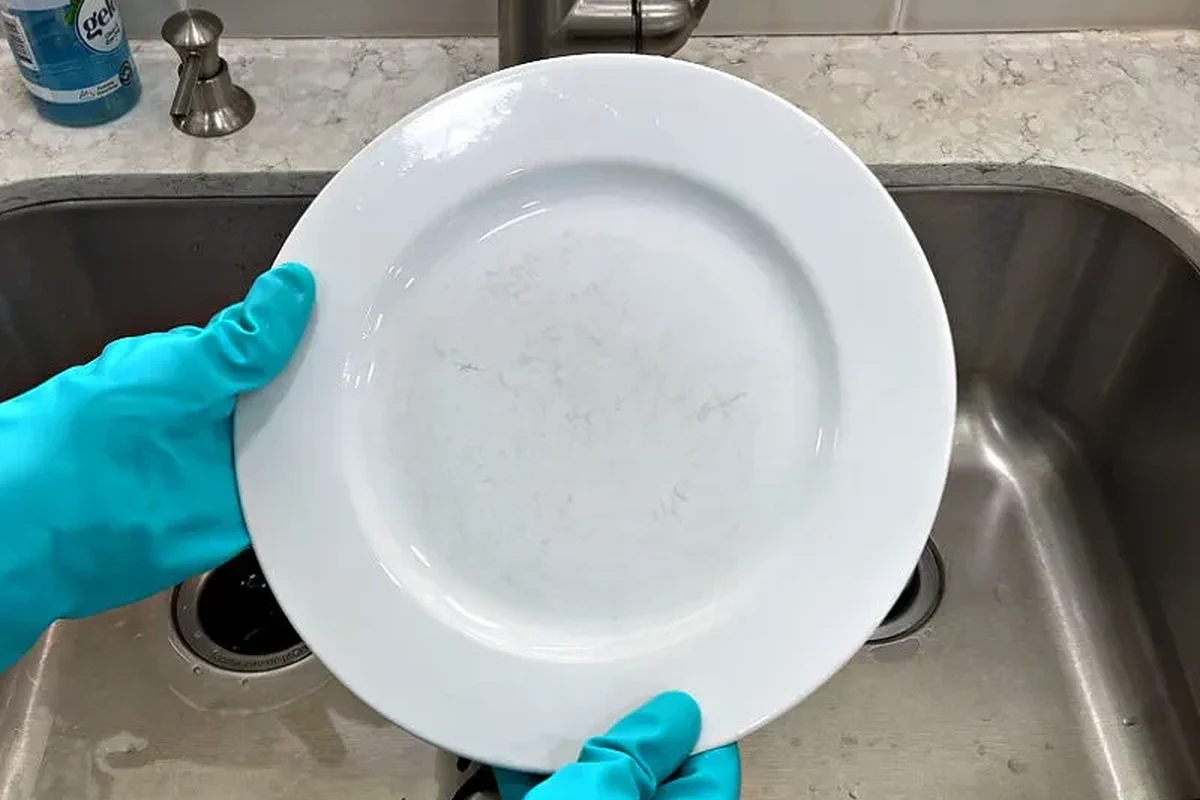
Baking soda works as a very mild abrasive. That means it can gently rub away a thin layer of residue, haze, or surface dullness without being as aggressive as many commercial abrasives. In the right situation, that can make a scratch look less obvious.
How baking soda works as a mild abrasive on different surfaces
The fine particles in baking soda can help smooth out tiny high spots around a mark. On a surface like stainless steel or glass, that can reduce the contrast between the scratched area and the surrounding finish. It is more about blending than fully erasing the damage.
This is similar in principle to how other gentle cleaning methods work: a little friction, used carefully, can lift buildup without biting too deeply into the material. The key is restraint. Too much rubbing can create a dull patch that looks worse than the original mark.
Types of scratches it may help with: light scuffs, haze, and surface marks
Baking soda is most useful for very light scuffs, cloudy haze, and marks caused by grime transfer rather than actual gouging. A finger drag on a stainless appliance front, a faint ring on ceramic, or a hazy film on glass may improve. If the mark catches your fingernail, it is usually beyond what baking soda can fix well.
Many “scratches” are actually residue, mineral film, or transfer marks. A gentle cleaner can improve the look even when the surface itself is not damaged.
When baking soda is the wrong choice for deeper damage or coatings
If the item has a deep gouge, chip, crack, or peeling coating, baking soda is not the right fix. It cannot rebuild missing material. It also should not be used as a shortcut on delicate coated finishes where the top layer can be worn away.
Do not use baking soda on damaged electronics, cracked glass, or any item where the scratch may have weakened the structure. For food-contact surfaces, follow the manufacturer’s care guidance and stop if the finish starts to change.
Best Surfaces to Try Baking Soda on in 2026 Homes and Kitchens
In most homes, baking soda is best reserved for hard, non-porous surfaces that can tolerate gentle rubbing. Think of it as a low-risk first try, not a universal fix. If the item is expensive, coated, or hard to replace, verify care instructions first.
Glass, stainless steel, ceramic, and certain plastic surfaces
Glass can sometimes respond well when the mark is light and the pressure is minimal. Stainless steel appliances and sinks are also common candidates, especially when the issue is a scuff or film rather than a true scratch. Ceramic and some sturdy plastics may improve too, but results vary by finish.
For kitchen cleanup, this is one reason baking soda stays popular. It is simple, familiar, and easy to control in small amounts. If you are already using it in the kitchen for other tasks, such as baking soda vinegar cleaning ovens, the same gentle approach matters: light pressure and careful rinsing.
Surfaces to avoid: polished stone, coated finishes, painted items, and touchscreens
Polished stone can lose its sheen if it is rubbed with an abrasive paste. Painted surfaces may show dull spots or color loss. Touchscreens, coated appliance panels, and specialty finishes are also risky because the top layer may be thinner than it looks.
Plastic is not one-size-fits-all. Hard appliance plastic may tolerate a light test, while soft or glossy plastic can haze quickly if you scrub too hard.
Checking manufacturer care guidance before you start
Before trying baking soda, check the care sheet, label, or manufacturer website. Some finishes are explicitly marked as non-abrasive or do-not-scrub. That guidance matters more than any general cleaning tip because coatings and materials vary widely.
If the item is under warranty, using the wrong cleaner can become a problem later. When in doubt, start with the least aggressive method and move up only if the maker allows it.
How to Make a Safe Baking Soda Scratch Paste
A safe paste should be thick enough to stay on the cloth, but not so dry that it turns gritty and harsh. You want a spreadable texture, similar to soft toothpaste. If it feels like damp sand, add a little water.
Recommended ratio: baking soda to water for a workable paste
A common starting point is about 3 parts baking soda to 1 part water, then adjust as needed. Some surfaces do better with a slightly looser paste, while others need a thicker one to keep the mixture from running. The exact amount depends on the item and the size of the area.
Choosing the right cloth, sponge, or microfiber applicator
A soft microfiber cloth is usually the safest choice because it spreads the paste evenly and reduces the chance of harsh rubbing. A non-scratch sponge can also work on sturdy surfaces. Avoid steel wool, rough scrub pads, or anything that is already abrasive on its own.
Why pressure matters more than quantity for scratch removal
More paste does not mean better results. Light, controlled pressure is what matters most. If you press too hard, you can create swirl marks or dull a shiny finish, especially on stainless steel and glossy surfaces.
Use clean hands and clean tools. If the surface has dirt or grit on it, rubbing can grind that debris into the finish and make the mark look deeper.
Step-by-Step Method for Using Baking Soda on Minor Scratches
The safest method is slow and small-scale. Test a hidden corner first, then work in short passes. This is especially important on shiny finishes where changes show up quickly in bright light.
Cleaning the area first to avoid grinding in dirt
Wash or wipe the surface first with a damp cloth and a mild cleaner if the manufacturer allows it. Dry away loose dust, crumbs, or grease. If you skip this step, the paste can trap particles and act more like sandpaper than a cleaner.
Applying the paste in small circular motions
Dab a small amount of paste onto the cloth, then rub gently in tiny circles. Keep the motion even and light. Work on one small section at a time so you can stop as soon as the mark starts to improve.
If you need a broader cleaning method for comparison, it can help to understand how other baking soda uses work, such as baking soda in laundry benefits. In both cases, the ingredient is useful because it is mild, not because it is powerful enough to force a result.
Rinsing, drying, and inspecting the result under good light
After a brief pass, wipe away the paste with a clean damp cloth. Then dry the area fully so you can judge the finish accurately. Look at the surface from different angles and under bright light, because scratches often disappear or stand out depending on reflection.
Repeating safely without over-polishing the surface
If the mark improves, you can repeat once or twice with the same gentle method. Stop if the area starts to look cloudy, patchy, or uneven. At that point, more rubbing is usually making the finish thinner rather than better.
- Confirm the surface is hard and non-porous.
- Test a hidden spot first.
- Use a soft cloth, not an abrasive pad.
- Keep the paste damp, not gritty.
- Stop if the finish changes color or sheen.
Common Mistakes That Make Scratches Look Worse
Most problems come from being too aggressive. Baking soda is gentle only when the technique is gentle too. If you use it like a heavy-duty scrub, you can create a larger cosmetic problem than the original mark.
Using too much force or an overly dry paste
A dry paste increases friction and can leave tiny scuff patterns. Heavy pressure can also make a glossy surface look uneven. If the paste is dragging instead of gliding, add a little water and lighten your touch.
Testing on a visible area before checking for discoloration
Always test in a hidden spot first. Some finishes react by dulling, whitening, or showing a slight color shift. That risk is higher on coated items, colored plastics, and polished surfaces.
Mixing baking soda with harsh cleaners or abrasive pads
Do not combine baking soda with strong chemicals unless a product label specifically says it is safe. Mixing cleaners can create fumes, weaken finishes, or leave residues that are harder to remove. If you are trying to understand ingredient reactions in general, it helps to review the baking soda and vinegar reaction explained simply so you know when fizzing is just a reaction, not a better clean.
Expecting baking soda to repair chips, cracks, or deep gouges
Scratches and chips are not the same thing. Baking soda can sometimes lessen the appearance of a light scratch, but it cannot fill missing material or structurally repair damage. If you can feel a groove clearly with your fingernail, you likely need a different product or professional help.
Never use baking soda as a substitute for proper repair on cracked cookware, broken glass, or damaged electrical items. Cosmetic improvement is not the same as safety.
Practical Examples: Where Baking Soda Helps and Where It Fails
Real-world results depend on the material, the finish, and how deep the mark is. A method that works on one sink front may do almost nothing on a coated pan or phone screen. That is normal, not a sign that you used it wrong.
Removing light marks from a stainless steel sink or appliance front
Stainless steel is one of the most reasonable places to try baking soda for a light mark. The paste can help lift film and soften the look of faint scuffs, especially if the grain of the metal is respected. Wipe in the direction of the grain when possible so the finish stays consistent.
Softening haze on a glass dish or ceramic surface
On a glass baking dish or glazed ceramic, a faint haze may respond if it is really buildup or fine surface wear. Use a tiny amount of paste and rinse well so no residue remains. If the haze is from etching or deep wear, the result may be limited.
For cookware and bakeware, always let the item cool before cleaning. Sudden temperature changes can stress glass and ceramic.
Why it usually will not restore scratched nonstick cookware or phone screens
Nonstick cookware has a coating that can be worn through, and baking soda will not rebuild it. In fact, repeated rubbing may damage the coating further. Phone screens are even more sensitive because many have layered coatings that can be altered by gentle-looking abrasives.
If you are dealing with a coated surface, manufacturer-approved care matters more than a general home remedy. For more on ingredient limitations in everyday use, see can you use baking soda instead of baking powder safely and notice how the right tool depends on the job.
Safer Alternatives and When to Upgrade Your Repair Method
When baking soda does not give a clean result, the next step is usually a more targeted product, not more scrubbing. Choose the least aggressive option that matches the material and the damage.
Polishing compounds, metal polishes, and specialty scratch removers
For some metals and hard surfaces, a polishing compound or specialty scratch remover may be more effective than baking soda. These products are designed for a specific finish, so they can produce better results with less guesswork. Still, they should be used according to the label, because more product or more pressure is not always better.
Using manufacturer-approved kits for coated or high-value surfaces
For appliances, cookware, and decorative finishes, manufacturer-approved kits are often the safest upgrade. They are usually matched to the coating, gloss level, or material. That makes them a better choice than a general household paste when the finish matters.
When professional refinishing is the better option
If the item is expensive, highly visible, or structurally damaged, professional refinishing may be worth considering. This is especially true for stone counters, specialty glass, or heirloom pieces. Once a finish is uneven, home rubbing can only do so much.
- Easy to find in most kitchens
- Gentle enough for many light scuffs
- Low-cost first test for minor marks
- Not effective on deep scratches
- Can dull delicate coatings
- May worsen marks if overused
Final Decision: Is Baking Soda the Right Scratch Fix for Your Item?
Baking soda is a reasonable first try for minor surface marks on sturdy materials, especially when the problem may be haze or residue rather than true damage. It is not a universal scratch remover, and it should never be treated like a repair kit for cracks, chips, or coated surfaces that are already compromised.
Best-use checklist for quick at-home tests
Use baking soda only if the surface is hard, non-porous, and allowed to be cleaned with a mild abrasive. Start with a hidden test spot, use a damp paste, and keep your pressure light. If the finish looks better after one careful pass, that is a good sign.
How to decide whether to stop, retry, or switch methods
Stop if the area turns dull, chalky, or uneven. Retry only once or twice if the result is improving but not finished. Switch methods if the mark stays visible, feels deep, or is on a coated or high-value item where caution matters more than speed.
Recap of the safest, most realistic expectations for baking soda scratch care
The safest expectation is simple: baking soda can soften the look of light scratches and surface marks, but it does not truly repair damage. Use it as a careful first step, not a final answer. When the item is delicate, expensive, or structurally important, the best choice is often to stop early and choose a more suitable repair method.
Can baking soda remove every scratch?
No. It may reduce the look of light scuffs, haze, and residue, but it cannot fix deep scratches, chips, or cracks.
Frequently Asked Questions
It can sometimes reduce the look of very light scuffs or residue on stainless steel. Use a damp paste, rub gently with the grain, and stop if the finish starts to dull.
It may help with haze or surface marks on some glass items, but it will not fix deep scratches or etching. Test a hidden area first and use very light pressure.
A common starting point is about 3 parts baking soda to 1 part water. Adjust slightly so the paste is spreadable and not gritty.
It is usually not a good choice for scratched nonstick cookware because the coating can wear further. Check the manufacturer’s care instructions and consider a coating-safe product instead.
No. Vinegar and baking soda react and can create foam, but that reaction does not improve scratch removal. For surfaces, a gentle paste is usually the safer option.
Stop if the surface turns cloudy, dull, or discolored, or if the scratch is still obvious after one or two gentle tries. Switch to a product made for that material or seek professional refinishing for high-value items.