
Baking Soda Apple Cider Vinegar Drink Benefits and Uses

The baking soda apple cider vinegar drink may offer temporary relief for some people, but the evidence for major wellness claims is limited. It should be used cautiously, because overuse can irritate the stomach and affect sodium intake.
The baking soda apple cider vinegar drink is one of those home remedies people search for when they want a simple, low-cost answer for digestion or general wellness. It is also easy to misunderstand, because the mix creates a visible reaction in the glass but does not automatically create a proven health fix in the body.
- Temporary effect: The drink may soothe acid-related discomfort for some people, but only briefly.
- Safety first: Too much can cause gas, nausea, enamel wear, and sodium concerns.
- Not a cure-all: It does not reliably fix bloating, weight loss, or detox claims.
- Dilution matters: A weaker mix is less harsh than a concentrated one.
- Check before use: People with health conditions should ask a clinician first.
What the Baking Soda Apple Cider Vinegar Drink Is and Why People Search for It
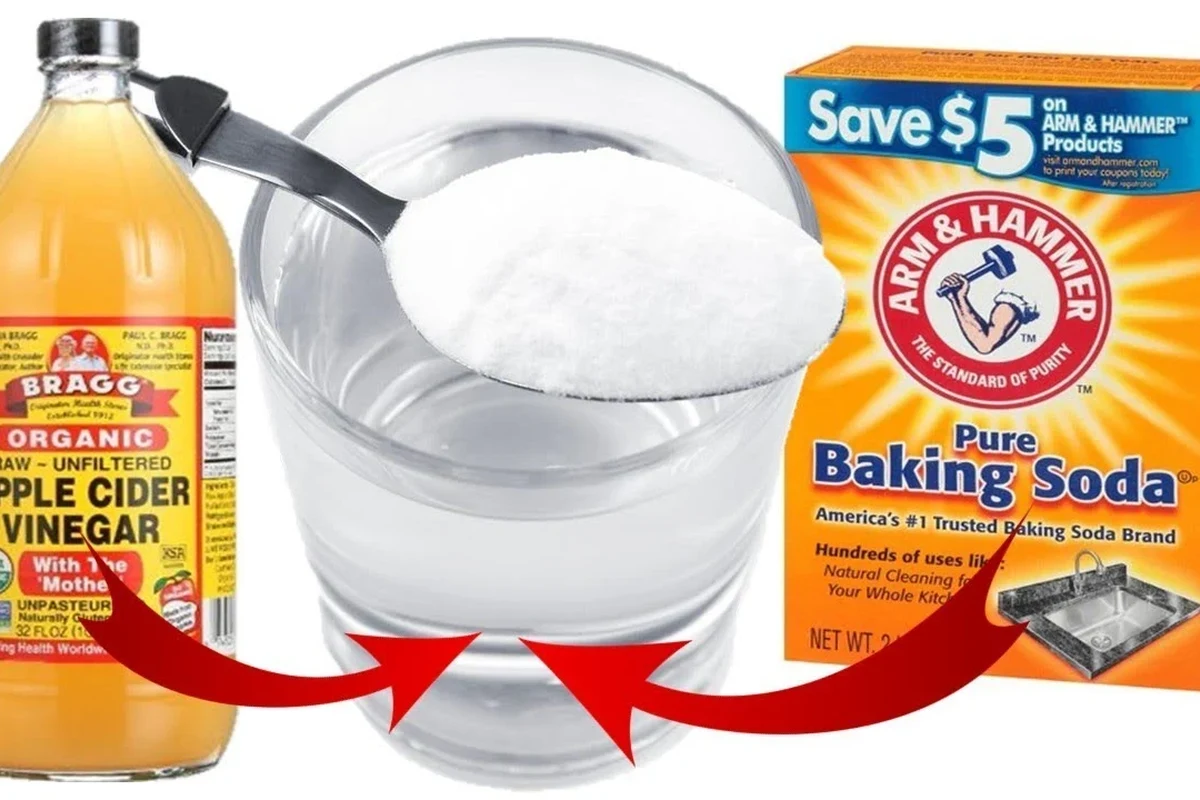
This drink is usually made by combining baking soda with apple cider vinegar in water, often with the hope that it will feel soothing or “balance” acidity. The reaction foams because the acid in vinegar and the base in baking soda neutralize each other and release carbon dioxide gas, which is the same basic chemistry behind the baking soda and vinegar reaction explained simply article on our site.
How the drink is typically mixed and why the combination became popular
In most versions, people add a small amount of baking soda to diluted apple cider vinegar and then drink it right away after the fizz settles. The combination became popular because it is inexpensive, easy to make, and strongly associated online with “natural” wellness routines.
That popularity also comes from the way the ingredients are framed. Apple cider vinegar has a long history in household and food use, while baking soda is familiar from baking, cleaning, and odor control, so the pair feels practical and trustworthy to many people.
Visible fizz does not mean the drink is stronger or healthier. It only shows that an acid-base reaction is happening before you drink it.
What searchers usually want to know in 2026: wellness claims, digestion, and household uses
In 2026, most people searching for this drink want to know whether it helps with bloating, indigestion, weight loss, or “detox.” Some also ask whether it can be used for household purposes, since the same ingredients show up in cleaning advice and kitchen cleanup content.
It helps to separate those use cases. A drink meant for the body is not the same thing as a cleaning mixture, and advice that works on a sink or drain should not be transferred to your stomach. If you are comparing general vinegar-and-baking-soda advice, our apple cider vinegar and baking soda benefits and uses guide may help you sort the basics.
Potential Benefits People Associate With the Drink
People often report that the drink feels helpful, especially when they use it occasionally and in a very diluted form. That said, a personal impression is not the same as strong evidence, and the difference matters when a remedy can also cause side effects.
Digestive comfort, bloating, and temporary relief claims
The most common claim is short-term relief from stomach discomfort, gas, or bloating. Baking soda can neutralize stomach acid, which may explain why some people feel temporary relief from acid-related symptoms.
But temporary relief is not the same as treating the cause. Bloating can come from diet, swallowing air, constipation, food intolerance, or more serious digestive problems, and a homemade drink will not address all of those.
When baking soda meets vinegar, carbon dioxide gas is released. That is why the mixture foams, but the fizz itself does not prove a health benefit.
Acidity, alkalinity, and why the science is often oversimplified
Online advice often says the drink “balances pH” in the body. That is oversimplified, because the body tightly regulates blood pH through normal physiology, and food or drink does not broadly change it in the dramatic way social media often suggests.
Baking soda is alkaline, and vinegar is acidic, so they do move toward neutral when mixed. But after digestion, the effect is more complicated than a simple “acid versus alkaline” story.
Common anecdotal uses in wellness routines and what evidence is actually missing
Some people use the drink before meals, after heavy foods, or as part of a morning routine. Others treat it like a reset drink when they feel sluggish or overly full.
The missing piece is solid evidence for many of the claims made online, especially for weight loss, detox, and long-term digestive improvement. If a routine seems to help, it may be because of hydration, timing, or simply taking a break from trigger foods rather than the drink itself.
- Cheap and easy to prepare in small amounts
- May feel temporarily soothing for some people
- Uses ingredients many households already have
- Evidence for major wellness claims is limited
- Can irritate the stomach or teeth if overused
- Not suitable for everyone, especially people with health conditions
Risks, Side Effects, and Who Should Avoid It
Any homemade remedy that changes stomach acidity should be treated carefully. The biggest mistake is assuming that “natural” means gentle, because both ingredients can cause problems when used too often or too strongly.
Stomach irritation, gas, nausea, and enamel concerns
The drink can cause gas, burping, nausea, or stomach irritation, especially if it is too concentrated. Since the mixture produces carbon dioxide, some people feel extra fullness or pressure rather than relief.
Apple cider vinegar is acidic, so frequent exposure can also be hard on tooth enamel. Drinking it through a straw does not eliminate the risk, and rinsing with plain water afterward is a better habit than brushing immediately.
If you have ongoing heartburn, vomiting, black stools, severe pain, or trouble swallowing, do not rely on a homemade drink. Those symptoms need medical attention.
Why overuse can be a problem for sodium intake and pH balance
Baking soda contains sodium, so repeated use can add more sodium than people expect. That matters for anyone who has been advised to limit sodium because of blood pressure, kidney concerns, or fluid balance issues.
There is also a common misconception that more baking soda means better alkalinity. In reality, overuse can upset the stomach and may affect the body’s acid-base balance in unsafe ways, especially in larger or repeated amounts.
People who should speak with a clinician before trying it
Anyone with kidney disease, high blood pressure, heart problems, stomach ulcers, frequent reflux, or a sodium-restricted diet should talk with a clinician first. The same caution applies if you take medications that can interact with stomach acid changes or sodium intake.
Pregnant or breastfeeding readers should also check with a qualified professional before using a homemade remedy regularly. For food and supplement safety questions, it is always better to verify with recognized official guidance such as the FDA or your healthcare provider.
How It Is Usually Prepared and the Safety Basics to Know
If someone chooses to try this drink, the safest version is usually the most diluted one. With mixtures like this, concentration matters more than intensity, and stronger is not better.
Typical ingredient ratios, dilution, and why concentration matters
Most informal recipes use a small amount of baking soda in a full glass of water with a modest splash of vinegar, but exact amounts vary widely online. That variation is part of the problem, because many posts skip over the fact that ingredient brands, spoon size, and cup size can change the final strength.
Water is not optional if the goal is to reduce harshness. Without enough dilution, the drink can taste aggressive, feel irritating, and be harder on the teeth and stomach.
Timing, frequency, and why “more” is not better
People often take the drink occasionally, not continuously. If it becomes a daily habit, that is the point where sodium load, enamel wear, and stomach irritation become more relevant.
There is no universal “best” schedule, because the right approach depends on the person and the reason they are considering it. If symptoms are frequent, they should be evaluated instead of repeatedly masked with a homemade mixture.
- Use a very diluted mix rather than a strong one
- Do not take it if you have been told to limit sodium
- Stop if you notice pain, nausea, or worsening reflux
- Do not use it as a replacement for medical care
Common mixing mistakes that make the drink harsher or less effective
One common mistake is adding too much baking soda and then trying to “fix” the taste with more vinegar. That usually makes the drink more unpredictable, not more useful.
Another mistake is drinking it while it is still actively foaming. Waiting for the visible reaction to settle can make the experience less uncomfortable, though it does not change the basic limitations of the mixture.
The drink tastes harsh, causes burping, or leaves a chalky aftertaste.
Use less baking soda, add more water, and avoid taking it on an empty stomach if it bothers you. If the symptoms continue, stop using the drink.
Ingredient Roles: What Each Component Does in the Glass
Understanding each ingredient helps cut through the hype. When you know what baking soda and vinegar actually do, it is easier to see why the drink has limits.
Baking soda as an alkaline compound and leavening ingredient outside the kitchen context
Baking soda is sodium bicarbonate, an alkaline compound commonly used in baking to help dough or batter rise when it meets an acid. In the kitchen, that reaction creates gas that can lighten cakes, muffins, and quick breads.
Outside baking, the same chemistry is why people use it in cleaning and deodorizing. If you want a deeper look at how it works in non-food settings, our article on baking soda vinegar cleaning ovens shows how the reaction is used for household cleanup rather than wellness.
Apple cider vinegar as an acidic ingredient and flavor driver
Apple cider vinegar brings acidity, sharp flavor, and the chemical trigger for the foam. In small amounts, it can make a drink taste bright and tart, but too much can become unpleasant fast.
Because vinegar is acidic, it is the ingredient most likely to raise enamel concerns when used often. That is one reason diluted use matters more than bold recipes that look impressive online.
Water, optional sweeteners, and why they change tolerance and taste
Water softens the flavor and reduces the immediate harshness on the mouth and throat. It also lowers the chance that someone will take the mixture too strongly.
Some people add honey or another sweetener to make the drink easier to sip, but that changes the purpose of the drink and may not suit every wellness goal. If you are trying to keep it simple, water is usually the most practical addition.
Practical Uses Beyond Wellness Claims
There are a few non-wellness reasons people mention this mixture, but those are usually household-related rather than health-related. Even then, the mixture is not a universal cleaner or cure-all.
When people use the mixture for occasional household or cleaning-related purposes
In kitchens and cleaning routines, vinegar and baking soda are often used for odor control, mild scrubbing, or unclogging certain messes. Those uses are different from drinking the mixture and should be handled with the right product and safety approach.
For example, if you are dealing with oven residue, a separate cleaning method is usually more appropriate than a beverage-style mix. Our guide to baking soda vinegar cleaning ovens explains that distinction in more detail.
Why it is not a universal fix for digestion, weight loss, or detox claims
The drink is sometimes marketed as if it can solve bloating, burn fat, cleanse the body, and improve energy all at once. That is an unrealistic set of promises for a simple acid-base mixture.
Digestion, body weight, and detoxification are complex processes. If someone has persistent symptoms, the better approach is to look at diet patterns, hydration, sleep, medications, and medical causes rather than assuming one drink can do everything.
Examples of when a different remedy or product is a better fit
If the main issue is heartburn, a clinician may suggest an evidence-based antacid or other treatment instead of a homemade mix. If the issue is constipation, hydration, fiber, and appropriate medical advice are usually more relevant.
If the concern is simply taste or hydration, a gentler option like plain water, herbal tea, or a diluted beverage may be easier on the stomach. The right choice depends on the symptom, not on how popular the remedy looks online.
What to Watch for When Comparing Advice Online in 2026
Online health advice moves quickly, and this topic attracts a lot of confident but incomplete guidance. A careful reader should look for safety details, not just testimonials and before-and-after claims.
Identifying exaggerated claims, unsafe dosing, and outdated advice
Be cautious if a post says the drink cures disease, melts fat, or “alkalizes” the body in a dramatic way. Those claims are usually bigger than the evidence.
Also watch for recipes that recommend large amounts, repeated daily use, or taking the mixture when you already have stomach pain. That is where a simple home remedy can become a risk.
Checking whether guidance comes from medical, culinary, or anecdotal sources
Good advice should make clear whether it is based on medical guidance, kitchen chemistry, or personal experience. Those are not the same thing, and they should not be treated as interchangeable.
Culinary sources are useful for understanding ingredient reactions, while medical sources are better for health decisions. If you are unsure, look for official or clinician-reviewed information rather than a post built only around a trend.
Red flags in social media trends and “miracle drink” marketing
Red flags include dramatic promises, vague ingredient measurements, and pressure to use the drink every day. Another warning sign is when a post ignores side effects but still tells you to drink it on an empty stomach or in large amounts.
When in doubt, pause and compare the advice with recognized safety guidance. A drink that sounds too perfect usually deserves a second look.
Do not mix homemade remedies in sealed containers. The fizz can build pressure, and that can cause spills or splashing when the container is opened.
Final Recap: When the Drink May Be Worth Discussing and When to Skip It
The baking soda apple cider vinegar drink may offer temporary, mild relief for some people, mainly because baking soda can neutralize acid and the mixture is easy to dilute. But the benefits are often overstated, and the risks become more important when the drink is used too often or by the wrong person.
Balanced summary of likely benefits, limits, and safety concerns
In small, occasional amounts, the drink may feel soothing to some people. Even so, it can also cause gas, nausea, enamel wear, and sodium-related concerns, and it does not replace proper care for ongoing digestive symptoms.
- Keep the mixture well diluted
- Use it only occasionally if you choose to try it
- Check labels and health guidance if you have medical concerns
- Using it as a daily cure-all
- Taking stronger doses to chase better results
- Ignoring persistent symptoms that need medical evaluation
Decision guide for readers considering the drink as part of a wellness routine
If you are curious, start with caution, small amounts, and a clear reason for trying it. If your goal is long-term digestive support, safer and more reliable options may be better than a homemade acid-base mix.
For most readers, the smartest approach is simple: treat this drink as an occasional home remedy to discuss carefully, not a guaranteed wellness solution. If symptoms are frequent or severe, skip the trend and get the right guidance instead.
Frequently Asked Questions
Use a very small amount of baking soda in plenty of water with a modest splash of apple cider vinegar. The exact ratio varies, so the safest approach is to keep it diluted and avoid strong mixtures.
Some people feel short-term relief because baking soda can neutralize stomach acid. It does not treat every cause of bloating or indigestion, so persistent symptoms should be evaluated.
Daily use is not a good idea for many people because of sodium intake, stomach irritation, and enamel concerns. If you are considering regular use, speak with a clinician first.
No. The fizz only shows that an acid-base reaction is happening, not that the drink has stronger health benefits.
People with kidney disease, high blood pressure, reflux, ulcers, or sodium restrictions should be cautious. Pregnant or breastfeeding readers should also ask a qualified professional before using it regularly.
No. Cleaning uses and drink uses are different, and a mixture made for household cleaning should never be treated as a beverage.