
Baking Soda Sitz Bath Benefits and How to Use It Safely
A baking soda sitz bath may offer short-term comfort for mild irritation, odor, or soreness when used carefully. Keep the water warm, the soak brief, and stop if symptoms worsen or do not improve.
A baking soda sitz bath is a simple home soak that some people use for short-term comfort around the anal or genital area. It is not a cure, but when used carefully it may help with mild irritation, odor, or discomfort.
- Simple relief: A baking soda sitz bath is mainly for temporary comfort, not treatment.
- Use carefully: Small amounts, warm water, and short soak times are the safest approach.
- Watch skin response: Burning, dryness, or more redness means the method may not suit you.
- Clean setup matters: A washed basin or tub helps avoid adding irritation or contamination.
- Know the limits: Fever, bleeding, pus, or worsening pain need medical attention.
Baking Soda Sitz Bath: What It Is and Why People Use It
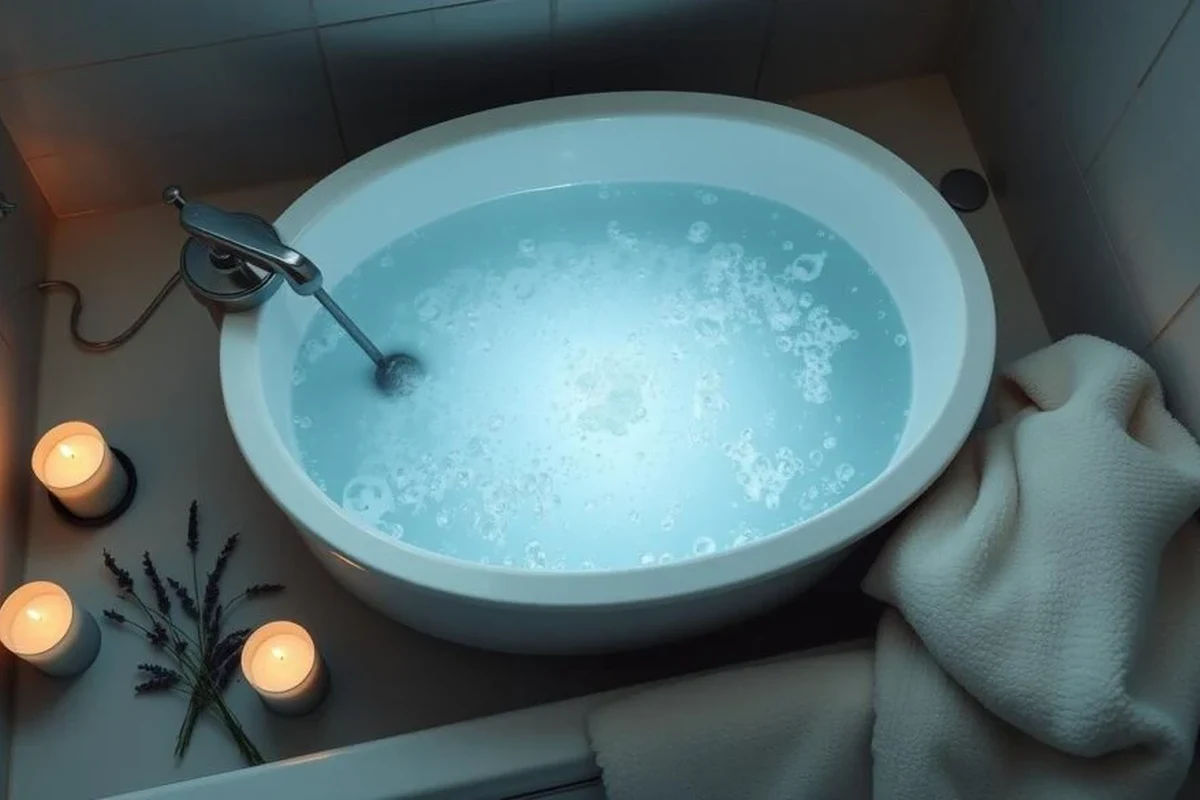
A sitz bath is a shallow soak that covers only the hips and buttocks, not the whole body. People often use baking soda in the water because it is inexpensive, easy to find, and may feel soothing on irritated skin.
If you are familiar with baking soda in other home uses, the same basic idea applies here: it can be helpful in certain situations, but more is not better. For a broader look at how baking soda behaves in practical household settings, see our guide on the baking soda and vinegar reaction explained simply.
How a baking soda sitz bath differs from a regular bath or soak
A regular bath immerses most of the body, while a sitz bath targets a smaller area. That makes it easier to focus warmth and moisture where discomfort is happening without soaking the whole skin surface.
The small volume also means the water cools faster, so the soak is usually short. That can be useful when the goal is temporary relief rather than a long, full-body bath.
Common reasons people look for relief: irritation, odor, and mild discomfort
People may try a baking soda sitz bath when they notice mild itching, chafing, odor, or soreness after bowel movements. It is also commonly used when skin feels irritated from sweating, wiping, or friction.
These situations are often minor and short-lived, but they can feel uncomfortable enough to make everyday activities difficult. A gentle soak may help the area feel cleaner and calmer for a while.
A sitz bath is for comfort, not diagnosis. If you do not know what is causing the symptoms, home care should be treated as temporary while you watch for changes.
Potential Benefits of a Baking Soda Sitz Bath
The main benefit people look for is soothing, not treatment. Baking soda may slightly change the water environment and reduce the sting that some irritated skin feels in plain water.
How baking soda may help calm skin irritation and itching
Baking soda can feel calming because it may help reduce the sensation of burning or itching on irritated skin. When mixed properly, it disperses in water and creates a mild solution that some people find less harsh than soap or scented products.
That said, sensitive skin varies a lot. What feels soothing to one person may feel drying or irritating to another, especially if the skin barrier is already compromised.
Baking soda is alkaline, which is one reason it can feel different from plain water on skin. That same property is why moderation matters when using it on delicate areas.
Why some people use it for odor control and temporary soothing
Baking soda is often associated with odor control because it can help neutralize certain smells rather than just masking them. In a sitz bath, that may make the area feel fresher for a short time.
This does not mean odor is always harmless. Persistent or strong odor can sometimes signal an infection or another issue that needs medical attention instead of repeated home soaks.
When a sitz bath may feel helpful after bowel movements or minor irritation
A sitz bath may be especially comforting after bowel movements if wiping has left the skin tender. Warm water can relax the area, and the baking soda may reduce the sharp, raw feeling that sometimes follows repeated irritation.
It may also feel helpful after minor skin irritation from sweating, shaving, or friction. If the skin is cracked, bleeding, or very inflamed, though, the soak may sting and should be used cautiously.
- Simple and low-cost
- May feel soothing for short-term discomfort
- Can be easier than a full bath for targeted relief
- Not a treatment for infection or serious conditions
- Too much baking soda can irritate skin
- Results vary from person to person
How to Use a Baking Soda Sitz Bath Safely
Safety comes down to using a small amount of baking soda, warm—not hot—water, and a clean setup. If you are unsure, start with plain warm water first and only add baking soda if you want to see whether it improves comfort.
Recommended water amount, baking soda measurement, and mixing method
Exact amounts can vary depending on the basin or tub you use, but a common approach is to fill the sitz bath basin or a shallow bathtub with enough warm water to cover the affected area. Then add a modest amount of baking soda and stir until it dissolves fully.
Do not dump in a large amount and assume stronger is better. Undissolved granules or an overly concentrated mix may leave the skin feeling dry or gritty.
Best water temperature and soak time for comfort and safety
The water should feel comfortably warm, not hot. Very hot water can worsen irritation, increase redness, or make you dizzy if you stay in too long.
Most people keep the soak brief, usually just long enough to feel relaxed and clean. If the area starts to tingle, burn, or look more red after the soak, stop using it and switch to plain water or stop home treatment altogether.
Use the water temperature you would choose for sensitive skin, not for washing dishes or cleaning. If the water feels too hot on your wrist or inner forearm, it is too hot for a sitz bath.
Step-by-step use for a bathtub, sitz bath basin, or portable setup
First, clean the basin or tub before use. A dirty container can add bacteria or residue to already irritated skin, which defeats the purpose of a soothing soak.
Wash your hands and make sure the tub, basin, or portable seat is clean and rinsed well.
Add enough water to cover the affected area while keeping the temperature comfortably warm, never hot.
Stir until it dissolves completely so the water is evenly mixed before you sit down.
Sit comfortably for a short period, then get out slowly to avoid lightheadedness.
Pat the area dry with a clean towel instead of rubbing, which can increase irritation.
If you use a portable sitz bath that fits over a toilet, follow the manufacturer’s instructions for assembly and cleaning. For any home setup, good hygiene matters just as much as the ingredients.
Do not use a sitz bath on deep wounds, active heavy bleeding, or areas with severe swelling unless a clinician has told you it is appropriate. Home soaking is meant for mild, temporary comfort.
Who May Benefit Most and When to Be Cautious
A baking soda sitz bath may be useful when symptoms are mild, short-term, and clearly related to irritation rather than infection or injury. The key is to treat it like a comfort measure, not a fix for every problem.
Situations where a sitz bath may be appropriate for short-term comfort
Short-term use may make sense after minor irritation from wiping, sweating, or friction. Some people also find it helpful after bowel movements when the area feels raw but not seriously injured.
If you are dealing with a temporary flare of discomfort and you have no warning signs, a brief soak can be a reasonable first step. It may also be a gentler option than scrubbing with soap, which can make sensitive skin worse.
When to avoid use or check with a clinician first
Be cautious if you have open sores, a rash that is spreading, a known skin condition that flares easily, or pain that is getting worse. People with diabetes, immune problems, or recent procedures should ask a clinician before trying home soaks if they are unsure.
It is also smart to check first if you are using medicated creams or treatments in the same area. Moisture and heat can change how products feel on skin, and some combinations may not be a good fit.
- Make sure symptoms are mild and temporary
- Use a clean basin or tub
- Keep the water warm, not hot
- Use only a small amount of baking soda
- Stop if burning, redness, or discomfort increases
Signs that symptoms need medical attention instead of home care
Seek medical advice if you notice fever, severe pain, pus, bleeding that does not stop, a foul smell that keeps returning, or symptoms that do not improve after a short period. Worsening irritation can point to infection, hemorrhoids, fissures, or another issue that needs proper evaluation.
If you are ever unsure, it is better to ask a clinician than to keep soaking and hope for the best. Home care should support healing, not delay it.
Common Mistakes People Make With Baking Soda Sitz Baths
Most problems come from overdoing a simple remedy. The biggest mistakes are too much baking soda, too much heat, and using the soak as a substitute for medical care.
Using too much baking soda or soaking too long
A stronger mixture does not usually mean a better result. Too much baking soda can leave the skin feeling dry, tight, or more irritated after the soak.
Long soaks can also backfire by softening the skin too much or making the area feel uncomfortable once you stand up. Short and gentle is usually the safer approach.
Using water that is too hot or a basin that is not cleaned properly
Hot water can intensify redness and make already sensitive skin feel worse. A dirty basin can introduce grime or bacteria into a problem area, which is exactly what you do not want.
This is similar to other baking soda home uses: the method matters as much as the ingredient. For example, when people use baking soda for cleaning, they still have to match the method to the surface, just as with baking soda for shoes cleaning or other household tasks.
Relying on a sitz bath while ignoring worsening symptoms
A sitz bath can be soothing, but it should not distract you from symptoms that are getting more intense. If the area becomes more painful, swollen, or irritated after repeated use, stop and reassess.
It is also worth remembering that baking soda is not a universal remedy. If you need a different household comparison for how baking soda behaves in a practical setting, our article on using baking soda instead of baking powder safely shows how important context and correct use can be.
Comparing Baking Soda Sitz Baths With Other Soothing Options
Not every irritated area needs baking soda. Sometimes the simplest option is the one most likely to feel comfortable and cause the fewest side effects.
When plain warm water may be enough
Plain warm water can be a good first choice for very sensitive skin. If the goal is only to rinse away sweat or residue, adding anything else may be unnecessary.
This is especially true when you are not sure what is causing the irritation. Starting simple makes it easier to tell whether the water itself helps or whether another approach is needed.
How baking soda compares with other home-soak approaches
Some people try salt soaks, oatmeal products, or other gentle home remedies, but each one works differently and may not suit delicate skin. Baking soda is often chosen because it is easy to dissolve and does not leave much residue when used correctly.
Still, the best option depends on the symptom and the person. If a product stings, dries, or leaves the skin more irritated, it is not the right choice for that situation.
The main difference is that baking soda adds a mild alkaline ingredient, while plain warm water keeps the soak as simple and low-risk as possible.
Targeted soothing with a mild additive
Best when you want a bit more odor control or a different skin feel, but it may irritate very sensitive skin if overused.
VS
Simplest comfort option
Best for first tries, very sensitive skin, or situations where you want the lowest chance of added irritation.
Choosing the simplest option for sensitive skin and short-term relief
If your skin tends to react easily, plain warm water is often the safest place to start. If that feels fine but not quite enough, a carefully mixed baking soda sitz bath may be worth trying once.
For readers who like to understand ingredient behavior before using it at home, our article on whether baking soda expires and when to replace it is a useful reminder that freshness and storage can affect how household baking soda performs.
How to Make the Right Choice for Your Situation in 2026
In 2026, the best approach is still the most practical one: use a baking soda sitz bath only when the symptoms are mild, keep the setup clean, and stop if it does not help quickly. The goal is comfort, not endurance.
Practical examples of when a baking soda sitz bath may be worth trying
It may be worth trying after a day of irritation from sweating, after a rough bowel movement, or when the skin feels raw but not seriously damaged. In those cases, a brief soak can be a simple way to settle the area.
If the discomfort is severe, recurring, or paired with other symptoms, home soaking is not enough. That is the point where a proper diagnosis matters more than another bath.
What to watch after the first use: comfort, irritation, and symptom changes
After the first soak, pay attention to whether the skin feels calmer, unchanged, or worse. A good response is usually a mild sense of relief and less stinging when you move or clean the area.
If you notice more redness, more itching, dryness, or burning, do not keep repeating the same method. Switch to plain water or stop home care and seek guidance if symptoms continue.
Final recap on safe use, limitations, and when to seek professional advice
A baking soda sitz bath can be a helpful short-term comfort measure for mild irritation, odor, or soreness, especially when used with warm water and a clean basin. The safest version is simple: small amount of baking soda, brief soak, gentle drying, and close attention to how your skin responds.
Just as with other baking soda uses around the home, the details matter. If symptoms worsen, do not improve, or come with warning signs, contact a qualified clinician rather than relying on repeated soaks.
- Use warm water and a clean container
- Keep the soak short and gentle
- Watch for improvement after the first use
- Using hot water or too much baking soda
- Soaking for long periods
- Ignoring worsening pain, bleeding, or odor
If you have severe pain, fever, bleeding, pus, or symptoms that keep returning, home care is not the right solution. Seek medical advice promptly instead of continuing sitz baths.
Frequently Asked Questions
Use only a small amount and make sure it dissolves fully in warm water. The exact amount can vary by basin size, so follow the container instructions when available and avoid making the water too concentrated.
Daily use may not be a good idea for everyone, especially if your skin is sensitive or symptoms are not improving. If you feel more dryness, burning, or irritation, stop and reassess the cause.
Not always. Plain warm water is often the safest first choice, while baking soda may be worth trying if you want extra odor control or a different soothing feel.
Some people find them soothing for short-term comfort after bowel movements or minor irritation. They are not a cure, and worsening pain or bleeding should be checked by a clinician.
Stop the soak right away and rinse with plain water if needed. If irritation continues or gets worse, avoid repeating the bath and seek medical advice.
Wash the basin with mild soap and water, rinse it well, and let it dry before storing. A clean setup matters because irritated skin is more vulnerable to contamination.

