
Baking Soda for Fish Tank Safe Use Tips and Benefits

Baking soda can help stabilize a freshwater fish tank by raising alkalinity and gently supporting pH. Use it only in small, tested doses, because sudden changes can stress fish and do not fix waste-related water problems.
Using baking soda for fish tank care can help raise alkalinity and support a more stable pH in freshwater aquariums. The key is to use it carefully, test as you go, and understand that it is a buffer, not a cure-all.
- Use case: Best for small freshwater buffering adjustments, not major water-quality repairs.
- Safety: Dissolve first, dose slowly, and retest before adding more.
- Limits: It does not treat ammonia, nitrite, or nitrate issues.
- Species care: Sensitive fish, shrimp, and planted tanks need extra caution.
- Best habit: Let testing guide the dose instead of guessing.
What Baking Soda Does in a Fish Tank and Why Aquarists Use It
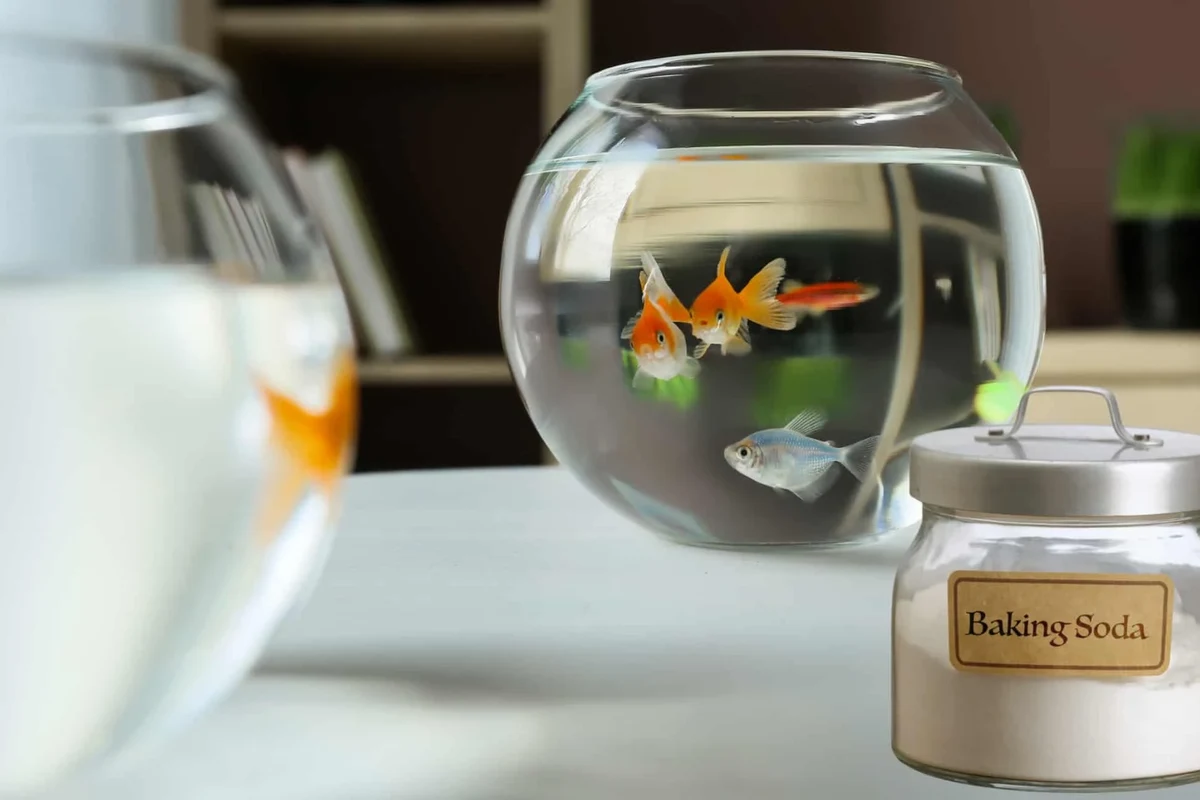
Baking soda is sodium bicarbonate, and in water it can help neutralize excess acidity. In aquarium terms, that usually means a small rise in pH and a boost in alkalinity, which is the water’s ability to resist sudden pH changes.
That buffering effect is why some aquarists keep it on hand for emergency corrections or to stabilize soft, acidic water. It is similar in principle to how a baker uses a small amount of leavening to change the behavior of a batter: a little can make a real difference, but too much can push the result out of balance.
How sodium bicarbonate affects pH and alkalinity
When sodium bicarbonate dissolves, it contributes bicarbonate ions that help buffer acids in the water. This does not make water “better” by itself, but it can reduce rapid swings that stress fish.
Because aquarium chemistry depends on the starting water, substrate, fish load, and filtration, the same amount may have different effects in different tanks. That is why testing before and after dosing matters more than relying on a fixed rule.
When a small buffer adjustment is useful versus unnecessary
A small adjustment can be useful if a tank is drifting too acidic, especially after heavy rainwater use, soft tap water, or a sudden drop in pH after cleaning and water changes. It may also help when fish are showing stress from unstable chemistry rather than from a specific disease.
If your tank already holds a stable pH that suits your fish, adding baking soda is usually unnecessary. Stable water that is slightly imperfect is often safer than “corrected” water that keeps bouncing up and down.
Freshwater aquarium care is chemistry-sensitive. If you are unsure about your species’ preferred pH and hardness range, verify it with a reliable fish-care source before making changes.
Safe Use Tips for Adding Baking Soda to Freshwater Aquariums
The safest approach is conservative dosing, slow changes, and frequent testing. For many tanks, the goal is not to force a dramatic pH shift but to nudge the water into a more stable range.
How to calculate a conservative starting dose
Start with a very small amount and treat it as a test dose, not a full correction. A common beginner approach is to dissolve a small measured portion in tank water first, then add only part of it and re-test after the water has mixed.
Because tank size, source water, and buffering capacity vary so much, it is better to under-dose and repeat than to overcorrect once. If you are working with a sensitive species, even more caution is wise.
Why gradual dosing matters for fish and beneficial bacteria
Fish react to sudden chemistry changes as stress, even if the final number looks acceptable on paper. Beneficial filter bacteria also do best when conditions change slowly, because the biofilter is part of the tank’s balance.
If you have ever seen a cake collapse after too much leavening too quickly, the aquarium version is similar: a fast change can create instability even when the ingredient itself is not “bad.”
Best practice for dissolving and distributing it evenly
Always dissolve baking soda in a separate container first. Pouring dry powder directly into the tank can leave uneven pockets of high concentration before it fully spreads.
Add the solution slowly near strong water movement, such as a filter outlet, so it disperses more evenly. This helps reduce localized stress on fish, plants, and invertebrates.
Use only clean, food-grade baking soda with no fragrance, bleach residue, or added cleaners. Never use a product that was stored with chemicals or near strong odors.
Signs Your Tank May Need Help with pH Stability
Unstable pH often shows up as general stress rather than one dramatic symptom. Fish may breathe faster, hide more, lose appetite, or act restless after water changes or cleaning.
Common symptoms of unstable water chemistry
You may notice fish gasping at the surface, clamped fins, reduced feeding, or sudden lethargy. In tanks with sensitive species, even mild instability can show up as repeated stress after routine maintenance.
Cloudy water, filter disruption, or a recent substrate change can also point to a system that is not holding chemistry well. These are clues, not proof, so testing should come next.
Examples of situations where baking soda can support recovery
Baking soda may help when soft water has left the tank with very low buffering capacity and the pH keeps dropping. It can also support recovery after a large water change if the replacement water is more acidic than the aquarium water.
It is sometimes used in emergency situations to slow a dangerous downward pH shift while you correct the underlying cause. Even then, it should be treated as a temporary support, not the long-term fix.
When testing kits matter more than guesswork
Test kits are more useful than visual clues because water chemistry can look fine while pH is drifting. A liquid kit is often preferred for more precise reading, but strips can still be helpful for quick checks if used carefully.
If you are managing a fish tank regularly, keep records of pH, alkalinity, and any changes you make. Patterns are easier to spot when you compare results over time instead of relying on memory.
In aquarium care, alkalinity matters because it helps prevent sudden pH crashes. A tank can have a “reasonable” pH one day and still be poorly buffered if alkalinity is too low.
Risks, Limits, and Common Mistakes to Avoid
Baking soda is useful, but it has clear limits. The biggest mistakes are adding too much, using it without testing, and expecting it to solve problems that come from waste buildup or poor filtration.
Overcorrection and sudden pH swings
Too much baking soda can push pH upward too quickly and make the water less comfortable for fish. Sudden swings are often more harmful than a slightly imperfect but stable reading.
If you need a correction, make it in small steps and wait long enough for the tank to fully mix before testing again. A rushed second dose is one of the most common ways aquarists overshoot the target.
Never use baking soda to chase a “perfect” pH number. The safest aquarium is usually the one with stable water chemistry that matches the needs of the species you keep.
Why baking soda is not a fix for ammonia, nitrite, or nitrate problems
Baking soda does not remove toxic waste compounds. It may make the water less acidic, but it does not replace water changes, filtration maintenance, or proper cycling.
If ammonia or nitrite is present, address that problem directly with testing, partial water changes, and filter review. For general home cleaning chemistry, readers sometimes mix up uses like the baking soda and vinegar reaction explained simply, but aquarium care should not rely on household reaction tricks.
Species sensitivity, planted tanks, and shrimp tank cautions
Some fish prefer soft, acidic water and do poorly if pH is pushed upward. Shrimp and planted tanks can be especially sensitive because small chemistry changes may affect molting, nutrient uptake, and overall balance.
If you keep delicate species, research their ideal range before dosing anything. In mixed tanks, the needs of the most sensitive animal should guide the decision.
- Can help stabilize low-buffer freshwater
- May support emergency pH recovery
- Easy to find and inexpensive in general use
- Can overcorrect water quickly
- Does not solve waste or filtration problems
- Not suitable for every species or setup
How to Measure, Mix, and Apply Baking Soda Correctly
A careful workflow keeps the treatment controlled. Think of it like following a baking formula: measure first, mix thoroughly, then check the result before changing anything else.
Step-by-step dosing workflow for partial water changes
Check pH and, if possible, alkalinity before adding anything. Write the numbers down so you can compare them later.
Mix the baking soda in a clean container of aquarium water until no visible granules remain.
Use part of the solution during or after a partial water change, then let the tank circulate before retesting.
Wait for full mixing, then test again before deciding whether more is needed.
If you are also comparing other home-use guidance, such as whether baking soda can replace baking powder safely, the same principle applies: the ingredient may be simple, but the result depends on the system around it.
Using test strips or liquid kits to confirm results
Test strips are fast and convenient, but they can be less precise and more sensitive to handling errors. Liquid kits usually take more time but often give a clearer picture of what is happening.
Whichever kit you use, follow the instructions exactly and avoid testing immediately after dosing. Give the water time to circulate so the reading reflects the tank, not one spot near the pour.
Practical examples for small tanks versus larger aquariums
Small tanks change faster because there is less water to buffer the dose. That means even a tiny amount can have a noticeable effect, so extra caution is important.
Larger aquariums usually respond more slowly, but they still need incremental dosing. The right amount depends on water volume, starting pH, and buffering capacity, so official species guidance and careful testing matter more than a one-size-fits-all rule.
When Baking Soda Is the Right Choice and When to Use Alternatives
Baking soda is best when you need a modest, temporary buffer adjustment in freshwater. If the tank needs a different mineral profile or a more stable long-term solution, another product may be a better fit.
Comparing baking soda with commercial buffers and remineralizers
Commercial aquarium buffers are designed for more controlled chemistry management, and remineralizers can add the minerals that soft water lacks. Baking soda is simpler and often cheaper, but it does not replace a product made for a specific water goal.
If your tank contains sensitive species or you are trying to maintain a precise range, a dedicated aquarium product may be easier to manage. The best choice depends on your water source and the animals in the tank.
Buffering options for freshwater aquariums
Choose a simple household buffer only for minor, short-term adjustments. For regular water management, aquarium-specific buffers or remineralizers are often easier to control because they are designed for tank use.
Choosing based on freshwater, brackish, or specialty setups
Baking soda is generally discussed for freshwater use, not as a universal fix for brackish or specialty aquariums. Salt levels, mineral balance, and species requirements can change the chemistry picture completely.
If you manage a specialty tank, verify the recommended treatment method from a trusted aquarium source or the product manufacturer. That is especially important when the setup includes invertebrates or unusual substrates.
Situations where water source correction is the better long-term solution
If your tap water is consistently too soft or unstable, the better fix may be treating the source water before it enters the tank. That can mean using remineralization, blending water sources, or choosing a different conditioning approach.
Long-term stability usually comes from solving the cause, not repeatedly correcting the symptom. Baking soda can be a helpful tool, but it should not become a substitute for proper water planning.
Storage, Handling, and Aquarium Safety Considerations
Good storage and handling help keep the product effective and prevent contamination. As with any ingredient in a home, clean technique protects both the tank and the people around it.
Keeping baking soda dry, sealed, and uncontaminated
Store baking soda in a tightly sealed container away from moisture and strong odors. If it absorbs water or picks up contamination, its performance and safety for aquarium use may be affected.
If the box has been open for a long time and exposed to humidity, replace it rather than guessing. Fresh, dry product is easier to measure and more reliable.
Protecting fish, invertebrates, and filter media during treatment
Do not dump powder into the tank where it can settle on fish, plants, or filter intake areas. Keep water movement on, dose slowly, and watch the tank for any unusual behavior after treatment.
If you keep shrimp, snails, or other invertebrates, be even more conservative. Their tolerance for chemistry shifts can be lower than that of many hardy community fish.
- Test before and after dosing
- Dissolve the powder first
- Make changes in small steps
- Adding dry powder directly to the tank
- Using it to fix ammonia issues
- Chasing pH with repeated large doses
Recap: deciding whether baking soda belongs in your fish tank routine
Baking soda can be useful when you need a gentle freshwater buffer adjustment and you are confident about the tank’s current chemistry. It works best as a measured support tool, not as a replacement for testing, maintenance, or species-specific care.
If your tank is stable, leave it alone. If it is unstable, test first, correct slowly, and choose the simplest option that solves the real problem.
For readers who like to compare simple household ingredients and how they behave, the same careful approach used in baking soda vinegar cleaning ovens or in how to tell when baking soda expires also applies here: the ingredient is basic, but the outcome depends on how you use it.
Frequently Asked Questions
Yes, baking soda can raise alkalinity and may increase pH in freshwater aquariums. The effect depends on your starting water chemistry, so testing before and after dosing is important.
Start with a very small, conservative amount and dissolve it first in a separate container. Because tank size and buffering capacity vary, there is no single safe dose for every aquarium.
It can be safe when used carefully in freshwater tanks, but shrimp and sensitive species may react poorly to sudden changes. Always dose slowly and check the needs of your specific livestock.
No, baking soda does not remove ammonia, nitrite, or nitrate. Those issues need direct water-quality correction such as testing, water changes, and filter maintenance.
No, it is better to dissolve it first in a clean container and then add it slowly. That helps prevent uneven concentration and sudden chemistry changes.
Use aquarium-specific buffers or remineralizers when you need more predictable long-term water control. They are often a better choice for specialty setups, planted tanks, or sensitive species.