
Baking Soda for Hair Benefits Uses and Risks Explained

Baking soda for hair can remove buildup, but it is too harsh for frequent use and can dry or irritate the scalp. A gentle clarifying shampoo is usually the safer choice for most people.
Baking soda for hair is a popular DIY idea because it can feel strong, quick, and inexpensive. But it is not a gentle everyday cleanser, and the results depend a lot on hair type, scalp condition, and how it is used.
- Short-term effect: It may lift oil and residue quickly.
- Main risk: Its high pH can roughen hair and stress the scalp.
- Best fit: Rare use only on strong, untreated hair.
- Safer option: Choose a pH-balanced clarifying shampoo.
- Stop sign: Burning, itching, dryness, or tangling means it is not working for you.
What Baking Soda for Hair Is and Why People Use It
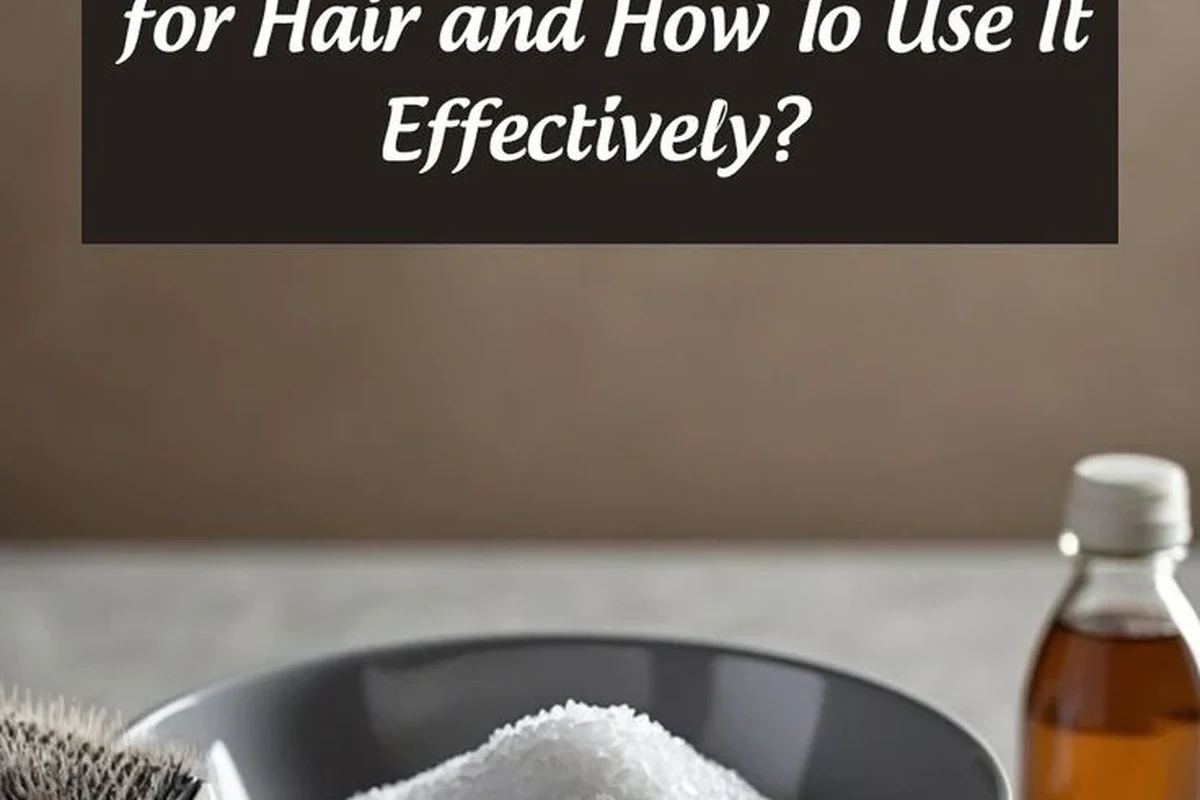
Baking soda is sodium bicarbonate, a mild alkaline powder often used in cooking and cleaning. In haircare, people mix it with water and apply it as a homemade cleanser when they want a stronger “reset” than a regular shampoo may provide.
The appeal is easy to understand. Many readers are searching for low-cost beauty hacks, and in 2026 that includes more interest in DIY routines, ingredient lists, and quick fixes that promise a cleaner scalp without buying a new product.
How baking soda works on hair and scalp
Baking soda has a high pH compared with healthy hair and scalp. That matters because hair cuticles lie flatter in a more acidic environment, while alkaline mixes can make the cuticle lift and feel rougher.
When used on the scalp, baking soda may help loosen oil and residue. That said, “works” does not always mean “works well long term,” because the same cleansing strength can also strip away moisture and leave hair less manageable.
Why it became a popular DIY beauty search in 2026
DIY beauty content keeps spreading because it looks simple, affordable, and easy to try at home. Baking soda also appears in many household cabinets, which makes it feel like an instant solution.
That popularity does not make it automatically safe for hair. As with any home remedy, the important question is not only whether it cleans, but whether it cleans without causing damage over repeated use.
Hair and scalp care works best when the product pH stays close to the skin’s natural range. Strongly alkaline products can make hair feel squeaky clean at first, but that feeling often comes with dryness.
Potential Benefits People Look for When Using Baking Soda on Hair
People usually turn to baking soda for one main reason: buildup. If hair feels coated, dull, or heavy, a stronger cleanser can seem appealing.
Still, these possible benefits are mostly about short-term feel, not long-term hair health.
Removing buildup from styling products, oils, and hard water residue
Styling creams, dry shampoo, oils, and some hard water minerals can leave a film on hair. Baking soda may help break up that residue because it is alkaline and lightly abrasive when mixed into a paste or watery slurry.
That can make hair feel lighter after rinsing. The tradeoff is that the same action can also remove too much of the hair’s natural protective layer, especially if the mix is strong or left on too long.
Creating a stronger “clarifying” feel after occasional use
Some people like the squeaky-clean feeling after an occasional baking soda wash. It can feel more clarifying than a regular shampoo, especially on very oily roots.
But “clarifying” is not the same as “healthy.” A true clarifier is usually formulated to remove buildup while staying more compatible with hair and scalp chemistry than a homemade alkaline mix.
How it may affect odor, grease, and scalp freshness
Baking soda can temporarily reduce oily buildup, which may also reduce odor trapped in the scalp or lengths. That is one reason it appears in some hair-refresh hacks.
Even so, odor control is not a sign that the scalp barrier is happy. If hair starts feeling stiff, rough, or tangled soon after use, the freshness may be coming at too high a cost.
- Can remove some buildup quickly
- May reduce greasy feel for a short time
- Cheap and easy to find
- Can be too harsh for frequent use
- May dry hair and scalp
- Not ideal for color-treated or fragile hair
How Baking Soda for Hair Is Commonly Applied
There is no single standard recipe, which is part of the problem. DIY ratios vary widely online, and stronger is not better when the ingredient itself is already quite alkaline.
If someone chooses to try it, dilution and short contact time matter more than scrubbing harder.
Mixing ratios seen in DIY use and why dilution matters
Common DIY versions use a small amount of baking soda mixed into plenty of water, or blended into shampoo. The exact ratio varies by hair length, thickness, and sensitivity, but the safer principle is always the same: keep it weak, not paste-like.
A thicker paste can cling to the scalp and increase irritation. A more diluted mixture is easier to rinse and less likely to sit in one spot long enough to cause roughness.
Typical application methods for scalp and hair lengths
Most DIY methods focus on the scalp first, then let the diluted mix move through the lengths during rinsing. That approach makes more sense than aggressively rubbing the ends, which are usually older and more fragile than the roots.
If the hair is long, curly, or already dry, the ends may need extra protection. Applying the mix only where buildup is heaviest can reduce unnecessary stress on the mid-lengths and ends.
Rinsing steps and what a proper follow-up wash should include
Rinsing thoroughly is essential. Any leftover powder can make hair feel gritty, and any leftover alkalinity can keep affecting the cuticle after the wash is done.
Many people follow with a regular gentle shampoo and then conditioner. That second step helps restore slip, reduce tangling, and make the hair easier to detangle without force.
Use lukewarm water so the mixture spreads more evenly and does not concentrate in one area.
Focus on the scalp or buildup-prone areas, then keep contact time short.
Flush out all residue before following with a gentle shampoo or conditioner.
Risks, Side Effects, and Why Hair Professionals Caution Against Overuse
This is where the caution becomes important. Hair professionals often warn against repeated baking soda use because the chemistry is not friendly to the hair shaft.
What feels like a deep clean can also be the start of dryness, roughness, and breakage.
High pH concerns and cuticle damage
Healthy hair generally performs better when the cuticle stays smooth and compact. Baking soda’s high pH can push the cuticle open, which makes hair feel rougher and more prone to friction.
Once the cuticle is stressed, the hair may lose shine and become harder to detangle. That is especially noticeable on hair that is already porous or chemically treated.
Dryness, tangling, breakage, and color fading
Dryness is one of the most common complaints after alkaline DIY cleansing. Hair may feel clean at first, then later feel brittle, puffy, or tangled because it has lost too much moisture and surface smoothness.
Color-treated hair can fade faster with harsh cleansing, and bleached hair can become more fragile. If you are also comparing other home-care shortcuts, it helps to think the same way you would about drying out chicken in an air fryer: stronger exposure is not always better, and overdoing it changes the texture in a way you may not want.
Scalp irritation, sensitivity, and when to stop immediately
Some scalps react quickly to baking soda with stinging, itching, redness, or tightness. That is a sign to stop right away and rinse thoroughly with plenty of water.
If irritation continues, or if there is flaking, swelling, or pain, do not keep experimenting. A gentle commercial cleanser or a professional scalp assessment is the safer next step.
Stop using baking soda on hair if you notice burning, persistent itching, increased shedding, or a rough straw-like feel. For ongoing scalp problems, use a product designed for scalp care and seek qualified advice if symptoms do not improve.
Who Should Avoid Baking Soda on Hair
Some hair types and conditions are simply a poor match for this DIY approach. The more fragile the hair or scalp, the less sense it makes to use a high-pH ingredient as a cleanser.
Color-treated, bleached, curly, or chemically processed hair
Color-treated and bleached hair is often more porous, which means it can lose moisture and color more easily. Chemical processing can also make the cuticle less resilient, so harsh cleansing may show up as frizz, dullness, or breakage.
Curly hair often needs more moisture and gentler handling because its shape makes natural oils travel less evenly down the shaft. Baking soda can make curl patterns feel rough and harder to define.
Dry, brittle, or sensitive scalps
If your hair already snaps easily, feels coarse, or tangles with very little effort, baking soda is usually a bad fit. The same goes for a scalp that is sensitive, inflamed, or prone to eczema-like reactions.
In these cases, even a short exposure can create more problems than it solves. A mild cleanser and a moisturizing conditioner are usually the better starting point.
Situations where a salon-grade clarifier is a safer choice
If buildup is the real issue, a salon-grade clarifying shampoo is often a better match. These products are designed to remove residue while being easier to control than a homemade alkaline mix.
For very stubborn buildup, hard water concerns, or recurring scalp issues, a stylist or dermatologist can help identify the cause. If you are comparing everyday cleaning habits in the kitchen and home, the same logic applies as with questions like whether air fryers are dangerous: the tool is not automatically unsafe, but misuse changes the risk level.
Safer Alternatives for Cleansing and Clarifying Hair in 2026
If your goal is cleaner, lighter hair, there are safer ways to get there. The best option depends on whether you need oil removal, product buildup removal, or help with scalp discomfort.
Gentle clarifying shampoos and pH-balanced formulas
A pH-balanced clarifying shampoo is usually the most practical choice for occasional deep cleansing. It is made to remove residue without the same level of cuticle stress as baking soda.
For many readers, that is the simplest answer: use a product designed for the job instead of improvising with a household ingredient.
Apple cider vinegar myths versus realistic haircare use
Apple cider vinegar is often mentioned alongside baking soda in DIY haircare, but it is not a cure-all. It may help some people with rinse feel or residue management when very well diluted, but it is not a magic fix for every scalp or hair type.
Also, mixing strong acids and strong alkalis at home is not a smart shortcut. Haircare works best when the formula is controlled, predictable, and gentle enough for repeated use.
When a professional scalp treatment makes more sense
If your scalp feels oily, flaky, itchy, or congested over and over again, the issue may not be simple buildup. A professional scalp treatment can address the condition more precisely and reduce trial-and-error damage.
That approach is especially helpful when the problem returns after every wash or when multiple DIY methods have already made the hair feel worse.
Haircare results depend on ingredient strength, water hardness, how often you wash, and whether your hair is colored, curly, fine, or chemically processed. A method that seems fine once may become damaging when repeated.
Common Mistakes People Make with Baking Soda Hair Hacks
Most problems come from using too much, too often, or on the wrong hair type. The hack itself is not the only issue; the way it is used matters just as much.
Using it too often or leaving it on too long
Frequent use is one of the fastest ways to create dryness and tangling. Leaving the mixture on longer does not make it safer or more effective; it usually just increases the chance of cuticle stress.
Short contact time is the only sensible approach if someone insists on trying it. Even then, occasional use is the limit, not a routine.
Applying it directly without enough water or conditioner support
Dry powder or a thick paste can catch in the hair and scalp, making it hard to rinse clean. That can leave residue behind and create extra friction during detangling.
Conditioner support matters because it helps restore slip after cleansing. Without that step, combing can cause unnecessary breakage, especially on long or textured hair.
Assuming one DIY method works for every hair type
Hair varies a lot in texture, density, porosity, and chemical history. A method that seems fine on one person’s straight, oily hair may be a disaster on curly, colored, or fragile hair.
That is why broad DIY advice is risky. Good haircare is less about trends and more about matching the product to the actual condition of the hair and scalp.
- Use a diluted mix only if you are testing it
- Keep contact time short
- Follow with a gentle shampoo and conditioner
- Stop if the scalp feels irritated
- Using baking soda every wash
- Scrubbing the ends aggressively
- Leaving residue in the hair
- Using it on damaged or color-treated hair
Final Verdict: Is Baking Soda for Hair Worth Trying?
For most people, baking soda for hair is not the best long-term choice. It may offer a short-lived clarifying effect, but the high pH and drying potential make it a risky regular habit.
If you are dealing with a one-time buildup problem and your hair is strong, untreated, and not sensitive, a very diluted, brief test may be tolerable. Even then, a gentle clarifying shampoo is usually the safer first option.
Best-case use scenarios and strict limits
The best-case scenario is occasional use on healthy, non-colored hair that only needs a temporary reset. The limits should be strict: dilute heavily, apply briefly, rinse thoroughly, and stop if the hair feels rough afterward.
That is the closest thing to a practical rule here. If the hair feels squeaky but then turns dry or tangled, the method has already gone too far.
Practical decision guide for readers choosing between DIY and safer alternatives
Choose baking soda only if you understand the risks and are treating it as a rare experiment, not a routine. Choose a pH-balanced clarifier if you want a more reliable clean with less chance of damage.
And choose professional help if your scalp is irritated, your hair is chemically processed, or buildup keeps coming back. In haircare, the safest answer is usually the one that cleans without forcing the hair to fight back.
Baking soda for hair can remove some buildup, but it is too harsh for most regular routines and too risky for fragile or color-treated hair. For better long-term results, use a gentle clarifier or a salon-grade treatment instead of making baking soda a habit.
Frequently Asked Questions
Most hair professionals advise against regular use because baking soda is too alkaline for repeated cleansing. If someone tries it, it should be rare and followed by a gentle conditioner or shampoo.
It may help loosen oil and some residue for a short-term reset. A clarifying shampoo is usually a safer and more predictable option.
It is generally not a good choice for color-treated or bleached hair because it can increase dryness and fade color faster. A pH-balanced cleanser is safer.
Rinse it out right away with plenty of water and stop using it. If redness, burning, or itching continues, use a gentle cleanser and seek qualified advice.
Some people do, but it still may make the wash harsher than normal. If you want a clearer result, a dedicated clarifying shampoo is usually the better choice.
A gentle clarifying shampoo or a salon-grade scalp treatment is usually safer. These options are designed to clean buildup while being less likely to dry out the hair.