
Aluminum Free Baking Soda Benefits and Best Uses

Aluminum free baking soda works the same as regular baking soda but is often preferred for cleaner flavor in acidic recipes. Use it in the same amount, and make sure the recipe has enough acid for proper rise.
Aluminum free baking soda is still sodium bicarbonate, but it is sold without aluminum-containing additives that are more common in some baking powders. For many home bakers, that makes it a simple choice for cleaner flavor and predictable leavening in the right recipes.
- Flavor: It can help reduce metallic or bitter notes in delicate bakes.
- Function: It still needs acid and moisture to create lift.
- Use cases: Best for cookies, muffins, pancakes, quick breads, and similar fast-mix recipes.
- Substitution: Measure it like standard baking soda, but do not confuse it with baking powder.
- Storage: Keep it sealed, dry, and fresh for dependable performance.
What Aluminum Free Baking Soda Is and How It Differs From Regular Baking Soda
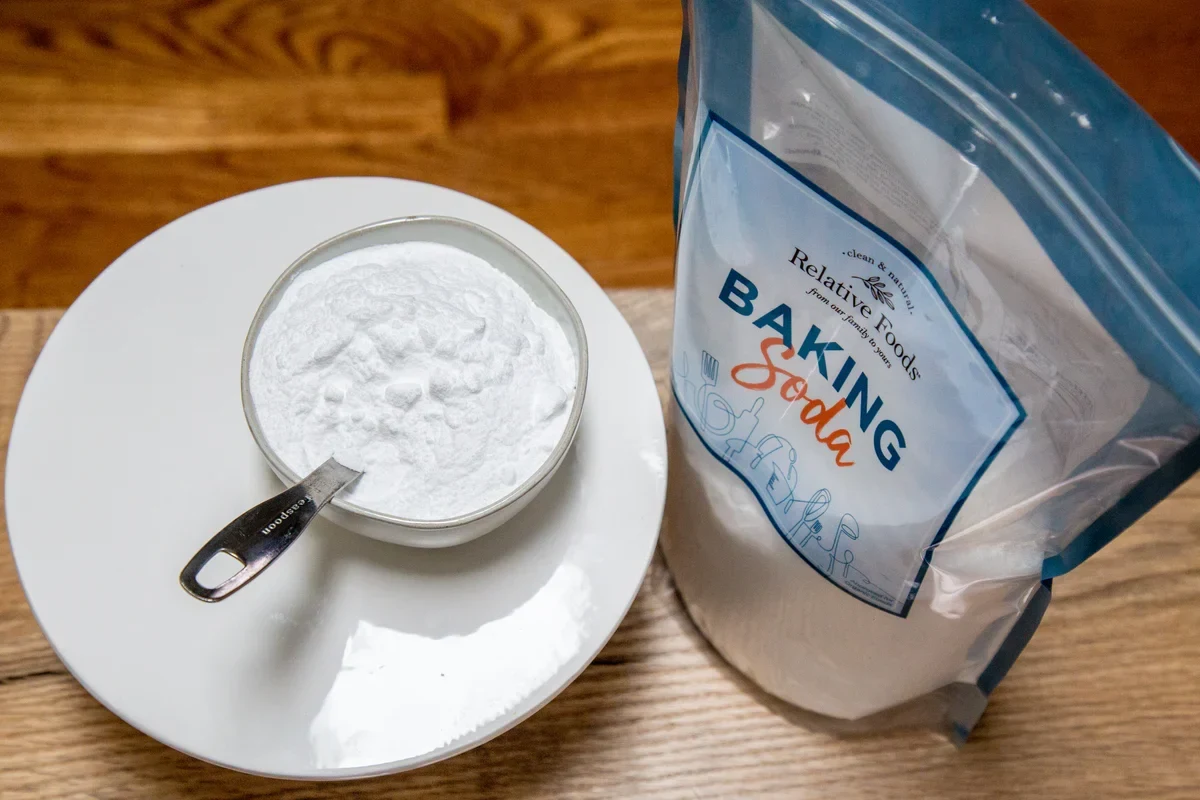
At the ingredient level, aluminum free baking soda is sodium bicarbonate. It is not a different leavener; the phrase “aluminum free” mainly matters when you are comparing it with baking powders that may contain aluminum-based acid salts.
Why “aluminum free” matters in baking and everyday use
In baking, the label matters because bakers often want a leavener that does not add a metallic or slightly bitter note. That concern is most noticeable in delicate bakes, where even a small off-flavor can stand out.
In everyday kitchen use, the label can also matter for ingredient simplicity. Some shoppers prefer shorter ingredient lists, especially when they are choosing products for school kitchens, family baking, or flavor-sensitive recipes.
How sodium bicarbonate works as a leavening ingredient
Baking soda works when it meets an acid and moisture, then releases carbon dioxide gas. Those bubbles expand during baking and help batter rise before the structure sets.
Because the reaction starts as soon as the soda is mixed with liquid and acid, timing matters. If a batter sits too long before baking, some of the gas escapes and the final crumb can turn dense.
What the label does and does not tell you in 2026
The label tells you the product is intended to be aluminum free, but it does not tell you whether the recipe has enough acid to activate it properly. It also does not tell you how fresh the product is, how your oven is calibrated, or whether the batter is mixed evenly.
That is why ingredient labels should be read alongside the recipe itself. A good baking result depends on the full formula, not just the leavener name.
Aluminum free baking soda is still baking soda. If a recipe calls for baking powder instead, do not swap it one-for-one without checking the acid and salt balance.
Aluminum Free Baking Soda Benefits for Taste, Texture, and Ingredient Sensitivity
The main benefits are flavor cleanliness, reliable rise in the right recipes, and a simpler ingredient profile. It is especially useful when you want the leavener to support the recipe without drawing attention to itself.
Reducing metallic aftertaste in cookies, cakes, and quick breads
When baking soda is used correctly, it should not taste metallic. But if a recipe is lightly acidic, under-mixed, or over-measured, the leftover soda can leave a soapy or sharp taste.
Using aluminum free baking soda does not fix a bad formula, but it can help keep the flavor cleaner in recipes that are already well balanced. That is one reason many bakers prefer it for cookies, muffins, and quick breads with subtle flavor.
Why it is often preferred in recipes with delicate flavors
Vanilla cakes, lemon muffins, almond bakes, and plain scones can show off small flavor differences more easily than heavily spiced desserts. In those recipes, a clean-tasting leavener is often the better fit.
If a dessert depends on butter, dairy, fruit, or mild extracts, aluminum free baking soda helps the main flavors stay in front. It supports rise without adding much sensory noise.
When bakers choose aluminum free options for ingredient simplicity
Some bakers choose aluminum free baking soda because they want fewer variables in a recipe. That can be helpful in pastry classes and shared kitchens, where consistent ingredient behavior makes teaching and troubleshooting easier.
Baking Tip
If you are testing a new formula, change only one ingredient at a time. That makes it much easier to tell whether the soda, the acid, or the mixing method affected the result.
Best Uses in Baking: Where Aluminum Free Baking Soda Performs the Best
Aluminum free baking soda performs best in recipes that already contain an acid. In those formulas, the soda can react quickly and create lift without leaving much residue behind.
Recipes that rely on acidity: buttermilk, yogurt, citrus, molasses, and brown sugar
Classic matches include buttermilk pancakes, yogurt muffins, lemon cakes, molasses cookies, and brown sugar bakes. These ingredients help activate the soda and also influence browning and flavor.
Molasses and brown sugar are especially useful in soda-based recipes because they bring both acidity and moisture. Citrus juice and dairy acids work too, although the exact strength varies by recipe and brand.
Cookies, muffins, pancakes, and other fast-mix bakes
Fast-mix batters are a natural fit because they are usually baked soon after mixing. That short window helps preserve the gas created by the soda reaction and supports a lighter crumb.
For bakers comparing quick breakfast recipes, it also helps to think about oven or griddle heat. Similar to how timing matters in appliance cooking, as discussed in our article on why preheating matters, leavening works best when the batter goes into a properly heated environment.
How it behaves in high-heat and low-moisture batters
In high-heat baking, soda can give an early burst of lift before the crumb sets. That is useful for cookies and muffins, where you want some spread and a tender interior.
In low-moisture batters, however, the reaction may be uneven if the soda is not fully dispersed. That can lead to streaks, bitter spots, or patchy browning if the batter is not mixed well enough.
Baking soda is much stronger than baking powder by weight, so a small measuring error can change the flavor and texture of a baked good quickly.
How to Measure and Substitute Aluminum Free Baking Soda Correctly
In most recipes, aluminum free baking soda is measured the same way as standard baking soda. The key is not the aluminum claim; the key is whether the recipe has enough acid to use it well.
Using the same amount as standard baking soda in most recipes
If a recipe calls for baking soda, you can usually use the same amount of aluminum free baking soda. The product still performs the same basic chemical job.
That said, measuring accuracy matters. Use level teaspoons or a scale when the formula is sensitive, especially in pastry school practice or batch baking.
Balancing acidity to avoid flat, soapy, or overly browned results
If there is not enough acid, some soda may remain unreacted. That can produce a soapy taste, a darker crumb, or a coarse texture.
Too much acid can also be a problem. The bake may rise quickly but collapse, or it may taste sour and brown too fast on the outside before the center sets.
Common substitution mistakes home bakers make
One common mistake is swapping baking soda and baking powder as if they were equal. They are not interchangeable without recipe adjustments.
Another mistake is assuming more soda means more rise. Extra soda often means more spreading, more browning, and a higher chance of off-flavor rather than a better crumb.
Do not use baking soda as a catch-all replacement for baking powder unless the recipe has enough acid and you understand the formula changes. A wrong swap can affect flavor, structure, and browning.
Practical Baking Examples and Technique Notes for Better Results
Recipe reading is where good soda use really starts. Before you mix, check whether the formula includes an acid, how long the batter sits, and whether the recipe depends on immediate oven spring.
Reading a recipe to decide whether baking soda is actually needed
Look for acidic ingredients such as buttermilk, sour cream, yogurt, citrus juice, molasses, brown sugar, vinegar, or natural cocoa in some formulas. If those ingredients are absent, the recipe may rely on baking powder instead.
If the recipe uses both baking soda and baking powder, the soda may be there mainly for browning, flavor balance, or extra lift. In that case, the exact ratio matters more than the ingredient name alone.
How to test whether a batter has enough acid to activate the soda
There is no perfect kitchen shortcut that replaces a well-written formula, but you can look for clues. Batters with dairy tang, fruit juice, or molasses usually have enough acidity for soda-based leavening.
If you are unsure, follow the recipe exactly rather than guessing. In school or test-batch settings, changing the acid level without adjusting the soda can make results hard to interpret.
Signs of proper rise, browning, and crumb structure
A properly balanced soda bake usually rises without tasting harsh. The crumb should look even, not tunnelled or gummy, and the edges should brown in a controlled way.
Good pancakes and muffins often show a light, open interior and a tender bite. Cookies may spread a little, but they should not collapse into greasy puddles or leave a strong alkaline taste.
What to adjust when a bake tastes bitter, spreads too much, or turns dense
If a bake tastes bitter or soapy, first check whether too much soda was used or whether the acid was too weak. If it spreads too much, the batter may have been too warm, too soft, or over-leavened.
If it turns dense, the soda may have been old, the batter overmixed, or the oven too cool. For broader troubleshooting on heat and appliance behavior, readers may also find our article on why food dries out in fast-cooking appliances useful as a reminder that time and heat balance shape texture.
The bake rises unevenly or tastes sharp at the edges.
Check measuring accuracy, mix the batter evenly, and confirm the recipe has enough acid for the amount of soda used.
Storage, Freshness, and Safety Considerations in a Home or School Kitchen
Like all dry leaveners, aluminum free baking soda should be stored in a cool, dry place. Moisture is the biggest enemy because it can reduce performance and shorten shelf life.
How to store aluminum free baking soda to protect potency
Keep the container tightly closed and away from steam, dishwashers, and warm ovens. A pantry shelf is usually better than a cabinet above the range.
If you bake often, label the container with the purchase date. That makes it easier to track freshness in a busy home or classroom kitchen.
How to check freshness before using it in class or batch baking
A simple freshness check is to mix a small amount with an acidic liquid. If it fizzes promptly, the soda is still active enough for most baking uses.
Use this as a practical check, not a lab test. If the result is weak or uncertain, replace the product before making a large batch.
Food safety and handling notes for shared baking environments
In shared kitchens, keep dry ingredients labeled to avoid mix-ups with baking powder, flour, or salt. Cross-contact matters for allergen control, so use clean tools and separate scoops when needed.
Store baking soda away from food that could absorb odors. It can pick up strong smells from the environment, which may affect flavor in delicate baked goods.
Common Mistakes When Choosing or Using Aluminum Free Baking Soda
Most problems come from confusion about the ingredient, not from the ingredient itself. A clean label does not override the rules of leavening chemistry.
Confusing baking soda with baking powder
Baking soda needs acid; baking powder already contains its own acid. If you confuse the two, the recipe may fail even if the ingredient looks similar.
This is one of the most common beginner errors, and it is easy to make when containers are stored together. Clear labeling helps prevent it.
Using it in recipes without enough acid
If a recipe has no acidic ingredient, soda may not react fully. That can leave the finished product dense, bitter, or oddly browned.
In those cases, baking powder is often the better choice, but only if the recipe was designed for it. Do not add acid casually unless you are ready to rebalance the full formula.
Assuming “aluminum free” automatically means better performance in every recipe
Aluminum free baking soda is not a universal upgrade. It is a good option for clean flavor and simple ingredient lists, but it still depends on correct formulation and technique.
Some recipes work perfectly well with standard baking soda, and the result may be indistinguishable when the formula is balanced. The ingredient choice matters, but the recipe matters more.
Overbaking, under-mixing, and other technique errors that affect results
Even the right leavener cannot rescue an overbaked cake or an undermixed batter. Overbaking dries out the crumb, while under-mixing can leave soda pockets that taste harsh.
For best results, mix until the dry ingredients are just combined, then bake promptly. Watch for visual cues like set edges, light spring in the center, and even browning rather than relying only on the clock.
- Match baking soda to an acidic recipe.
- Measure carefully and bake promptly.
- Store the container dry and sealed.
- Swapping it blindly for baking powder.
- Using extra soda to force more rise.
- Ignoring stale or poorly stored product.
How to Decide Whether Aluminum Free Baking Soda Is Worth Buying
For many bakers, the answer is yes if they want a cleaner-tasting soda and bake often with acidic ingredients. It is especially practical for students, home bakers, and anyone who wants fewer flavor surprises in simple cakes, cookies, and quick breads.
Best use cases for frequent bakers, pastry students, and flavor-sensitive recipes
If you bake regularly, aluminum free baking soda can be a dependable pantry staple. It fits well in recipes where flavor clarity matters and where the soda is meant to support rise without drawing attention.
It is also a sensible choice for pastry students learning formula balance. A straightforward ingredient can make it easier to understand how acid, alkalinity, and browning work together.
When standard baking soda may still be perfectly suitable
Standard baking soda is still fine when the recipe is balanced and the flavor is not delicate. In many everyday bakes, you may not notice any difference at all.
If your current recipes already turn out well, there is no need to replace every box in the pantry. The better question is whether the ingredient fits your recipe style and your taste preferences.
Final recommendation based on taste, consistency, and recipe style
Choose aluminum free baking soda if you want a clean flavor profile, bake many quick breads or cookies, or prefer ingredient simplicity. Keep standard baking soda if it is already working well for your recipes and you do not notice off-flavors.
The best choice is the one that matches the formula, not the label alone. In practice, that means using aluminum free baking soda where acid and timing support it, then measuring carefully and baking with consistent technique.
Aluminum free baking soda is a smart pantry option for bakers who want clean flavor and reliable rise in acidic recipes. It is not a universal fix, but when the formula is right, it can improve taste and keep results more predictable.
Frequently Asked Questions
Yes, in most recipes it is used in the same amount as standard baking soda. The important part is whether the recipe has enough acid to activate it properly.
It works best in recipes with acidic ingredients such as buttermilk, yogurt, citrus, molasses, or brown sugar. Cookies, muffins, pancakes, and quick breads are common examples.
It is often chosen because it can help keep flavor cleaner in baked goods. If the recipe is balanced, it should not leave a metallic or soapy taste.
Not one-for-one. Baking powder and baking soda work differently, so the recipe usually needs adjustment if you swap them.
Mix a small amount with an acidic liquid and look for a quick fizz. If the reaction is weak, replace it before baking a full batch.
That often happens when too much baking soda is used, the recipe does not have enough acid, or the batter sits too long before baking. Measuring carefully and baking promptly usually helps.