
Baking Soda Freshener Ideas for a Cleaner Home

Baking soda freshener ideas work best for mild odors, moisture control, and regular upkeep in closed or fabric-heavy spaces. For strong or recurring smells, clean the source first and use baking soda only as a support step.
A baking soda freshener is one of the simplest ways to reduce everyday odors without adding heavy fragrance. Used correctly, it can help with moisture, stale smells, and light surface cleanup in kitchens, bathrooms, closets, cars, and fabric spaces.
- Best use: Baking soda is most effective in small, enclosed, or lightly odorous spaces.
- Main limit: It reduces odor but does not disinfect or remove hidden odor sources.
- Best formats: Open containers, sachets, and light fabric sprinkles keep use cleaner and easier.
- Watch for moisture: Clumping or damp powder means it needs replacing.
- Practical rule: If odors return fast, switch to deeper cleaning and better ventilation.
What “Baking Soda Freshener” Means in a 2026 Home-Care Routine
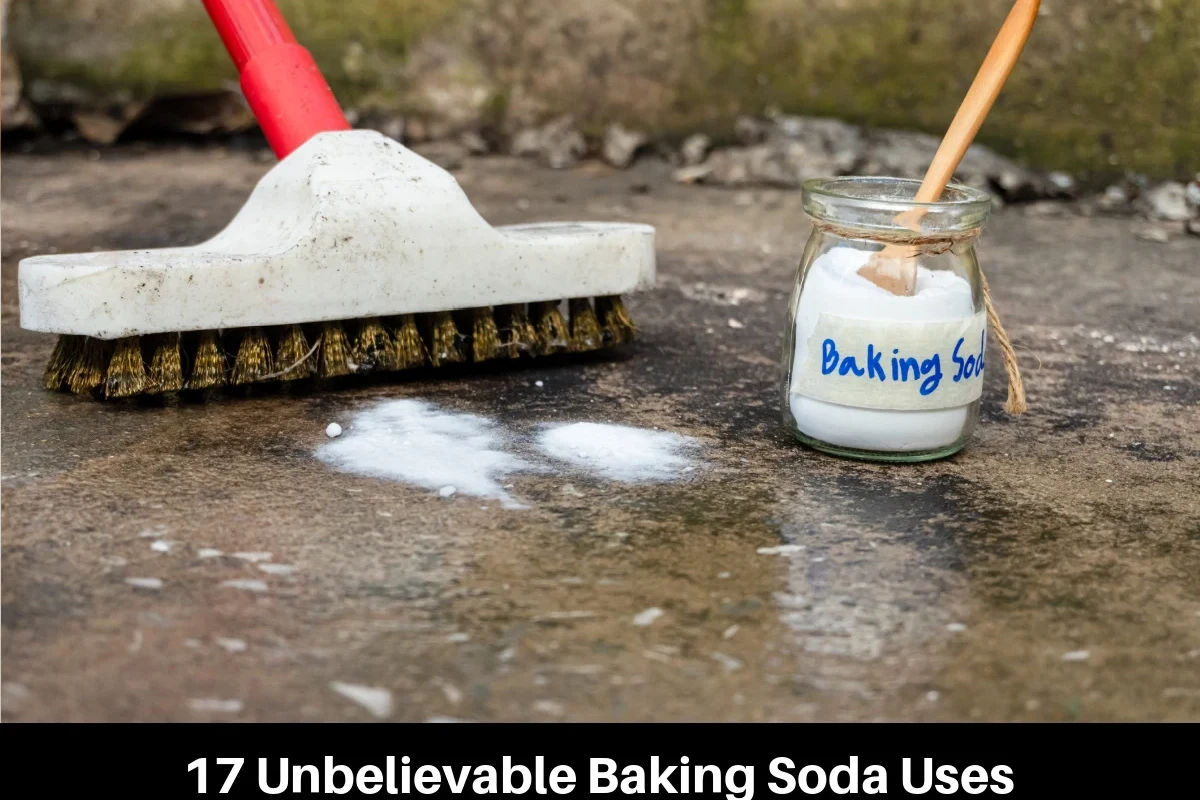
In a modern home-care routine, a baking soda freshener usually means baking soda used as an odor absorber or mild deodorizing helper, not a perfume. It works best where smells build up from moisture, food residue, laundry, pets, or closed storage.
It is still popular because it is inexpensive, easy to find, and simple to use. It also fits well into a low-fragrance cleaning routine, especially for people who prefer a neutral smell instead of a strong scented spray.
Why baking soda still matters for odor control, moisture, and light surface cleaning
Baking soda can help neutralize some odor-causing compounds and slightly reduce dampness in enclosed spaces. That is why it is useful in places like refrigerators, trash bins, closets, and shoes where air circulation is limited.
It also has a mild abrasive quality, so it can assist with light scrubbing on some washable surfaces. For deeper cleaning, though, it is only a helper, not a complete solution.
Baking soda works best when the odor source is already reduced. If food residue, mildew, or dirty fabric is still present, the smell usually returns quickly.
What it can do well—and what it cannot replace
A baking soda freshener is good for maintenance between deeper cleanings. It can help keep a room from smelling stale, but it does not sanitize, disinfect, or remove the root cause of every odor.
For example, a sour trash smell may improve after baking soda is added, but if the bin is dirty or the liner leaks, the odor will come back. In those cases, washing, drying, and better ventilation matter more than the freshener itself.
- Low-cost and easy to use
- Helps with mild odors and dampness
- Works in many rooms and fabrics
- Does not replace deep cleaning
- Can clump if it gets wet
- May be too weak for strong or hidden odor sources
Best Baking Soda Freshener Ideas for Different Rooms
The best baking soda freshener idea depends on the room, the type of odor, and how much airflow the area gets. A small open dish can work in a fridge, while a vacuumable blend makes more sense for carpet.
Refrigerator and pantry odor control
For refrigerators, an open box or a shallow container of baking soda can help absorb mixed food odors. Place it where air can circulate around it, not behind a tightly packed shelf of containers.
In pantries, baking soda is useful near dry goods, but it should stay dry and away from spills. If the pantry smell is musty, check for humidity, old cardboard, or hidden food residue first.
Trash can, recycling bin, and laundry room refreshers
Trash cans and recycling bins often need a freshener because they collect odor from moisture and organic waste. A light dusting of baking soda in the bottom of a clean, dry bin can help between washings.
In laundry rooms, it can be useful near hampers or around pet laundry areas. For laundry use, it may also pair with a regular wash routine, which is why readers often compare it with baking soda in laundry benefits when deciding how to use it most effectively.
Carpets, upholstery, and pet-area deodorizing
Carpets and upholstered furniture can hold odors in fibers, so a baking soda freshener is often used as a dry sprinkle before vacuuming. This works best on dry fabric and on odor that sits near the surface.
For pet areas, it may help reduce lingering smell, but it should never replace pet-safe cleaning and thorough drying. If the odor comes from urine or a spill that soaked into padding, the hidden source must be addressed first.
Bathroom, closet, and shoe-cabinet freshening
Bathrooms often need both odor control and moisture control, which makes baking soda a practical short-term helper. Closets and shoe cabinets benefit from small pouches or containers because they are enclosed and prone to stale air.
For shoes, baking soda can be useful in a simple sachet or shaker method. If you want a deeper look at shoe use specifically, the article on baking soda for shoes cleaning explains why enclosed footwear needs a dry, controlled approach.
How to Use Baking Soda Safely and Effectively
Using a baking soda freshener is mostly about controlling quantity, placement, and timing. Too much powder can be messy, and too little may not stay effective long enough.
Recommended amounts for small spaces, fabrics, and enclosed containers
For small enclosed spaces, a thin layer or a small open container is usually enough. For fabrics, use a light, even sprinkle rather than a heavy pile so the powder can be removed more easily.
For drawers, closets, and shoes, small sachets or perforated containers are often cleaner than loose powder. That gives you odor control without leaving white residue on surfaces.
How long to leave it in place before vacuuming, wiping, or replacing
Most freshening jobs work better when baking soda is left in place long enough to absorb odors, then removed or replaced on a schedule. In a fridge or closet, that may mean replacing it periodically; on carpet, it usually means letting it sit before vacuuming.
The exact timing depends on humidity, airflow, and how strong the odor is. If the powder looks damp, hard, or discolored, it is usually time to refresh it.
Timing is not universal. A dry bedroom closet may need less frequent replacement than a humid laundry room or a busy kitchen trash area.
Common mistakes: using too much, mixing with the wrong products, or expecting instant results
One of the biggest mistakes is using a thick layer and expecting a dramatic result right away. Baking soda freshener works gradually, so it is better for steady maintenance than for strong emergency odors.
Another common mistake is mixing it with products that create unnecessary mess or chemical confusion. If you are comparing it with other household methods, the article on the baking soda and vinegar reaction explains why the fizz is not the same thing as better cleaning power.
Do not assume every odor needs a baking soda fix. If you suspect mold, sewage, smoke damage, or spoiled food inside a hidden area, deeper cleaning and ventilation are more important than deodorizing.
Ingredients and Add-Ins That Improve Freshening Results
Plain baking soda is often enough, but some people like to add scent or improve convenience. Add-ins can help the experience, yet they should not overpower the room or reduce the powder’s ability to stay dry and free-flowing.
Essential oils, dried herbs, and citrus peels: when they help and when they don’t
Essential oils can add a light scent, but only a very small amount should be used because too much can make the mixture clumpy or irritating. Dried herbs and citrus peels can smell pleasant at first, but they usually fade faster than the baking soda itself.
These add-ins help most when you want a mild fragrance in a closed container or sachet. They are less useful in humid spaces, where moisture can shorten shelf life and make the mixture less clean to use.
Choosing containers, sachets, jars, and shaker tops for controlled release
Controlled release matters because baking soda works best when air can move around it without spilling everywhere. Jars, vented lids, sachets, and shaker tops each offer a different balance of convenience and mess control.
For open areas like a fridge shelf, a small jar or box works well. For drawers, shoes, or closets, a breathable pouch is usually neater and easier to replace.
Best for refrigerators and small enclosed shelves where airflow is limited but spills must be avoided.
Best for closets, drawers, and shoes because it keeps powder contained while allowing odor absorption.
How to avoid clumping, staining, or overpowering scents
Clumping usually happens when baking soda absorbs moisture, so keep it dry and replace it if it feels heavy or compacted. Staining is less common with plain baking soda, but it can happen if it is rubbed into delicate fabric or left too long on damp material.
If you add fragrance, use less than you think you need. A freshener should make the space smell cleaner, not perfume-heavy.
Room-by-Room Methods, Measurements, and Practical Examples
Simple, repeatable methods are usually the most useful. The goal is not to make a complicated DIY product, but to create a baking soda freshener that fits the room and stays easy to maintain.
- Make sure the area is dry or mostly dry
- Remove the main odor source if possible
- Choose a container or method that will not spill easily
Simple fridge deodorizer setup with replacement timing
Place a small open container of baking soda on a stable shelf in the refrigerator, away from food that could spill into it. Keep it uncovered enough for airflow, but protected enough that it will not tip over.
Replace it on a regular schedule or sooner if the fridge has had a spill, power interruption, or strong food odor. If odors remain after replacement, clean shelves, drawers, and seals before adding a new container.
Vacuumable carpet freshener blend and dwell time
For carpet, sprinkle a thin, even layer over dry flooring and let it sit before vacuuming. The dwell time depends on the carpet pile, humidity, and how much odor is present, but the powder should not be left so long that it becomes damp or compacted.
Use a vacuum with good suction and empty the canister or bag as needed. If the carpet still smells after vacuuming, the odor may be deeper in the padding or caused by a spill that needs spot treatment.
DIY drawer, closet, and shoe freshener pouches
Small fabric pouches are a neat option for drawers and closets because they keep the powder contained. For shoes, use a small amount in a sealed pouch or a breathable packet so the powder does not touch the lining directly.
This is one of the easiest uses for a baking soda freshener because it is low-mess and easy to swap out. If you want more details for footwear, see the related guide on shoe odor control with baking soda.
Trash-bin and sink-area maintenance routine for busy households
For trash bins, sprinkle baking soda into a clean, dry bin before adding a new liner. That can help reduce odor buildup between washings, especially in kitchens where food waste is frequent.
Near sinks, baking soda can help with light odor maintenance around drains and nearby surfaces, but it is not a fix for clogs or plumbing problems. If you need a deeper drain-cleaning routine, a separate method may be more appropriate than a freshener alone.
Troubleshooting Weak Odor Control and Messy Results
If a baking soda freshener seems weak, the problem is often not the powder itself. It is usually the room conditions, the odor source, or the way the freshener is being used.
Why odors return quickly in humid rooms or heavily used spaces
Humidity makes baking soda less effective because moisture reduces its free-flowing texture and can limit its odor-absorbing ability. Busy spaces also create new odor faster than a simple freshener can handle.
That is why a bathroom, laundry room, or pet area may need more frequent replacement than a closet. In those rooms, airflow and cleaning matter just as much as the freshener.
When to switch from baking soda to deeper cleaning or ventilation fixes
If the smell returns soon after cleaning, it usually means the source is still present. In that case, wash the surface, improve ventilation, and check hidden spots such as under appliances, inside liners, or under furniture.
Baking soda is a maintenance tool, not a repair for water damage, mold, smoke residue, or spoiled material. For smoke-specific problems, a more targeted approach may be needed, which is why some readers also look at baking soda for smoke odors.
Signs the product has absorbed moisture and needs to be replaced
If the powder is lumpy, damp, crusted, or no longer easy to shake, it has likely absorbed too much moisture. A stale or weaker smell in the area can also be a sign that it is time to replace the container.
When in doubt, refresh it rather than trying to revive it. Baking soda is inexpensive enough that replacement is usually the cleaner choice.
Storage, Shelf Life, and Safety Considerations
Storage matters because a freshener only works well when it stays dry and uncontaminated. Even a good baking soda freshener can fail if the container is left open in a humid room or near spills.
How to store unopened and opened baking soda for freshener use
Keep unopened baking soda in a cool, dry place away from moisture and strong odors. After opening, reseal it tightly or transfer it to a clean airtight container if you plan to use it for freshening.
If you use a box for the fridge, write the opening date on it so you can remember when to replace it. The exact replacement schedule can vary, but regular refreshment is better than leaving it in place indefinitely.
Safety around children, pets, fabrics, and food-contact surfaces
Keep loose powder out of reach of children and pets, especially if they are likely to touch or taste it. For food-contact areas, use clean containers and avoid letting baking soda fall directly into food or onto surfaces that will touch food without being washed.
If you use baking soda near counters, shelves, or storage bins, wipe away visible residue before handling dishes, ingredients, or utensils.
When baking soda should not be used on delicate finishes or electronics
Do not rub baking soda into delicate finishes, polished wood, or sensitive coatings unless the manufacturer says it is safe. The fine powder can scratch or dull some surfaces if used aggressively.
It also should not be used inside electronics or near exposed electrical parts. For those spaces, dry methods and manufacturer-approved cleaning instructions are safer.
Final Recap: Choosing the Right Baking Soda Freshener Idea for Your Home
The best baking soda freshener idea is the one that matches the room and the odor problem. Fridges, closets, shoes, bins, and carpets all need slightly different setups because airflow, moisture, and residue levels are not the same.
For a low-budget, low-fragrance routine, plain baking soda in a small container or pouch is often enough. If the odor is strong, wet, smoky, or linked to a hidden source, use the freshener only after deeper cleaning, drying, and ventilation improvements.
Best use cases by room, budget, and cleaning goal
Use a simple open container for a refrigerator, a sachet for a closet, and a light sprinkle for carpets. For busy households, the most practical option is the one that is easy to replace regularly and does not create extra mess.
How to decide whether a DIY freshener is enough or a stronger solution is needed
If the smell is mild and the space is dry, a baking soda freshener may be all you need. If the odor comes back quickly, the room is humid, or the source is hidden, move from freshening to cleaning, drying, and ventilation fixes.
That is the simplest rule to remember: baking soda can help a clean space stay fresher, but it cannot rescue a space that still has an active odor source.
Frequently Asked Questions
Use a small, controlled amount rather than a thick layer. A shallow container or light sprinkle is usually enough for mild odors, depending on humidity and airflow.
Yes, but use only a very small amount so the mixture does not clump or become overpowering. It works best in sachets or closed containers, not in damp rooms.
Replace it regularly or sooner if the fridge has spills or strong odors. The best timing depends on how often the fridge is opened and how much odor it is absorbing.
Moisture can make the powder clump and reduce its ability to absorb odors well. In humid rooms, you may need better ventilation and more frequent replacement.
It is commonly used on dry fabrics as a deodorizing step before vacuuming. Always test a small hidden area first and avoid over-wetting or scrubbing delicate materials.
If odors return quickly, the source is likely still present. In that case, clean the area, dry it well, and improve ventilation before relying on fresheners again.