
Baking Soda in Kitty Litter Benefits and Best Tips

Baking soda in kitty litter can help reduce odor when used lightly and paired with regular scooping. It works best as a support tool, not a replacement for proper litter box cleaning.
If you want a simple way to help control litter box odor, baking soda in kitty litter can be a practical add-on. It is not a cure-all, but when used correctly it can make a real difference in how fresh the box smells between cleanings.
- Odor control: A small amount can help neutralize litter box smells without adding perfume.
- Use lightly: Too much baking soda can create dust and change the litter texture.
- Maintenance still matters: Daily scooping and regular box washing do most of the work.
- Cat comfort first: If your cat avoids the box, reduce additives and reassess the setup.
What Baking Soda Does in Kitty Litter and Why It Matters
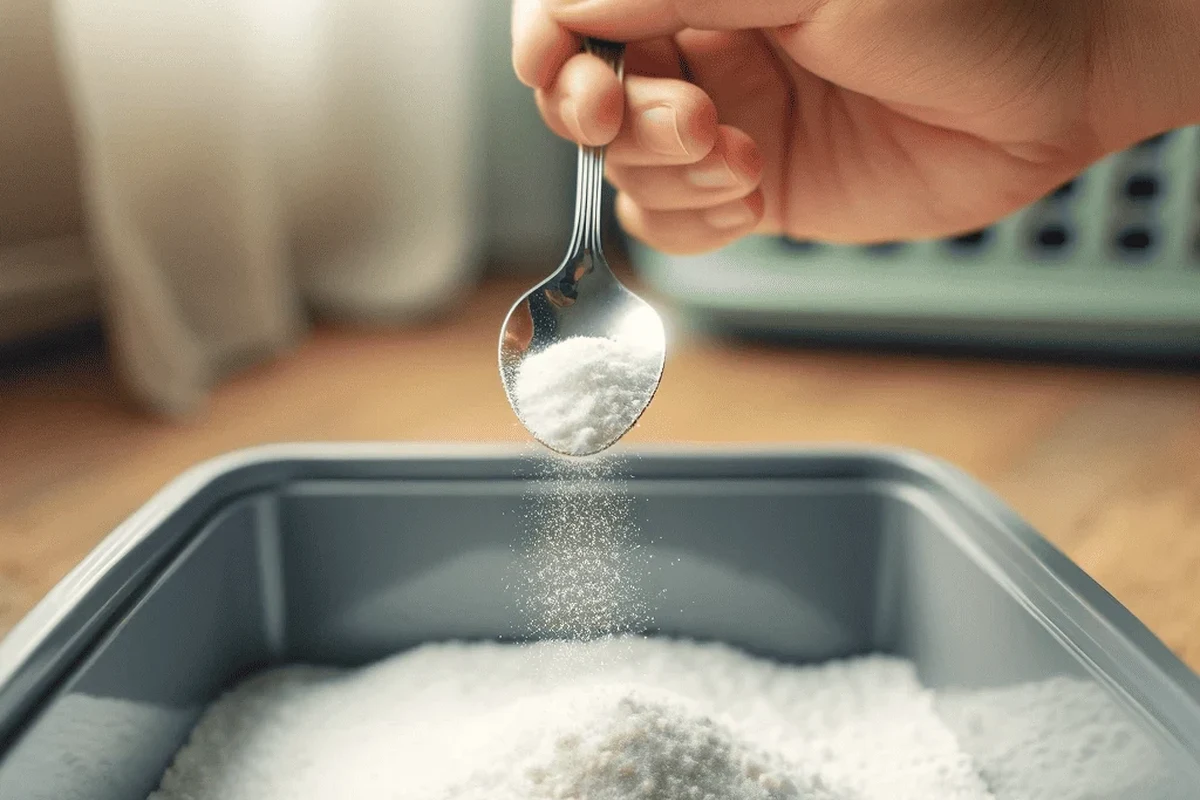
Baking soda works mainly by helping neutralize odor rather than covering it up. That matters because strong perfume can mix with ammonia and waste smells, creating an even harsher scent instead of a cleaner one.
How baking soda helps control odor in litter boxes
Baking soda is mildly alkaline, so it can help reduce some of the acidic odor compounds that build up in a litter box. It also absorbs moisture to a limited degree, which can help slow the spread of smell in the tray.
This does not replace scooping, but it can support a cleaner-smelling box between routine changes. If you have ever used baking soda for smoke odors or even for carpet refresh jobs, the basic idea is similar: it helps manage odor at the surface.
Why cat owners search for baking soda instead of scented litter additives
Many cat owners prefer baking soda because it is simple, inexpensive, and unscented. Some cats dislike strong fragrance, and a lot of scented litter products can be overwhelming in a small room.
People also like that baking soda is easy to find and easy to control. Rather than committing to a heavily perfumed litter, you can adjust the amount you use based on the size of the box and your cat’s comfort.
Baking soda is often used in cleanup jobs because it helps reduce odor without adding much fragrance. In a litter box, that can be an advantage for cats that prefer low-scent environments.
How to Use Baking Soda in Kitty Litter Safely and Effectively
The best results usually come from a light, even layer rather than a heavy pour. Too much can change the texture of the litter, increase dust, or make the box less pleasant for sensitive paws.
Recommended amounts for different litter box sizes
There is no single exact measurement that works for every box because litter depth, box shape, and litter brand all matter. As a general starting point, use a thin sprinkle across the bottom of the box or mix in a small amount with fresh litter, then adjust if needed.
For a standard litter box, many owners begin with a light dusting rather than a thick layer. For larger or multi-cat boxes, you may need a bit more, but the goal is still even coverage, not a visible white blanket.
If your litter is already very dusty, start with less baking soda, not more. Extra powder can make the box feel drier and cloudier, especially when cats dig.
Best way to mix baking soda with clumping and non-clumping litter
For clumping litter, mix a small amount into the fresh litter before pouring it into the box. This helps distribute the powder more evenly so it is less likely to sit in clumps at the surface.
For non-clumping litter, a light mix can also help, but avoid overloading the box with powder. If the litter already has a fine texture, too much baking soda may make the tray feel chalky and encourage tracking outside the box.
- Use unscented baking soda
- Start with a small amount
- Check whether your cat dislikes dusty litter
- Keep the litter box clean on schedule
When to add more and when to replace the litter completely
Adding more baking soda can help when the box still looks clean but odor is starting to build. That said, if the litter is wet, heavily used, or losing clumping strength, it is better to replace the litter rather than keep layering on deodorizer.
A strong smell that returns quickly often points to a cleaning issue, not a baking soda issue. In that case, a full litter change and box wash will do more than any additive.
Benefits of Adding Baking Soda to Cat Litter
Baking soda is popular because it is a simple tool with a few real advantages. It is especially helpful when you want a low-cost way to improve odor control without switching to a strongly scented litter.
- Helps reduce odor without perfume
- Usually inexpensive and easy to find
- Can support freshness between full litter changes
- Can create dust if overused
- Will not fix poor scooping habits
- May bother cats that dislike powdery textures
Odor reduction in multi-cat homes
Multi-cat homes often need more odor control because the box fills faster and ammonia smell can build quickly. Baking soda can help soften that odor between scoops, especially when the box is cleaned often and the litter depth is maintained.
Still, it is only one part of the system. If multiple cats share one box, you may need more frequent scooping, more than one box, or a litter type that holds odor better on its own.
Potential cost savings compared with specialty deodorizers
Baking soda can be more budget-friendly than many specialty litter deodorizers. It is a common household ingredient, so for some families it is an easy first step before trying more expensive products.
If you already buy it for baking or cleaning, the added cost may be minimal. For readers who like simple ingredient-based solutions, it is similar to choosing a basic pantry helper instead of a branded add-on, much like comparing everyday baking soda use with more specialized cleaning products.
How it can support a cleaner-smelling litter area between full changes
When used lightly, baking soda can help the litter area smell fresher for longer. That can be useful in apartments, small laundry rooms, or any spot where odor travels quickly.
It may also help reduce the “stale tray” smell that can linger even after scooping. If the box itself still smells after a refresh, the problem may be residue on the tray or absorbed odor in the plastic, not the litter alone.
Common Mistakes People Make with Baking Soda in Kitty Litter
The biggest mistake is assuming more powder equals better odor control. In practice, too much baking soda can make the box less comfortable and less effective.
Using too much and creating dust or texture issues
Heavy use can make the litter dusty, chalky, or oddly dry. Some cats dislike that texture and may dig less, cover less, or avoid the box altogether.
That matters because litter box behavior is often a comfort issue. If a cat starts hesitating at the box, changing the texture back to something more familiar may solve the problem faster than adding more deodorizer.
Expecting baking soda to fix poor litter box maintenance
Baking soda can help with odor, but it cannot make up for missed scooping or an overfull tray. If waste sits too long, the smell will return no matter how much deodorizer you add.
This is similar to baking: a good ingredient cannot repair a poor process. If the base routine is off, the final result will still suffer.
If your cat suddenly stops using the litter box, has diarrhea, strains, or seems in pain, do not assume odor control is the issue. Contact a veterinarian promptly, because litter box changes can sometimes signal a health problem.
Choosing scented products that may conflict with cat preferences
Some products combine baking soda with fragrance, but that is not always a good fit for cats. Cats can be sensitive to strong smells, and a scented additive may discourage box use even if it reduces odor for humans.
When in doubt, start with plain unscented baking soda and watch how your cat reacts. A neutral-smelling box is often the safest choice for sensitive pets.
Safety, Cat Comfort, and Litter Box Compatibility
Most cats tolerate a light amount of baking soda well, but comfort depends on age, health, and the litter material itself. The best setup is the one your cat will actually use consistently.
What to consider for kittens, senior cats, and sensitive paws
Kittens and senior cats may be more sensitive to texture changes. Very fine powder can feel unpleasant, and older cats with joint pain may already be picky about box comfort.
If your cat has sensitive paws, test the smallest practical amount and observe behavior. A cat that paws at the box less, scratches outside it, or avoids covering waste may be telling you the texture is wrong.
Dust, respiratory concerns, and when to avoid extra additives
Any extra powder can increase airborne dust when the litter is poured or dug. That may matter more in homes with cats or people who have respiratory sensitivity.
If your cat sneezes around the box, or if the room already feels dusty, it may be better to skip baking soda and focus on a lower-dust litter. For health concerns, follow veterinary guidance and, when relevant, product safety instructions from the manufacturer.
Store baking soda away from food-prep ingredients and keep the container closed. Even though it is a common pantry item, the litter box version should stay separate from anything used for cooking.
How litter material affects performance with baking soda
Clumping clay litter often works well with a small amount of baking soda because it already controls moisture and forms compact waste clumps. Non-clumping litters may benefit too, but they can become dusty faster if too much powder is added.
Natural litters vary even more. Pine, paper, corn, and wheat-based products each respond differently, so it is smart to test a small amount first and see whether the litter still feels comfortable and easy to scoop.
Best Practices for Cleaning and Maintaining the Litter Box
Good odor control starts with routine, not additives. Baking soda works best when the litter box itself is already being maintained well.
Daily scooping routine and weekly refresh schedule
Scoop solid waste and urine clumps daily, or more often in a busy home. This lowers odor before it has time to settle into the tray or spread through the room.
Plan a weekly refresh based on the litter type, the number of cats, and the box size. Some homes may need a full change sooner, especially if the litter starts to look damp, broken down, or saturated.
Remove waste before adding anything new. Freshening a dirty box only masks the smell for a short time.
Add a small amount of baking soda if the litter is still usable and not overly dusty or wet.
If your cat avoids the box or tracks more litter, reduce the amount next time.
How to wash the box and prevent odor buildup in the tray itself
Even the best litter can smell if the tray has absorbed odor. Wash the box regularly with warm water and a pet-safe cleaner, then dry it completely before refilling.
A scratched plastic tray can hold smell more easily than a smooth one, so older boxes may need replacement eventually. If you are already cleaning a lot but odor persists, the box material itself may be part of the problem.
Storage tips for keeping baking soda dry and effective
Keep baking soda sealed and dry so it stays free-flowing. Moisture can cause clumping in the container, which makes it harder to sprinkle evenly into the litter.
If you buy a large box for household use, transfer only what you need into a clean, dry scoopable container. That keeps the rest protected from humidity and from accidental contamination.
Baking Soda in Kitty Litter: When It Helps Most and When It Does Not
Baking soda is most useful as a support tool. It works best in homes that already have a decent litter routine and want a little extra odor control.
Real-world examples for apartments, busy homes, and multi-cat households
In an apartment, a light amount of baking soda can help keep the litter area from smelling too strong between cleanings. In a busy home, it can buy you some breathing room when you cannot refresh the box immediately.
In multi-cat households, it can help reduce lingering odor, but only if the box count, scooping schedule, and litter depth are also appropriate. If those basics are off, baking soda will not keep up.
Situations where a different litter, box, or cleaning routine is the better fix
If odor remains strong even after frequent scooping, the better answer may be a different litter formula or a larger box. Some cats also do better with open boxes because covered boxes can trap odor and humidity.
For homes with persistent smell, it may help to look at the whole setup: litter type, box size, number of boxes, ventilation, and cleaning frequency. That approach is more effective than simply adding more powder.
- Start with a small amount of unscented baking soda
- Keep scooping on a daily schedule
- Wash the box regularly
- Adjust based on your cat’s comfort
- Dumping in a thick layer of powder
- Using baking soda to hide a dirty box
- Choosing strongly scented add-ons without testing
- Ignoring changes in litter box behavior
Final Verdict: Is Baking Soda in Kitty Litter Worth Using?
For many cat owners, yes, baking soda in kitty litter is worth trying. It is affordable, simple, and often helpful for mild to moderate odor control when used in a light, even amount.
Practical recap of benefits, limits, and best-use recommendations
The biggest benefits are odor reduction, low cost, and easy use. The biggest limits are dust, texture changes, and the fact that it cannot replace scooping or a proper cleaning routine.
If your cat tolerates it and the litter box is otherwise well maintained, baking soda can be a useful part of the setup. If your cat is sensitive to dust or scent, or if the box still smells strongly after cleaning, a different litter or routine change may work better.
Simple decision guide for choosing whether to add baking soda to your cat’s litter
Use it if you want a low-cost, unscented odor helper and your cat already accepts the litter box well. Skip it if the litter is dusty, your cat dislikes texture changes, or you are dealing with a health or maintenance issue that needs a different solution.
For more general household odor control ideas, you may also find our guides on baking soda for shoe cleaning and baking soda oven cleaning useful. The same basic rule applies in all three cases: start small, use the right amount, and let the cleaning routine do most of the work.
Frequently Asked Questions
Start with a light, even sprinkle rather than a thick layer. The right amount depends on litter box size, litter type, and how dusty the litter already is.
Often, yes, if you want an unscented option. It helps reduce odor without perfume, but it will not replace regular scooping and box cleaning.
A small amount is generally used by many cat owners, but comfort matters. Avoid overuse, watch for dust sensitivity, and check with a veterinarian if your cat has respiratory issues or unusual litter box behavior.
Mixing a small amount into fresh litter usually gives more even coverage. Sprinkling on top can work too, but too much powder may create a dusty surface.
Replace the litter when it becomes wet, heavily used, or loses odor control. Baking soda can help between changes, but it cannot fix litter that is already spent.
Remove the extra powder and return to the previous litter setup. Cats may dislike dust, fragrance, or texture changes, and sudden avoidance can also signal a health issue.