
How to Use Baking Soda Clean Sink Fast and Easy

Baking soda can clean a sink fast when the grime is light and the surface is compatible. Use a gentle scrub, rinse well, and dry the sink for the best finish.
Using baking soda to clean a sink is one of the fastest low-effort cleanup methods for everyday grime. It works well on light stains, soap film, odors, and dull spots, as long as you match the method to the sink material.
- Best use: Works well for everyday stains, soap film, and odors.
- Surface matters: Stainless steel is easiest; stone and specialty finishes need care.
- Technique matters: Gentle pressure and a full rinse prevent residue and scratches.
- Limitations: Heavy scale, rust, and deep stains often need a stronger cleaner.
Why Baking Soda Works for a Fast Sink Clean in 2026
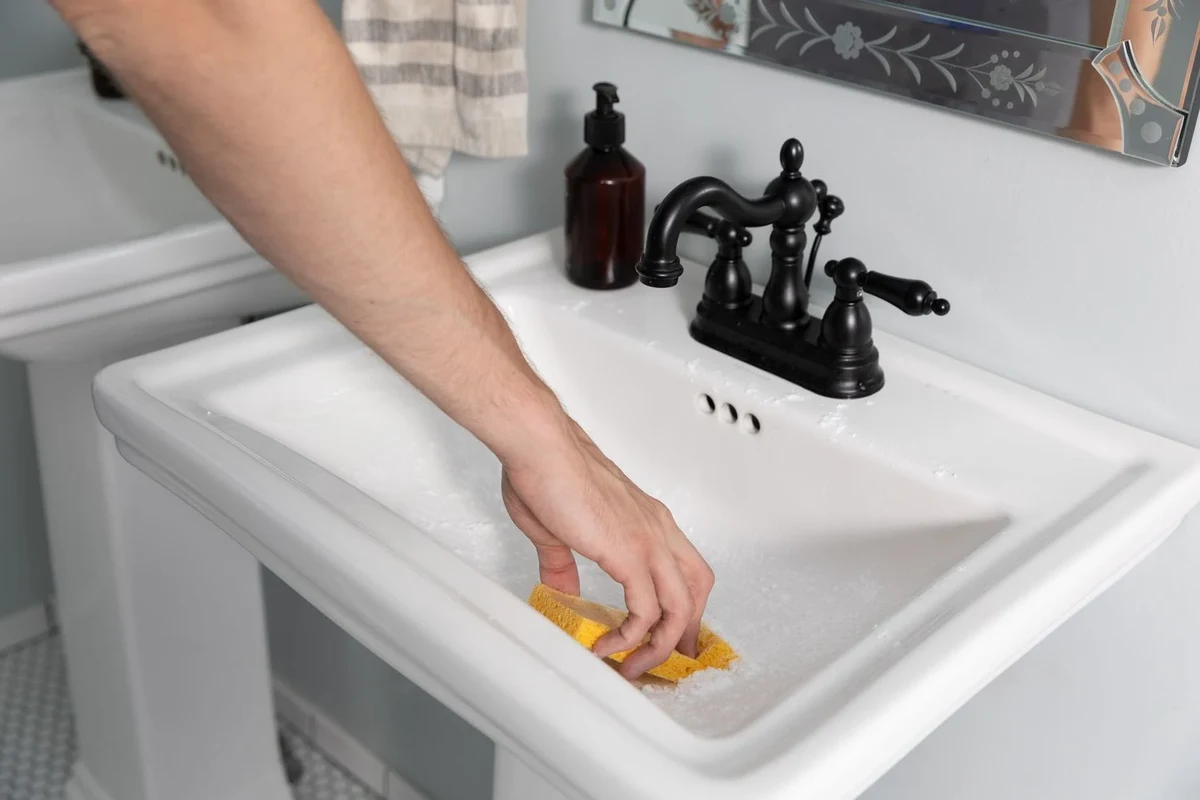
Baking soda is popular because it is simple, inexpensive, and gentle enough for many routine sink jobs. For a quick clean, it gives you deodorizing power, mild scrubbing action, and enough cleaning support to lift everyday residue without the harsh feel of a stronger abrasive.
The science behind deodorizing, loosening grime, and mild abrasion
Baking soda is a mild alkaline powder. That helps it neutralize some acidic odors and loosen sticky buildup from food splashes, toothpaste, and soap residue. Its fine texture also gives light abrasion, which means it can help remove grime without the scratch level of stronger scouring powders.
That is why a baking soda clean sink routine often works best on the kind of mess that builds up during normal daily use. It is especially useful when the sink looks a little dull, smells stale, or has a thin film that a quick wipe does not fully remove.
Baking soda is most effective on light, fresh buildup. Once stains are deeply set, mineral-heavy, or caused by rust, you usually need a stronger cleaner or a specialty product.
When baking soda is enough and when it is not
Baking soda is usually enough for routine sink maintenance, odor control, and surface cleaning. It is a good first choice when the sink is dirty but not damaged, and when you want a fast method that does not require a long soak.
It is not the best answer for heavy limescale, stubborn rust, severe discoloration, or drain clogs. If the sink finish is delicate or the stain is not responding after a gentle pass, stop scrubbing harder and switch methods instead.
What You Need Before You Start Cleaning the Sink
You do not need many supplies. A small set of basic kitchen cleaning tools is enough for most sink jobs, and a careful material check matters more than fancy products.
Baking soda amount, water temperature, sponge, cloth, and optional vinegar
For most sinks, start with a light layer of baking soda rather than a thick pile. Warm water helps loosen grease and soap film, while a non-scratch sponge or soft cloth keeps the finish safer than an abrasive pad.
Vinegar is optional, not required. If you use it, treat it as a separate step and avoid mixing cleaners in a way that creates unnecessary fizzing in a closed drain area. For drain-focused cleaning methods, see our guide on cleaning drains with vinegar and baking soda.
Sink material check: stainless steel, porcelain, composite, and stone
Before you scrub, identify the sink material. Stainless steel usually handles baking soda well, while porcelain and enamel need a lighter touch to avoid wear on the glossy surface. Composite and stone sinks can be more sensitive, so always check the manufacturer’s care instructions when available.
Do not assume every sink can handle the same cleaner or scrubbing pressure. If the manufacturer warns against abrasives, acidic cleaners, or certain brushes, follow that guidance first.
Safety notes for drains, disposals, and mixed cleaners
Be careful around drains and garbage disposals. Baking soda is generally simple to use, but you should avoid combining it with other cleaners unless the product directions say it is safe.
Never mix household cleaners that can react in unsafe ways. If you are unsure about a product, rinse the sink first and use one cleaner at a time. For a broader explanation of the fizzing reaction, our article on baking soda and vinegar reaction explained simply is a helpful reference.
Step-by-Step: How to Use Baking Soda to Clean a Sink Fast
This method is designed for speed, not deep restoration. It works best when you want a sink to look and smell fresher in just a few minutes.
Remove crumbs, loose soap residue, and any standing water. A quick rinse helps baking soda contact the actual grime instead of getting wasted on debris.
Shake a light, even layer of baking soda over the damp sink. Use a soft sponge or cloth to rub in small circles, paying attention to the basin, faucet base, and corners where residue collects.
For stuck-on film or odor, let the baking soda rest for a few minutes before wiping. Do not let it dry into a heavy crust, because that can leave residue behind.
Rinse with warm water until no powder remains. Finish with a dry microfiber cloth for a cleaner look and fewer water spots.
Dry wipe and rinse to remove loose debris
Start by clearing the sink so the powder can work directly on the surface. This small step makes the whole process faster because you are not dragging food bits or hair around while you scrub.
Sprinkle, scrub, and let the baking soda do the work
Apply baking soda generously enough to cover the dirty areas, but not so much that it becomes a thick paste everywhere. Gentle pressure is usually enough for everyday grime, and over-scrubbing can dull some finishes or leave visible swirl marks on softer surfaces.
If the sink has a greasy feel, dampen the sponge first and add a small amount of baking soda to it. That creates better contact and helps the powder spread more evenly across the surface.
Rinse thoroughly and dry for a streak-free finish
Rinsing matters as much as scrubbing. Leftover powder can settle in the drain edge, around the faucet, or along the basin curve and make the sink look cloudy after it dries.
Drying with a clean cloth helps prevent streaks and hard-water spotting. This is especially useful in stainless steel sinks, where water marks can make a freshly cleaned basin look less polished than it really is.
Best Ways to Clean Different Sink Materials Without Damage
The best baking soda method depends on the sink surface. A technique that works beautifully on one material can be too rough or too wet for another.
Stainless steel sinks: shine, scratches, and water spots
Stainless steel is one of the easiest surfaces for baking soda cleaning. Use a soft sponge, follow the grain if visible, and avoid abrasive scrubbers that can create fine scratches or a cloudy look.
For shine, rinse well and dry immediately. Stainless steel tends to show water spots quickly, so the final wipe is not optional if you want the sink to look truly clean.
Porcelain and enamel sinks: stain removal and gentle pressure
Porcelain and enamel can respond well to baking soda when the pressure stays light. These finishes often need a gentler hand because hard scrubbing can wear down the glossy surface over time.
If you see a stain lifting slowly, keep the motion soft and repeat the process rather than pressing harder. That approach is safer for the finish and often gives a cleaner result.
Composite and stone sinks: what to avoid and how to test safely
Composite and stone sinks vary a lot by brand and sealant. Because of that, a small test spot is smart before you clean the whole basin.
Use a damp cloth, a small amount of baking soda, and minimal pressure. Avoid harsh scouring pads and do not leave any cleaner sitting on the surface longer than the care instructions allow.
If your sink is sealed stone or a specialty composite, the safest choice is to follow the manufacturer’s cleaning instructions first. Baking soda may still be fine, but the finish and sealant matter more than the ingredient itself.
Common Sink Problems Baking Soda Can Help With
Many sink problems are not dramatic, but they are annoying. Baking soda is useful because it handles the everyday issues that make a sink look tired before it ever becomes truly dirty.
Food stains, soap film, odors, and light grease buildup
Baking soda can help with tomato splashes, coffee residue, toothpaste film, and the faint greasy feel that builds up in kitchen sinks. It also helps reduce odors, especially when food particles have sat in the basin or near the drain.
For bathroom sinks, it is handy for soap scum, toothpaste drips, and light discoloration around the faucet area. If the sink smells stale, a quick baking soda clean often helps more than plain water alone.
How to handle dullness, discoloration, and hard-water marks
Dullness is often caused by a thin layer of residue, not permanent damage. Baking soda can remove that layer and restore some brightness, but it will not erase every mineral mark or etched stain.
Hard-water spots may need repeated gentle cleaning or a different product depending on the mineral buildup. If the mark does not change after a careful pass, the issue may be mineral scale rather than simple grime.
Practical examples for kitchen and bathroom sinks
In the kitchen, baking soda is useful after meal prep when the sink has food splatter and a faint onion or garlic odor. In the bathroom, it works well after brushing teeth or washing hands when the basin has a film that plain soap missed.
If you also want to freshen a nearby rug or mat, our guide on baking soda on carpet clean refresh fast shows a similar light-duty approach. For odor control in another common household area, you may also like baking soda for smoke odors.
Mistakes That Make Baking Soda Cleaning Less Effective
A fast sink clean can fail for simple reasons. Most problems come from either too much force, the wrong product pairing, or leaving residue behind.
Using too little product or scrubbing too aggressively
If you use only a dusting of powder, it may not cover the grime evenly. On the other hand, if you scrub too hard, you may scratch the finish or push residue into seams and corners instead of lifting it away.
The sink still looks dull after cleaning.
You may have used too little baking soda, too little water, or too much pressure. Reapply a light layer, use a damp sponge, and clean in small sections.
Mixing baking soda with the wrong cleaners
Do not combine cleaners unless you know the products are compatible. Mixing can reduce effectiveness, create extra fumes, or leave you with a mess that is harder to rinse away.
If you want a vinegar-based method, keep it controlled and simple. For a deeper explanation of how the ingredients behave together, the article on baking soda vinegar cleaning ovens can help you understand when that pairing is useful and when it is not.
Leaving residue behind or forgetting the drain area
Powder left in the drain lip, around the faucet base, or in the sink corners can dry into a visible film. That makes the sink look less clean even after you have done the work.
Always rinse thoroughly and finish with a dry cloth. If the drain area smells off, a separate drain-cleaning step may be needed rather than more surface scrubbing.
How to Keep the Sink Cleaner for Longer
The easiest way to make baking soda work better is to clean before buildup gets thick. A little maintenance goes farther than an occasional heavy scrub.
Daily wipe-down habits and weekly maintenance routine
At the end of the day, rinse the sink, clear food scraps, and wipe the basin dry if possible. That simple habit reduces soap film, slows odor buildup, and keeps the surface ready for a quick baking soda refresh.
Once a week, use baking soda for a light clean if the sink sees regular use. That schedule is usually enough for many kitchens and bathrooms, but busy households may need it more often.
How often to use baking soda for regular cleaning
There is no single rule that fits every home. Frequency depends on sink material, how often the sink is used, the type of residue it collects, and whether hard water is part of the problem.
If the sink starts to feel slippery or look cloudy, that is usually a good sign it is time for another quick clean. For more frequent odor-related cleaning in other household areas, you may also find our baking soda for shoes cleaning guide useful because it uses the same freshening principle.
Storage and freshness tips for your baking soda box or container
Keep baking soda sealed in a dry place so it does not absorb odors or moisture from the air. A fresh, dry box or container performs better than one that has been open for months in a humid cabinet.
If the powder has clumped badly or picked up a strong smell, replace it for cleaning use. For pantry basics, freshness matters more than brand name when the job is simple and routine.
Final Verdict: Is Baking Soda the Fastest Easy Sink-Cleaning Option?
For many everyday sink jobs, yes, baking soda is one of the fastest easy options. It is especially good when you want a quick refresh, a mild scrub, and a cleaner smell without reaching for a stronger product.
When it is the best choice for quick cleaning
Baking soda is a strong choice when the sink has light grime, soap film, odor, or a dull finish from daily use. It is also ideal when you want a low-drama cleaning method that uses common kitchen supplies.
When to switch to a stronger cleaner or specialty product
Switch products if you are facing rust, heavy scale, stubborn stains, or a finish that is sensitive to abrasion. In those cases, a specialty cleaner made for the sink material often saves time and protects the surface better than repeated scrubbing.
Simple recap for choosing the right method based on sink condition
If the sink is lightly dirty, baking soda is usually fast, easy, and effective. If the problem is deeper, mineral-based, or material-specific, use the right specialty cleaner instead of pushing the baking soda method past its limits.
For routine maintenance, baking soda is one of the best first-step sink cleaners because it is gentle, practical, and easy to use. For damage, heavy buildup, or delicate materials, check the sink care guide and choose a more targeted product.
Frequently Asked Questions
Use a light, even layer over the damp sink. You usually do not need a thick pile unless you are treating a stubborn spot.
Baking soda is often safe for stainless steel, porcelain, and many composite sinks, but stone and specialty finishes can vary. Always check the manufacturer’s care instructions first.
You can use vinegar in some cleaning routines, but it is not required for a basic sink clean. Do not mix cleaners unless the method is safe for the surface and the product directions allow it.
Cloudiness often comes from leftover powder, hard-water marks, or a finish that needs a different cleaner. Rinse well, dry the sink, and switch methods if the problem is mineral buildup.
For many homes, a weekly light clean is enough, with quick wipe-downs in between. Use it more often if the sink gets heavy daily use or picks up odors quickly.
Baking soda is generally simple to use around drains, but you should avoid mixing it with incompatible cleaners. If you have a disposal, follow the appliance manual and rinse thoroughly after cleaning.