
Baking Soda in Oven Dangerous What You Need to Know

Baking soda in the oven is usually safe when it is used as a cleaner on cool surfaces and wiped away completely. It becomes a problem when it is heated, left as residue, or mixed with the wrong chemicals.
Many home bakers reach for baking soda when an oven smells stale or has greasy spills, but the phrase “baking soda in oven dangerous” can sound more alarming than the usual kitchen reality. In most cases, baking soda is safe when used the right way on cool oven surfaces, but it can become a problem if it is overheated, mixed with the wrong chemicals, or left behind as residue.
- Safe use: Use baking soda only on cool oven surfaces and remove it fully before reheating.
- Main risk: Thick residue, smoke, and chemical mixing cause most problems, not baking soda alone.
- Surface limits: Avoid heating elements, seals, specialty finishes, and surfaces restricted by the manual.
- Best practice: Ventilate, wear gloves, and test a hidden spot if the finish is unfamiliar.
Why People Put Baking Soda in the Oven and What It Is Actually Used For
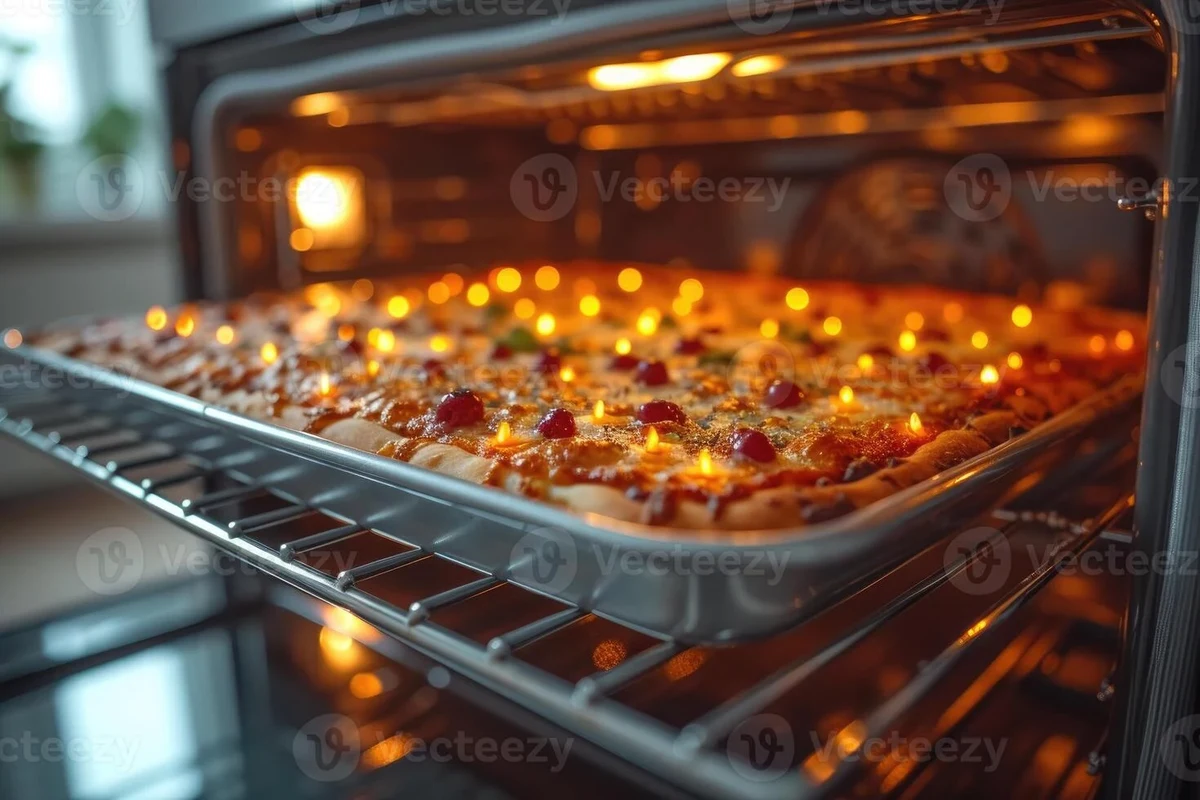
Baking soda is mainly used as a mild cleaner and deodorizer, not as an oven repair product or a heat-treatment ingredient. People use it because it can help loosen stuck-on grease, absorb sour odors, and make a dirty oven easier to wipe down after it has cooled.
Cleaning spills, deodorizing, and neutralizing odors
When baking soda meets acidic or strongly smelly residue, it can help reduce odor and soften some buildup. That is why it shows up in many kitchen-cleaning routines, especially after a spill from pie filling, butter, cheese, or roasting drips.
It is also popular because it is inexpensive, easy to find, and gentler than many heavy-duty commercial oven cleaners. For readers comparing cleaning methods, our guide on baking soda vinegar cleaning ovens explains how this common combo is often used for surface cleaning, though it still needs careful handling.
How baking soda differs from baking powder, self-cleaning cycles, and oven cleaners
Baking soda is sodium bicarbonate. Baking powder contains baking soda plus acids and starch, so it behaves differently in baking and is not a better oven cleaner just because it sounds similar. If you want a clear breakdown of the two ingredients, see is baking soda and baking powder the same.
Self-cleaning cycles and commercial oven cleaners are designed for different jobs. Self-cleaning ovens use very high heat to burn off residue, while commercial cleaners rely on stronger chemicals meant for specific appliance surfaces. Baking soda is a light-duty helper, not a replacement for either one.
Baking soda starts to lose carbon dioxide as heat rises, which is why it works differently in an oven than it does on a countertop. That heat response is one reason it should be used as a cleaner on cool surfaces, not as a product to “bake in” during normal oven use.
Is Baking Soda in the Oven Dangerous?
The short answer is usually no, not when it is used properly for cleaning a cool oven. The risk comes from misuse: leaving thick paste on hot parts, combining it with other cleaners, or ignoring manufacturer instructions for your specific appliance.
When it is generally safe to use dry baking soda on oven surfaces
Dry baking soda is generally low risk when sprinkled lightly on a cool, unplugged, or fully cooled oven surface for odor control or a quick wipe-down. It is still important to keep it away from electrical parts, exposed heating elements, and anything that can trap powder in a way that may later smoke or grit up the oven.
Situations that can become risky: high heat, residue buildup, and mixed chemicals
Problems usually start when baking soda paste is left in thick layers and then exposed to heat. That residue can dry hard, leave a chalky film, or create smoke if grease and cleaner buildup are still present.
It becomes more concerning if baking soda is mixed with bleach, ammonia, or other cleaners. Those combinations can create unsafe fumes or unpredictable reactions, so it is best to avoid them entirely. If you want a simple explanation of the classic fizzing reaction, our article on baking soda and vinegar reaction explained simply shows why that mixture is common for cleaning but still needs ventilation and common sense.
What “dangerous” means in real-world kitchen use versus internet warnings
Online warnings often use the word “dangerous” loosely. In a real kitchen, the main concerns are surface damage, smoke, residue, and chemical misuse rather than dramatic hazards from baking soda itself.
That said, any oven-cleaning method deserves caution. Heat, grease, and cleaning agents can all become a problem if the appliance is not fully cooled, if the room is poorly ventilated, or if the oven has an electrical issue already in place.
If your oven smells like burning plastic, sparks, or electrical insulation, stop using it and contact the manufacturer or a qualified appliance technician. Baking soda will not fix wiring problems, damaged elements, or control-board failures.
How Baking Soda Reacts to Heat Inside an Oven
Baking soda reacts to heat by breaking down as temperatures rise. In cooking, that is useful when it is part of a batter or dough, but in oven cleaning it means leftover powder or paste is not meant to be heated as a maintenance treatment.
Temperature range where baking soda starts to break down
Baking soda begins to decompose at relatively high oven temperatures, releasing carbon dioxide and leaving sodium carbonate behind. The exact behavior depends on how much moisture is present, how thick the residue is, and how hot the oven gets, so there is no single “safe” leftover amount to rely on.
That is why a light wipe is fine, but a crusty layer is not. If you are cleaning because of repeated spills, it helps to understand the difference between a quick maintenance wipe and a deeper cleaning session.
What happens to residue, fumes, and cleaning paste when exposed to heat
When baking soda paste dries on an oven wall, it can turn chalky and cling to corners, seams, or rack grooves. Once heated, that residue may smoke slightly if it is sitting on grease, or it may simply leave a white film that is hard to remove later.
Any visible fumes are usually coming from baked-on grease or leftover cleaning products, not from baking soda alone. Still, smoke inside an oven should be treated seriously because it can signal overheating, residue buildup, or a surface that was not cleaned well enough before reheating.
Why baking soda is not a substitute for heat-safe oven maintenance methods
Baking soda is a cleaning aid, not a maintenance system. It cannot replace proper oven care such as wiping spills early, checking door seals, using the self-clean function only as directed, or following the manufacturer’s approved cleaner list.
For any appliance, the manufacturer’s care instructions should come first. Oven finishes, coatings, and self-cleaning features vary by model, so a method that works on one oven may damage another.
Safe Ways to Use Baking Soda for Oven Cleaning
If you use baking soda correctly, it can be a practical way to clean a greasy oven without harsh scrubbing. The key is to work on a cool surface, use a thin paste, and remove every trace before heating the oven again.
Using a baking soda paste on cool oven walls and racks
Mix baking soda with a small amount of water until it forms a spreadable paste. Apply it to cool oven walls, the oven floor, and removable racks, but avoid heating elements, fans, seals, and any exposed wires.
For racks, it is often easier to remove them first and clean them separately in a sink or tub. That gives you better control and keeps gritty paste away from delicate interior parts.
How much to apply, how long to let it sit, and how to wipe it out properly
Use enough paste to cover the grime, but not so much that it forms thick clumps. A thin, even coat is easier to remove and less likely to leave residue behind.
Let it sit long enough to soften the grease, which may vary based on how dirty the oven is. Then wipe with a damp cloth, rinse the cloth often, and finish with a clean water wipe so no powder remains. Dry the surfaces before turning the oven back on.
Make sure the oven is off, fully cooled, and free of loose crumbs or pans before cleaning.
Spread baking soda paste only on safe surfaces, keeping it away from elements, seals, and controls.
Remove the paste with damp cloths, then wipe again with clean water to prevent chalky residue.
Practical example of cleaning a greasy home oven without damaging finishes
For a typical home oven with baked-on splatter, a reasonable approach is to remove the racks, apply a thin baking soda paste to the dirty walls, and let it sit while you clean the racks separately. After that, wipe the oven several times with damp cloths until the surface feels smooth rather than dusty.
This method is especially useful on older ovens with moderate grease buildup, where you want to avoid strong fumes. It is still smart to test a small hidden area first if your oven has a special coating, colored enamel, or a finish you are unsure about.
Wear gloves and keep the kitchen ventilated while cleaning. If you use any cleaner near the oven, never mix products unless the label specifically says it is safe.
Common Mistakes That Make Oven Cleaning with Baking Soda a Problem
Most baking soda problems come from overuse, not from the ingredient itself. A small amount used carefully is usually manageable, while heavy paste and rough scrubbing can create more work than they solve.
Applying too much paste and leaving gritty residue behind
Too much baking soda can dry into a gritty film that clings to corners and rack tracks. If that residue stays behind, it can become visible the next time the oven heats up and may feel chalky to the touch.
To avoid this, use less paste than you think you need and rinse more than once. A clean cloth and fresh water wipe are often the difference between a polished finish and a dusty one.
Using it on heating elements, seals, or self-cleaning oven interiors
Heating elements and door seals are not good places for any paste cleaner. Baking soda can get trapped in seams, interfere with seals, or leave a residue where heat is concentrated.
Self-cleaning interiors also deserve caution because manufacturers often give specific warnings about what can and cannot touch those surfaces. If your oven has a special cleaning cycle, read the manual before applying any paste or spray.
Mixing baking soda with the wrong cleaners or scrubbing too aggressively
Mixing baking soda with bleach or ammonia is unsafe and should be avoided. Even vinegar, while common in cleaning, should be used carefully and in a well-ventilated space because the reaction can foam and spread liquid into places you do not want it.
Scrubbing too hard can also damage enamel, glass, or specialty coatings. Gentle pressure is usually enough once the paste has had time to soften the grime.
White streaks remain after cleaning and reappear when the oven heats.
Use fewer paste clumps, wipe with clean damp cloths several times, and dry the surfaces fully before turning the oven on.
When Baking Soda Should Not Go in the Oven at All
There are times when baking soda is the wrong choice, even if it seems convenient. In those cases, the safest decision is to use a method approved by the appliance maker or to call for service.
Self-cleaning and steam-cleaning oven warnings from manufacturers
Some self-cleaning and steam-cleaning ovens have finish restrictions, temperature limits, or cleaning-cycle rules that make outside products unnecessary or risky. Manufacturer instructions matter here because the wrong cleaner can interfere with sensors, coatings, or the cycle itself.
If your manual says not to use abrasive powders or certain household cleaners, follow that guidance. Baking soda is mild, but “mild” does not automatically mean “approved for every oven surface.”
Convection, toaster ovens, and specialty finishes that may need different care
Convection ovens, toaster ovens, and compact countertop ovens often have tighter spaces and more exposed parts. Baking soda paste can be harder to rinse out of these units and may settle near fans, heating coils, or door edges.
Specialty finishes such as matte black interiors, self-cleaning enamel, or coated glass may also need a different approach. When in doubt, choose the least aggressive cleaner first and test it in a hidden spot.
Signs of damage, corrosion, or electrical issues that require professional service
If you see rust, flaking enamel, loose wiring, a damaged seal, or a heating element that glows unevenly, stop using cleaning experiments and get the oven checked. Those are maintenance or safety issues, not dirt issues.
Cleaning products should never be used to mask appliance failure. If the oven is sparking, tripping a breaker, or heating unevenly, professional service is the safer path.
Best Practices for Oven Safety, Cleaning, and Maintenance in 2026
Good oven care is mostly about prevention. The more often you wipe spills early, the less likely you are to need harsh cleaners or long scrubbing sessions later.
Ventilation, cooling time, gloves, and surface testing before use
Always let the oven cool completely before cleaning. Open a window or turn on the range hood if you are using any cleaner, and wear gloves if your skin is sensitive to drying powders or prolonged water exposure.
Before using baking soda on a visible surface, test a small hidden area if the finish is unfamiliar. This is especially important on specialty interiors, older appliances, or ovens with manufacturer warnings about abrasives.
How to choose between baking soda, vinegar, commercial cleaners, and professional cleaning
Baking soda is a good choice for light to moderate grease and odor control. Vinegar can help with certain cleaning tasks, but it is not a universal fix, and commercial oven cleaners may be better for heavy carbon buildup if the label says they are safe for your oven.
If you are deciding between methods, think about the finish, the amount of buildup, and how much ventilation you have. For a deeper comparison of ingredient behavior, our article on can you use baking soda instead of baking powder safely is helpful for understanding why similar-looking ingredients do very different jobs.
Simple maintenance habits that reduce the need for harsh oven cleaning
Wipe spills after the oven cools, use a baking sheet or lined pan to catch drips when appropriate, and avoid letting sugar-heavy fillings caramelize onto the oven floor. Small habits make a big difference because baked-on sugar and fat become much harder to remove after repeated heating.
It also helps to inspect the oven door seal and racks regularly. Clean parts work better, and a well-maintained oven gives more even heat for baking pastries, which is important when you need consistent results for cookies, tarts, or laminated doughs.
- Use baking soda on a fully cooled oven
- Wipe away every trace of residue
- Follow the appliance manual first
- Ventilate the kitchen while cleaning
- Mixing cleaners without checking labels
- Putting paste on heating elements or seals
- Heating the oven before residue is removed
- Using abrasive scrubbing on delicate finishes
Final Verdict: When Baking Soda Is Helpful and When It Is Not Worth the Risk
Baking soda is helpful for oven cleaning when you use it on cool surfaces, in a thin layer, with good ventilation, and with careful cleanup. It is not worth the risk when the oven has electrical problems, specialty finishes, self-cleaning restrictions, or residue that you cannot fully remove.
Recap of safe use, limitations, and warning signs to watch for
The safe version is simple: cool oven, small amount of paste, gentle wiping, and no mixing with risky chemicals. The warning signs are also simple: smoke, gritty residue, damaged seals, unusual smells, or anything electrical that seems off.
How home bakers and pastry students should decide the right cleaning method
Home bakers and pastry students should choose the least aggressive method that still gets the job done. If the oven only needs deodorizing or light grease removal, baking soda is often enough; if the oven has heavy buildup or a manufacturer warning, another method or professional service is the better choice.
For pastry work, a clean oven matters because even heating and a residue-free interior help with reliable browning, puff, and texture. Good maintenance supports better baking, but safety and the appliance manual should always come first.
Baking soda in the oven is usually not dangerous when it is used as a cleaning aid on cool surfaces and wiped away completely. It becomes risky when it is heated, mixed with the wrong chemicals, or used on parts and finishes that the manufacturer says to protect.
Frequently Asked Questions
Baking soda is not usually dangerous by itself, but it should not be left in thick residue and heated on purpose. The bigger risks are smoke, leftover grit, and mixing it with the wrong cleaners.
Yes, baking soda paste can help loosen grease on removable racks. Rinse and dry them well so no white residue remains before putting them back.
You can use them in a cleaning routine, but the fizzing reaction should not be treated as a stronger cleaner. Use good ventilation and avoid mixing either product with bleach or ammonia.
It can, if you scrub too hard or leave gritty residue on delicate surfaces. Always check the manufacturer manual for special coatings, self-cleaning interiors, and approved cleaners.
Wipe the surface with a damp cloth, rinse the cloth often, and repeat with clean water until the chalky film is gone. Dry the oven fully before turning it back on.
Call for service if you see sparks, burning electrical smells, damaged seals, rust, or uneven heating. Baking soda cannot fix appliance problems and should not be used to cover them up.