
Cleaning Toilet Bowl with Vinegar and Baking Soda Tips

Vinegar and baking soda can help clean a toilet bowl when the stain is light and the goal is routine maintenance. They work best with brushing and soak time, but they are not strong enough for every hard water or rust stain.
Cleaning toilet bowl with vinegar and baking soda is a simple DIY option for light buildup, odor control, and routine maintenance. It is not a miracle cleaner, but it can be a useful low-cost step when you want a gentler approach before reaching for stronger products.
- Best use: Light stains, odor control, and regular upkeep.
- Main limit: Hard water rings, rust, and deep limescale often need stronger cleaners.
- Safety first: Never mix this method with bleach, ammonia, or other toilet chemicals.
- Most important step: Brush the bowl well; the fizz alone does not do the full job.
Why Baking Soda and Vinegar Became a Popular Toilet Cleaning Method
This method became popular because it is inexpensive, easy to find, and familiar to most households. It also fits a “less harsh chemicals” mindset that many people prefer in 2026, especially for everyday cleaning jobs where a heavy-duty cleaner may feel like overkill.
If you want a clearer explanation of the chemistry behind the fizz, our guide to the baking soda and vinegar reaction breaks down what happens in plain language. The short version is that the reaction creates bubbles and movement, which can help loosen fresh residue, but it does not automatically disinfect or dissolve every type of stain.
What the fizzing reaction actually does to grime and mineral buildup
When baking soda and vinegar meet, they react and release carbon dioxide bubbles. That fizz can help lift loose dirt, soap residue, and some soft buildup from the toilet bowl surface.
It works more like agitation than deep cleaning. The bubbles may help disturb grime, but the real cleaning still depends on contact time and brushing, especially around the waterline and under the rim.
Baking soda is mildly abrasive, so it can help scrub away residue without the harsh feel of some stronger powders. That said, mineral deposits like limescale usually need more than fizz alone.
Why this DIY method appeals to budget-conscious and eco-minded households in 2026
Many people like this approach because both ingredients are common pantry staples and do not require a special trip to the store. It can also feel simpler to use a basic household cleaner rather than a product with a stronger scent or a long ingredient list.
For readers who already use baking soda around the home, this method fits well with other practical cleaning tasks such as cleaning drains with vinegar and baking soda or freshening areas where odors linger. The main appeal is convenience, but convenience should not be confused with maximum cleaning power.
When This Cleaning Method Works Best and When It Falls Short
Vinegar and baking soda are best used for light, regular cleaning rather than severe buildup. Think of it as a maintenance method: helpful for keeping a toilet fresher between deeper cleanings, but not always enough for long-term mineral stains.
Best use cases: light stains, odor control, and routine maintenance
This method is a good fit when the bowl has mild discoloration, a slight odor, or visible residue that has not had time to harden. It can also be useful after a normal week of use when the toilet does not need a full reset.
Because baking soda helps neutralize odors and vinegar can loosen some surface film, the combination may leave the bowl smelling cleaner after a proper scrub. The result is usually a cleaner-looking bowl, not a sterile one.
Limitations for hard water rings, rust, and deep limescale buildup
Hard water rings and limescale are tougher because they are mineral deposits, not just dirt. Vinegar can help soften some of that buildup, but thick rings often need a longer soak, repeated treatment, or a different product made for calcium and lime.
Rust stains are also tricky. If the stain is deep orange or brown and has been there for a while, this DIY method may improve it slightly, but it may not remove it completely.
Common situations where a commercial cleaner or pumice tool may be necessary
If the bowl has heavy scale, stubborn rust, or stains that return quickly after cleaning, a commercial toilet bowl cleaner may be the better choice. In some cases, a pumice stone designed for toilets can help with mineral rings, but it must be used carefully to avoid scratching glazed surfaces.
Never mix vinegar and baking soda with bleach, ammonia, or other cleaners. Mixing chemicals can create dangerous fumes or reduce the effectiveness of the product you are using.
Supplies, Measurements, and Safety Checks Before You Start
Before you begin, gather the basic supplies and make sure the area is safe to clean. A little preparation helps the method work better and keeps splashes and accidental chemical mixing under control.
Recommended baking soda and vinegar amounts for a standard toilet bowl
For a standard bowl, a common starting point is about 1 cup of baking soda followed by 1 to 2 cups of white vinegar. The exact amount is not fixed; it depends on bowl size, how much standing water is in the bowl, and how much buildup you are treating.
If the toilet is only lightly soiled, you may not need the larger amount. If the bowl is more heavily stained, you may need a longer soak rather than simply adding more product.
Optional tools: toilet brush, microfiber cloth, gloves, and measuring cup
A toilet brush is the most important tool because the fizz alone will not remove stuck-on residue. A microfiber cloth is useful for wiping the seat, lid, and exterior surfaces after the bowl is done.
Gloves are a smart choice for hygiene, and a measuring cup helps you use a consistent amount instead of guessing. Consistency matters because too little liquid may not reach the problem area, while too much can lead to unnecessary splashing.
Safety precautions around splashing, ventilation, and mixing with other cleaners
Open a window or run the bathroom fan if possible, especially if you are sensitive to strong smells. White vinegar has a sharp odor, and the reaction can create a burst of foam that may splash if you pour too quickly.
Keep all other cleaners out of the bowl before you start. If you recently used bleach tablets or another toilet product, flush thoroughly and wait before using vinegar and baking soda.
Step-by-Step Method for Cleaning the Toilet Bowl with Vinegar and Baking Soda
This is a simple process, but the order matters. Adding the baking soda first helps it settle on the bowl surface before the vinegar reacts, which gives you more useful contact than dumping everything in at once.
Preparing the bowl and removing excess water if needed
Start by flushing the toilet so the bowl is as clean as possible before treatment. If there is very high water in the bowl, you can gently reduce it with a toilet brush push or by carefully scooping a little out, but do not overdo it.
The goal is to expose more of the stained surface. If the waterline stain is high, a lower water level can help the solution cling to the area longer.
Adding baking soda first, then vinegar, and allowing the reaction to work
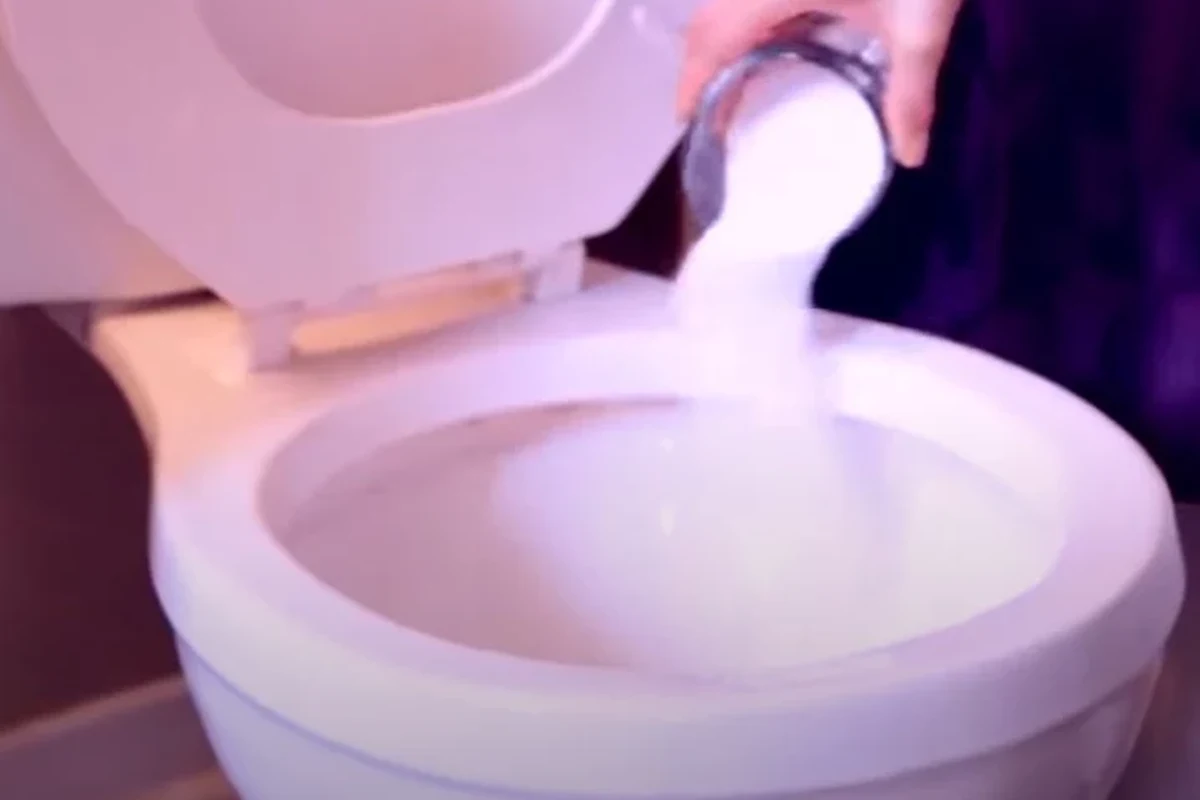
Sprinkle the baking soda into the bowl, aiming for the stained areas and the waterline. Then slowly pour the vinegar around the bowl so it spreads across the surface instead of foaming up in one spot.
You should see bubbling right away. That fizz is useful, but it is only part of the job; it helps loosen residue so the brush can do the real removal work.
If the toilet is very dry or the stain sits above the waterline, lightly wet the area first so the baking soda can stick better. This small step can improve coverage.
Scrubbing technique for the bowl, rim, and under-the-rim jets
Use a firm toilet brush and work in circles around the bowl. Pay special attention to the waterline, the underside of the rim, and the jet holes where grime often collects.
For the rim jets, angle the brush or use a cloth-wrapped tool carefully if needed. These areas are easy to overlook, and that is often where odor and staining come back first.
Recommended dwell time before flushing for better results
Let the mixture sit for at least 10 to 15 minutes for light cleaning. For more stubborn residue, a longer dwell time of 30 minutes or more may help, depending on the stain and how much vinegar you used.
After soaking, scrub again and then flush. If the bowl still looks dull or stained, repeat the process rather than assuming the first round should solve everything.
Check where the stain sits and whether the bowl needs a light water reduction.
Cover the bowl surface, especially the waterline and stained spots.
Let the fizz spread across the bowl instead of splashing upward.
Brush thoroughly, then allow a short soak before flushing.
How to Tackle Stains, Odors, and Mineral Deposits More Effectively
The best results usually come from combining the reaction with patience and brushing. If you treat the toilet like a quick one-minute job, you will probably get only a modest improvement.
Using longer soak times for stubborn discoloration
For older stains, a longer soak can make a noticeable difference because the vinegar has more time to soften the deposit. This is especially helpful for dull discoloration that has built up gradually rather than a single dramatic stain.
Still, longer soak time is not unlimited power. If the stain is mineral-heavy, you may need to repeat the process or switch to a cleaner designed for limescale.
Addressing urine odors and buildup around the waterline
Urine odor often comes from residue around the bowl edge, under the rim, or on nearby surfaces, not just from the water itself. That is why brushing the full bowl and wiping the seat, hinge area, and exterior can matter just as much as the fizzing reaction.
If odors keep returning, check the hidden spots around the toilet base and the hinge area. A fresh bowl can still smell if the surrounding surfaces were skipped.
Practical examples for weekly maintenance versus deep cleaning
For weekly maintenance, one quick treatment with a short soak may be enough to keep the bowl presentable. For deep cleaning, use the same method as a first pass, then follow with a second scrub or a stronger cleaner if needed.
This is similar to using baking soda for other home tasks: it is often best as part of a routine, not as the only answer. If you are interested in other stain-focused uses, see our guide on baking soda for yellow stains for a broader look at how it behaves on discoloration.
Common Mistakes People Make with Vinegar and Baking Soda
Most complaints about this method come from unrealistic expectations or skipped steps. The ingredients are useful, but they are not a stand-alone solution for every toilet problem.
Using the wrong ratio and expecting instant whitening
Some people use too little product and then wonder why nothing changed. Others use a large amount and expect the bowl to turn bright white immediately, which is not how this method works.
A balanced amount plus brushing is usually better than overpouring. The goal is gradual cleaning, not an instant cosmetic makeover.
Mixing it with bleach or other chemicals
This is one of the most important mistakes to avoid. Even if the bowl looks dirty, do not add vinegar and baking soda on top of bleach residue or other toilet chemicals.
If you use a commercial product first, rinse and flush thoroughly before switching methods. When in doubt, read the product label and follow the manufacturer’s directions.
Relying on the fizz alone without brushing
The fizz may look active, but bubbles do not replace friction. A brush is what removes loosened grime from the bowl surface.
If you skip brushing, the bowl may look briefly cleaner but still hold onto stains and odors. That is why this method is more effective as a two-part process: reaction plus scrubbing.
Overlooking the toilet tank, seat hinges, and surrounding surfaces
The bowl is only part of the bathroom cleaning job. The tank lid, seat hinges, flush handle, and the floor around the base can all hold splashes or residue that affect the overall cleanliness of the toilet area.
Wiping those areas with a damp cloth after you finish the bowl helps complete the job. For a more detailed comparison of how baking soda and vinegar perform on other surfaces, our article on baking soda and vinegar cleaning ovens shows where the same logic works and where it does not.
How This DIY Approach Compares with Other Toilet Cleaning Options
There is no single best toilet cleaner for every situation. The right choice depends on the stain type, how often you clean, and whether you prefer a low-cost DIY approach or a stronger commercial product.
- Low cost and easy to find
- Useful for light stains and odor control
- Gentler feel than many harsh cleaners
- Limited on hard water, rust, and scale
- Requires brushing and patience
- Not a substitute for disinfection when that is needed
Comparison with commercial toilet bowl cleaners, disinfecting wipes, and pumice stones
Commercial toilet bowl cleaners are usually better for heavy stains and often include ingredients designed for stronger cleaning or disinfection. Disinfecting wipes are convenient for the seat and exterior, but they are not the best tool for inside-the-bowl buildup.
Pumice stones can remove stubborn mineral rings, yet they must be used carefully to avoid damage. For many households, vinegar and baking soda sit in the middle: cheaper and gentler than some products, but less powerful than specialty cleaners.
Choosing the right method based on stain type, cleaning frequency, and household preferences
If you clean weekly and only need light maintenance, this DIY method may fit well. If your water is hard, the toilet is older, or stains return quickly, a targeted commercial product may save time.
Cost, convenience, and environmental tradeoffs in 2026
For many households, the biggest advantage is that baking soda and vinegar are already on hand or easy to buy in small quantities. The tradeoff is that you may spend more time scrubbing and repeating the process if the toilet needs a deeper clean.
That is why some people reserve this method for maintenance and keep a stronger cleaner for monthly or seasonal deep cleaning. It is a practical compromise rather than an all-purpose solution.
Final Verdict: Is Vinegar and Baking Soda a Good Toilet Bowl Cleaning Solution?
Yes, it can be a good toilet bowl cleaning solution for light stains, odor control, and regular upkeep. It is especially useful when you want a low-cost routine method and do not need heavy-duty stain removal.
Best-fit scenarios for using this method as part of a routine cleaning plan
Use it when the toilet is generally clean but needs a refresh. It works best as part of a regular schedule, not as a rescue method for years of buildup.
If you already use baking soda for other household tasks, this is an easy extension of that routine. The same ingredient can be helpful in different cleaning jobs, but the method should always match the surface and the stain.
When to switch to stronger products or professional help
Switch to a commercial cleaner, pumice tool, or professional service if you are dealing with thick limescale, rust, recurring odors, or stains that do not improve after repeated cleaning. If the toilet itself has damage, hidden leaks, or persistent odor from the drain or wax ring, cleaning alone will not solve the problem.
Simple recap of the safest and most effective way to use it
For the safest and most effective approach, flush first, add baking soda, pour in vinegar slowly, let it fizz, scrub thoroughly, and allow a short soak before flushing again. Keep the area ventilated, never mix it with bleach or other chemicals, and remember that brushing does most of the real work.
Used this way, cleaning toilet bowl with vinegar and baking soda is a sensible maintenance method with clear limits. It is best treated as one useful tool in a broader cleaning routine, not as the only solution for every toilet stain.
Vinegar and baking soda are a solid choice for light toilet cleaning, odor control, and routine upkeep, especially when used with brushing and proper soak time. For hard water rings, rust, or deep limescale, a stronger cleaner or a pumice tool is often the better next step.
Frequently Asked Questions
A common starting point is about 1 cup of baking soda and 1 to 2 cups of white vinegar. Adjust based on bowl size and how much buildup you are treating.
You can leave it longer for stubborn stains, but check the bowl first and make sure no other cleaners are present. Longer soak time may help with light mineral buildup, though heavy scale often needs a stronger product.
No, this method is mainly for loosening residue, reducing odors, and helping with light cleaning. If you need disinfection, follow a product label or recognized safety guidance.
It works best on light stains, fresh residue, and odor control. It is less effective on hard water rings, rust, and deep limescale buildup.
No. Never mix vinegar, baking soda, bleach, ammonia, or other cleaners together because it can create unsafe fumes or reduce cleaning effectiveness.
Repeat the treatment, let it soak longer, and scrub thoroughly. If the stain is still there, switch to a commercial toilet bowl cleaner or a toilet-safe pumice tool.