Baking Soda Powdery Mildew Treatment That Really Works
Baking soda can help slow early powdery mildew on plants, but it works best as a mild spray paired with pruning, spacing, and better airflow. It is useful for small outbreaks, not severe infections or damaged leaves.
Baking soda powdery mildew treatment can help slow early fungal growth on leaves, especially when you catch the problem fast. It is not a cure-all, but used correctly, it can be a practical part of a larger plant-care plan.
- Best use: Early, light powdery mildew on plants with healthy remaining growth.
- Main limit: It will not repair leaves that are already badly damaged.
- Mixing rule: Keep the solution mild to reduce leaf burn and residue.
- Application rule: Spray in cool conditions and cover the whole plant surface.
- Long-term fix: Improve airflow, spacing, and watering habits to prevent recurrence.
What Baking Soda Powdery Mildew Treatment Actually Does on Plants
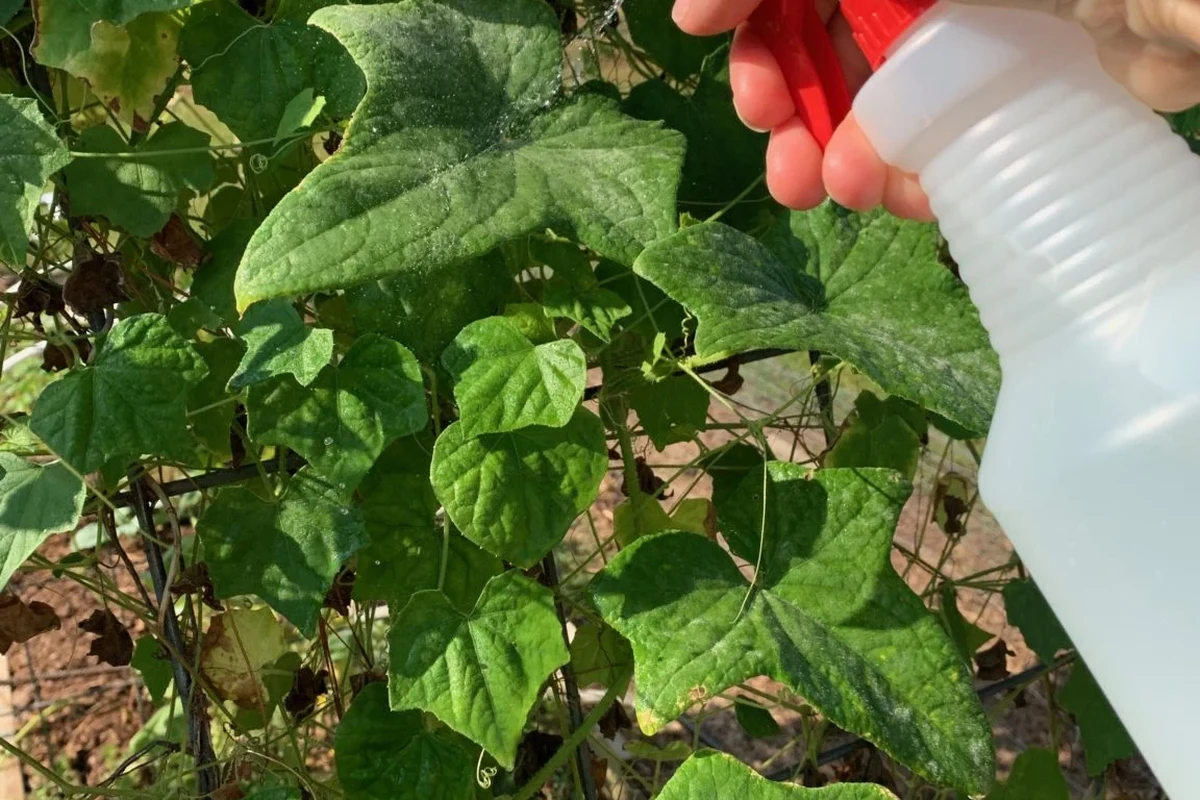
Baking soda works by changing the leaf surface in a way that makes it less friendly to powdery mildew. The goal is not to “kill everything” on contact, but to create conditions that reduce spore growth and help slow spread.
How baking soda changes leaf surface conditions
Powdery mildew likes a very specific environment on the plant’s surface. A baking soda spray slightly raises the pH on the leaf, which can interfere with fungal growth and make it harder for spores to keep expanding.
The effect is mostly on the outside of the leaf, not deep inside the plant tissue. That is why coverage matters so much: if the spray misses the infected areas, the mildew keeps moving.
Why powdery mildew responds differently than other fungal problems
Powdery mildew lives on the surface of leaves and stems, unlike some diseases that move quickly inside plant tissue. That makes it more responsive to contact-style treatments than root or vascular diseases.
Still, baking soda is not the same as a true fungicide in the strongest sense. It may suppress visible growth, but it does not rebuild damaged leaves or reverse advanced infection.
Where this treatment fits in a broader plant-care plan
Think of baking soda as one tool, not the whole toolbox. It works best when paired with pruning, spacing, careful watering, and improved airflow.
If you are also comparing pantry ingredients for cleaning or kitchen use, our guides on the difference between baking soda and baking powder and when baking soda can and cannot replace baking powder explain why ingredient identity matters so much in any use case.
Powdery mildew often looks worse in dry weather with humid nights, because leaf surfaces can stay damp even when the air feels comfortable during the day.
When Baking Soda Works Best and When It Falls Short
Results depend heavily on timing. Baking soda tends to help most when powdery mildew is still light and localized, before leaves are heavily coated or distorted.
Early-stage powdery mildew on roses, squash, cucumbers, and ornamentals
Early white patches on roses, squash, cucumbers, zinnias, and many ornamentals are the best candidates for this type of treatment. At this stage, the spray may slow the spread enough to keep the plant functional while you improve growing conditions.
For home gardeners, that often means treating the first few affected leaves instead of waiting until the whole plant looks dusty.
Situations where infection is already too advanced
If leaves are yellowing, curling badly, or dropping quickly, baking soda is usually too little, too late. It may reduce some surface growth, but it will not restore tissue that is already heavily damaged.
In advanced cases, removing the worst leaves and using a stronger control method is often more effective than repeating weak sprays.
Why weather, humidity, and airflow affect results
Powdery mildew spreads more easily when plants are crowded, shaded, or poorly ventilated. A baking soda spray also works less predictably if rain washes it off soon after application.
Warm, still conditions can let the treatment sit on the leaf long enough to help. Wet, windy, or very hot weather can reduce performance or increase leaf stress.
Always check plant sensitivity before spraying a whole bed. Tender leaves, seedlings, and some ornamentals can show spotting or scorch if the solution is too strong or applied in direct sun.
How to Mix a Baking Soda Spray Safely and Correctly
A simple spray is usually enough for home use. The main challenge is not making it stronger; it is making it gentle enough to use without burning leaves or leaving heavy residue.
Ingredient roles: baking soda, water, and optional soap or oil
Baking soda is the active ingredient in the mix. Water carries it across the leaf surface, and a small amount of mild liquid soap can help the spray spread more evenly and stick better.
Some gardeners also add a light horticultural oil, but that can increase the risk of leaf damage on sensitive plants, especially in hot weather. If you are unsure, keep the formula simple.
Recommended measurement ranges and why concentration matters
Common home-garden mixes usually stay on the mild side, often around a small amount of baking soda per quart or liter of water. Exact amounts vary by recipe and plant type, so it is wise to start conservatively and verify with a trusted gardening source before treating a large area.
More baking soda is not automatically better. Too much raises the chance of salt buildup on leaves and can leave a chalky film that blocks light or stresses tissue.
Mixing method, application order, and avoiding clogs or residue
Start with water in the spray bottle, then add the baking soda and shake until dissolved. If you are using soap, add only a very small amount and shake gently again.
Use the spray soon after mixing when possible, because settling can make the solution uneven. If any crystals remain, they can clog the nozzle and create patchy coverage.
Safety notes for tender leaves, seedlings, and edible plants
Test the spray on one or two leaves first and wait a day or two. If you see spotting, curling, or a dull gray residue, the mix is probably too strong for that plant.
For edible crops, wash produce well before eating and follow recognized food-safety guidance for handling garden produce. If a plant is close to harvest, avoid heavy spraying on edible surfaces unless the label or a trusted extension source says it is appropriate.
Garden sprays are not one-size-fits-all. Plant age, leaf thickness, weather, and even the brand of baking soda can change how a spray behaves on the leaf.
Step-by-Step Application Method for Better Coverage and Less Leaf Damage
Good application matters as much as the recipe. A weak spray applied well often works better than a strong spray applied carelessly.
Best time of day to spray and why sun exposure matters
Spray in the early morning or late afternoon when the sun is less intense. Strong midday sun can turn a damp leaf into a burn risk, especially when salts are sitting on the surface.
Cooler temperatures also give the spray more time to dry evenly. That helps coverage without leaving the plant wet for too long.
How to coat upper and lower leaf surfaces without over-wetting
Focus on the leaves that show mildew first, but do not ignore nearby healthy leaves. Powdery mildew spreads easily, so coverage should be broad enough to catch early infection.
Spray until the leaf is lightly coated, not dripping. The underside matters too, especially on dense plants where air movement is poor.
Wear gloves and avoid spraying into your face. If the spray drifts onto nearby surfaces, rinse them promptly to prevent residue buildup and keep walkways from becoming slick.
Repeat schedule for ongoing mildew pressure
Repeat applications are often needed during active mildew pressure, but the exact schedule depends on weather and plant response. Many gardeners recheck plants after rain or a few days of active spread, then reapply only if the plant is still under pressure.
Do not spray on autopilot. If the leaves start showing stress, pause and reassess the mix, timing, and overall growing conditions.
Practical example: treating a backyard squash patch
Imagine a squash patch with a few white spots on the oldest leaves. First, remove the most badly affected leaves if the plant can spare them, then improve spacing and water at the soil line instead of overhead.
Next, apply a light baking soda spray to the remaining foliage in the cooler part of the day. If the weather stays humid and the mildew keeps returning, use the spray as a support measure while you also increase airflow around the vines.
- Confirm the problem is powdery mildew, not dust or insect residue.
- Test the spray on a small section first.
- Check weather for rain, heat, and strong sun.
- Clear space around the plant for better airflow.
Common Mistakes That Make Baking Soda Powdery Mildew Treatment Fail
Most failures come from overuse, poor coverage, or ignoring the growing conditions that caused the mildew in the first place. The spray cannot fix overcrowding or chronic shade by itself.
Using too much baking soda and causing leaf burn
A stronger mix may seem more powerful, but it can leave a salt-heavy film that damages leaves. The first signs are often pale patches, crisp edges, or a rough residue after drying.
If that happens, stop spraying and rinse affected leaves gently with water if appropriate for the plant. Then restart with a milder mix only after the plant has recovered.
Spraying only visible white spots instead of the whole plant
Powdery mildew often spreads before you can see it clearly. If you only spray the obvious white patches, untreated areas can keep feeding the outbreak.
Cover the full canopy, especially older leaves and shaded interior growth where air movement is weakest.
Ignoring pruning, spacing, and watering habits
Plant care is the real long-term fix. If leaves stay crowded and damp, mildew pressure will return even after a successful spray.
Prune for airflow, water early in the day, and keep the soil surface from splashing onto leaves. These habits often matter more than the spray itself.
Confusing baking soda with baking powder or other pantry products
Baking soda is a single ingredient, while baking powder contains added acids and starches. Those extra ingredients make baking powder a poor stand-in for plant sprays.
If you want a deeper pantry comparison for kitchen use, see our guide on how baking soda reacts with vinegar and why that reaction is different from a plant spray.
The spray seems to “do nothing” after one application.
Check whether the plant was already too far gone, whether the mix was too weak, or whether rain and poor airflow kept mildew active.
How Baking Soda Compares With Other Powdery Mildew Control Options
Baking soda is one of several possible controls. It is often chosen because it is inexpensive, easy to find, and simple to mix, but it is not always the strongest option.
Neem oil, horticultural oil, and potassium bicarbonate
Neem oil and horticultural oil can help by coating the leaf surface and discouraging fungal growth, though they also carry burn risk in heat or strong sun. Potassium bicarbonate is often used specifically for mildew control and may be more effective than plain baking soda in some garden settings.
The best choice depends on the plant, the weather, and how quickly the disease is spreading.
- Easy to mix from common ingredients
- Useful for early, light infections
- Can fit into a low-cost garden routine
- Can burn tender leaves if overused
- Less effective on advanced infection
- Needs repeated attention and good timing
Organic and conventional fungicide considerations
Some gardeners prefer organic-approved products, while others use conventional fungicides with stronger disease control. The right choice depends on the crop, local rules, and how severe the outbreak is.
Always read the product label and follow the directions exactly. For edible crops, pay close attention to harvest intervals and plant-specific restrictions.
When a cultural-control approach is enough on its own
If mildew is light and the weather is improving, cultural controls may be enough without repeated spraying. That means pruning, watering correctly, and removing the worst leaves before the disease gains momentum.
In a dry stretch with better airflow, the plant may recover with very little intervention.
Best use cases for home gardeners versus larger garden beds
Home gardeners often benefit most from baking soda because it is quick to mix and easy to apply to a few plants. In larger beds, the labor of repeated spraying can become a burden, so prevention and stronger long-term control plans matter more.
For small spaces, the spray can be a reasonable first response. For widespread disease, it is usually only one part of the solution.
When to choose a stronger mildew control
If the plant is valuable, the infection is spreading fast, or the weather keeps favoring mildew, a more targeted horticultural product may be a better fit than a DIY spray alone. Compare the label, crop list, and safety instructions before buying.
Storage, Shelf Life, and Ongoing Plant-Safety Considerations
Good storage keeps the dry ingredient usable and the spray safe to apply. It also helps prevent waste and inconsistent results.
How to store mixed spray and dry baking soda properly
Keep dry baking soda sealed in a cool, dry place so it does not absorb moisture and clump. For mixed spray, use the solution soon after preparation when possible, since settling can change how evenly it sprays.
If you do store a mixed spray briefly, shake it well before use and check that the nozzle is clear.
What to watch for after treatment: spotting, curling, or residue
After spraying, inspect the plant over the next day or two. Watch for leaf spotting, edge burn, curling, or a powdery film that does not rinse away easily.
These signs usually mean the mix was too strong, the weather was too hot, or the plant was too sensitive for that formula.
Why repeated use can affect soil and plant balance over time
Repeated surface spraying can leave salts behind, especially if the plant is sprayed often or heavily. Over time, that can affect leaf health and, indirectly, the balance of the planting area.
That is one reason to use baking soda as a short-term control, not a permanent weekly habit unless the plant clearly tolerates it and the problem truly needs it.
Seasonal prevention habits that reduce the need for sprays
Prevention is often easier than treatment. Space plants for airflow, choose mildew-resistant varieties when possible, water early, and remove old infected leaves before they become a source of new spores.
These habits are especially helpful in late summer, when many gardens see more mildew pressure.
- Use the mildest effective mix
- Spray in cool, low-sun conditions
- Improve airflow and plant spacing
- Using a stronger mix to “finish it off”
- Spraying stressed seedlings without testing first
- Ignoring repeated recurrence in humid weather
Final Verdict: Is Baking Soda Powdery Mildew Treatment Worth Using?
Yes, baking soda powdery mildew treatment is worth trying when the infection is early, the plant is still healthy, and you are willing to support it with better growing conditions. It is most useful as a low-cost, quick-response option for home gardens.
Decision guide based on plant type, infection level, and garden conditions
Use it when the plant has light mildew, the weather is manageable, and the crop can tolerate a gentle spray. Skip it or move quickly to a stronger option if the plant is delicate, the disease is widespread, or rain and humidity keep restarting the problem.
Recap of the most reliable way to use it effectively
The most reliable approach is simple: mix it lightly, test first, spray in cool conditions, cover the whole plant, and repeat only as needed. Just as important, reduce the conditions that helped mildew develop in the first place.
When to move from DIY treatment to stronger intervention
If the mildew keeps returning, the leaves are declining fast, or the plant is too important to risk losing, move beyond DIY treatment. At that point, pruning, resistant varieties, and a more targeted fungicide may be the better path, ideally chosen with guidance from a trusted extension service or product label.
Baking soda can help suppress early powdery mildew, but it works best as part of a broader plant-care strategy, not as a stand-alone cure. For many gardeners, that makes it a useful first step, provided the mix stays mild and the plant is monitored closely.
Frequently Asked Questions
Use a mild mix rather than a strong one, because too much baking soda can burn leaves. Exact amounts vary by plant and recipe, so start small and verify with a trusted gardening source.
It may be used on some edible plants, but you should test a small area first and follow label or extension guidance. Wash produce well before eating and avoid heavy spraying near harvest unless the product guidance allows it.
No, it does not cure damaged leaves or advanced infection. It can help slow spread and suppress surface growth when used early and combined with better airflow and watering habits.
White residue usually means the mix was too strong, the spray dried unevenly, or the leaf was over-wet. Try a milder solution and apply it in cooler conditions with better coverage.
A small amount of mild soap can help the spray spread more evenly. Oil may increase effectiveness in some cases, but it can also raise the risk of leaf burn, especially in heat.
Keep treating the symptom only if you also fix the cause, such as crowding, poor airflow, and overhead watering. If the outbreak stays severe, move to a stronger control option or seek local extension advice.