
Baking Soda on Meat Secrets for Juicy Tender Results
Baking soda on meat can make thin cuts more tender and juicy when you use a small amount and cook quickly. It works best on stir-fry beef, chicken strips, pork slices, and some ground meat, not on thick roasts or steaks.
Baking soda on meat can be a simple way to improve tenderness, especially for quick-cooking cuts. Used correctly, it helps meat stay softer and juicier without turning the whole dish into a science experiment.
- Best use: Thin, fast-cooking meat benefits most from baking soda.
- Less is safer: Too much can cause a soapy taste or mushy texture.
- Keep it cold: Refrigerate the meat while it rests for food safety.
- Dry before cooking: A dry surface helps browning and better texture.
- Know the limits: Thick cuts and roasts usually need another method.
What Baking Soda on Meat Actually Does: The Science Behind Tenderizing
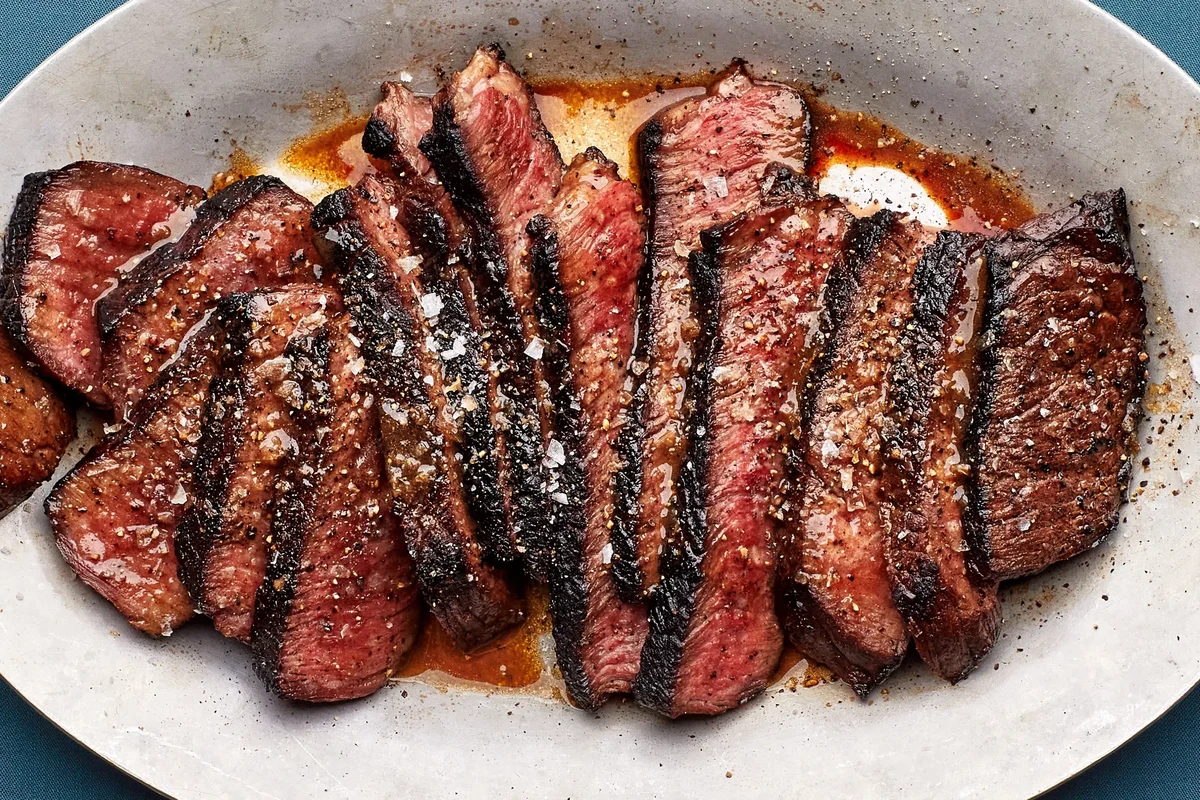
Baking soda is alkaline, so it raises the surface pH of the meat. That matters because proteins tighten less aggressively in a slightly more alkaline environment, which can help the meat keep more moisture during cooking.
This is not the same as making meat “soft” in a long-marinated, fall-apart way. It mainly changes the outer layer, which is why it works best on thin pieces and fast-cooked dishes.
Baking soda can also affect browning. Because it raises pH, the surface may brown faster, which is helpful in stir-fries but can become a problem if too much is used.
Why baking soda changes surface pH and slows protein tightening
When meat heats up, its proteins contract and squeeze out moisture. Baking soda reduces that tightening effect on the surface, so the meat can stay more tender after a short, hot cook.
The effect is strongest on the outside of the meat, not deep inside. That is why a light coating is usually enough.
How it differs from marinades, salt, and acidic tenderizers
Salt works by helping meat retain moisture and improving seasoning throughout the piece, while acids like lemon juice or vinegar can denature proteins in a different way. Acid can tenderize, but if left too long it may make the surface chalky or tough.
Baking soda is often faster for thin slices because it changes the surface environment rather than relying on long soaking. If you want a broader overview of how kitchen chemistry can behave in cleaning and cooking, see this simple baking soda and vinegar reaction guide.
When Baking Soda Works Best on Meat Types and Cuts
The best results usually come with meats that cook quickly and benefit from a softer bite. Think thin beef slices, chicken strips, pork slices, and some ground meat mixtures.
It is less useful when the goal is deep flavor penetration or long, slow tenderizing. In those cases, salt, brining, or a proper marinade may be a better match.
Best results for stir-fry beef, chicken breast, pork slices, and ground meat
Stir-fry beef is one of the classic uses because the meat is cut thin and cooked over high heat. Chicken breast strips can also benefit when you want a juicier texture in a fast pan cook.
Pork slices for quick sautés and ground meat for dumplings, meatballs, or skillet dishes can also respond well. The trick is to keep the treatment light so the texture stays pleasant, not slick.
When it is less effective on whole roasts, steaks, and already tender cuts
Whole roasts and thick steaks do not get much benefit from a surface-only treatment. The interior of the cut is too far from the treated layer for the effect to matter much.
Already tender cuts also do not need much help. If the meat is naturally delicate, overusing baking soda can make the surface feel odd instead of better.
- Fast tenderizing for thin, quick-cooking meat
- Can improve juiciness in high-heat dishes
- Uses a common pantry ingredient
- Works mostly on the surface
- Too much can cause a soapy or slippery texture
- Not ideal for thick roasts or long-cook cuts
How Much Baking Soda to Use on Meat Without Ruining Texture
With baking soda on meat, less is usually better. A small amount is enough to change surface chemistry, and heavy use can leave an off taste or a strange texture.
Because meat cuts and slice thickness vary, the exact amount depends on the size of the pieces and how long they will rest. When in doubt, start conservatively.
Safe measurement ranges by weight and why “more” is not better
A common home-kitchen approach is to use only a light dusting or a small measured amount per pound, then adjust based on the cut and cooking style. The goal is to coat lightly, not to build a thick layer.
More baking soda does not mean more tenderness. It usually means a higher chance of mushy edges, strange browning, and lingering alkaline flavor.
Do not treat baking soda like a seasoning you can freely increase. Excess alkaline residue can make meat taste bitter or soapy, and the result is difficult to fix after cooking.
Dry rub, slurry, and quick soak methods compared
A dry rub is the simplest method: sprinkle lightly, coat evenly, and rest briefly. A slurry mixes baking soda with a little water, which can help it spread more evenly over small pieces.
A quick soak is less common for home cooks because it is easier to overdo. For most everyday meals, a light coating method is the safest and most predictable.
Step-by-Step Method for Using Baking Soda on Meat Correctly
The process is simple, but timing matters. The meat should rest long enough for the surface to change, but not so long that the texture becomes soft in an unpleasant way.
For beginners, a short, controlled method is easier to repeat than a loose “pinch and hope” approach.
Timing, coating, resting, rinsing, and drying before cooking
Remove excess surface moisture so the baking soda can coat evenly. This also helps the meat brown better later.
Use only a small amount and toss until the surface is evenly covered. If you can see a heavy white layer, you likely used too much.
Let the meat sit for a short period, depending on thickness and cut. Keep it chilled during the rest time for safe handling.
For many home methods, a quick rinse removes excess residue and helps prevent off flavor. Dry the meat again before cooking so it sears instead of steaming.
Some cooks skip rinsing when the amount used is very small, but rinsing is a useful safeguard for beginners. The key is to dry the meat thoroughly afterward so surface moisture does not interfere with browning.
Cooking methods that pair well with baking soda-treated meat
High-heat, fast-cooking methods usually work best. Stir-frying, hot skillet cooking, wok cooking, and quick pan-searing are the most reliable matches.
If you want to explore a related quick-cook appliance approach, our guide on whether an air fryer dries out chicken can help you think about moisture loss and heat exposure in a different cooking setup.
Braising and slow roasting usually do not need this technique as much. Those methods already rely on time and moisture to soften meat.
Common Mistakes That Cause Off Flavors, Mushy Texture, or Uneven Results
Most problems with baking soda on meat come from using too much or leaving it on too long. The difference between tender and odd can be very small.
Uneven coating is another common issue. If some pieces get a thick layer and others barely any, the texture will not be consistent.
Overusing baking soda, leaving it on too long, or skipping the rinse
Overuse can create a slippery surface or a faint chemical taste. Leaving it on too long can push the texture past tender and into soft or mushy territory.
Skipping the rinse is not always wrong, but it increases the risk of leftover residue if the amount used was generous. For beginners, a quick rinse is often the safer choice.
How to avoid blandness, surface slime, and strange browning
Baking soda does not replace seasoning. You still need salt, aromatics, sauces, or spices to build flavor after the tenderizing step.
Surface slime usually means the meat was too wet or overtreated. Strange browning can happen when the surface pH and moisture level are both too high, so drying the meat well before cooking matters.
The meat tastes slightly soapy or has a soft, slippery surface.
Use less baking soda next time, shorten the rest period, and dry the meat more thoroughly before cooking. A hot pan also helps the surface set quickly.
Food Safety, Storage, and Handling Considerations in 2026
Baking soda does not make raw meat safer by itself. You still need normal food safety habits: clean hands, clean tools, cold storage, and proper cooking.
For current handling guidance, it is smart to follow recognized food safety sources such as USDA and FDA recommendations, especially for refrigeration and safe internal temperatures.
Refrigeration during rest time and safe holding before cooking
Keep meat refrigerated while the baking soda works. Do not leave it on the counter for long periods just because the ingredient is “dry” or pantry-stable.
If the kitchen is warm or you are preparing multiple dishes, set a timer and move the meat back to the fridge during the rest period. This is especially important for chicken and ground meat.
Use separate utensils and cutting boards for raw meat to avoid cross-contamination. Wash hands, boards, and counters with hot soapy water after handling.
What to do with leftovers and whether pre-treated meat stores well
Cooked leftovers should be cooled promptly, stored in clean containers, and refrigerated according to standard food safety guidance. Reheat leftovers thoroughly before serving.
Pre-treated raw meat is best used the same day or kept refrigerated only for a short period before cooking. If you need to store it longer, follow safe refrigeration practices and check for any change in smell, color, or texture before use.
Practical Kitchen Examples for Everyday Home Cooking
In real home cooking, this technique is most useful when time is short and the meat will be cooked quickly. It can be a helpful trick for weeknight meals when you want tenderness without a long marinade.
If you are also learning how pantry ingredients behave in other kitchen tasks, you may enjoy our overview of using baking soda instead of baking powder safely for a broader look at ingredient limits.
Fast beef stir-fry, juicier chicken strips, and improved ground meat texture
For beef stir-fry, slice thinly across the grain, coat lightly, rest briefly, then cook in a very hot pan. The meat should brown fast and stay tender enough to bite cleanly.
For chicken strips, use a minimal amount and do not overrest. For ground meat, a tiny amount mixed evenly can improve the bite in dumplings or meatballs, but too much can make the texture soft.
Best when the beef is sliced thin and cooked quickly over high heat.
Works well when you want tender strips that stay juicy in a fast sauce.
Useful for thin pork slices that need a softer bite without long marinating.
A small amount can help keep ground meat from feeling tight after cooking.
How to adjust the technique for different cuisines and seasoning styles
For Chinese-style stir-fries, the technique often pairs well with soy sauce, ginger, garlic, and cornstarch. For other cuisines, you can still use the same tenderizing step and then season with your usual spice blend.
Keep in mind that salty sauces, acidic ingredients, and baking soda all affect texture differently. If your dish already uses a strong marinade, you may not need the extra tenderizing step at all.
Should You Use Baking Soda on Meat? Final Verdict for Home Cooks
Yes, baking soda on meat can be a smart kitchen shortcut when you are cooking thin, quick-cooking cuts and want a softer bite. It is especially helpful for stir-fries, sliced chicken, pork strips, and some ground meat recipes.
It is not a universal fix, though. Thick steaks, whole roasts, and naturally tender cuts usually do better with salt, proper cooking time, or a different tenderizing method.
Best use cases, limitations, and when another tenderizing method is better
Use baking soda when speed matters and the meat will be cooked hot and fast. Choose brining, salting ahead, or a marinade when you want deeper seasoning or are working with larger cuts.
If you are unsure, test it on a small batch first. That is the easiest way to learn how your cut, your pan, and your seasoning style respond.
Recap of the safest, most reliable approach for juicy tender results
Lightly coat the meat, rest it briefly in the refrigerator, rinse if needed, dry it well, and cook it quickly over high heat. That simple sequence gives you the best chance of tender meat without off flavors or strange texture.
In other words, treat baking soda as a precision tool, not a heavy-handed shortcut. Used carefully, it can deliver juicy results that make weeknight cooking easier and more consistent.
- Use a small amount and coat evenly
- Keep the meat refrigerated while it rests
- Dry the surface well before cooking
- Using too much baking soda
- Leaving it on for too long
- Cooking wet meat in a cool pan
Frequently Asked Questions
Use only a light coating or a very small measured amount. The exact amount depends on the cut, thickness, and cooking method, but more is not better.
Rinsing is often a good idea if you used more than a very light amount. After rinsing, dry the meat well so it browns properly.
Only long enough to affect the surface, not so long that the texture turns soft or slippery. Rest time depends on thickness, but it should stay refrigerated while resting.
It usually works better on thin, quick-cooking pieces than on thick steaks or roasts. Larger cuts need deeper tenderizing methods like salting, brining, or slow cooking.
Yes, too much can leave a soapy, bitter, or alkaline taste. That is why careful measuring and even coating are important.
Yes, when used properly and handled with normal raw-meat food safety practices. Keep the meat refrigerated, avoid cross-contamination, and cook it to a safe temperature.

