
Baking Soda Teeth Whitening Guide for a Brighter Smile

Baking soda teeth whitening can help remove light surface stains and make teeth look a little brighter when used gently. It is not strong enough for dramatic whitening and should not replace fluoride toothpaste or dental care.
Baking soda teeth whitening is a simple at-home method that can help remove some surface stains and make teeth look a little brighter. It is not a substitute for dental care, and it works best when used gently and occasionally, not as an everyday scrub.
- Surface stain help: Baking soda mainly polishes away light stains on the outside of teeth.
- Use gently: Soft brushing and occasional use matter more than scrubbing harder.
- Limited results: It will not usually lighten deep discoloration or dental work.
- Keep fluoride: Do not replace your regular toothpaste with baking soda.
What Baking Soda Teeth Whitening Means in 2026: How It Works and What It Can Actually Change
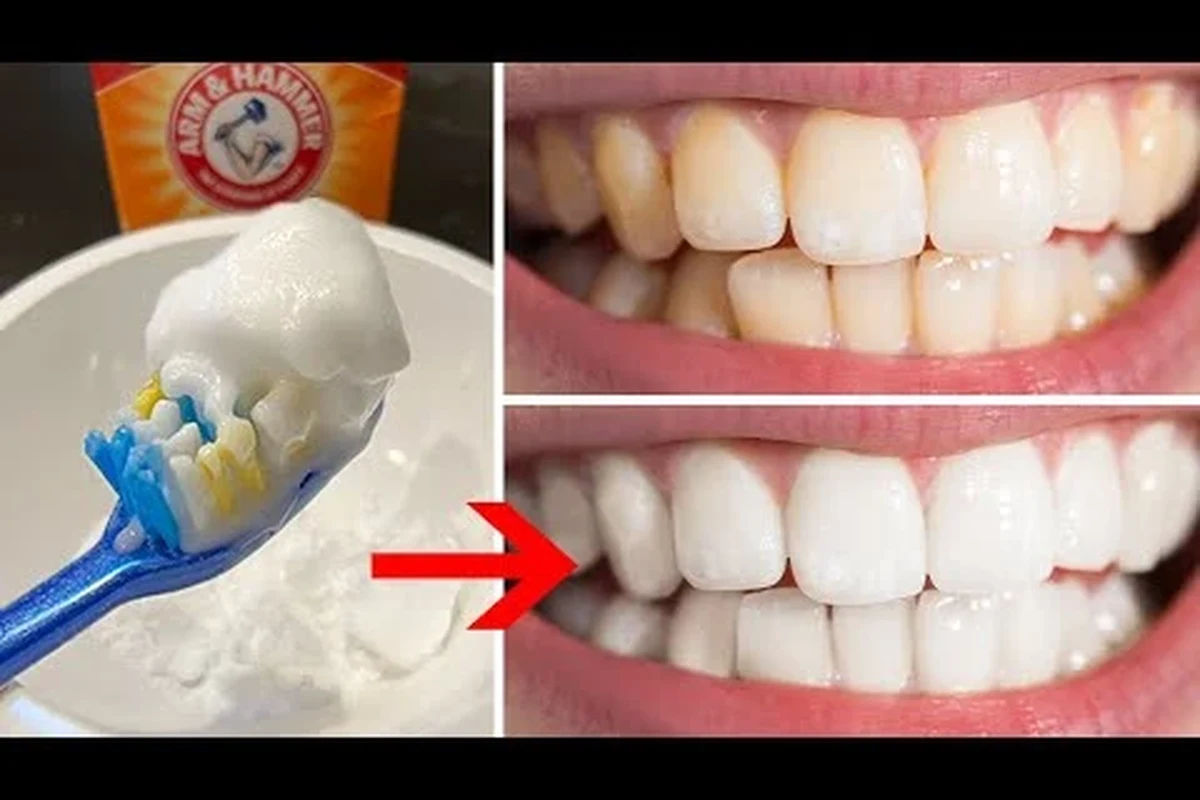
Baking soda whitening is still popular because it is easy to find, inexpensive, and straightforward to use. In practice, it works by gently scrubbing away some stain particles on the outer surface of the teeth, not by changing the natural color of the enamel itself.
The basic chemistry behind baking soda as a mild abrasive
Baking soda, or sodium bicarbonate, has a fine, slightly gritty texture that can help lift plaque and surface stains during brushing. It is mildly abrasive, which is why it can make teeth look cleaner after use, but that same quality is also why overuse can be a problem.
Unlike peroxide-based whiteners, baking soda does not bleach teeth. It mainly helps polish the tooth surface and may also reduce acids in the mouth for a short time, which is one reason it is often included in some toothpaste formulas.
Many whitening toothpastes rely on polishing agents, not just whitening chemicals. Baking soda is one of the simplest examples of that idea.
Surface stains vs. deeper tooth discoloration
Not all tooth discoloration is the same. Coffee, tea, red wine, and tobacco often leave surface stains that can respond better to gentle abrasion, while deeper color changes inside the tooth usually do not.
If your teeth look dull because of buildup or staining on the outside, baking soda may help a little. If the color change is gray, yellow, or uneven from within the tooth, the results are usually limited.
What modern dental guidance says about at-home whitening trends
Current dental advice generally favors caution with DIY whitening. The main concern is not that baking soda is dangerous in every case, but that people often use it too often, brush too hard, or expect it to work like a professional treatment.
For people with ongoing sensitivity, gum recession, or existing dental work, it is smart to check with a dentist before trying any whitening routine. That is especially true if you are already using other whitening products at home.
Why People Choose Baking Soda Over Strips, Pens, and Professional Whitening
People usually reach for baking soda because it feels low-cost and low-commitment. It also avoids the peroxide taste or the longer wear time that some whitening strips and trays require.
Cost, convenience, and ingredient simplicity
Baking soda is easy to store, easy to measure, and already familiar in many kitchens. For readers who want a basic routine without buying a separate whitening kit, that simplicity is a big part of the appeal.
It also lets people control exactly what goes into the routine. If you prefer a short, no-fuss method, that can feel more manageable than a product with multiple steps or a stronger active ingredient.
When baking soda feels like a better fit for sensitive routines
Some people prefer baking soda because it can feel gentler than stronger whitening products, especially if they only want a light polish. That said, “gentler” does not mean “use it more often.”
If you have sensitive teeth, the safest approach is usually to keep the routine short and to stop if discomfort increases. A soft brush and light pressure matter more than scrubbing longer.
Realistic expectations for brightness, freshness, and stain reduction
Baking soda can leave teeth feeling smoother and looking a bit cleaner, especially if plaque and fresh surface stains are part of the problem. It may also help freshen breath briefly because it changes the mouth environment during brushing.
What it usually will not do is create a dramatic before-and-after transformation. If you want a bigger color change, you will usually need a peroxide-based product or a dentist-supervised treatment.
- Low cost and easy to find
- Simple ingredient list
- Can help with light surface stains
- Limited whitening power
- Can be abrasive if overused
- Not a replacement for dental treatment
Safe Ways to Use Baking Soda on Teeth Without Overdoing It
The safest baking soda teeth whitening routine is usually the one that uses the least force and the least frequency needed to get a mild result. Think of it like a delicate pastry crust: too much handling changes the outcome in ways you do not want.
Common at-home methods people try: paste, rinse, and brushing blends
People often mix a small amount of baking soda with water to make a paste, then brush lightly for a short time. Others sprinkle a little onto a wet toothbrush or combine it with toothpaste, although that is not always necessary.
A baking soda rinse is another option, but it tends to be less effective for whitening than gentle brushing because contact time and abrasion are both lower. If you try any method, keep the motion light and avoid aggressive back-and-forth scrubbing.
- Use a soft-bristled toothbrush
- Brush with light pressure only
- Stop if your teeth feel more sensitive
- Keep your fluoride toothpaste in the routine
How often to use it and why frequency matters
Frequency matters because enamel does not grow back. Using a mild abrasive every day can slowly wear down the outer surface, especially if your brushing technique is already heavy-handed.
For most people, occasional use is safer than daily use, but the right schedule depends on your teeth, your toothpaste, and your dentist’s advice. If you are unsure, start conservatively and watch how your teeth and gums respond over time.
Signs you may be brushing too hard or too often
Watch for increased sensitivity to cold drinks, gum irritation, or a brushed feeling that turns into soreness. You may also notice the edges of the gums looking more irritated than usual.
If your teeth start to feel rougher, more sensitive, or less comfortable after whitening attempts, that is a sign to back off. Whitening should not leave your mouth feeling scraped or tender.
Do not use baking soda on teeth if it causes burning, gum pain, or lasting sensitivity. Stop the routine and contact a dentist if symptoms continue.
When to stop and check with a dentist before continuing
Stop if you have bleeding gums, sharp sensitivity, visible enamel wear, or pain when biting. Those signs may point to a problem that whitening will not fix.
You should also pause and ask a dentist if you have a history of enamel erosion, frequent cavities, dry mouth, or recent dental work. Whitening is best treated as a cosmetic step, not a cure-all.
What Makes a Baking Soda Teeth Whitening Routine Work Better
Small technique choices make a bigger difference than people expect. A gentle method with good brushing habits usually works better than a stronger method done carelessly.
Pairing it with a soft-bristled toothbrush and proper brushing technique
A soft-bristled brush helps reduce the risk of unnecessary wear on enamel and gum tissue. Short, controlled strokes are better than hard scrubbing, which can push stain particles around without improving the result.
Good technique matters because the goal is to clean the tooth surface, not sand it down. If you are already using pressure that bends the bristles flat, ease up before adding any whitening step.
Using it alongside fluoride toothpaste instead of replacing it
Baking soda is not a replacement for fluoride toothpaste. Fluoride helps protect enamel against acid damage and decay, while baking soda mainly helps with surface cleaning.
For most people, the better approach is to keep fluoride in the routine and use baking soda only as an occasional add-on if needed. That balance supports both appearance and oral care.
Whitening and cavity prevention are different goals. A product can help teeth look cleaner without offering the same protection as a fluoride toothpaste.
How stain-causing habits like coffee, tea, and smoking affect results
If you keep adding new stains every day, any whitening method will look less impressive. Coffee, tea, cola, red wine, and smoking are common reasons teeth lose brightness again quickly.
Rinsing with water after stain-causing drinks, waiting before brushing after acidic foods, and keeping up with regular cleanings can help maintain results. If you want a broader comparison of home appliance safety habits, see our guide on why some kitchen tools raise safety questions.
Examples of subtle improvements vs. dramatic before-and-after expectations
A subtle improvement might mean teeth look a little less dull in normal indoor light or after a few days of stain removal. That is a realistic outcome for many people who use baking soda carefully.
A dramatic change, like several shades lighter, is less likely. If that is your goal, baking soda alone usually will not be enough.
Common Mistakes That Can Damage Enamel or Reduce Results
The biggest mistakes are usually about force, frequency, and mixing the wrong ingredients. In whitening, more is not automatically better.
Using baking soda too aggressively or too frequently
Scrubbing hard can increase wear on enamel and irritate the gums. Using the method too often can also make the mouth feel dry or sensitive, which can make brushing unpleasant and less effective.
If you notice that you are trying to “see results” by brushing longer, that is usually the wrong direction. Whitening should come from consistent gentle cleaning, not pressure.
Mixing it with harsh ingredients that increase irritation risk
Some DIY whitening ideas involve lemon juice, vinegar, or other acidic ingredients. That is a poor tradeoff because acid can soften enamel and make abrasion more damaging.
Strong scrubs and abrasive powders can also increase irritation without improving whitening in a meaningful way. Simple is usually safer here.
Avoid acidic DIY mixtures. Acid plus abrasion can weaken enamel and make teeth more sensitive, even if the teeth look temporarily brighter.
Assuming whitening means cavity prevention or gum health protection
Whitening is cosmetic, not protective. A brighter smile does not mean lower cavity risk, healthier gums, or less plaque buildup.
You still need regular brushing, flossing, and dental checkups. Baking soda may help with appearance, but it does not replace basic oral hygiene.
Ignoring tooth sensitivity, gum recession, or existing dental work
If your gums have receded, more of the tooth root may be exposed, and that area is more sensitive than enamel. Baking soda can feel harsher there than it does on healthy enamel.
Existing crowns, veneers, bonding, and fillings also complicate whitening because those materials do not lighten the same way natural teeth do. That can lead to uneven color if you are not careful.
Who Should Be Cautious With Baking Soda Teeth Whitening
Some people can use baking soda occasionally with little trouble, but others should be more careful from the start. The difference usually comes down to sensitivity, enamel condition, and dental work.
People with sensitivity, enamel wear, or gum problems
If your teeth already react to cold, hot, or sweet foods, a whitening routine may make that worse. The same is true if you have enamel wear from grinding or acidic drinks.
Gum irritation is another reason to slow down. Healthy gums help protect the tooth surface, so whitening should never leave them sore or inflamed.
Braces, crowns, veneers, and fillings: what baking soda can and cannot change
Baking soda will not whiten braces brackets, crowns, veneers, or fillings in the same way it can help clean natural tooth enamel. That means the result may look uneven if your mouth has a mix of materials.
If you have orthodontic appliances or visible restorations, it is worth asking a dentist what kind of whitening, if any, makes sense. This is one of the times when a home routine may not be the best first step.
When whitening at home is not the right first step
If discoloration is sudden, patchy, or paired with pain, whitening should not be your first move. Those signs can point to decay, enamel damage, or another issue that needs evaluation.
Home whitening is best for mild, stable staining. It is not meant to diagnose or treat dental problems.
Questions to ask a dental professional before starting
Ask whether your enamel is healthy enough for mild abrasion, whether your sensitivity is likely to worsen, and whether your dental work will respond evenly. If you have active gum disease or frequent cavities, get guidance first.
You can also ask what type of whitening is most appropriate for your stain type. That helps you avoid wasting time on a method that is unlikely to give the result you want.
How Baking Soda Compares With Other Whitening Options
Baking soda is the simplest option, but not always the most effective. Comparing it with other methods makes it easier to choose based on your budget, comfort level, and stain type.
At-home whitening toothpaste vs. baking soda alone
Whitening toothpaste often combines polishing agents with other ingredients designed for daily use. Baking soda alone may be simpler, but toothpaste usually offers a more balanced routine because it also supports regular oral hygiene.
If you want a low-effort option, a whitening toothpaste with fluoride may be a better everyday choice than using baking soda by itself. For a broader appliance comparison on our site, you may also like our guide to whether air fryer liners are safe.
Whitening strips and peroxide-based products
Whitening strips and similar peroxide products are designed to change tooth color more directly than baking soda can. They are usually more effective for noticeable whitening, but they can also increase sensitivity for some users.
These products work differently from baking soda because they target stain molecules chemically, not just by polishing the surface. That difference is why they often create more visible results.
Professional in-office whitening for faster results
Professional whitening is generally the fastest route if you want a larger change in shade. It is also the option most likely to be tailored to your teeth, which can matter if you have sensitivity or mixed dental work.
The tradeoff is cost and the need to book an appointment. If you want the most controlled result, it is usually the strongest option to discuss with a dentist.
Choosing the right option based on budget, sensitivity, and stain type
If your budget is tight and your stains are mild, baking soda may be worth a cautious try. If you want more noticeable whitening, strips or professional care are more realistic.
If your teeth are sensitive or you already have restorations, the safest choice may be a dentist-guided plan instead of a DIY routine. The right method depends on what kind of discoloration you have and how your mouth reacts.
Baking soda teeth whitening can be worth trying if you want a low-cost way to reduce light surface stains and you are willing to use it gently and occasionally. Choose another method if you want dramatic whitening, have sensitivity or gum issues, or have dental work that may not respond evenly.
Final Verdict: Is Baking Soda Teeth Whitening Worth Trying for a Brighter Smile?
For many readers, baking soda is best treated as a light-touch helper, not a full whitening solution. It can improve how clean teeth look, but it should be used with the same care you would use when handling a delicate pastry dough: enough to do the job, not so much that you damage the structure.
Best use cases for a cautious, short-term whitening routine
It makes the most sense for mild staining, occasional touch-ups, and people who want a simple routine. It is also a reasonable choice if you prefer to start with the gentlest option before moving to stronger products.
When to choose another method instead
If you want a big color change, have deep discoloration, or need a result that lasts longer, another method is usually better. Peroxide-based products or professional whitening are more likely to match those goals.
Practical recap for readers deciding their next step
Use baking soda lightly, not daily. Keep fluoride toothpaste in your routine, watch for sensitivity, and ask a dentist if you have gum issues, enamel wear, or dental restorations that could change the outcome.
That approach gives you the best chance of a modest brightness boost without turning a simple home habit into a problem.
Frequently Asked Questions
Occasional use is safer than daily use for most people. Frequency depends on your enamel, sensitivity, and brushing technique, so stop if your teeth feel irritated.
No, baking soda should not replace fluoride toothpaste. It may help with surface stains, but fluoride toothpaste supports cavity prevention and everyday oral care.
Usually not. Baking soda mainly helps remove surface stains, while deeper discoloration often needs peroxide-based whitening or dental treatment.
It can be too abrasive for some sensitive teeth, especially if used often or brushed hard. If you already have sensitivity, ask a dentist before starting.
That is not a good idea because acidic ingredients can weaken enamel. A simple water-and-baking soda paste is less risky than an acidic DIY mixture.
Stop using it right away and let your mouth recover. If the pain or sensitivity continues, check with a dentist to rule out irritation or a dental problem.