
Beef Baking Soda Tenderizer Tips for Juicy Steak

Baking soda can tenderize beef quickly by changing the surface pH, which helps thin or fast-cooking cuts stay softer. Use a very small amount, dry the meat well, and skip the method for premium steaks that already cook tender.
Baking soda can be a fast, effective beef baking soda tenderizer when you want softer steak or stir-fry beef without a long marinade. Used correctly, it helps the surface of the meat stay more tender during cooking and can improve browning, but too much can leave an odd texture or taste.
- Best use: Thin-sliced or tough beef that will be cooked quickly.
- Measure lightly: Too much baking soda can cause a soapy taste and mushy surface.
- Dry for browning: Pat the beef dry before searing, grilling, or wok cooking.
- Flavor still matters: Baking soda improves texture, not seasoning.
- Safety first: Keep raw beef cold and handle it like any other raw meat.
What Beef Baking Soda Tenderizer Is and Why It Works on Steak
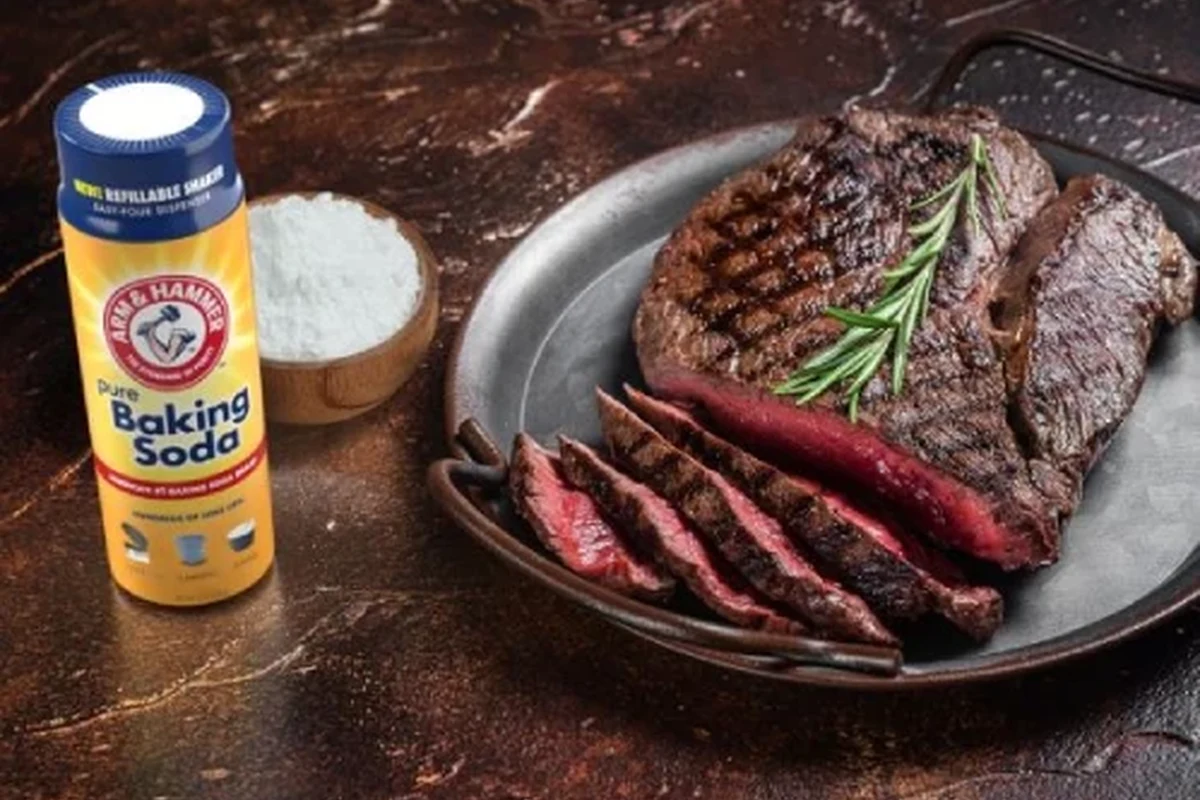
Beef baking soda tenderizer is simply baking soda applied to meat before cooking so the surface becomes less acidic. That small pH shift changes how the meat proteins behave, which can make the exterior feel more tender and less tight after heat hits the pan.
This method is especially useful on cuts that are sliced thin or cooked quickly. If you are already thinking about fast, high-heat methods like pan-searing or stir-frying, you may also want to read our guide on air fryer preheating basics for a useful example of why surface conditions matter in cooking.
The science of baking soda on meat fibers and surface pH
Baking soda is alkaline. When it touches the surface of beef, it raises the pH a little, which can reduce protein tightening during cooking and help the meat hold onto more moisture near the surface.
That does not mean the baking soda “breaks down” the beef in the same way a long enzymatic marinade does. Instead, it changes the cooking environment around the meat so the proteins are less likely to seize up as aggressively.
Most baking soda tenderizing happens at the surface, not deep inside a thick steak. That is why the method works best on thin slices, small strips, and quick-cooking cuts.
When this method helps more than a salt-only dry brine
A salt-only dry brine is great when you want deeper seasoning, better moisture retention, and a more classic steak flavor. Baking soda helps more when the main problem is toughness on the surface or when the beef will be cooked very fast and sliced thin.
If you are working with stir-fry beef, fajita strips, or a budget cut that can get chewy, baking soda may give you a better result than salt alone. For a thick ribeye or strip steak, though, many cooks prefer a simple salt brine or no tenderizer at all so the natural texture stays clean.
How Much Baking Soda to Use for Different Cuts and Thicknesses
The safest approach is to use less than you think you need. Baking soda is powerful, and the right amount depends on the cut, the thickness, and how long the beef will sit before cooking.
Practical measurement ranges for thin slices, steaks, and stir-fry beef
For thin slices or stir-fry strips, a light dusting is usually enough. A common home-cooking range is about 1/4 teaspoon per pound of beef, or just enough to coat the surface lightly without leaving visible white patches.
For individual steaks, use even less unless the steak is thin and somewhat tough. If you are not sure, start with a very small amount and spread it evenly; you can always add seasoning later, but you cannot easily fix overtreated meat.
Why overusing baking soda can create a soapy or mushy texture
Too much baking soda can leave the beef tasting alkaline, which many people describe as soapy, metallic, or flat. It can also make the surface soft in an unpleasant way, especially if the meat sits too long before cooking.
The goal is not to “cook” the beef with baking soda. The goal is to gently change the surface so the meat stays tender while still tasting like beef after it hits the heat.
If the beef smells off, feels slimy in a way that is not normal for the cut, or has been stored too long, do not try to fix it with baking soda. Tenderizing is not a food safety solution.
Step-by-Step Method for Tenderizing Beef Before Cooking
There are two common ways to use baking soda on beef: a dry application or a slurry with a little water. Both can work, but the best choice depends on the cut and how evenly you need the treatment to spread.
Dry application versus slurry method: when to choose each
The dry method is simple. Sprinkle the measured baking soda over the beef, toss or rub it lightly, and let it rest so the surface is evenly coated.
The slurry method mixes baking soda with a small amount of water before coating the beef. This can help with even coverage on sliced meat, especially if the pieces are small or irregular.
Best for thin strips and quick prep; simple, fast, and easy to control when you use a very small amount.
Best for even coating on sliced beef; useful when you want the baking soda to spread more uniformly.
Resting time, rinsing, drying, and seasoning order
After applying baking soda, let the beef rest briefly so the surface can change. The exact time depends on thickness and cut, but short is better than long for most home cooks.
Some cooks rinse the beef after the rest, while others wipe it well. If you rinse, dry the beef thoroughly before cooking so it can brown instead of steam. Season with salt, pepper, and other spices after the tenderizing step, not before, unless your recipe is built around a marinade.
Use a small amount of baking soda and spread it evenly over the beef.
Let the beef sit long enough for the surface to change, but avoid extended resting unless the cut is very thin.
Rinse or wipe away any extra baking soda, then pat the meat dry.
Add salt and other seasonings, then cook with high heat as your recipe requires.
How to adapt the method for pan-searing, grilling, or wok cooking
For pan-searing, dryness matters most. Pat the beef very dry after tenderizing so the surface can brown in the pan rather than release moisture and steam.
For grilling, keep the coating light so the exterior does not taste alkaline after the smoke and char develop. For wok cooking, the method is often most helpful because stir-fry beef benefits from quick cooking and a tender surface.
High heat, small pieces, and fast cooking all make the baking soda method more effective. The more time the beef spends in the pan, the less noticeable the tenderness benefit may be.
Best Cuts, Worst Cuts, and Realistic Results
Baking soda is not magic. It can improve texture, but it cannot turn every cut into a premium steak, and it works best when the beef is already cut for quick cooking.
Tougher cuts that benefit most from baking soda treatment
Flank, skirt, chuck, and round often benefit because they can become chewy when cooked quickly. Thin-sliced versions of these cuts are especially good candidates for a beef baking soda tenderizer.
These cuts usually have more noticeable muscle structure, so a little help on the surface can make the final bite feel softer and easier to chew. That is why the method is common in many stir-fry and quick-skillet recipes.
Why premium steaks need a lighter touch or a different approach
Well-marbled premium steaks already have a tender, juicy texture when cooked properly. If you coat them heavily with baking soda, you may mute the clean beef flavor or interfere with the crust you want from a good sear.
For those cuts, a salt dry brine, careful temperature control, and proper resting after cooking usually make more sense than an alkaline tenderizer. If you are comparing cooking methods in general, our article on whether air fryers are worth it is another example of choosing the right tool for the result you want.
Examples for flank steak, sirloin, chuck, and round
Flank steak often responds well because it is lean and can turn tough if overcooked. Sirloin can benefit when it is sliced thin or used in fast-cook dishes, though it usually needs a lighter touch than flank.
Chuck and round are more variable. If they are being braised, slow-cooked, or cooked into a stew, baking soda is usually less important because long moist cooking already helps tenderize the meat.
Doneness, Browning, and Flavor: What Changes After Tenderizing
Using baking soda changes more than tenderness. It can also affect how the beef browns, how the seasoning tastes, and how much surface moisture is left when the meat hits the heat.
How baking soda affects Maillard browning and crust development
A slightly higher pH can encourage browning, which is one reason the method is popular. In practical terms, the beef may develop color faster and sometimes more evenly if the surface is properly dried first.
That said, excess moisture still works against crust. If the beef is wet after rinsing or the pan is overcrowded, the meat can steam and lose the browning benefit you were trying to create.
Managing seasoning, marinade balance, and surface moisture
Because baking soda changes the surface chemistry, it can also change how seasonings taste. Salt usually still works well, but strong marinades may need a little adjustment so the final flavor does not come across as flat.
Keep the meat as dry as possible before cooking, then season in a way that matches the recipe. If you are using soy sauce, garlic, ginger, or other wet ingredients, remember that the beef may already hold some surface moisture from the tenderizing step.
How to avoid blandness after tenderizing beef
Use enough salt to season the meat properly, and do not rely on baking soda to add flavor. Baking soda helps texture, not taste.
A good finish can include black pepper, aromatics, butter basting, or a sauce after cooking. The goal is to keep the beef juicy while still letting the natural flavor come through clearly.
- Dry the beef well before searing or grilling.
- Season after tenderizing so flavors stay balanced.
- Use high heat for fast-cook cuts.
- Leaving a heavy baking soda coating on the meat.
- Cooking wet beef in a crowded pan.
- Expecting the method to fix poor-quality or spoiled meat.
Common Mistakes, Troubleshooting, and Safety Considerations
Most problems come from using too much baking soda, leaving it on too long, or skipping the drying step. Those mistakes are easy to avoid once you know what the finished beef should look and smell like before it goes into the pan.
Signs the beef has been overtreated or left too long
Overtreated beef may feel oddly soft on the outside, look pale, or smell slightly alkaline before cooking. After cooking, it may taste flat or have a texture that feels pasty rather than pleasantly tender.
If the meat has been sitting with baking soda far longer than intended, especially in warm conditions, it is better to discard it if you are unsure about quality. Tenderizing should never be used to hide age or mishandling.
Fixes for metallic taste, pale surface, or uneven texture
If the flavor tastes metallic or soapy, the amount of baking soda was probably too high. Next time, reduce the quantity and shorten the resting time.
If the surface stays pale, the beef may still be too wet or the pan may be too crowded. If the texture is uneven, the baking soda may not have been spread uniformly, so a slurry or a more careful toss can help.
The beef tastes alkaline or has a strange aftertaste.
Use less baking soda, shorten the rest, and make sure any excess is removed before cooking.
Food safety basics for raw beef handling and refrigerator timing
Handle raw beef with clean hands, clean tools, and separate cutting boards to avoid cross-contamination. The USDA recommends keeping raw meat refrigerated and not leaving it out at room temperature for long periods.
If you are meal-prepping ahead, keep the beef cold until cooking time and follow safe storage limits for your refrigerator and recipe. For doneness, use a thermometer when needed, especially if you are cooking ground beef or thicker cuts.
Raw beef juices can contaminate counters, knives, and towels. Wash hands, sanitize surfaces, and keep raw and cooked foods separate.
Storage, Make-Ahead Prep, and Meal Planning Uses
Baking soda tenderizing can be part of a smart prep routine when you want dinner to move quickly later. It is especially useful for weeknight cooking, but it still needs careful timing and cold storage.
How long treated beef can rest before cooking
For most home cooks, the best results come from tenderizing shortly before cooking. If the beef sits too long after treatment, the texture can drift from tender to overly soft on the surface.
If you need to pause, keep the beef refrigerated and covered. The exact safe window depends on the cut, the amount of baking soda, and the fridge temperature, so use common food-safety guidance and your recipe’s timing rather than guessing.
Freezing, thawing, and batch-prep considerations
You can freeze beef before tenderizing, or freeze it after tenderizing if the texture and recipe make sense. For batch prep, many cooks prefer to portion the beef first so each bag or container is ready for a specific meal.
Thaw safely in the refrigerator, not on the counter. Once thawed, check the surface before cooking and pat it dry again if needed, because moisture from thawing can interfere with browning.
When to tenderize ahead for weeknight meals or entertaining
Tenderize ahead when the recipe depends on fast cooking, such as stir-fry, fajitas, or a quick skillet dinner. This can save time and help the beef cook evenly when guests are waiting.
For entertaining, test the method on the exact cut you plan to serve, because brand, thickness, and marbling all change the result. If you are also planning other kitchen equipment decisions, our guide to air fryer basket cleaning and care shows why product instructions matter just as much as technique.
Final Recommendation: When to Use Beef Baking Soda Tenderizer and When to Skip It
Use beef baking soda tenderizer when you want a quick, practical tenderness boost on thin-sliced or fast-cooked beef. It is a smart tool for stir-fry, pan-seared strips, and tougher cuts that need help at the surface.
Skip it when you are cooking a premium steak that already has good texture, or when the recipe depends on a clean, beef-forward crust with minimal surface change. In those cases, salt, heat control, and proper resting usually give a better result than baking soda.
Best use cases for home cooks in 2026
For busy cooks, this method remains one of the simplest ways to improve texture without a long marinade. It is especially useful when you need a reliable shortcut for quick dinners and do not want to build a wet marinade from scratch.
Think of it as a precision tool, not a default step. A small amount, even coverage, and short resting time are what make it useful.
Situations where another tenderizing method is the better choice
If you are slow-braising a tough cut, the oven or stovetop will do the tenderizing for you over time. If you are cooking a prized steak, a salt dry brine or simple seasoning is usually the cleaner choice.
When in doubt, start with the least aggressive method that fits the recipe. That approach protects flavor, texture, and browning while still giving you juicy beef on the plate.
A beef baking soda tenderizer works best for thin, quick-cooking cuts that need a little help staying tender. Use it lightly, keep the beef dry, and skip it for premium steaks or recipes that already use slow, moist cooking.
Frequently Asked Questions
Use a very small amount, usually around 1/4 teaspoon per pound for thin slices or stir-fry beef. The exact amount depends on thickness and how long the meat will rest before cooking.
Rinsing is optional, but it can help remove excess baking soda if you used a slurry or a little too much. If you rinse, pat the beef very dry before cooking so it can brown well.
Tougher or leaner cuts like flank, skirt, chuck, and round often benefit most, especially when sliced thin. Premium steaks usually need less help and may be better with salt alone.
Yes, too much baking soda can create a soapy, metallic, or flat taste. Using less and limiting the rest time helps prevent that problem.
Most home cooks should keep the rest time short and cook soon after treatment for the best texture. If you need to wait, refrigerate the beef and follow safe food-handling guidance.
Yes, when it is used as a cooking technique and the beef is handled safely. Keep raw beef refrigerated, avoid cross-contamination, and use proper cooking temperatures for the recipe.