
Baking Soda to Remove Hair Dye Safe Easy Methods
Baking soda can slightly fade some hair dye, but it is not a reliable remover for permanent color. Use it briefly and carefully, and choose a gentler or professional option if your hair is damaged or the dye is stubborn.
If you need to soften a hair dye mistake, baking soda can sometimes help fade color a little, but it is not a true dye remover. Used carefully, it may lift surface buildup and make the color look less intense, yet it can also dry hair out fast.
- Best use: Mild fading of fresh or surface-level color, not full removal.
- Safety first: Keep contact time short and condition afterward.
- Hair condition matters: Bleached, brittle, or porous hair is more likely to dry out.
- Better backups: Clarifying shampoo and color removers are more predictable.
Baking Soda to Remove Hair Dye: What It Can and Cannot Do
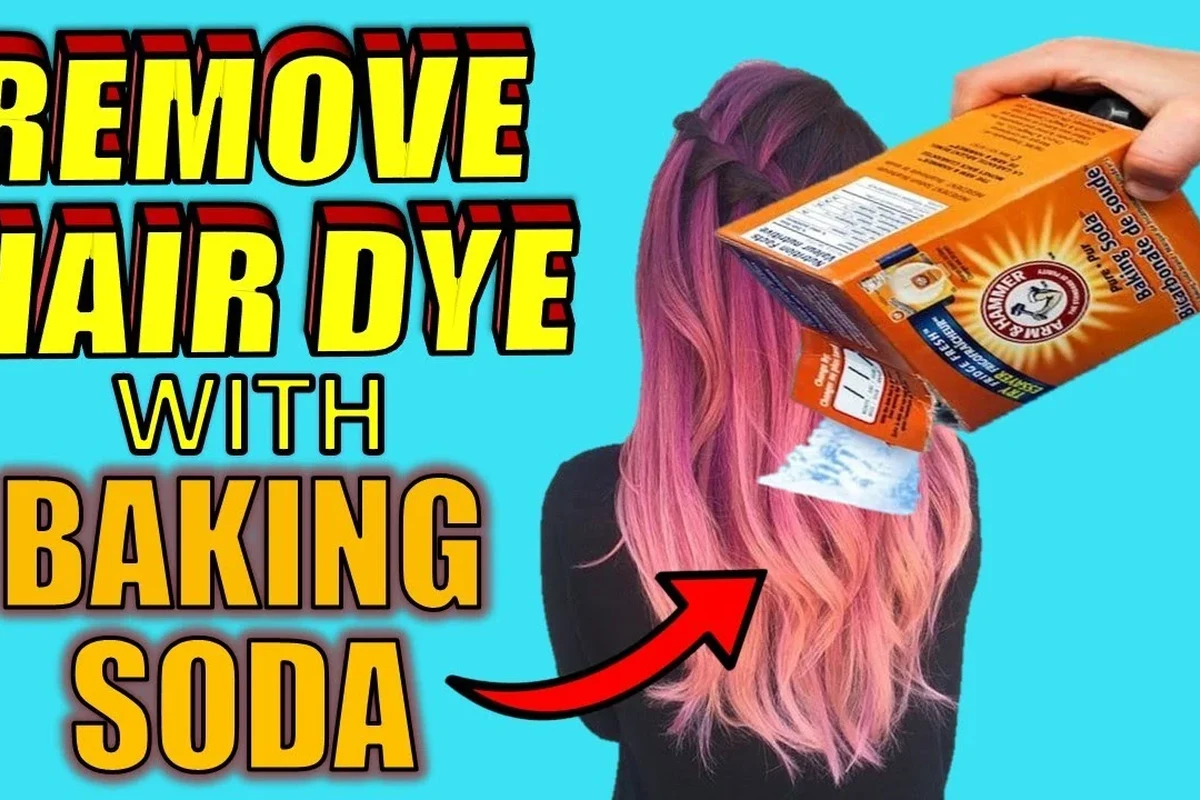
Baking soda is a mild alkaline powder, so it can help loosen oil, product buildup, and some of the color sitting on the outside of the hair shaft. That is why it sometimes appears to “remove” dye, especially when the color is fresh or not deeply set.
It is important to keep expectations realistic. Baking soda does not chemically reverse permanent hair dye the way a professional color remover or bleach-based correction can, and it will not reliably restore your natural shade.
Why people try baking soda after a dye mishap
Most people reach for baking soda after a color turns out darker, brighter, or warmer than expected. It feels like a low-cost fix that is already in the kitchen, which makes it appealing when you want to act quickly.
It is also a common choice when the problem is not a full-color disaster but a tone issue, like brassiness or a patch that looks too bold. In those cases, the goal is usually to soften the result, not erase it completely.
How baking soda interacts with hair color, buildup, and oils
Hair color sits differently depending on the dye type and the condition of the hair. Baking soda can help strip away some oils and residue, which may make deposited color appear less intense, but it does not target the dye molecules in a controlled way.
On porous hair, color can sink in more deeply, so the effect may be limited. On hair with a lot of product buildup, the change may look bigger because you are removing layers sitting on top of the hair, not just the dye itself.
When it may help slightly and when it is unlikely to work
It may help a little with fresh semi-permanent color, stain-like patches, or a tone that is sitting heavily on the surface. It can also make hair feel a bit cleaner and less coated, which sometimes improves the look of the color.
It is unlikely to do much for permanent dye, dark oxidative color, or color that has already settled into bleached or porous hair. If your hair has been processed several times, the bigger concern is damage, not just color fading.
Baking soda is abrasive and drying on hair when used too often or in strong mixes. If your hair is already fragile, chemically lightened, or your scalp is irritated, skip this method and choose a gentler option.
Safe Ways to Use Baking Soda on Dyed Hair
If you decide to try baking soda to remove hair dye, keep the method mild and short. The safest approach is to use it as a temporary color softener, not as a scrub or overnight treatment.
For readers comparing home hair hacks with other heat-and-cleaning shortcuts, the same rule applies as in the kitchen: stronger is not better. Gentle control usually gives a more predictable result than aggressive mixing or long contact time.
Baking soda and shampoo mix for gentle color softening
Mixing baking soda with a regular shampoo is usually the gentlest starting point. The shampoo helps spread the powder more evenly, so it is less likely to clump on one spot and dry the hair unevenly.
This method is best when you want slight fading, not a dramatic color strip. It is also easier to rinse out than a thick paste, which matters if your hair is already coarse, curly, or prone to tangling.
Baking soda paste for small stain or tone correction spots
A thicker paste can be used only on a small problem area, such as a patch near the hairline or a section that looks too saturated. Keep the application targeted so you do not expose the entire head to unnecessary dryness.
Do not use a gritty paste like a scrub. The goal is contact, not abrasion, and rubbing hard can rough up the cuticle and make the hair look dull or frizzy.
How often to use it without over-drying hair
Limit use to occasional attempts rather than repeated treatments. If you need more than one try, space them out and watch how your hair feels after each wash.
Dryness, rough texture, and extra tangling are signs to stop. If the hair starts to feel straw-like, baking soda is doing more harm than good.
Always test a small hidden section first. A strand test shows you whether the dye softens at all and whether your hair can handle the mix without becoming rough or overly puffy.
Step-by-Step Method for Fading Hair Dye at Home
Before you begin, gather everything you need and work near a sink with good lighting. Hair dye cleanup is easier when you can see color changes clearly and rinse quickly.
If you are also dealing with a stained tub, countertop, or towel, separate that cleanup from your hair treatment. Keeping the process organized helps you avoid overprocessing while trying to fix the mess.
Tools and ingredients needed before you start
Choose a shampoo that is not heavily moisturizing if your goal is fading, because rich conditioners can leave a coating behind. A wide-tooth comb is useful if your hair tends to tangle when wet.
Exact mixing ratios and application timing
A practical starting point is one part baking soda to two parts shampoo. Mix only enough for the area you want to treat, because fresh mixtures are easier to control than a large batch left sitting in a bowl.
Apply to damp hair, focusing on the dyed sections. Leave it on briefly, usually just a few minutes, then check the result; longer contact increases dryness more than it improves fading.
Keep the mixture away from your eyes and do not use it on broken skin or a very irritated scalp. If you feel burning, stop immediately and rinse with plenty of lukewarm water.
Rinsing, conditioning, and checking the result
Rinse thoroughly until the water runs clear and the hair no longer feels slippery from residue. Then follow with a conditioner or mask to help replace some moisture lost during the process.
Check the hair in natural light if possible. Bathroom lighting can hide brassiness or uneven fading, so a daylight check gives a more honest result.
Hair cuticles lift more easily when hair is alkaline or damaged, which is one reason baking soda can make color look lighter. That same cuticle change is also why hair can feel rougher afterward.
Hair Types, Dye Types, and Results You Can Expect
Results vary a lot because hair is not uniform. Porosity, prior bleaching, curl pattern, and the type of dye all affect how much color shifts after one treatment.
That variability is similar to baking, where the same ingredient behaves differently depending on humidity, pan size, and oven calibration. Hair care also depends on the starting condition, not just the product you apply.
Temporary, semi-permanent, and permanent dye differences
Temporary dye usually sits closest to the surface, so it is the most likely to fade with washing and mild alkaline treatment. Semi-permanent color may soften a little, especially if it is fresh.
Permanent dye is harder to move because it changes the hair internally. Baking soda may remove some surface residue, but it will not reliably undo the chemical color change.
How baking soda affects bleached, porous, curly, or color-treated hair
Bleached and porous hair often absorbs color quickly and loses moisture just as fast. That means baking soda can make the hair look lighter in spots, but it can also make the texture feel rough and fuzzy.
Curly hair may show dryness faster because the natural bends in the strand make it harder for oils to travel down the hair shaft. Color-treated hair that is already fragile needs extra caution, since repeated fading attempts can make breakage more likely.
Realistic examples of what a first, second, or third use may change
After the first use, you might notice only a small softening of tone or a slight reduction in shine from the dye. That can be enough if the color looks too intense but is not far off from what you wanted.
A second use may deepen the fade a bit, but it also raises the chance of dryness. By the third use, if the color still has not shifted much, the method is probably not the right tool for that dye.
- Low-cost and easy to find at home
- May soften fresh surface color
- Useful for small tone corrections
- Can dry hair quickly
- Not reliable for permanent dye
- May worsen damage on fragile hair
Common Mistakes That Make Hair Damage Worse
The biggest mistake is treating baking soda like a strong cleanser that should work better the longer it sits. Hair does not respond like a greasy pan, and overdoing it can leave the cuticle rough and stressed.
Another common issue is trying to fix a bad dye job with repeated harsh steps. That often changes the texture more than the color, which makes the next correction harder.
Using too much baking soda or leaving it on too long
More powder does not mean better fading. A heavy mix can cling unevenly, and leaving it on too long can make hair feel squeaky, tangled, or stiff.
If the hair feels rough while rinsing, that is a sign the treatment was too strong. Stop there rather than trying to “finish the job” with extra time.
Applying it to already dry, brittle, or chemically processed hair
Hair that has been bleached, relaxed, permed, or heat-damaged is already under stress. Baking soda can push it closer to breakage, especially on the ends where moisture is lowest.
If your ends snap easily or your hair loses stretch when wet, choose a gentler method. At that point, preserving hair health matters more than forcing a small amount of extra fading.
Skipping strand tests and ignoring scalp irritation
A strand test is the easiest way to avoid a full-head mistake. It shows whether the dye actually lifts and whether the hair reacts with extra dryness, frizz, or uneven color.
Scalp irritation should never be ignored. If you have itching, redness, or a burning feeling, rinse immediately and do not repeat the treatment.
Safer Alternatives When Baking Soda Is Not Enough
If baking soda barely changes the color, move to a more suitable option instead of repeating the same treatment. The right choice depends on whether you want to remove buildup, fade color gently, or correct a bigger mistake.
For a broader haircare approach, it can help to think in layers: first remove residue, then assess the color, then decide whether professional correction is needed.
Clarifying shampoo and anti-dandruff shampoo options
Clarifying shampoo can remove product buildup and may soften fresh color over a few washes. Anti-dandruff shampoo is sometimes used similarly because it can be more cleansing than a standard moisturizing shampoo.
These options are still drying, but they are often less aggressive than a baking soda mix. They are a sensible next step when you want gradual fading rather than a fast correction.
Color remover products versus bleach-based correction
Color removers are designed to shrink or remove artificial dye molecules, which makes them more targeted than baking soda. They are not the same as bleach, and they are usually a better match when the problem is unwanted permanent color.
Bleach-based correction is stronger and riskier, especially on damaged hair. If you are unsure, read the product directions carefully and consider the current condition of your hair before choosing a stronger chemical step.
When a salon color correction is the better choice
A salon is often the better choice when the color is very dark, uneven, or already damaged from previous attempts. A professional can judge whether the hair can handle removal, toning, or a full correction.
This is especially true if the hair has been lightened before, because overlapping chemical services increase the chance of breakage. If the fix matters for an event or work appearance, the safer path is often the more reliable one.
Hair Care After Fading Dye with Baking Soda
After any fading attempt, the main job is moisture recovery. Even if the hair looks okay right away, it may feel drier once it fully air-dries.
Give the hair time to settle before deciding whether you need another correction. Freshly washed hair can look different once it is completely dry and styled.
How to restore moisture with conditioner and masks
Use a rich conditioner after rinsing, and consider a hydrating mask if the hair feels rough. Focus on the mid-lengths and ends, where dryness usually shows first.
Do not pile on heavy protein if the hair already feels stiff. Moisture is usually the first thing to restore after an alkaline treatment.
What to avoid for the next 48 to 72 hours
Avoid another harsh wash, hot styling tools, and tight hairstyles that tug on weakened strands. Let the hair rest so you can judge the actual result without adding more stress.
If you plan to color again soon, wait until the hair feels normal again. Repeated chemical steps too close together can make the cuticle stay open and rough.
How to protect hair before future coloring sessions
Before the next dye service, start with healthier hair if possible. Regular conditioning, heat protection, and fewer overlapping chemical treatments all help create a more even result.
Also, read dye instructions carefully and do a strand test before a full application. That small step is the hair equivalent of checking oven temperature before baking a delicate cake.
Final Verdict: Is Baking Soda a Smart Way to Remove Hair Dye?
Baking soda can be a cautious at-home option when you want mild fading, especially for fresh semi-permanent color or surface buildup. It is cheap, simple, and sometimes enough to soften a mistake without buying stronger products.
But it is not the best choice for permanent dye, badly uneven color, or fragile hair. If you need a real correction, a targeted color remover or salon help is usually safer and more effective.
Use baking soda only for small, low-risk color softening jobs, and keep the treatment brief. If your hair is damaged, very dry, or the dye is stubborn, choose a gentler cleanser or a professional correction instead.
For a cautious first try, keep the mix mild, do a strand test, and stop at the first sign of dryness. If you want more predictable results, move from baking soda to clarifying shampoo, then to a proper color remover if needed.
Frequently Asked Questions
It can soften some fresh or surface-level color, but it does not reliably remove permanent dye. Results depend on the dye type, hair porosity, and how damaged the hair already is.
Mix a small amount with shampoo, apply it briefly to damp hair, then rinse well and condition. Keep the treatment short and do a strand test first.
Yes, it can dry hair out and make it feel rough if used too often or left on too long. Bleached, brittle, or chemically processed hair is at higher risk.
It is best used sparingly, not as a repeated treatment. If you do not see improvement after one or two careful tries, a clarifying shampoo or color remover is usually a better option.
Clarifying shampoo, anti-dandruff shampoo, and purpose-made color removers are usually more predictable. For major corrections, a salon color service is often the safest choice.
It is usually not a good idea because those hair types dry out and break more easily. A gentler fading method or professional help is a safer choice.

