
Baking Soda Vinegar Foot Soak Benefits and How to Use It

A baking soda vinegar foot soak may help with mild odor and tired feet, but the benefits are usually temporary. Use a mild mix, keep the soak short, and avoid it on broken or irritated skin.
A baking soda vinegar foot soak is a simple home foot-care method people try for odor, tired feet, and rough skin. It may offer short-term comfort, but it is not a cure for infections or medical foot problems.
- Mild use only: Keep the mixture gentle because stronger solutions can dry or irritate skin.
- Short soak time: Ten to 15 minutes is usually enough for comfort and freshness.
- Not a cure: It does not treat fungal infections, cracks, or other medical foot problems.
- Dry feet well: Moisture left between the toes can create new problems.
- Moisturize after: A plain lotion helps offset dryness from soaking.
Baking Soda Vinegar Foot Soak: What It Is and Why People Use It
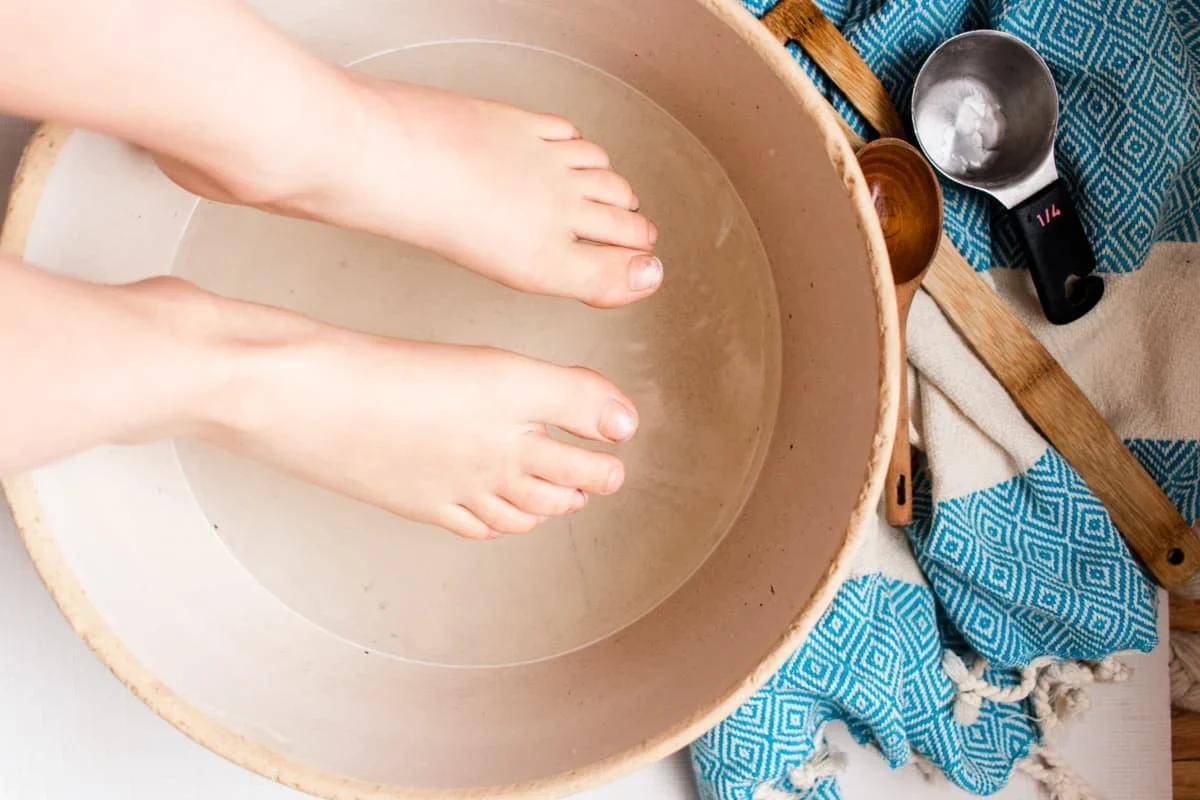
This soak combines baking soda, vinegar, and warm water in a basin or foot spa. People usually reach for it after a long day on their feet, after workouts, or when feet feel sweaty and a little rough.
What this soak is meant to do for tired, smelly, or rough feet
The main goal is comfort. Warm water can help feet feel less stiff, baking soda may help reduce odor, and vinegar is sometimes used for its acidic environment, which can leave skin feeling cleaner.
For many people, the appeal is less about a dramatic result and more about a quick reset. If you want a broader look at the chemistry behind the mix, our guide to the baking soda and vinegar reaction explained simply covers why these two ingredients fizz when combined.
Why baking soda and vinegar are paired together in home foot care
Baking soda is alkaline, while vinegar is acidic. When mixed, they react and release carbon dioxide, which creates fizz, but that reaction also neutralizes much of each ingredient’s strength.
That is why this soak is mostly a home-care comfort ritual rather than a powerful treatment. If you are curious about other household uses, our article on apple cider vinegar and baking soda benefits and uses explains where this pairing is commonly used and where it should be used carefully.
When baking soda and vinegar are mixed together, they mostly cancel each other out chemically. The fizz looks active, but the final liquid is usually much milder than either ingredient alone.
Potential Benefits, Limits, and What the Science Actually Suggests
There is a practical reason people keep trying this soak: it can feel soothing. But it helps to be realistic about what it can and cannot do.
Odor control, softening dry skin, and temporary comfort relief
Baking soda may help absorb some odor on the skin surface, and warm water can soften rough patches enough to make light filing easier afterward. Vinegar may also help feet feel fresher, especially after sweaty shoes or a long shift.
If your main issue is shoe odor rather than skin care, a dry-application approach may work better. Our guide to baking soda for shoes cleaning covers a simpler way to handle stubborn smell in footwear.
- May reduce temporary odor
- Can soften surface dryness
- Feels relaxing after standing or exercise
- Results are usually short-lived
- Can dry or irritate sensitive skin
- Not strong enough for many foot conditions
What it can’t do: fungal infections, cracked heels, and medical foot problems
This soak should not be treated as a cure for athlete’s foot, toenail fungus, deep cracks, open sores, or swelling that needs medical attention. Those problems often need targeted treatment, and delaying care can make them worse.
If you suspect a fungal issue, hygiene alone usually is not enough. In that case, a clinician or pharmacist can help you choose an evidence-based antifungal option instead of relying on a home soak.
A baking soda vinegar foot soak is for mild, temporary comfort only. It is not a substitute for diagnosis or treatment of infection, wounds, or persistent pain.
Ingredients, Ratios, and Supplies for a Safe Foot Soak
Because foot basins vary in size, the safest approach is to keep the mixture mild. More is not better here, especially when skin is already dry or sensitive.
Common measurements for a basin, bucket, or foot spa
A practical starting point is warm water plus a small amount of each ingredient. For a standard basin, many people use about 1 to 2 tablespoons of baking soda and 1/4 cup of vinegar, then adjust only if the skin tolerates it well.
For a larger bucket or foot spa, scale the ingredients gradually instead of doubling them automatically. The goal is a gentle soak, not a strong cleaning solution.
- Use a clean basin or foot spa
- Test the water temperature with your wrist first
- Keep a towel nearby
- Have moisturizer ready for after the soak
Water temperature, soaking time, and optional add-ins to avoid
Use warm, not hot, water. Hot water can strip skin oils quickly and leave feet drier, especially if you already have rough heels or sensitive skin.
Soak time is usually best kept short, around 10 to 15 minutes. Longer soaks can make the skin too soft and more prone to irritation.
Avoid adding harsh extras like bleach, essential oils, or strong detergents. Mixing random household products can irritate skin or create unsafe fumes.
Choosing the right vinegar type and why concentration matters
White vinegar is the most common choice because it is inexpensive and has a straightforward scent. Apple cider vinegar is also used, but it is not automatically gentler just because it is a kitchen staple.
Whatever type you choose, the concentration matters more than the label. Standard household vinegar is usually enough; stronger cleaning vinegar should be avoided for skin use unless a product label specifically says otherwise.
How to Use a Baking Soda Vinegar Foot Soak Step by Step
The best results usually come from a simple, careful process. Think of it like following a baking formula: the order, amount, and timing matter more than adding extra ingredients.
Wash the basin or foot spa first, then fill it with warm water deep enough to cover your feet comfortably without splashing.
Stir in the baking soda first, then add the vinegar slowly. A light fizz is normal, but you do not need a strong reaction.
Place your feet in the basin for 10 to 15 minutes. If you feel stinging, burning, or unusual dryness, stop early.
Rinse your feet with clean water if the skin feels tacky or irritated, then dry thoroughly, especially between the toes.
Apply a plain moisturizer to help lock in water and reduce dryness, but avoid putting lotion between the toes.
Preparing the basin and mixing in the ingredients correctly
Add the ingredients after the basin is already filled. That makes it easier to control the strength and prevents concentrated vinegar from sitting directly on one area of skin.
Do not assume a stronger fizz means a better soak. In home care, a gentler mixture is usually the safer and more comfortable choice.
How long to soak, when to rinse, and how to dry feet afterward
Ten to 15 minutes is enough for most people. If your skin is already soft from showering, even less time may be appropriate.
After soaking, dry carefully between the toes because trapped moisture can contribute to skin problems. If the skin feels dry or tight, use a fragrance-free moisturizer soon after drying.
Best timing for use after workouts, long shifts, or before pedicures
This soak can make sense after exercise, a day in closed shoes, or a long shift on your feet. It may also be helpful before a pedicure if your goal is to soften surface dryness first.
For a more targeted routine before foot grooming, it can help to pair the soak with a light exfoliation step. Just avoid over-scrubbing, especially if you have sensitive skin or thin heels.
Common Mistakes That Reduce Results or Cause Irritation
Most problems happen when people use too much product or soak skin that should not be soaked at all. The fix is usually to scale back and keep the process simple.
Using too much vinegar or baking soda
More ingredient does not equal more benefit. A stronger mix can leave the skin dry, stingy, or chalky without improving odor control in any meaningful way.
If you want a stronger odor-focused approach, it is often better to treat the source directly, such as shoes or socks, rather than making the foot soak harsher.
Feet feel tight, dry, or sting after the soak.
Use less vinegar, shorten the soak time, and moisturize afterward. If the skin is still irritated, stop using the soak.
Soaking broken skin, open blisters, or inflamed areas
Do not soak cuts, open blisters, or skin that is red and inflamed. Even a mild solution can sting and may delay healing if the skin barrier is already compromised.
If your feet have blisters from shoes, it is usually better to clean them gently, keep them protected, and let them heal rather than soaking them repeatedly.
Expecting the soak to replace proper foot hygiene or treatment
A foot soak does not replace washing, drying, clean socks, breathable shoes, or medical care when needed. Those basics matter more than any single home remedy.
Think of the soak as an occasional support step, not the whole routine. For odor that keeps coming back, it is often worth checking shoes, socks, and moisture control first.
Safety, Skin Sensitivity, and When to Avoid This Soak
Most healthy adults can try a mild soak occasionally, but skin sensitivity varies. The safest approach is to watch how your skin responds rather than assuming the recipe works the same for everyone.
Signs of irritation, stinging, or dryness after use
Stop using the soak if you notice burning, lingering redness, peeling, or extra dryness. Mild temporary freshness is one thing; ongoing irritation is a sign the mixture is too strong or not suitable for you.
If your feet feel more uncomfortable after the soak than before it, that is useful feedback. Reduce the frequency or switch to a simpler warm-water soak and moisturizer.
- Patch-test with a short soak first
- Use lukewarm water
- Moisturize after drying
- Using hot water
- Soaking broken or inflamed skin
- Repeating the soak too often if skin dries out
Who should check with a clinician first, including people with diabetes or circulation issues
People with diabetes, poor circulation, neuropathy, or a history of foot ulcers should check with a clinician before trying foot soaks. Reduced sensation or slower healing can turn a small irritation into a bigger issue.
If you have swelling, numbness, color changes, or pain that does not fit a simple tired-feet pattern, get medical guidance first. For foot health concerns, official medical advice is more reliable than any home-care trend.
How often to use it without over-drying the skin
For most people, occasional use is safer than daily use. If you notice dryness after one or two soaks, reduce frequency or stop and switch to a gentler routine.
A simple rule is to use it only when you actually need it, such as after an unusually sweaty day or before grooming. Repeated use without moisturizing can make the skin barrier weaker over time.
Practical Use Cases and Better Alternatives for Specific Foot Concerns
The right foot-care method depends on the problem you are trying to solve. A baking soda vinegar foot soak can be a decent fit for mild odor or end-of-day fatigue, but it is not the best answer for every foot issue.
When this soak may help with mild odor or fatigue
If your feet are simply sweaty, tired, or a little smelly after a long day, this soak may provide a quick refresh. The warm water and short soak time can also make feet feel less tense.
For a broader comparison of household odor strategies, you may also find our article on baking soda in laundry benefits useful, since the same odor-absorbing idea shows up in fabric care too.
When exfoliating foot scrubs, moisturizers, or antifungal care make more sense
If your main issue is rough, flaky skin, a gentle exfoliating scrub or pumice stone after bathing may be more effective than a vinegar soak. If the skin is simply dry, a good moisturizer and consistent use often help more than repeated soaking.
If you suspect fungus, choose antifungal care rather than a cosmetic soak. That is one of the clearest places where home remedies should give way to targeted treatment.
How to pair the soak with a simple foot-care routine
A balanced routine is usually best: wash feet daily, dry between the toes, change socks regularly, rotate shoes, and moisturize the heels and tops of the feet as needed. Use the soak only as an occasional add-on.
If you want to keep odor under control, it can also help to treat shoes directly. Our article on baking soda for shoes cleaning fits naturally with a foot-care routine because odor often starts in footwear, not the skin alone.
Final Verdict: Is a Baking Soda Vinegar Foot Soak Worth Trying?
For mild odor, tired feet, or a short comfort ritual, yes, it can be worth trying. For medical issues, deep skin cracks, or recurring foot problems, it is not the right tool.
Best-fit users, realistic expectations, and a simple decision guide
This soak is best for healthy feet that need a brief refresh after activity or a long day. Keep the mixture mild, the soak short, and the expectations modest.
If your feet improve, great. If they do not, or if they get irritated, move on to a different approach instead of increasing the ingredients.
How the Baking Pastry Schools Editorial Team would summarize safe home use in 2026
Our editorial view is straightforward: treat the baking soda vinegar foot soak as a gentle, occasional home-care option, not a cure-all. Use warm water, keep the recipe mild, avoid broken skin, and stop if the skin feels worse.
That practical approach is the safest one for 2026 and beyond. Simple methods work best when they are used carefully, with realistic expectations and proper foot hygiene in place.
Frequently Asked Questions
Start with a mild mix, such as 1 to 2 tablespoons of baking soda and about 1/4 cup of vinegar in a standard basin of warm water. The exact amount depends on basin size, but stronger is not better for skin.
Yes, many people use either one, but apple cider vinegar is not automatically gentler. Standard household vinegar is usually enough, and concentration matters more than the type.
Ten to 15 minutes is usually enough. Longer soaks can dry the skin or make sensitive areas feel irritated.
No, it should not be used as a treatment for fungal infections. If you suspect athlete’s foot or toenail fungus, use targeted care and check with a clinician or pharmacist.
Yes, rinse if the skin feels tacky or irritated, then dry your feet well, especially between the toes. Afterward, use a plain moisturizer if your skin feels dry.
People with open wounds, blisters, inflamed skin, diabetes, neuropathy, or circulation issues should check with a clinician first. Those conditions can make even mild soaks risky.