
Baking Soda Weed Killer Does It Really Work Easily

Baking soda can damage small weeds in cracks and other tight hard-surface spots, but it usually does not kill deep roots. It is best used as a limited spot treatment, not a permanent weed solution.
Baking soda weed killer is one of those home remedies people keep searching for because it sounds simple, cheap, and natural. It can help in some narrow situations, but it is not a universal fix for every weed problem.
- Best use: Small weeds in cracks, sidewalks, and driveways.
- Main limit: It often burns leaves without killing the root.
- Safety issue: It can harm nearby grass, ornamentals, and soil.
- Application tip: Light, targeted use is safer than heavy sprinkling.
What “Baking Soda Weed Killer” Means in 2026: How It Works and Why People Search for It
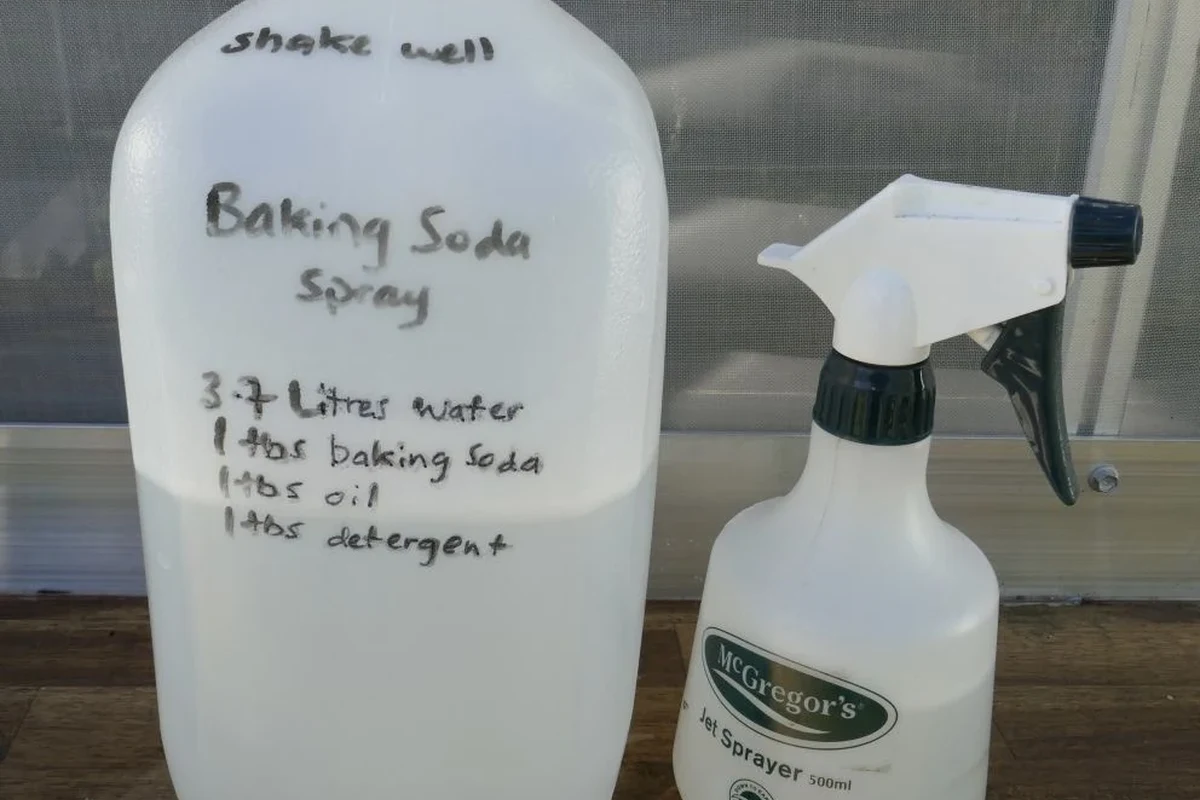
In practical terms, baking soda weed killer means using sodium bicarbonate on unwanted plants to dry them out or stress them enough to stop growing. It is not a selective herbicide, so it does not know the difference between a weed and a plant you want to keep.
The basic science behind sodium bicarbonate on unwanted plants
Baking soda is mildly alkaline and can create a harsh surface environment on tender leaves. When used heavily, it can pull moisture from plant tissue and leave a residue that makes it harder for small weeds to recover.
That effect is usually strongest on young, shallow-rooted weeds. Once a plant has a deeper root system, it can often regrow after the top growth is damaged.
Why homeowners, gardeners, and patio owners still consider it
People often reach for baking soda because it is already in the kitchen and feels less aggressive than stronger chemical weed killers. It is especially appealing for cracks, patios, and other spots where a few weeds keep returning.
For readers who like simple household solutions, it sits in the same conversation as baking soda and vinegar reaction explained simply and other everyday ingredient hacks. The key difference is that weed control is about plant damage, not cleaning fizz or odor control.
How search intent differs between natural weed control and baking uses
People searching for baking soda weed killer usually want a fast outdoor fix, not a food or baking tip. That matters because the same ingredient behaves very differently depending on whether it is used in dough, on a surface, or on a living plant.
For example, the amount that helps in a recipe is not the amount you would want to spread across soil. If you are comparing kitchen uses, it helps to remember that baking soda works by chemistry, and the result depends on context, moisture, and concentration.
Does Baking Soda Really Kill Weeds? Results, Limits, and Where It Actually Helps
The short answer is yes, sometimes. Baking soda can damage or kill small weeds, but it is much better at burning foliage than eliminating established plants from the root.
- Can damage small weeds in tight spaces
- Easy to find and inexpensive
- Useful for spot treatment in hard surfaces
- Often fails on deep-rooted weeds
- Can harm nearby plants and soil
- May need repeat applications
Best-case scenarios: cracks, driveways, sidewalks, and spot treatment
Baking soda tends to work best on tiny weeds growing in cracks, along driveway edges, and between paving stones. In those places, the goal is usually cosmetic control, not perfect long-term eradication.
Because the area is small and the weeds are often young, the top growth can dry out more quickly. That makes the result visible sooner, which is why the method gets good word of mouth.
Many home remedies look successful because they scorch leaves quickly, but that does not always mean the root system is gone.
Why it struggles in lawns, garden beds, and rooted perennial weeds
Lawns and garden beds are poor places for baking soda because the treatment is not selective. Grass, flowers, herbs, and vegetables can be damaged just as easily as the weed.
Perennial weeds are even tougher. If the root or crown survives, the plant can send up new growth after the visible part has been stressed.
What “works” means: burning foliage versus killing the root
When people say a weed killer “works,” they may mean different things. Sometimes they only want the leaves to brown so the area looks cleaner.
True control means the weed does not come back quickly. Baking soda often delivers the first result but not always the second, so expectations need to stay realistic.
How People Use Baking Soda as a Weed Killer: Common Methods and What to Watch For
There are a few common ways people try this method, and each one has tradeoffs. The biggest risk is assuming that more product will automatically mean better control.
Dry sprinkling on small weeds and the risks of overapplication
Some people sprinkle baking soda directly onto small weeds and let moisture from the air or watering activate it. This can work on very small plants, but it is easy to overdo it.
Too much powder can drift onto nearby soil and leave a residue that affects other plants. In a baking context, too much leavener can ruin texture; outdoors, too much sodium bicarbonate can create a different kind of problem by stressing the surrounding area.
Water-based spot treatments and why concentration matters
A water-based spray is often easier to aim than dry powder. The challenge is that the concentration matters a lot, and weak mixes may do very little while strong mixes may damage more than the weed.
If you use a spray bottle, apply only enough to coat the leaves. Saturating the plant and the soil underneath usually increases collateral damage without guaranteeing better root control.
Do not assume a stronger homemade mix is safer or more effective. High concentrations can damage nearby ornamentals, stain surfaces, and create lingering soil issues.
Using it with household ingredients: what’s tempting, what’s risky, and what to avoid
Mixing baking soda with other pantry ingredients is tempting because many people already use it for cleaning. But weed control is not the same as kitchen cleaning, and some mixtures can create extra mess without improving results.
If you are curious about other household combinations, it helps to understand the chemistry first, just as you would before trying can you use baking soda instead of baking powder safely in a recipe. For weeds, avoid mixing random cleaners, bleach, or unknown chemicals.
Ingredient Roles and Application Factors That Change the Outcome
With baking soda weed killer, the ingredient matters, but so do the conditions around it. Sun, heat, moisture, and plant size can change whether you see quick browning or almost no effect.
Moisture, sunlight, and heat: why timing affects visible damage
Dry, sunny weather usually makes leaf burn show up faster. Moisture can help the product stick at first, but too much rain or watering can wash it away before it has much effect.
This is similar to baking in one important way: timing affects outcome. Just as an oven’s heat and airflow change browning, outdoor conditions change how quickly plant tissue dries.
Soil contact, leaf coverage, and weed size
Small weeds with lots of exposed leaf surface are the easiest targets. The more leaf coverage you get, the more likely you are to see visible damage.
Once the product hits soil, the outcome becomes less predictable. You may reduce the weed’s chances, but you also increase the chance of affecting nearby plants or changing the soil environment.
Why salt-like residue can create longer-term soil problems
Baking soda leaves behind sodium, and repeated use can build up residue. That can make soil less friendly to desirable plants over time, especially in small planting areas or compact spots.
That is one reason many gardeners treat it as an occasional spot tool rather than a regular maintenance method. If you are already dealing with stubborn residue indoors, you may have seen similar buildup issues in baking soda vinegar cleaning ovens, where cleanup matters just as much as the first application.
Safety, Surface Damage, and Environmental Concerns Before You Spray or Sprinkle
Before using baking soda outdoors, think beyond the weed itself. Nearby plants, surfaces, pets, and runoff all matter, especially in small yards or high-traffic areas.
Effects on nearby grass, ornamentals, and edible plants
Baking soda can injure grass and ornamentals if it drifts onto them. Edible plants are especially sensitive because you do not want to leave an untested residue near something you plan to harvest.
If the weed is close to a border plant, a vegetable bed, or a herb container, a hand pull or targeted physical removal is usually safer.
Potential damage to concrete, pavers, and metal fixtures
Hard surfaces can usually handle a light spot treatment better than a bed of living plants, but residue can still leave a mess. On decorative stone, pavers, or metal fixtures, any cleaning or weed treatment should be tested carefully in a small area first.
For readers who already use baking soda around the house, the same caution applies when comparing it with other cleaning-style uses such as baking soda for shoes cleaning. A product that is gentle on fabric may still be too harsh for plants or soil.
Pets, children, runoff, and responsible cleanup after treatment
Keep pets and children away from treated spots until the area is dry and cleaned up. Loose powder can be tracked indoors, and runoff can spread the material farther than intended.
After treatment, sweep up excess residue from hard surfaces so it does not keep moving into drains, borders, or lawn edges. If a large amount was used, rinse carefully and avoid sending concentrated runoff into planting beds.
Wear gloves and avoid inhaling fine powder when applying baking soda outdoors. If you have sensitive plants nearby, shield them before any spot treatment.
Common Mistakes People Make with Baking Soda Weed Control
Most problems come from treating baking soda like a miracle fix. In reality, it is a limited tool that works best when used carefully and on the right kind of weed.
Using too much and assuming stronger means better
More product does not always mean better control. Heavy application can damage the soil, leave white residue, and create a cleanup job that is worse than the weed itself.
This is a familiar mistake in baking too. Whether you are dealing with leavening or weed control, excess can turn a simple task into a failure.
Expecting permanent control from a single application
A single treatment may brown the top of the weed and still leave the root alive. If the plant is established, you may see regrowth after a short time.
That is why many homeowners use baking soda only as a temporary cosmetic fix, not a long-term weed management plan.
Applying it in windy, wet, or high-traffic areas
Wind can carry powder where you do not want it. Wet weather can dilute the treatment, and high-traffic areas can spread residue on shoes and paws.
If the area is busy or exposed, a physical method is often cleaner and more predictable. That is especially true near patios, walkways, and play spaces.
- Use it only on small, isolated weeds
- Apply lightly and target the leaves
- Clean up leftover residue after treatment
- Blanket-spraying entire lawn areas
- Mixing with random household chemicals
- Assuming one application will solve everything
Better Alternatives and When Baking Soda Is Not the Right Choice
Sometimes the best weed control is the method that causes the least collateral damage. If your goal is long-term control, baking soda may not be the strongest option.
Manual removal, mulching, and boiling water for small infestations
Hand pulling works well for small weeds, especially after rain when the soil is softer. Mulch can help prevent new seedlings from getting the light they need.
Boiling water can be effective on cracks and isolated spots, but it requires care because burns are a real risk. If you are interested in simple ingredient-based approaches, you may also like learning about clean drains with vinegar baking soda fast and easy, where the method is about cleaning rather than plant control.
Targeted herbicides and when they may be more effective
For persistent weeds, a targeted herbicide may be more effective than a pantry ingredient. The right product depends on the weed type, where it is growing, and whether you need a selective or non-selective option.
Always follow the label instructions and local rules. For safety, readers should check recognized guidance from official sources and product labels before using any herbicide.
Choosing the right method based on weed type, location, and maintenance goals
If the weed is tiny, isolated, and growing in a crack, baking soda may be worth trying as a spot treatment. If the weed is in a lawn, a bed, or a place you care about preserving, a different method is usually smarter.
Think about the job you actually want done: temporary cosmetic suppression, complete removal, or prevention of new growth. That decision matters more than the ingredient itself.
Final Verdict: Is Baking Soda Weed Killer Worth Trying for Easy Weed Control?
Baking soda weed killer can be worth trying for quick, shallow, or cosmetic weed suppression in small hard-surface areas. It is not the best answer for deep roots, lawns, or anything growing close to plants you want to keep.
Best-use recap for quick, shallow, or cosmetic weed suppression
Use it when the weed is small, isolated, and easy to target. It can make a crack, edge, or patio look cleaner without requiring a trip to the store for a specialized product.
When to skip it and choose a safer or more effective option
Skip it when the area includes grass, edible plants, ornamentals, or valuable soil. Also skip it when the weed is large, established, or likely to regrow from the root.
Practical decision guide for Baking Pastry Schools readers managing outdoor spaces
If you like simple home solutions, baking soda is a reasonable experiment for very limited weed problems. If you need durable control, choose a method that matches the plant, the surface, and the level of risk you are willing to accept.
For most readers, the easiest answer is this: baking soda can help in a pinch, but it is best treated as a spot tool, not a full weed management plan. Use it carefully, clean up after it, and switch methods when the situation calls for something stronger or safer.
Frequently Asked Questions
Usually not. It may burn the leaves of small weeds, but established plants can regrow if the root survives.
It works best on tiny weeds in cracks, driveways, sidewalks, and other small hard-surface spots where you only need cosmetic control.
Yes. Baking soda can injure nearby grass, ornamentals, and edible plants if it drifts onto them or reaches the soil in large amounts.
It is not a reliable weed-control method. The reaction is short-lived, and the mixture can create extra mess without improving long-term results.
Using too much. Heavy application can harm soil, leave residue, and create runoff problems without guaranteeing better weed removal.
For small infestations, try hand pulling, mulching, or careful boiling water use. For tougher weeds, a targeted herbicide may be more effective if used according to the label.