
Banana Nut Bread No Baking Soda Easy Moist Recipe

Yes, banana nut bread can be made without baking soda if you use ripe bananas, careful measuring, and the right mixing method. The loaf will be slightly less lofty, but it can still be moist, tender, and flavorful.
Banana nut bread can still be soft, moist, and flavorful without baking soda. The key is using ripe bananas, the right mixing method, and enough supporting ingredients to keep the loaf tender and balanced.
- Ripe bananas matter most: They add sweetness, moisture, and some natural structure.
- Measure flour carefully: Too much flour is one of the fastest ways to make the loaf dense.
- Mix gently: Overmixing develops gluten and can make quick bread tough.
- Use baking powder if needed: It is the easiest lift option when baking soda is unavailable.
Why Banana Nut Bread Can Work Without Baking Soda
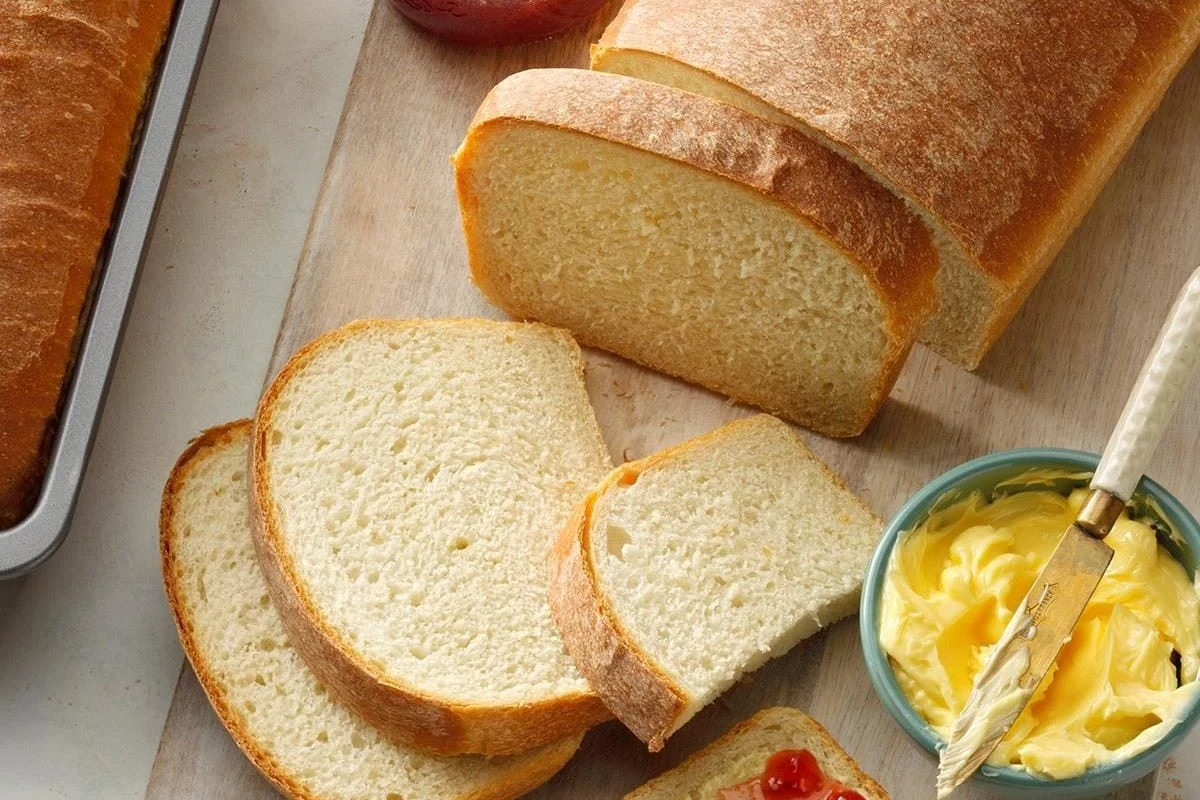
Baking soda is a fast-acting leavener, but it is not the only path to a good quick bread. A loaf can rise from eggs, baking powder, air trapped during mixing, and the steam created by moist ingredients in the oven.
If you want a deeper look at how leaveners behave in baking, our guide on the difference between baking soda and baking powder is a helpful starting point. It explains why one ingredient is not always a direct swap for the other.
What baking soda normally does in quick breads
Baking soda reacts with acidic ingredients such as yogurt, sour cream, buttermilk, brown sugar, or very ripe bananas. That reaction releases carbon dioxide, which helps the batter rise and also softens the crumb.
Without baking soda, the loaf may rise a little less sharply, but it does not have to become heavy. You can still get a pleasant, sliceable bread if the recipe is built around moisture, eggs, and careful mixing.
How ripe bananas, eggs, and other ingredients affect lift and texture
Very ripe bananas do more than add flavor. They bring moisture, natural sugar, and a soft mashed texture that helps the batter bake into a tender loaf.
Eggs provide structure and help trap air, while butter or oil contributes richness and softness. If the recipe includes yogurt or sour cream, that extra moisture can improve tenderness even when baking soda is omitted.
Why searchers want a banana nut bread no baking soda version in 2026
Many home bakers search for a banana nut bread no baking soda recipe because they are out of baking soda, want a simpler pantry loaf, or are comparing leavening options. Some are also trying to use what they already have without a special shopping trip.
That said, if your bananas are very ripe and your pantry has baking powder, you may still be able to make a strong loaf. If you are deciding whether a soda-free version is the best fit, our article on using baking soda instead of baking powder safely can help clarify the difference.
For a soda-free loaf, use bananas that are heavily speckled or mostly brown. They mash more smoothly and give better sweetness, which helps the bread taste full even with fewer leavening ingredients.
Ingredient Roles That Matter Most in a No-Baking-Soda Loaf
When baking soda is missing, ingredient quality matters even more. Each component has to do a little extra work to support rise, tenderness, and flavor.
Banana ripeness, moisture, and natural sweetness
Bananas that are too firm can leave the loaf bland and dry. Overripe bananas, on the other hand, add sweetness and a softer batter, which usually improves the finished texture.
Too much banana can also make the loaf wet in the center, so balance matters. If your bananas are extra large, consider reducing another liquid slightly rather than adding them all without adjustment.
Flour choice and how it changes crumb structure
All-purpose flour is the most reliable choice for a standard loaf. It gives enough structure to hold the banana moisture without making the bread tough.
Whole wheat flour can work, but it absorbs more liquid and usually makes the crumb denser. If you want a lighter result, use part whole wheat and part all-purpose flour instead of switching all at once.
Eggs, butter, yogurt, sour cream, or baking powder as supporting leavening options
Eggs are especially important in a no-baking-soda loaf because they help the batter set and rise. Butter adds flavor, while yogurt or sour cream can keep the bread moist and slightly tangy.
Baking powder is the most common backup leavener if you do not have baking soda. It already contains both an acid and a base, so it can lift the loaf without depending on the bananas alone.
If you use baking powder, the loaf may taste a little cleaner and less tangy than a soda-based banana bread. That is normal and often preferred in a mild, family-friendly loaf.
Walnuts or other nuts: flavor, texture, and moisture balance
Walnuts add crunch and a slightly bitter note that balances the sweetness of bananas. Pecans, hazelnuts, or chopped almonds can also work, depending on the flavor you want.
Too many nuts can make the loaf feel dry or crumbly, especially if the batter is already on the thick side. A moderate amount gives the best contrast without overwhelming the bread.
Toasted nuts often taste stronger in banana bread because heat brings out their aroma. Let them cool before mixing so they do not warm the batter or melt the butter too early.
How to Measure for Consistent Moist, Tender Results
Measurement errors are one of the biggest reasons quick breads turn out dense. In soda-free banana bread, that problem becomes even more noticeable because there is less chemical lift to rescue the batter.
Why cup packing, banana mashing, and flour overmeasuring cause dense bread
Packed flour can add far more dry ingredient than the recipe expects. That extra flour absorbs moisture and can make the loaf dry, heavy, or short.
Banana mashing also matters. If the bananas are only lightly mashed, the batter may not mix evenly; if they are puréed too aggressively, the loaf can become overly wet and slightly gummy.
Best measuring methods for dry and wet ingredients
For the most consistent results, spoon flour into the measuring cup and level it off, or use a kitchen scale if you have one. Measure brown sugar lightly packed only if the recipe specifies it, because sugar style changes the final moisture and sweetness.
For bananas, measure by volume only after mashing if the recipe gives a cup amount. If not, use the number of bananas listed and choose ripe ones of similar size for better consistency.
Practical measurement examples for a standard loaf pan
A typical 9 x 5-inch loaf pan works well for most banana bread recipes, but some smaller pans can overflow if the batter is too full. Fill the pan about two-thirds to three-quarters full unless the recipe says otherwise.
If you are using a smaller pan, expect a slightly longer bake time and check early for browning. Pan material also matters: dark pans brown faster, while glass and light metal usually bake a little more gently.
Batter Method and Mixing Choices That Prevent Tough Bread
Quick breads are sensitive to overmixing. Once flour is added, the batter should be handled just enough to combine it, not beaten like a cake batter.
How to combine wet and dry ingredients without overmixing
Mix the wet ingredients first so the bananas, eggs, fat, and sugar are evenly distributed. Then add the dry ingredients and stir only until the flour streaks disappear.
A few small lumps are fine. They usually bake out, while overmixing can develop too much gluten and make the loaf chewy instead of tender.
When to fold in nuts and add-ins for even distribution
Fold nuts in at the very end so they stay evenly spread through the batter. If you add them too early, they can sink or get broken up by too much stirring.
If you are using chocolate chips, dried fruit, or seeds, coat them lightly in flour first. That small step can help prevent sinking in a soft banana batter.
Common mixing mistakes that make no-soda banana bread gummy or flat
One common mistake is stirring until the batter looks perfectly smooth. That usually means the flour has been worked too much, which can create a tough crumb.
Another issue is using too much banana or too much liquid dairy at the same time. The loaf may rise in the oven and then collapse slightly as it cools if the structure cannot support the moisture.
Raw eggs and raw flour can carry food safety risks. Follow USDA or FDA guidance on safe handling, keep batter away from children who may taste it, and wash tools and hands after mixing.
Baking Time, Temperature, and Doneness Checks for a Reliable Loaf
Banana bread without baking soda often needs careful baking rather than a dramatically different oven temperature. The goal is to set the center without drying the edges.
Ideal oven temperature and pan size considerations
Most standard banana bread loaves bake well in a moderate oven, often around 350°F, though the exact temperature depends on the recipe and your oven calibration. If your oven runs hot, the crust may brown too quickly before the center is done.
Dark pans, glass pans, and filled loaf pans can all change bake time. Always rely on the recipe first, then adjust based on how your specific pan and oven behave.
Visual cues, toothpick testing, and internal temperature targets
Look for a loaf that is set in the center, lightly browned on top, and beginning to pull away from the sides of the pan. A toothpick inserted in the center should come out with a few moist crumbs, not wet batter.
For a more precise check, many bakers use an instant-read thermometer. Banana bread is usually done when the center reaches a baked-cake range, though exact targets can vary by recipe and ingredient load.
How to tell the difference between underbaked center and overbrowned crust
An underbaked center often feels soft, sinks slightly when pressed, or leaves batter on the tester. The crust may look finished while the middle still needs time.
If the top is browning too fast, tent it loosely with foil and continue baking. That protects the crust while the heat finishes the center.
Preheat the oven, line or grease the pan, mash the bananas, and mix the batter only until combined.
Bake until the top is set and a tester shows moist crumbs, checking early if your pan is dark or small.
Cool in the pan briefly, then move to a rack so steam does not trap moisture and make the loaf soggy.
Troubleshooting Banana Nut Bread Without Baking Soda
Even a simple loaf can go wrong for small reasons. The good news is that most no-soda banana bread problems have practical fixes.
Why the loaf may sink, turn dense, or taste eggy
A sinking loaf usually points to too much moisture, underbaking, or too much leavener of another kind. Dense bread often comes from overmeasured flour or overmixed batter.
An eggy taste can happen if the batter has too many eggs for the amount of flour and banana, or if the loaf is removed before the center fully sets. Letting the bread cool fully often softens that flavor impression.
The loaf is dense and heavy.
Check flour measurement, stop mixing sooner, and make sure the bananas are ripe enough to contribute moisture and sweetness.
How to fix dryness, excess moisture, or a heavy crumb
If the loaf is dry, the most likely causes are too much flour, too long in the oven, or not enough fat. Next time, weigh ingredients if possible and start checking for doneness earlier.
If the loaf is wet or gummy, reduce banana slightly, cool the bread fully before slicing, and make sure the center is actually baked through. A hot loaf can seem underdone even when it is simply still steaming.
What to do if you only have baking powder, self-rising flour, or very ripe bananas
If you have baking powder, that is the easiest substitute for lift in a soda-free recipe. If you use self-rising flour, remember that it already contains leavening and salt, so the recipe should be adjusted to avoid over-leavening or oversalting.
Very ripe bananas are excellent for flavor, but they can also push the batter toward extra moisture. If the bananas are extremely soft and dark, keep the rest of the wet ingredients modest and avoid adding too much dairy.
- Use ripe bananas and measure flour carefully
- Fold in nuts at the end
- Check the center before removing the loaf
- Adding flour by scooping straight from the bag
- Overmixing until the batter is silky smooth
- Slicing before the loaf is fully cooled
Storage, Food Safety, and Make-Ahead Handling
Banana bread stores well, but only if it is cooled and wrapped correctly. Warm bread trapped in plastic can sweat and turn the crust soft.
Cooling completely before wrapping or slicing
Let the loaf cool in the pan for a short time, then move it to a rack until fully cool. Slicing too soon can compress the crumb and make the texture seem gummy.
Cooling also matters for storage. If you wrap a warm loaf, steam will collect and shorten its best texture window.
Room temperature, refrigerator, and freezer storage timelines
Room-temperature storage works well for short-term keeping if the loaf is fully cooled and wrapped tightly. For longer storage, freezing is usually the best way to protect texture.
Refrigeration can extend shelf life, but it may dry the crumb faster than room temperature storage. If you refrigerate, wrap the loaf well and warm slices before serving.
Safe reheating and how to keep texture moist after storing
Reheat slices gently so they do not dry out. A short time in a toaster oven or microwave can restore softness, especially if you cover the slice loosely or add a thin spread of butter.
If you want more storage guidance for ingredients and pantry items, our article on how to tell when baking soda expires is useful for keeping your baking shelf organized and fresh.
Final Verdict: When Banana Nut Bread No Baking Soda Is the Best Choice
A soda-free banana nut bread is a smart choice when you want a simple pantry loaf, a slightly milder flavor, or a recipe that relies on bananas and eggs for structure. It can be soft and satisfying when the ingredients are measured carefully and the batter is not overworked.
Best use cases for a simple pantry-friendly loaf
This version works especially well when you have ripe bananas, eggs, flour, butter, and nuts on hand. It is also useful when you want a straightforward loaf without the sharper rise and flavor shift that baking soda can create.
When to choose a classic baking-soda version instead
If you want a taller rise, a more open crumb, or a stronger banana bread aroma, a traditional baking-soda recipe may be the better fit. That is especially true when the batter includes an acidic ingredient that baking soda can use effectively.
Recap of the most important technique points for a successful easy moist recipe
For the best banana nut bread no baking soda result, use very ripe bananas, measure flour carefully, mix only until combined, and bake until the center is truly set. Those small habits matter more than any single ingredient swap.
If you want to compare leavening behavior in more detail, the most relevant next step is understanding when baking powder can stand in for baking soda and when it cannot. That knowledge makes it much easier to adapt quick bread recipes without guessing.
Choose a no-baking-soda banana nut bread when you want a simple, moist loaf built from ripe bananas, eggs, and careful mixing. Choose a classic baking-soda version when you want extra lift and a more traditional quick-bread rise.
Frequently Asked Questions
Yes, but the loaf usually rises less than a baking-soda version. Eggs, baking powder, and proper mixing help support the structure.
Baking powder is the most common substitute for lift in banana bread. If you use self-rising flour, reduce or remove other leavening and salt as needed.
Dense banana bread is often caused by too much flour, overmixing, or bananas that are not ripe enough. Measuring carefully and mixing only until combined usually helps.
The top should be set and lightly browned, and a toothpick should come out with moist crumbs, not wet batter. An instant-read thermometer can also help confirm the center is baked through.
Yes. Cool it completely, wrap it well, and freeze it for longer storage. Thaw at room temperature and rewarm slices gently if needed.
It is safer not to taste raw batter because it may contain raw eggs and raw flour. Follow USDA or FDA food safety guidance and wash tools and hands after mixing.