
Banana Nut Bread No Baking Soda Easy Moist Recipe
Banana nut bread can still be moist and flavorful without baking soda if you use very ripe bananas, accurate flour measurements, and gentle mixing. Baking powder, whipped eggs, or a denser no-leavener method can all work depending on the texture you want.
Banana nut bread no baking soda can still turn out soft, moist, and flavorful when the recipe is built around ripe bananas, proper mixing, and the right pan. The key is understanding what baking soda normally does so you can replace its lift with other structure and moisture cues.
- Ripe fruit matters: Very ripe bananas add sweetness, moisture, and some natural lift.
- Structure matters: Eggs and properly measured flour help a soda-free loaf hold together.
- Mix gently: Overmixing makes the crumb tough and can reduce tenderness.
- Watch doneness closely: Use a tester and cooling time to avoid a wet or collapsed center.
Why Banana Nut Bread Without Baking Soda Still Works in 2026
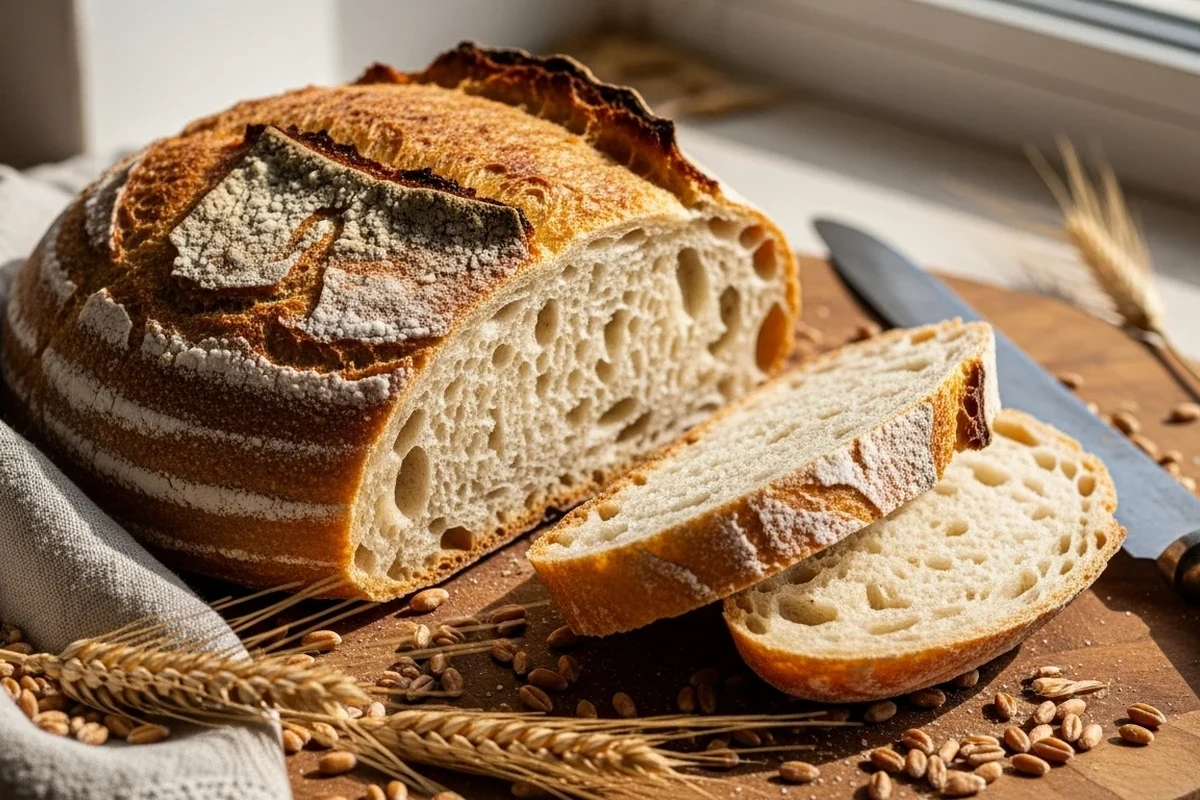
Banana bread does not depend on baking soda alone to rise. In a well-balanced loaf, eggs, flour, and the air you mix into the batter can provide enough structure for a tender slice, especially when the bananas are very ripe and naturally soft.
This is also why soda-free banana bread often tastes a little different from a classic version. It may be slightly more compact, but it can still bake up moist and pleasant if the batter is not overmixed and the oven heat is steady. For readers comparing leaveners, our guide on baking soda and baking powder basics explains why the two ingredients behave differently in quick breads.
How leavening changes when baking soda is missing
Baking soda creates lift by reacting with acids in the batter and releasing carbon dioxide quickly. Without it, the loaf loses that fast chemical boost, so the batter has to rely more on trapped air, eggs, and any baking powder you choose to use.
That does not mean the bread will fail. It simply means the crumb may be a little tighter, and the recipe needs careful balance so the center cooks through before the edges dry out.
Why overripe bananas, eggs, and mixing method matter more than usual
Overripe bananas bring sweetness, moisture, and a softer mash that helps the loaf feel rich even without soda. Eggs matter because they set into structure as the bread bakes, which helps support a slice that would otherwise be too heavy.
Mixing method matters too. When soda is missing, overmixing can make the loaf dense and chewy, while under-mixing can leave flour pockets. A gentle hand gives the batter enough strength without turning the crumb tough.
Use bananas with heavily speckled peels or darker skins for the best flavor and moisture. If they are not ripe enough, the bread will taste flatter and usually need extra sugar to seem balanced.
Ingredient Roles in a No-Baking-Soda Banana Nut Bread
In a soda-free loaf, every ingredient has to do a little more work. That is why it helps to think about each item as a structural choice, not just a flavor choice.
Bananas as moisture, sweetness, and natural lift
Bananas are the main moisture source in banana bread, and they also add natural sweetness. Very ripe bananas mash smoothly, which helps the batter blend evenly and keeps the crumb from turning dry.
They also contribute a small amount of lift because their soft texture and sugar content help the batter expand in the oven. That effect is modest, but in a quick bread it matters more than many bakers expect.
Eggs, flour, fat, and sugar in a soda-free loaf
Eggs provide structure, richness, and some air when beaten into the batter. Flour builds the framework, while butter or oil helps the crumb stay tender instead of dry and crumbly.
Sugar does more than sweeten. It holds moisture, supports browning, and softens the final texture. If you reduce sugar too much in a no-baking-soda loaf, the bread can taste less balanced and feel drier than expected.
If your recipe uses yogurt, sour cream, or buttermilk, that added acidity can help flavor and tenderness. It may also make the loaf a better candidate for baking powder if you want a little more rise.
Best nuts to use and how to toast them for stronger flavor
Walnuts are the classic choice because their slightly bitter, earthy flavor pairs well with sweet banana. Pecans are softer and sweeter, so they make the loaf taste richer and more dessert-like.
Toasting nuts before adding them deepens their flavor and reduces any raw taste. Spread them in a single layer and warm them briefly until fragrant, then cool them before folding them into the batter so they do not melt the fat or overheat the mixture.
How to Build the Right Texture Without Baking Soda
The goal is not to force a big rise. The goal is a loaf that is moist in the center, even in the middle, and tender enough to slice cleanly once cooled.
Choosing between baking powder, whipped eggs, or no extra leavener
You can make banana nut bread without baking soda in three main ways: use baking powder, rely on whipped eggs, or make a denser loaf with no extra leavener at all. Baking powder is usually the easiest option for home bakers because it gives a more predictable rise.
Whipped eggs work best when you want a lighter crumb and are willing to beat more air into the batter. If you use no extra leavener, expect a compact, almost pound-cake-like texture that still can be delicious when the banana flavor is strong.
Best for a familiar quick-bread rise and a softer, lighter crumb.
Best when you want lift without chemical leavening and do not mind a more delicate mixing process.
Best for a dense, moist loaf with a simple, cake-like slice.
Measuring flour correctly to avoid a dense or gummy center
Too much flour is one of the fastest ways to ruin banana bread. If you scoop directly from the bag, you can pack in extra flour and end up with a dry loaf that still feels underbaked in the center because the batter is too thick to cook evenly.
For better consistency, spoon flour into the cup and level it off, or use a kitchen scale if you already bake that way. This matters even more in a soda-free recipe because there is less lift to compensate for a heavy batter.
Raw flour and raw eggs can carry food safety risks. Use standard food handling practices and follow recognized guidance from the USDA or FDA for safe baking and storage, especially if you are serving children, older adults, or anyone with a higher foodborne illness risk.
Mixing methods that keep the crumb tender instead of tough
Mix the wet ingredients until smooth, then add the dry ingredients and stir only until the flour disappears. Once flour is hydrated, overmixing develops gluten, which makes the loaf tougher and less tender.
Fold in the nuts at the end with just a few strokes. That keeps the batter from deflating if you have whipped eggs or beaten extra air into the mixture.
- Use very ripe bananas
- Measure flour carefully
- Toast nuts for better flavor
- Line or grease the pan well
Step-by-Step Baking Method for a Moist, Even Loaf
A good method matters as much as the ingredient list. Banana bread is forgiving, but it still depends on even heat, the right pan size, and enough cooling time to set properly.
Pan size, oven temperature, and batter consistency cues
A standard loaf pan is usually the safest choice for this kind of recipe, but pan dimensions can vary by brand, so check the size if your loaf tends to overflow or bake too quickly. A darker pan can brown the crust faster, while a lighter metal pan may bake a little more gently.
The batter should be thick but spoonable, not pourable like cake batter. If it looks dry and stiff, it may have too much flour; if it looks runny, the loaf may bake unevenly and sink in the middle.
Grease the loaf pan or line it with parchment for easier release. This helps protect the loaf while it is still soft and fragile.
Mash the bananas well, then whisk them with eggs, sugar, and fat until combined. If using vanilla, yogurt, or sour cream, add them here.
Stir in flour, salt, and any baking powder just until no dry streaks remain. Fold in nuts at the end.
Place the pan in the center of the oven and bake until the top is browned and the middle is no longer wet when tested.
How to tell when the loaf is done without overbaking
Banana bread is done when the top springs back lightly, the edges pull slightly from the pan, and a tester inserted into the center comes out with only a few moist crumbs. If the tester comes out with wet batter, it needs more time.
Be careful not to confuse banana moisture with raw batter. A crumbly tester with no wet streaks is a better sign than a perfectly dry one, because overbaking can make the loaf taste dull and dry.
Mix the batter just until combined and transfer it promptly to the pan.
Watch for even browning and a set center rather than relying only on color.
Let the loaf rest before slicing so the crumb can finish setting.
Cooling, slicing, and handling the loaf so it does not collapse
Cooling is not optional. If you cut banana bread too soon, steam escapes quickly and the crumb can compress or look gummy even when the loaf is technically baked.
Let it rest in the pan briefly, then move it to a rack so air can circulate around the sides. Slice only when it is warm, not hot, for the cleanest texture and least collapse.
Common Mistakes When Making Banana Nut Bread Without Baking Soda
Most problems in soda-free banana bread come from expecting the loaf to behave like a standard quick bread with chemical lift. Once you know the common failure points, the fixes are usually simple.
Using underripe bananas and expecting a sweet, soft crumb
Underripe bananas do not bring the same sweetness or mashability as very ripe bananas. The loaf can taste flat and feel firmer because the fruit has not broken down enough to help with moisture and flavor.
If your bananas are still yellow with little or no spotting, the bread may need extra ripening time before baking. That small delay often makes a bigger difference than adding more sugar later.
Adding too much flour, too many nuts, or too much liquid
Too much flour makes the loaf heavy, while too many nuts can interrupt the crumb and make slicing difficult. On the other hand, too much liquid can leave the center soft and under-set even after the top looks done.
Keep the batter balanced. Nuts should support the loaf, not dominate it, and any extra wet ingredient should be added only if the recipe is designed for it.
The loaf looks browned but the middle is still dense or wet.
Use a smaller amount of batter in the pan, check flour measurement, and verify oven temperature with an oven thermometer if baking problems keep happening.
Confusing underbaked centers with normal moisture from bananas
Banana bread is naturally moist, so the center will never feel dry like a plain sandwich loaf. That can make it hard to judge doneness by touch alone.
Use a tester and look for set structure, not dryness. If the loaf jiggles in the center or leaves wet batter on the tester, it needs more baking time even if the crust already looks finished.
Flavor Variations and Ingredient Swaps That Still Keep the Loaf Balanced
Once you understand the base structure, it becomes easier to adjust flavor without breaking the loaf. The trick is to swap carefully so the texture stays stable.
Walnuts versus pecans, and when each works best
Walnuts are best when you want a classic banana bread flavor with a little bitterness to balance the sweetness. Pecans work better when you want a softer, buttery finish that feels richer and more dessert-like.
You can also mix the two if you want both texture and flavor contrast. Just keep the total nut amount reasonable so the loaf still slices cleanly.
Best for a traditional flavor and a firmer nut bite.
Best for a sweeter, softer flavor profile with a buttery finish.
Best for more texture variety without changing the base recipe much.
Using brown sugar, cinnamon, vanilla, or yogurt for deeper flavor
Brown sugar adds molasses notes and helps the loaf stay moist. Cinnamon and vanilla round out the banana flavor, while yogurt can add tang and tenderness that make the bread taste fuller.
If you use yogurt or sour cream, keep an eye on batter thickness. The loaf should still feel balanced, not loose or soupy.
Gluten-free or whole-wheat adjustments and what texture changes to expect
Whole-wheat flour usually makes banana bread a little denser and more nutty in flavor. That can work well in a soda-free loaf, but the crumb will be less soft than with all-purpose flour.
Gluten-free blends vary widely by brand, so texture changes are normal. Some blends absorb more liquid, while others need extra binding, so the final loaf may need testing and adjustment rather than a direct one-to-one expectation.
- Use small, tested ingredient swaps
- Keep the batter thick but spoonable
- Adjust bake time if the pan changes
- Changing several ingredients at once
- Adding extra nuts without reducing batter strain
- Expecting the same texture from every flour
Storage, Freezing, and Food Safety for Banana Nut Bread
Banana bread stores well, but moisture is both a benefit and a risk. Good wrapping keeps the loaf pleasant to eat, while poor storage can make it stale or encourage spoilage.
How long it keeps at room temperature, in the fridge, and in the freezer
Exact storage time depends on the recipe, humidity, and how much fruit is in the loaf. In general, keep banana bread in a covered container at room temperature for short-term use, refrigerate it if your kitchen is warm or the recipe is very moist, and freeze it for longer storage.
If you are unsure, follow standard food safety guidance and check for visible spoilage, off odors, or unusual texture before eating.
How to wrap slices to preserve moisture and prevent freezer burn
For freezing, wrap individual slices tightly so you can thaw only what you need. A second layer, such as a freezer bag or airtight container, helps reduce freezer burn and keeps the bread from picking up odors.
Thaw slices at room temperature or warm them gently. Avoid overheating, which can dry out the crumb and make the nuts taste stale.
Signs the loaf has gone stale or should be discarded
A stale loaf usually feels dry, firm, and less aromatic, but it may still be safe if stored properly and not moldy. If you see mold, notice a sour or fermented smell, or find a slimy texture, discard it.
When in doubt, do not taste questionable baked goods to check safety. That is especially important with moist quick breads, which can hide spoilage longer than drier cakes.
Let the loaf cool before wrapping it for storage. Trapped steam can create sogginess and may shorten shelf life by encouraging condensation inside the container.
When This Recipe Is the Best Choice and When to Use Baking Soda Instead
Banana nut bread no baking soda is a smart choice when you want a simple loaf, have no soda on hand, or prefer a slightly denser crumb. It is also useful when the bananas are very ripe and you want their flavor to stay front and center.
Best use cases for a soda-free banana nut bread recipe
This version works well for home bakers who want a reliable, moist loaf without depending on an exact acid-soda reaction. It is also a good fit when you want to highlight nuts, vanilla, cinnamon, or brown sugar rather than a more airy structure.
If you are curious about why some recipes react so strongly in the oven, our article on the baking soda reaction explained simply shows how chemical leavening changes texture and rise.
Situations where baking soda gives a better rise or flavor balance
Baking soda can be the better choice when the batter contains enough acid to activate it and you want a lighter, more open crumb. It also helps neutralize some of the banana’s acidity and can improve browning and flavor balance in certain recipes.
If you do not have soda but want a more traditional rise, you can compare your options carefully with guidance on using baking soda instead of baking powder. The right answer depends on the rest of the recipe, not just the missing ingredient.
Banana nut bread without baking soda can be easy, moist, and satisfying when the bananas are very ripe, the flour is measured correctly, and the batter is mixed gently. Choose this version when you want a simple, tender loaf with a slightly denser crumb, and use baking soda only when the recipe needs extra lift or acid balance.
For most home kitchens, the safest path is to focus on ripe fruit, accurate measuring, and steady oven heat. That combination will do more for a soda-free banana loaf than any single ingredient swap.
Frequently Asked Questions
Yes. It can still bake into a moist loaf if the bananas are very ripe and the batter has enough structure from eggs, flour, or baking powder.
Baking powder is the most common substitute if the recipe needs lift. You can also rely on whipped eggs for some air, or make a denser loaf with no extra leavener.
Dense banana bread often comes from too much flour, underripe bananas, or overmixing. A soda-free loaf will naturally be a little tighter, but it should not be heavy or gummy.
The loaf is done when the top springs back lightly, the edges pull slightly from the pan, and a tester comes out with only a few moist crumbs. Wet batter on the tester means it needs more time.
Yes. Wrap slices tightly and store them in an airtight freezer bag or container to help prevent freezer burn and keep the bread moist.
No. Raw flour and raw eggs can carry food safety risks, so bake the loaf fully and follow standard food handling guidance from recognized food safety authorities.
