
Battery Corrosion Baking Soda Tips for Easy Cleanup
Baking soda can help neutralize and lift many types of battery corrosion when used carefully. The key is to use minimal liquid, avoid damaged batteries, and dry everything completely before reuse.
Battery corrosion can look messy, but a small amount of baking soda often makes cleanup much easier. Used correctly, it helps neutralize the acidic residue on terminals and contacts so you can safely wipe it away.
- Use it for mild buildup: Baking soda works best on light to moderate corrosion on removable batteries and terminals.
- Keep moisture controlled: A paste or damp solution is safer than soaking the compartment.
- Watch for damage: Swelling, leaks, rust, or pitting usually mean replacement is the better choice.
- Dry before reconnecting: Any leftover moisture can restart corrosion or cause poor contact.
- Prioritize safety: Lithium battery damage, heat, or smoke needs professional or manufacturer guidance.
What Battery Corrosion Is and Why Baking Soda Helps
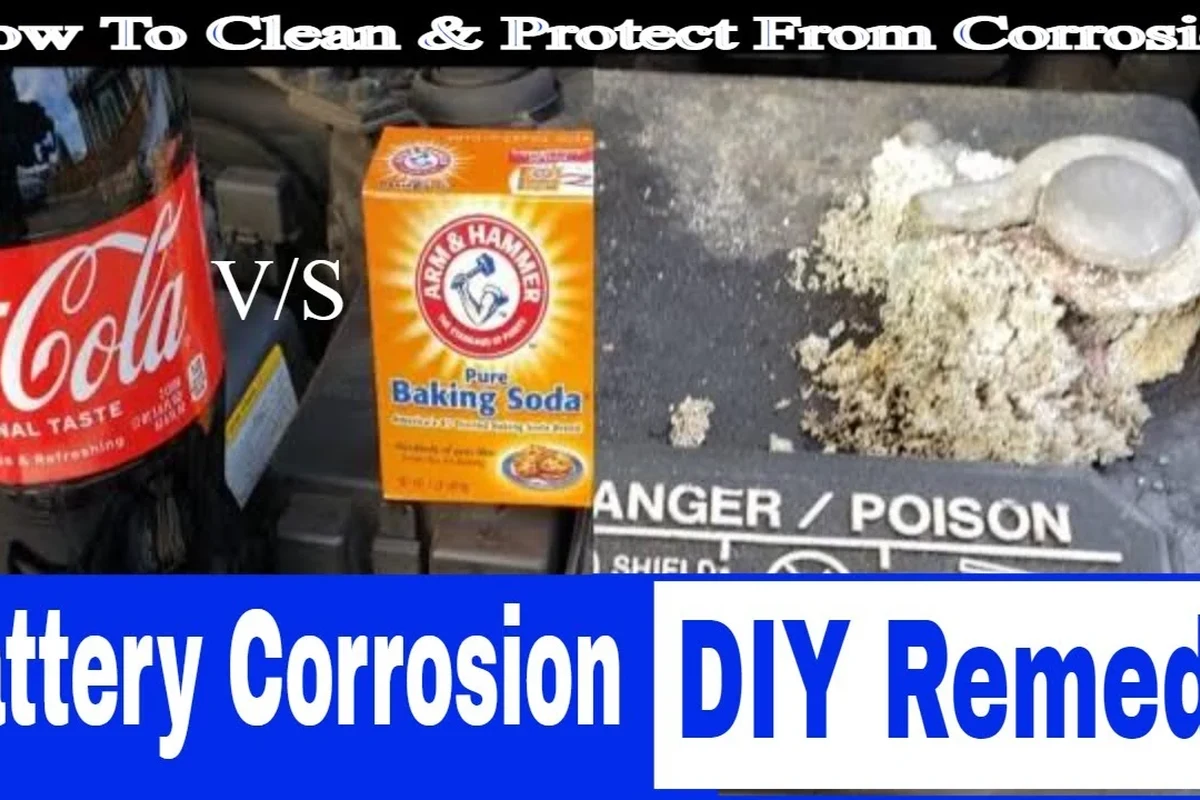
Battery corrosion is the crusty buildup that can form around battery terminals, springs, and contacts. It often appears white, but it can also look blue or green depending on the battery type, the metal parts involved, and how long the residue has been sitting.
This buildup usually forms when a battery leaks or vents and the chemicals react with air and metal. In many common household batteries, the residue is alkaline, while some corrosion around older contacts can include acidic byproducts or mixed contamination, which is why cleanup needs a careful, neutralizing approach.
How white, blue, or green buildup forms on terminals
White powder is the most familiar sign, especially in devices that use AA, AAA, C, or D batteries. Blue or green residue often points to copper or brass parts reacting with moisture and battery leakage over time.
The color alone does not tell you the whole story. If the residue is flaky, crusted, or spread across more than one contact, assume the battery compartment needs cleaning before the device is used again.
Why baking soda neutralizes acidic corrosion
Baking soda is mildly alkaline, so it can help neutralize acidic residue and loosen stubborn buildup. That reaction can reduce fizzing, break down crust, and make the area easier to wipe clean.
It is not a magic fix for every kind of battery damage, but it is a practical first step for many common cleanup jobs. For readers who like simple kitchen science, it works much like using baking soda to tame a sour or acidic reaction in food prep, except here the goal is safe cleanup rather than flavor balance.
If the residue is heavy, powdery, or spreading under the battery holder, baking soda can help with cleanup, but it will not repair damaged metal or a failing battery.
When It Is Safe to Use Baking Soda on Battery Corrosion
Baking soda cleanup is most useful when you are dealing with mild to moderate corrosion on removable batteries and their contacts. It can also be used carefully on some car battery terminals, but only with the battery disconnected and with proper protection.
Best use cases for household batteries, car batteries, and terminals
For remotes, toys, flashlights, and other small devices, a baking soda paste or solution can help lift residue from the compartment. On car batteries, it is commonly used on the terminals and cable ends, but the work area should be stable, ventilated, and away from sparks or open flame.
If you are cleaning around kitchen-adjacent appliances or battery-backed devices, keep liquid use minimal. Moisture and electronics rarely mix well, so the goal is controlled cleaning, not soaking.
When corrosion signals leakage, damage, or replacement
If a battery looks swollen, cracked, leaking, or stuck in place with severe buildup, it may need replacement rather than simple cleaning. Corrosion that has already eaten into the metal, left deep pits, or spread into the device housing is a sign the damage may be permanent.
When a battery compartment smells sharp, feels damp, or shows rust-like staining, stop and inspect carefully. In those cases, cleanup may still be possible, but the battery itself should usually not be reused.
Safety warnings for lithium batteries and severe battery damage
Lithium batteries are different from standard alkaline batteries, and severe damage should be handled with extra caution. If a lithium battery is swollen, hot, leaking, punctured, or otherwise compromised, do not try to scrub it aggressively with baking soda.
Follow the manufacturer’s instructions and local hazardous waste guidance for disposal. For large leaks, overheating, or any sign of fire risk, seek professional help rather than trying to fix it at home.
Do not use baking soda on a battery that is hot, bulging, punctured, or smoking. Disconnect power safely first, and follow the battery maker’s instructions or local disposal rules for damaged batteries.
Supplies and Prep for a Safe Cleanup
Before you start, gather a few simple tools and protect the surrounding area. A calm setup makes the job cleaner and reduces the chance of spreading residue deeper into the device.
What to gather: baking soda, water, brush, gloves, and protection
You will usually need baking soda, a little water, a small brush or old toothbrush, paper towels or lint-free cloths, and disposable gloves. Safety glasses are a smart addition, especially if you are working on a larger battery or a device with loose, dusty corrosion.
If you are dealing with a car battery, use nonmetal tools where possible and keep metal jewelry away from the work area. That reduces the chance of accidental contact or shorting.
How to disconnect power and protect nearby surfaces
Turn the device off and remove the batteries if the design allows it. For car batteries, disconnect according to the manufacturer’s order and safety guidance, and make sure the ignition is off before you begin.
Place the item on a protected surface such as a tray, towel, or disposable liner. That helps catch loose powder and keeps residue from spreading to counters, drawers, or tools.
Choosing the right baking soda mixture for light versus heavy corrosion
For light residue, a thin paste made from baking soda and a small amount of water is usually easier to control. For slightly broader buildup, a damp solution can help reach corners, but it should still be applied sparingly.
Heavy corrosion may need several gentle rounds rather than one wet application. Avoid making the mixture so thin that it runs into the device, because excess liquid can create new problems.
- Confirm the battery type and whether it is safe to handle
- Disconnect power and remove batteries if possible
- Protect the work surface from drips and debris
- Wear gloves and eye protection
Step-by-Step Battery Corrosion Cleanup with Baking Soda
The safest approach is usually slow and controlled. Think of it as removing a stubborn crust from a baking pan: enough moisture to loosen the buildup, but not so much that the mess spreads everywhere.
Dab a small amount of baking soda mixture onto the corroded area with a cotton swab, cloth corner, or brush. Let it sit briefly if you see light fizzing, then stop once the reaction slows.
Use the brush to loosen crusted buildup, then wipe it away with a dry cloth or paper towel. Reapply only as needed, and work in small sections so you do not smear residue into clean contacts.
Use a dry cloth to remove as much moisture as possible, then allow the compartment or terminal area to air-dry fully before reconnecting power. Any remaining dampness can encourage more corrosion or poor contact.
If you are cleaning a device that powers something important, such as a flashlight you rely on during outages, test the compartment only after it is fully dry. For broader appliance and safety questions, readers may also want to review are air fryers dangerous for a similar reminder that electrical safety depends on proper use and dry components.
Keep baking soda cleanup controlled and local. If the residue spreads, the battery is hot, or the device shows signs of electrical failure, stop and reassess before continuing.
Common Mistakes That Make Corrosion Worse
A good cleanup job is often about what you do not do. Too much liquid, too much force, or too little drying can turn a manageable mess into a damaged battery holder or terminal.
Using too much liquid or oversaturating the battery compartment
Flooding the area can push residue deeper into the device. It can also leave moisture trapped under springs, clips, and plastic edges where it is hard to remove.
Use the smallest amount of liquid that will loosen the corrosion. If you need more, add it in stages instead of soaking the compartment at once.
Scrubbing too aggressively and damaging terminals
Metal contacts can bend, scratch, or lose their finish if you attack them with a hard tool. Once the surface is damaged, the battery may not make a reliable connection even after the corrosion is gone.
A soft brush is usually enough for light buildup. If the residue will not lift, the problem may be deeper than surface corrosion alone.
Skipping final drying and protective checks
After cleaning, inspect the contacts for remaining powder, moisture, or discoloration. If the area is still damp, wait longer before reinstalling batteries or reconnecting power.
This final check matters because leftover moisture can restart the corrosion cycle. A clean-looking compartment is not enough if it still feels cool, wet, or tacky.
- Use small amounts of baking soda mixture
- Work gently with a soft brush
- Dry the compartment fully before reuse
- Soaking the device or battery tray
- Using sharp metal tools on contacts
- Reinstalling batteries while surfaces are still damp
How to Tell If the Battery or Device Is Still Usable
Not every corroded battery means the device is finished. In many cases, a careful cleanup restores normal contact, but the condition of the metal tells you a lot about whether reuse is realistic.
Signs the terminals cleaned up well enough for reuse
If the contacts are smooth, mostly free of residue, and still springy or firm, the device may be usable again. A little discoloration is not always a dealbreaker if the metal surface is intact and dry.
Once the batteries are replaced, the device should power on normally without flickering or cutting out. If it works only when you press or wiggle the battery, the contacts may still need attention.
When corrosion has already caused rust, pitting, or failure
Rust, deep pitting, or broken springs usually means the damage has gone beyond simple cleanup. At that point, the device may not hold a stable connection, even if the visible residue is gone.
If the battery leaked into the plastic or onto a circuit board, the problem may be beyond a basic home fix. That is especially true when the residue has spread under components or around soldered parts.
Practical examples: remote controls, toys, flashlights, and car batteries
Remote controls and toys often recover well if the corrosion is caught early and the contacts are still intact. Flashlights are similar, though spring terminals can weaken if left dirty for a long time.
Car batteries are a different case because the terminals and cables are larger and the system carries more current. Light terminal corrosion can often be cleaned, but heavy buildup, cracking, or repeated failure points to replacement or professional inspection.
If you are unsure whether a device is safe to reuse, replace the battery first and test cautiously. A fresh battery will not fix damaged contacts, but it can help you tell the difference between a dead battery and a damaged holder.
Prevention Tips to Reduce Future Battery Corrosion
Prevention is usually easier than cleanup. A few small storage and maintenance habits can reduce leaks, moisture exposure, and contact damage over time.
Storage habits that limit leaks and moisture exposure
Store batteries in a cool, dry place and keep them away from humid drawers, sinks, and appliances that generate steam. Moisture is a common trigger for corrosion, especially when batteries sit unused for long periods.
For seasonal items, remove batteries before long storage if the manufacturer allows it. That is a simple way to protect both the device and the batteries themselves.
Checking expiration dates, fit, and battery type compatibility
Use the battery type recommended by the device maker, and check that the fit is snug but not forced. Loose batteries can shift, leak-contact areas can wear unevenly, and the result is often poor performance followed by corrosion.
Also check expiration or best-by information when available. Older batteries are more likely to leak, especially if they have been stored in heat or humidity.
Using protective coatings or terminal covers where appropriate
Some battery terminals and car battery posts benefit from protective covers, anti-corrosion pads, or manufacturer-approved coatings. These products can help reduce moisture exposure and slow future buildup.
Use only products that are appropriate for the battery type and follow the directions closely. A coating should protect the connection, not interfere with it.
Battery terminal protectors and covers
These are most useful when corrosion keeps returning on exposed terminals. The right product depends on the battery type, fit, and manufacturer guidance, so verify compatibility before using anything on a car battery or specialty device.
If you are also interested in how household appliances handle heat and moisture safely, our guide on do air fryers need to preheat shows why dry, controlled conditions matter in a different kind of kitchen equipment. For energy use questions around plugged-in appliances, see does air fryer use a lot of electricity.
Final Recap: The Best Way to Handle Battery Corrosion Baking Soda Cleanup
Battery corrosion baking soda cleanup works best when the corrosion is mild to moderate, the battery is safe to handle, and you use only enough moisture to loosen the residue. The goal is to neutralize, lift, and dry the area without pushing the mess deeper into the device.
Clean when the terminals still look structurally sound, replace the battery when it is leaking or damaged, and call for professional help when the battery is swollen, hot, or part of a larger electrical hazard. For severe damage, safety comes before salvage every time.
For most small household cleanup jobs, baking soda is a practical first choice because it helps neutralize residue and makes wiping easier. Use it gently, dry thoroughly, and replace any battery that shows signs of leakage, swelling, or terminal damage.
Frequently Asked Questions
Yes, for many mild to moderate corrosion cases on removable batteries and terminals. Use a small amount, keep liquid controlled, and dry the area fully afterward.
It can be used carefully on car battery terminals if the battery is disconnected and you follow safety precautions. Wear gloves and eye protection, and stop if the battery is hot, swollen, or leaking badly.
It often appears as white, crusty buildup, but it can also look blue or green. The exact color depends on the battery type, the metal parts, and how long the residue has been there.
Replace it if it is swollen, cracked, leaking, or repeatedly causing corrosion. If the terminals are deeply pitted or broken, cleaning alone may not restore safe use.
Not if the battery is swollen, hot, punctured, or otherwise severely damaged. Follow the manufacturer’s instructions and local disposal guidance instead of trying to scrub it at home.
Store batteries in a cool, dry place, remove them from devices during long storage when allowed, and check fit and expiration dates. Protective covers or terminal protectors may also help in the right setup.
