
Does Baking Soda Kill Mice Safely and Effectively
Baking soda is not a reliable way to kill mice, and it should not be used as your main pest-control method. Sealing entry points, removing food sources, and using proper traps are much more effective.
Many homeowners ask whether baking soda can kill mice, especially when they want a low-cost fix they can try right away. The short answer is that baking soda is not a reliable mouse control method, and it should not be treated as a safe or effective stand-alone solution.
- Effectiveness: Baking soda is inconsistent and not dependable for mouse control.
- Safety: Loose powder can create cleanup and contamination problems in kitchens.
- Better approach: Seal gaps, remove food, and use traps or professional help.
- Infestation signs: Droppings, gnaw marks, and nesting material mean you need more than a home remedy.
What “Does Baking Soda Kill Mice” Really Means in 2026
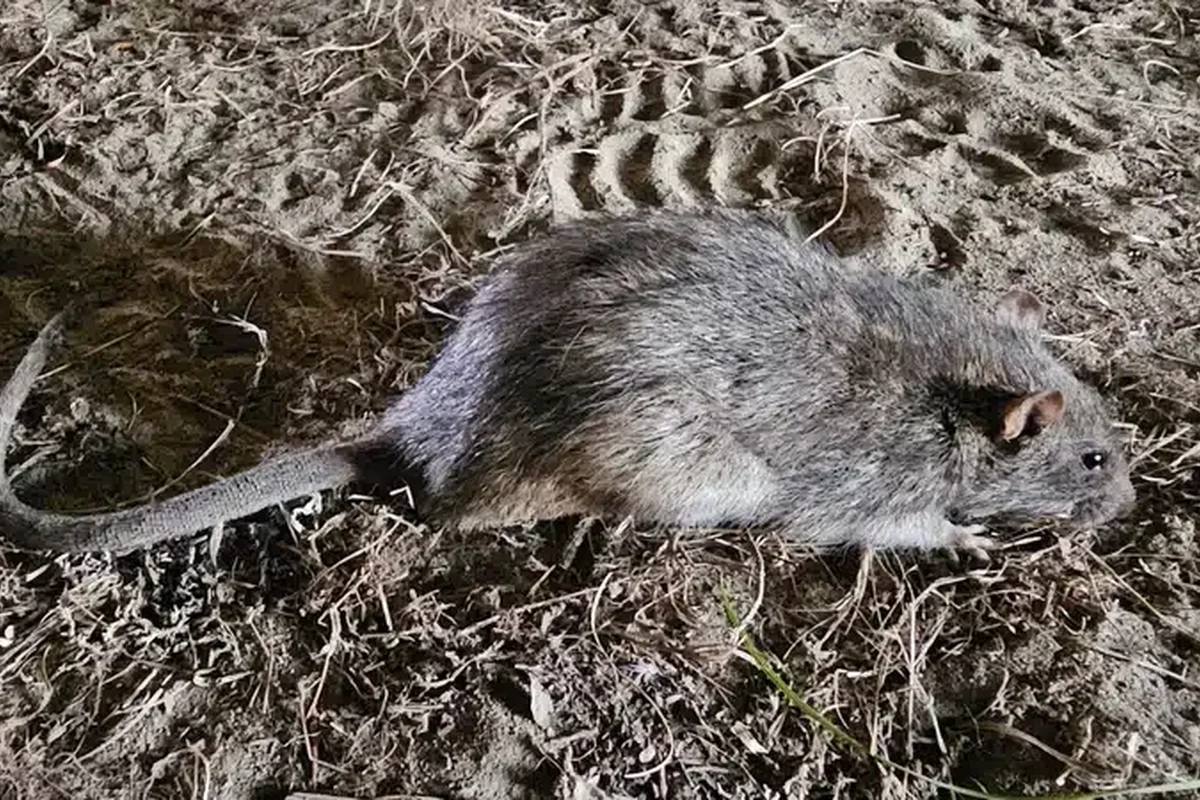
In 2026, this question keeps showing up because people want a quick DIY answer that sounds simple, affordable, and less harsh than poison. That makes sense in a kitchen or pantry setting, where people are already thinking about ingredients, sanitation, and how to avoid stronger chemicals.
Baking soda is sodium bicarbonate, a common leavening ingredient used in baking to release gas when it reacts with acidity and moisture. That familiar “gas-making” behavior is the main reason people assume it might also affect a mouse’s body.
Why this question keeps trending among DIY pest-control searches
Searches spike when people hear about a mouse in the house and want a fast home remedy before buying traps or calling a professional. The appeal is easy to understand: baking soda is already in the pantry, and it feels safer than a rodenticide.
But pantry availability is not the same as pest-control effectiveness. A product can be useful in baking and still be a poor choice for rodent control.
What baking soda is, and why people think it might work on mice
Baking soda is a mild alkaline powder used in recipes, cleaning, and deodorizing. In baking, it helps doughs and batters rise when the right ingredients are present.
People often assume that if it produces gas in a cake or cookie, it may do something similar inside a mouse. That idea is the starting point for the claim, but the real-world biology is much less cooperative.
How the Baking Soda Mouse-Killing Claim Is Supposed to Work
The theory usually goes like this: a mouse eats baking soda, the powder reacts inside the stomach, gas builds up, and the mouse dies from internal pressure. On paper, that sounds neat and logical.
In practice, digestion is more complicated than a kitchen reaction, and the dose, food mix, and mouse behavior all matter.
The gas-formation theory and why it sounds plausible
The theory borrows from baking science. When baking soda meets acid and moisture, carbon dioxide can form, which is what helps some baked goods expand.
That same basic chemistry makes the mouse-killing claim sound believable to non-experts. But a mouse is not a sealed mixing bowl, and its digestive system does not behave like a batter.
What mice eat, how their digestion works, and where the theory gets weak
Mice are selective, cautious eaters. In a home, they usually sample small amounts of food and may avoid unfamiliar textures or strong-tasting substances.
Even if they do eat a bait mixture, the amount of baking soda they consume may be too small, too inconsistent, or too diluted to have the claimed effect. Digestive systems also move, absorb, and expel material continuously, so the “gas buildup” idea is far less predictable than it sounds.
Why home remedies often fail to deliver consistent results
Home remedies tend to fail because they depend on a mouse eating the right amount, in the right form, at the right time. Rodents do not cooperate with recipe-style instructions.
That is one reason pest control usually focuses on exclusion, trapping, and sanitation rather than hoping a pantry ingredient will solve the problem. If you want a broader look at pantry-based myths, our guide to the baking soda trick that actually works fast and easy explains where baking soda is genuinely useful and where it is not.
Baking soda is often used in baking because it needs the right acidic ingredients to work well. Without that chemistry, it may sit in a mixture with little noticeable effect.
What Science and Pest-Control Experts Say About Baking Soda for Mice
There is no strong reason to treat baking soda as a dependable mouse-killing method. Compared with traps, sealing entry points, and professional treatment, it is far less predictable.
That does not mean baking soda is useless in the home. It simply means its role is better suited to deodorizing or cleaning than to rodent removal.
Effectiveness compared with traps, exclusion, and professional treatment
Traps are designed to capture or kill mice when placed correctly and monitored regularly. Exclusion work, such as sealing gaps around pipes and baseboards, removes the access route that lets mice enter in the first place.
Professional treatment becomes important when the problem is larger than one stray mouse or when food areas, walls, and hidden cavities are involved. Baking soda does not compare well with those methods because it does not address the root cause.
Why results are unreliable in real homes, kitchens, and storage areas
Homes are full of variables: crumbs, humidity, competing food smells, clutter, and hidden nesting spots. A powder placed in one corner may never be eaten, disturbed, or even noticed.
Kitchen and pantry conditions also make loose powders harder to control. A method that seems simple on the internet can become messy and inconsistent once it meets real cabinets, storage bins, and cleaning routines.
Common myths that make the method seem safer or more effective than it is
One myth is that “natural” automatically means safe and effective. Another is that if a remedy is inexpensive, it must be worth trying first.
There is also a tendency to confuse deodorizing with pest control. Baking soda may help with odors, but odor control is not the same thing as eliminating rodents.
- Cheap and easy to find
- Can be used for cleaning and odor control
- Non-toxic for normal kitchen use when handled properly
- Unreliable as a mouse-killing method
- Does not stop entry or nesting
- Can create false confidence and delay real control measures
Safety Concerns for People, Pets, and Food-Prep Areas
Loose powders may seem harmless, but they still need careful handling around food, children, and pets. In a kitchen, the bigger issue is not only whether the powder works, but whether it creates contamination or cleanup problems.
For rodent problems near food, always think about sanitation first and pest control second. The two are connected.
Risks of using loose powders around children, pets, and pantry items
Children and pets can spread powder around floors, counters, and storage shelves. That can make the area harder to clean and may lead to accidental contact with food containers or utensils.
Loose baking soda can also be mistaken for flour, sugar, or another ingredient if it is not clearly labeled and stored. In a busy kitchen, that is a simple but real hazard.
Never place any loose powder near open ingredients, prep surfaces, or utensils unless you can keep it fully separated from food-contact areas and clean it up immediately afterward.
Why baking soda can create false confidence in sanitation and rodent control
People sometimes assume that because baking soda is a common cleaning ingredient, it somehow sanitizes the space or removes the rodent risk. It does not.
Rodent droppings, nesting material, and urine contamination require careful cleaning and proper protective steps. If you are dealing with a contaminated pantry or drawer, the cleanup matters as much as the trap placement.
When a DIY approach becomes a health or contamination problem
A DIY approach becomes a problem when it delays real intervention, spreads contamination, or leaves food storage areas exposed. If mice are reaching dry goods, pet food, or baking ingredients, the issue is already beyond a simple pantry experiment.
For food-safety context, follow recognized guidance from agencies like the USDA and FDA on handling contaminated food and cleaning affected areas. If you are unsure whether food should be discarded, err on the side of caution.
Signs You Have a Mouse Problem That Needs More Than a Home Remedy
A single sighting may mean one mouse, but repeated evidence usually means more. Mice reproduce quickly, so a small issue can turn into a larger one before you notice.
The earlier you identify the pattern, the more likely you are to solve it without extensive damage.
Droppings, gnaw marks, nesting material, and nighttime activity
Look for small dark droppings along walls, in drawers, behind appliances, and near food storage. Gnaw marks on packaging, wires, or wood are another common sign.
Shredded paper, fabric, insulation, or soft nesting material tucked into hidden corners can point to an active nest. Scratching sounds at night are also a strong clue because mice are most active after dark.
How to tell a single intruder from an active infestation
A single intruder may leave one trail of droppings or a brief burst of activity. An infestation usually shows repeated signs in several rooms or along multiple wall lines.
If fresh droppings appear after cleanup, or if food packaging keeps getting damaged, the problem is likely ongoing. That is when baking soda becomes the wrong tool for the job.
Practical examples of when baking soda is the wrong tool for the job
If mice are entering a pantry, chewing through cardboard, or nesting behind a stove, you need control methods that reach the source. Baking soda does not block entry holes or remove nesting sites.
If you are finding signs in a basement, garage, or attic, the issue may be larger and more structural than a kitchen remedy can handle. In those cases, sealing and trapping are more practical than trying to bait mice with a powder.
Safer and More Effective Ways to Get Rid of Mice
The best approach usually starts with prevention and then moves to control. Mice need food, water, and shelter, so taking those away makes your home much less attractive.
This is the same kind of practical, step-by-step thinking you would use in a kitchen: identify the problem, remove the cause, then clean up carefully.
Sealing entry points and removing food sources first
Check around pipes, vents, doors, utility openings, and cracks where a mouse could squeeze through. Small gaps can matter more than they look.
Store food in sealed containers, wipe crumbs from counters, and avoid leaving pet food out overnight. If you want to reduce food attraction in general, these habits matter more than any powder-based remedy.
- Inspect the kitchen, pantry, basement, and garage for droppings or gnaw marks
- Seal obvious gaps and clean up food sources
- Choose a control method that matches the size of the problem
Using snap traps, bait stations, or humane traps appropriately
Snap traps can be effective when placed correctly along walls and in travel paths. Bait stations and humane traps may be appropriate in some situations, but they should be used according to the product instructions and local rules.
Placement matters. A trap in the wrong spot is often just as ineffective as a home remedy.
Trap type, bait choice, and placement can vary by home layout and mouse behavior. Follow the label or manufacturer instructions, and check local regulations before using any rodent control product.
When to call a licensed pest-control professional
Call a licensed pest-control professional if you see repeated activity, signs inside walls, damage near electrical wiring, or contamination in food storage areas. Professional help is also smart when you cannot find the entry point.
If you are unsure whether the problem is isolated or ongoing, it is better to get a proper inspection than to keep trying weak DIY fixes.
How to Prevent Mice from Coming Back After Treatment
Once mice are removed, prevention becomes the most important part of the job. Without follow-up habits, they often return through the same weak spots.
Think of this like maintaining a baking kitchen: clean surfaces, sealed ingredients, and routine checks prevent bigger problems later.
Cleaning, storage, and moisture-control habits that reduce attraction
Keep dry goods in airtight containers and move opened packages out of cardboard boxes when possible. Wipe spills quickly and empty trash regularly.
Reduce moisture around sinks, laundry areas, and basement corners. Water sources can attract mice even when food is limited.
Kitchen, basement, and garage maintenance checks
Inspect under sinks, behind appliances, and along baseboards for new gaps or droppings. In garages and basements, check stored boxes, insulation, and wall edges where mice like to travel.
Seasonal changes matter too. As temperatures drop, mice often move indoors more aggressively.
Common mistakes that invite repeat infestations
Leaving pet food out overnight is a common mistake. So is storing snacks in thin packaging that mice can chew through easily.
Another mistake is cleaning visible messes without checking hidden areas. If the entry point and nesting site remain, the infestation can return.
- Seal gaps and clean food areas first
- Use traps or professional help when needed
- Monitor for fresh droppings after cleanup
- Relying on baking soda as the main solution
- Leaving food or pet bowls exposed
- Ignoring signs in hidden spaces
Final Verdict: Is Baking Soda a Safe and Effective Mouse Solution?
Baking soda is not a safe and effective mouse solution in the way most people hope. It may be inexpensive and easy to find, but it is unreliable, indirect, and not strong enough to replace real pest control.
If your goal is to protect food areas, reduce contamination, and stop mice from returning, focus on sealing, cleaning, trapping, and professional support when needed. Baking soda belongs in the baking cabinet, not as the main answer to a rodent problem.
Best-use recap for homeowners deciding between DIY and professional control
Use DIY methods for small, visible problems when you can inspect, seal, and monitor the area closely. Use professional help when the signs are repeated, hidden, or spreading.
That approach is more practical, more sanitary, and more likely to solve the issue the first time.
What to do next if you suspect mice in your home
Start by checking food storage, droppings, and entry points. Then decide whether a few traps and sealing steps are enough or whether the situation needs a licensed pest-control visit.
If you are still tempted by a kitchen-based shortcut, remember that a pantry ingredient cannot replace a real rodent-control plan. It is better to act early with the right method than to wait for a DIY fix that never truly works.
Frequently Asked Questions
No, baking soda is not a dependable fast-acting mouse control method. Real results vary too much to count on it in a home.
It may seem safer because it is a common kitchen ingredient, but it is not a good rodent-control solution. It can still create cleanup and contamination issues in food areas.
You can mix ingredients, but that does not make the method reliable. Mice are cautious eaters, and the result is often inconsistent.
Start by sealing entry points, removing food sources, and placing traps in active travel paths. If the problem keeps coming back, call a licensed pest-control professional.
Repeated droppings, gnaw marks, nesting material, and activity in more than one area usually suggest more than one mouse. Fresh signs after cleanup are another warning.
If food may have been contaminated, it is safest to follow recognized food-safety guidance and discard questionable items. When in doubt, do not use food that may have been exposed.

