
Boiling Eggs and Baking Soda How It Really Works
Baking soda can make boiled eggs easier to peel by changing the water’s pH and helping the membrane release a little more cleanly. It works best with gentle simmering, quick cooling, and eggs that are not ultra-fresh.
Adding baking soda to boiling eggs is a simple kitchen trick, but it works for a specific reason: it changes the water and the egg’s surface chemistry, which can make peeling easier. It is helpful in many home kitchens, but it is not a guarantee, and the best results still depend on egg freshness, heat control, and cooling.
- Main effect: Baking soda makes the cooking water more alkaline, which can help peeling.
- Best results: Use a small amount, gentle heat, and an ice bath.
- Big limitation: Very fresh eggs still tend to peel poorly.
- Flavor caution: Too much baking soda can leave an off taste.
- Best practice: Treat it as a helper, not a guarantee.
Why People Add Baking Soda to Boiling Eggs
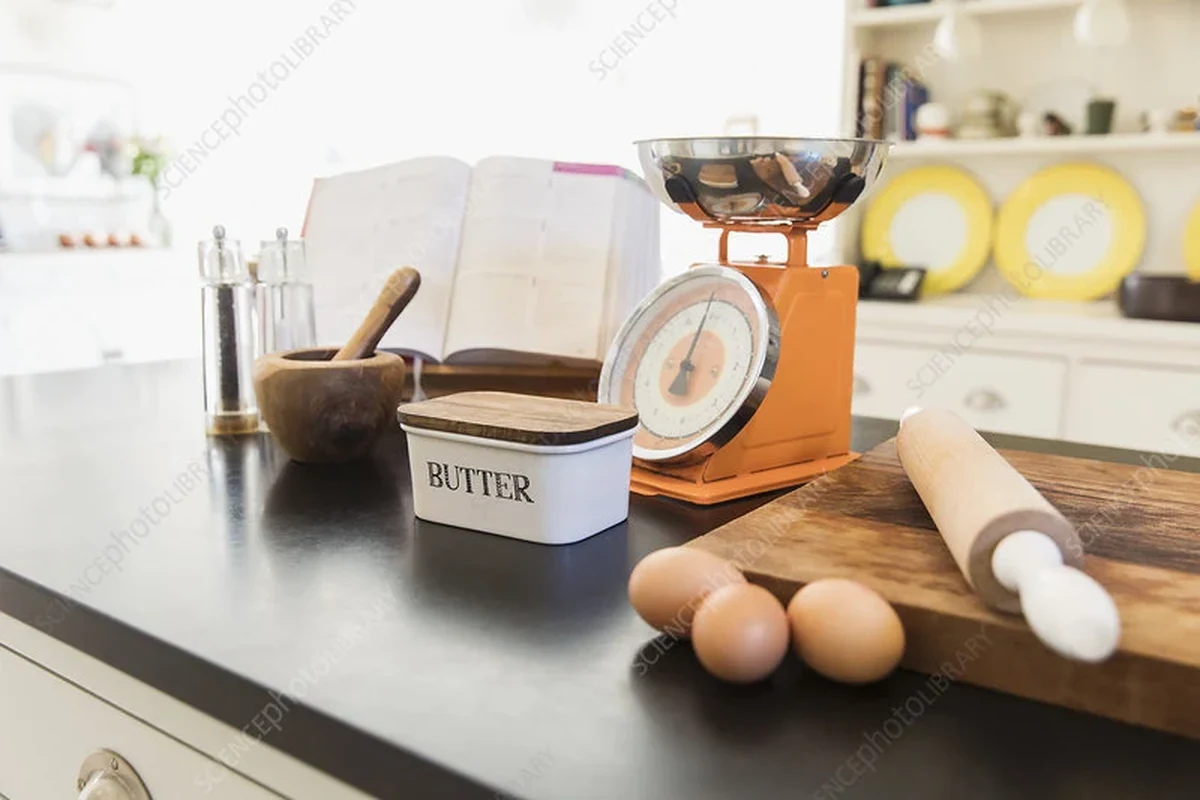
Most people search for boiling eggs and baking soda because they want easier peeling, fewer torn whites, and less frustration after cooking. That is the real goal behind the trick, whether someone is cooking breakfast at home or teaching a basic egg-prep lesson in a baking or culinary setting.
The real search intent behind “boiling eggs and baking soda”
The intent is practical, not decorative. People want to know whether baking soda truly helps and, if so, how to use it without making the eggs taste odd or the water behave strangely.
This matters because boiled eggs are a common prep item in pastry and baking kitchens too. They show up in salads, garnishes, fillings, and plated dishes, so a clean peel can save time and reduce waste.
What baking soda changes in the cooking water
Baking soda is alkaline, so it raises the pH of the water. That higher pH can slightly weaken the bond between the egg white and the inner membrane, which can make peeling less stubborn after cooking.
It does not “cook” the egg differently in a dramatic way. Instead, it changes the environment around the shell and membrane just enough to matter, especially when the eggs are not ultra-fresh.
When this trick is useful for home cooks and baking students
This method is most useful when you need several peeled eggs at once and want a simple, low-cost aid. It is also a good technique to understand if you are learning how ingredient chemistry affects everyday cooking.
For readers who like technique-focused kitchen articles, it helps to compare this with other simple chemistry-based methods, such as the baking soda and vinegar reaction explained simply and why ingredient balance matters in baking.
Egg shells are porous, and the membrane under the shell is one of the main reasons peeling can be messy. Small changes in pH can affect how tightly that membrane clings to the white.
How Baking Soda Affects Egg Whites, Shells, and Peeling
The main benefit of baking soda is not in the yolk. It is in the outer layers of the egg, where shell, membrane, and white meet during cooking and cooling.
pH changes and why older eggs often peel better
As eggs age, their internal pH rises naturally and some moisture and carbon dioxide shift inside the shell. That is one reason older eggs often peel more easily than very fresh eggs.
Baking soda can nudge the cooking water in the same direction by making it more alkaline. That is why the trick often seems to work best with eggs that are a few days old rather than eggs laid that morning.
What happens to the membrane between shell and white
When eggs cook, the proteins in the white set and tighten. If the membrane sticks strongly to the white, the peel can take chunks of egg with it.
An alkaline cooking water can reduce that sticking effect a little. The result is usually a cleaner peel, but the membrane still matters, and so does how quickly you cool the eggs after cooking.
Why the effect is helpful but not magic
Baking soda improves the odds, but it cannot fully override poor timing, overboiling, or very fresh eggs. If the shell cracks, the white leaks, or the eggs cool too slowly, peeling can still be frustrating.
If you want a broader understanding of baking soda as a kitchen ingredient, our guide on using baking soda instead of baking powder safely explains why the ingredient works differently depending on the recipe or method.
Baking soda can help with peeling, but it will not fix eggs that are overcooked, badly cracked, or cooled too slowly. For food safety, follow recognized guidance on handling cooked eggs and refrigerate them promptly after cooling.
How Much Baking Soda to Use for Boiling Eggs
Use a small amount. Too much baking soda can leave a slight soapy or metallic taste and may make the egg white feel softer than you want.
Practical measurement ranges for a pot of eggs
A common home-kitchen range is a small pinch to about 1/2 teaspoon per pot of water, depending on the pot size and number of eggs. Because water volume varies so much, it is better to start low than to overdo it.
If you are cooking a large batch, you may need a little more than for a small saucepan, but the goal is still a subtle change, not a strong alkaline bath.
Why too much baking soda can affect flavor and texture
Excess baking soda can make the whites taste off and can slightly change the surface texture. The egg may also smell more strongly of sulfur if it is overcooked, and baking soda does not prevent that.
In other words, more is not better. The trick works best as a light adjustment, not a heavy-handed ingredient dump.
Adjusting the amount for water volume and egg quantity
If you use a small saucepan with a few eggs, keep the amount very modest. If you use a larger pot with enough water to cover many eggs, you can scale up carefully, but stay within a restrained range.
Note
Measuring by water volume is less exact than measuring by recipe, because egg size, shell thickness, and pot shape all vary. When in doubt, use less baking soda first and judge the peeling result before increasing it next time.
Step-by-Step Method for Boiling Eggs with Baking Soda
This is a simple method, but the details matter. Heat control and cooling often make more difference than the baking soda itself.
Starting with cold water vs. hot water
You can start eggs in cold water or place them into already hot water, but the method changes your timing and your risk of cracking. Cold-start cooking is gentler and often easier for beginners because the eggs warm up gradually.
Hot-start cooking can be useful for more consistent timing, but it requires more attention. If you are new to boiled eggs, the cold-water method is usually the safer place to begin.
Timing the boil, simmer, and rest stages
Bring the water and eggs up to a gentle boil, then reduce to a simmer rather than a hard rolling boil. A rough boil can crack shells and make the whites bounce around, which can create uneven cooking.
After the eggs reach your target doneness, turn off the heat and let them rest briefly in the hot water if needed. Exact timing depends on egg size, starting water temperature, altitude, and how firm you want the yolk.
Set the eggs in a single layer if possible and cover them with enough water to sit below the surface by about an inch.
Use a light hand so the water becomes mildly alkaline, not strongly flavored.
Bring the water to a boil, then reduce to a steady simmer to lower the chance of cracking and rubbery whites.
Move the eggs to ice water or very cold water as soon as they are done to stop cooking and help the shell release.
Cooling eggs properly for easier peeling
Cooling is a major part of the method. A fast chill helps the egg contract slightly away from the shell, which can improve peeling more than the baking soda alone.
Let the eggs sit in ice water until they are cool enough to handle. Then tap and peel under running water if needed, especially if the shell is stubborn around the air pocket.
Use a spoon or slotted spoon to move hot eggs out of the pot. Freshly boiled eggs and steam can cause burns, and shell fragments can be sharp when the egg is still very hot.
Doneness, Texture, and Visual Cues to Watch For
Boiled eggs are all about timing. A few extra minutes can change the yolk from tender and creamy to dry and chalky.
Soft-boiled, jammy, and hard-boiled results
Soft-boiled eggs usually have a loose white and a runny yolk. Jammy eggs are set around the edges with a creamy center, while hard-boiled eggs are fully set through the yolk.
The exact minute count varies by egg size, pot shape, starting temperature, and stove strength. That is why visual cues and repeatable method matter as much as the clock.
How overcooking changes yolk color and white texture
Overcooked eggs often show a gray-green ring around the yolk. That ring is a common sign of sulfur and iron reactions at the surface of the yolk, especially when the eggs sit too long in hot water.
The whites can also turn rubbery if they are boiled too aggressively. For the best texture, use gentle heat and cool the eggs promptly.
Using timing and egg size to control results
Large eggs usually need a little more time than medium eggs, and extra-large eggs may need a bit more than that. If your eggs come straight from the refrigerator, they may also need a small timing adjustment.
Keep notes if you cook eggs often. A simple record of egg size, start temperature, and boil time can help you repeat the result you like.
Common Mistakes When Using Baking Soda with Boiled Eggs
Most problems come from technique, not from the baking soda itself. The trick is simple, but it still needs a steady hand.
Adding too much baking soda
This is the most common mistake. Too much can make the water smell odd and can leave the whites with an unpleasant aftertaste.
If peeling improves only a little, increase the amount gradually next time rather than making a big jump.
Using very fresh eggs and expecting perfect peeling
Very fresh eggs are naturally harder to peel because the inner membrane tends to cling more tightly. Baking soda may help, but it cannot fully erase that difference.
If peeling is your top priority, use eggs that have aged a little in the refrigerator, if your kitchen schedule allows it.
Boiling too aggressively and cracking shells
A hard rolling boil can jostle eggs enough to crack the shells. Cracks let white leak into the water and can leave you with rough, uneven surfaces.
Gentle simmering is usually the better choice. It is calmer, more controlled, and easier to repeat.
Skipping the ice bath or cold rinse
If you leave eggs in hot water too long, carryover heat keeps cooking the yolk and white. That can undo the texture benefits you were trying to protect.
Eggs are hard to peel, and the white tears when you remove the shell.
Use slightly older eggs, add a small amount of baking soda, simmer gently, and cool the eggs quickly in ice water before peeling.
Safety, Storage, and Best Use Cases for This Technique
Boiled eggs are simple, but they still need safe handling. Cooling, refrigerating, and storing correctly matters just as much as the cooking method.
Food safety for cooked eggs and cooling practices
Cook eggs until the whites and yolks are set to your preferred doneness, then cool them promptly. For food safety, do not leave cooked eggs sitting out for long periods at room temperature.
If you are preparing eggs for a buffet, lunchbox, or class demo, follow current USDA or FDA-style cold-holding guidance and keep them refrigerated when not being served.
How long peeled and unpeeled eggs keep in the refrigerator
In general, unpeeled hard-cooked eggs keep better than peeled ones because the shell protects the surface from drying out and absorbing odors. Peeled eggs should be stored in a covered container and used sooner.
Exact storage time can vary by handling and local food-safety guidance, so check official recommendations if you are preparing eggs for a group or for sale.
When to use this method vs. other peeling tricks
Baking soda is a good choice when you want a low-cost, low-effort aid and already have it in the kitchen. It is especially useful when you are cooking several eggs and want a modest improvement without extra ingredients.
If you want to compare this with other household methods, our article on baking soda vinegar cleaning ovens shows how baking soda behaves in a different kitchen setting, and why its effect depends so much on the job at hand.
- May help shells release more cleanly
- Uses a common pantry ingredient
- Works well as part of a simple egg-boiling routine
- Does not guarantee easy peeling
- Too much can affect flavor
- Fresh eggs can still be stubborn
- Use a small amount of baking soda
- Simmer gently instead of boiling hard
- Chill the eggs quickly after cooking
- Dumping in extra baking soda for a stronger effect
- Leaving eggs in hot water too long
- Expecting very fresh eggs to peel perfectly every time
Final Verdict: Is Baking Soda Worth Using for Boiled Eggs?
For most home kitchens, yes, baking soda is worth trying if your goal is easier peeling. It is inexpensive, simple, and often helpful, especially when paired with proper simmering and fast cooling.
Best scenarios for home kitchens and baking school practice
This technique is a good fit for meal prep, egg salads, deviled eggs, and basic kitchen training. It teaches an important lesson: small changes in pH and temperature can change how food behaves.
If you are learning technique as much as making breakfast, this is a useful example of ingredient science in a real kitchen setting.
When to skip baking soda and rely on fresher technique instead
If you already have a reliable peeling method, you may not need baking soda every time. You can also skip it if you are sensitive to even slight flavor changes or if you are working with eggs that peel well on their own.
Sometimes the best result comes from using a slightly older egg, a gentle simmer, and a good ice bath rather than relying on an additive.
Simple recap for choosing the right boiling method
Use baking soda as a helper, not a miracle fix. Start with a small amount, control the heat, cool the eggs quickly, and adjust based on the eggs you actually buy and cook.
Final Verdict
For easier peeling, boiling eggs and baking soda can be a smart, low-cost technique. The best results come from combining it with good timing, gentle heat, and proper cooling.
Frequently Asked Questions
Use a small amount, such as a pinch to about 1/2 teaspoon per pot, depending on water volume and egg count. Start low because too much can affect flavor and texture.
It often helps by making the water more alkaline, which can reduce sticking between the white and the membrane. It works best with eggs that are not extremely fresh.
You can try, but very fresh eggs still tend to peel more stubbornly than older eggs. Baking soda may help, but it will not fully solve the problem.
A small amount usually does not change the taste much. Too much baking soda can leave a soapy or metallic note.
Yes, cooling the eggs quickly helps stop carryover cooking and can improve peeling. An ice bath or very cold water rinse is a useful finishing step.
Cool them promptly and refrigerate them soon after. Unpeeled eggs usually keep better than peeled eggs, which should be stored in a covered container.
