
Cleaning Sneakers Baking Soda Guide for Spotless Shoes

Baking soda can clean many sneakers safely when you use a light paste, soft brush, and careful drying. It works best on canvas, mesh, rubber soles, and odor control, but suede and delicate finishes need a different approach.
Cleaning sneakers with baking soda is a simple, low-cost way to freshen shoes, lift light stains, and brighten rubber soles. Used the right way, it can help restore everyday sneakers without harsh chemicals or heavy scrubbing.
- Best uses: Works well for light stains, scuffs, and sneaker odor.
- Material limits: Avoid or minimize use on suede, nubuck, and some delicate leathers.
- Cleaning method: Spot test, use a gentle paste, then wipe residue fully away.
- Drying matters: Air-dry in shade to protect shape, glue, and color.
Why Baking Soda Works for Cleaning Sneakers
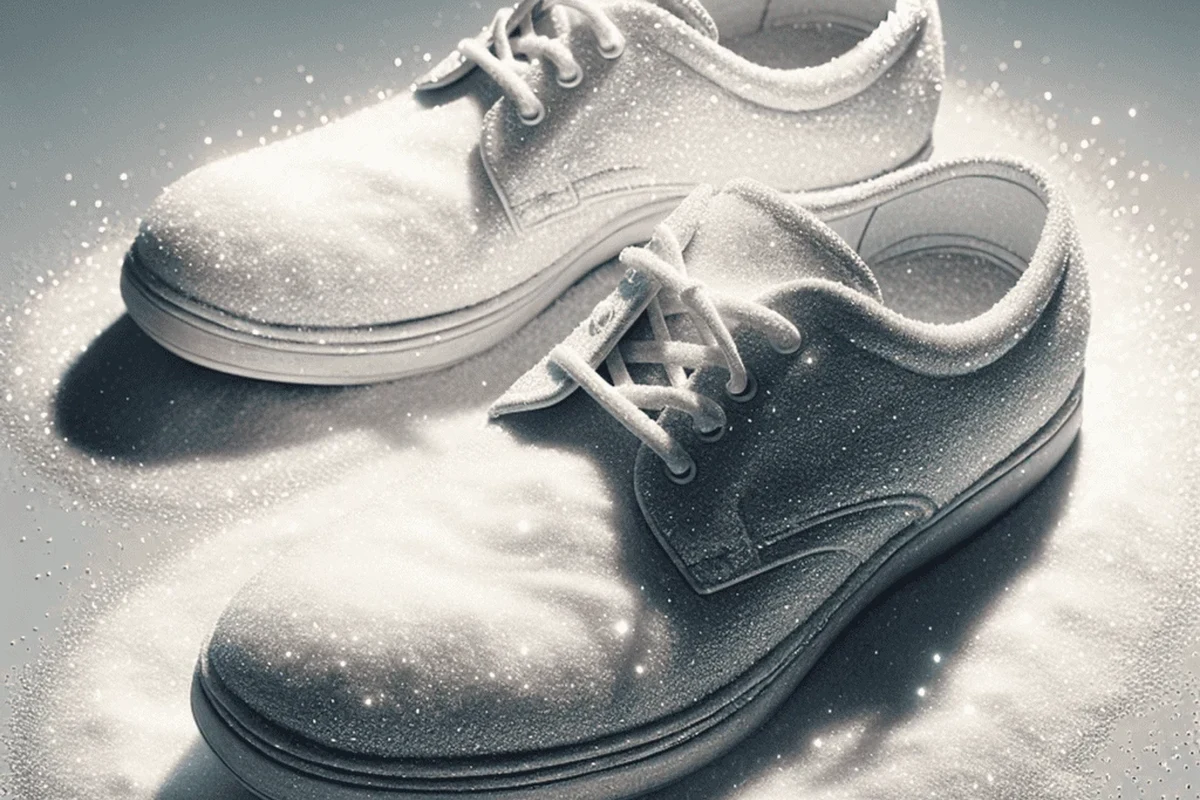
Baking soda is mildly abrasive, mildly alkaline, and naturally odor-fighting, which makes it useful for routine sneaker care. It helps loosen dirt stuck in textured rubber, absorbs some smells inside the shoe, and can make scuffed white areas look cleaner after wiping.
How baking soda lifts odors, loosens grime, and helps whiten soles
Odors often come from sweat and bacteria trapped in insoles and lining, and baking soda can help neutralize the smell rather than just cover it up. For grime, the fine powder gives a gentle scrubbing action that can loosen dried mud and surface dirt when mixed with a little water or soap. On white rubber soles, that same mild abrasive quality can reduce the look of gray marks and everyday yellowing, though it will not reverse deep discoloration.
Baking soda works best on surface-level buildup. If a stain has soaked into fabric dyes, glue lines, or worn foam, it may improve the look but not remove the mark completely.
Which sneaker materials respond best to baking soda cleaning
Canvas, mesh, rubber, and many synthetic uppers usually respond well to careful baking soda cleaning. These materials can handle light moisture and gentle brushing better than delicate surfaces such as suede or some finished leathers. If you want a broader overview of shoe care, our guide to baking soda for shoes cleaning explains the basic approach in more detail.
What You Need Before You Start
Before cleaning, gather a few basic supplies and check the sneaker material. A little preparation prevents damage, especially on glued seams, knit uppers, and color-sensitive fabrics.
Basic supplies: baking soda, soft brush, microfiber cloth, mild soap, water
A soft toothbrush or shoe brush is usually enough for most sneaker surfaces. A microfiber cloth helps wipe away residue without scratching the finish, and mild soap can cut through oily dirt that baking soda alone may not lift.
Optional add-ons for tougher stains: white vinegar, hydrogen peroxide, mesh-safe cleaner
White vinegar can help with mineral buildup or some odor issues, while hydrogen peroxide is sometimes used on white materials for brighter results. A mesh-safe cleaner is a better choice for technical athletic uppers that can be sensitive to residue. If you are comparing cleaning combinations, our article on hydrogen peroxide and baking soda uses covers where that pairing is more appropriate.
Safety checks for suede, leather, knit, canvas, and glued midsoles
Always test a hidden spot first, because dye stability and finish quality can vary by brand. Suede and nubuck are especially risky because powder and moisture can leave a rough or blotchy patch. Leather and faux leather usually need a lighter touch, while glued midsoles can weaken if they are soaked or aggressively scrubbed.
Do not assume every sneaker can handle the same method. If the care label or manufacturer instructions say to avoid water, bleach, or abrasive cleaners, follow that guidance first.
Step-by-Step Cleaning Sneakers with Baking Soda
The safest method starts with dry cleaning, then moves to a paste or light solution only where needed. That keeps the shoe from getting overly wet and helps you control how much cleaner touches each material.
Brush off loose dirt, then test a small hidden area with your baking soda mix. Wait for the spot to dry so you can check for fading, roughness, or residue.
Combine baking soda with a little water and, if needed, a drop of mild soap. Aim for a spreadable paste rather than a runny mixture so it stays on the stain instead of soaking into the shoe.
Use the brush or cloth to work the paste onto uppers, midsoles, or outsoles. Use light pressure and small circles, especially around stitching and glue lines.
Leave the paste on for a short period, usually just long enough to loosen grime. Do not let it dry hard on delicate fabric, because dried residue is harder to remove and may leave a chalky finish.
Wipe away the paste with a damp microfiber cloth, then remove any remaining residue with a clean cloth. Air-dry the shoes in a shaded, ventilated area so the shape stays intact.
Dry brushing and spot testing before applying any paste
Dry brushing removes grit that would otherwise turn into muddy paste when wet. Spot testing matters because some knit uppers and dyed fabrics can darken temporarily or show a faint ring after cleaning.
Mixing the right baking soda paste for uppers, midsoles, and outsoles
For uppers, use the least amount of water that still lets the paste spread. For midsoles and outsoles, you can make the mixture slightly thicker because rubber tolerates more direct scrubbing than fabric. If you want a cleaning method that uses the baking soda-and-vinegar reaction more broadly, see our guide to baking soda vinegar cleaning ovens for an example of how that reaction is used in another cleaning context.
How long to let the paste sit without damaging fabric or adhesive
Short contact times are safer than long ones. On most sneakers, a brief wait is enough; leaving paste on too long can dry out glue, leave powder in seams, or create a dull patch on fabric. If a stain does not improve after one gentle pass, it is better to repeat a light treatment than to let the paste sit for a long time.
Rinsing, wiping, and air-drying for a clean finish
Rinsing should be light, not soaking. Too much water can push dirt deeper into the material or weaken adhesives around the sole. Wipe until the cloth comes away clean, then let the shoes dry naturally away from direct heat, which can warp foam or stiffen fabric.
Keep baking soda mixes away from open flames, electrical outlets, and wet charging areas if you are cleaning shoes near a laundry room or utility sink. The powder itself is safe for household use, but slips and water exposure can create avoidable hazards.
Best Methods for Different Sneaker Materials
Material choice changes everything. The same paste that works well on a canvas trainer may leave a suede shoe looking patchy or a knit upper feeling stiff.
Canvas and mesh sneakers: stain removal and odor control
Canvas usually handles a gentle baking soda paste well, especially on toe caps and sidewalls. Mesh needs a lighter hand because the openings can trap residue, so use a soft brush and a damp cloth rather than soaking the fabric. For odor control, sprinkle a small amount of baking soda inside the shoe, let it sit overnight, and shake it out before wearing.
White rubber soles: brightening scuffs and yellowing marks
White rubber soles are the best place to use baking soda because the material is durable and the color change is easy to see. A paste with a soft brush can reduce black scuffs, sidewalk dirt, and some surface yellowing. Deep yellowing often comes from oxidation or age, so baking soda may improve the look without making the sole bright white again.
If your goal is a quick refresh rather than a deep restoration, focus on the midsole and outsole edges first. Those areas show the biggest visual improvement for the least effort.
Leather and faux leather: gentle cleaning limits and conditioning follow-up
Leather and faux leather should be cleaned with a very light paste or, in many cases, just a damp cloth with mild soap. Too much scrubbing can dull the finish or create uneven shine. After cleaning, a suitable conditioner for genuine leather may help keep the surface from feeling dry, but always check the shoe maker’s care instructions first.
Suede and nubuck: when to avoid baking soda altogether
Suede and nubuck are the materials most likely to be damaged by baking soda because powder can cling to the nap and water can leave marks. In many cases, a suede brush or specialty cleaner is the safer choice. If you are unsure, skip the paste and choose a product made for that finish.
Common Stains, Odors, and Problem Areas
Most sneaker messes fall into a few predictable categories. Once you know the source, it becomes easier to choose the lightest method that still does the job.
Grass, mud, salt, food, and gym odor treatment examples
Grass stains usually need dry brushing first, then a small amount of paste on the remaining green mark. Mud should be fully dried and brushed off before any wet cleaning begins, or it will smear. Salt marks from winter weather often respond to a damp cloth and mild baking soda mix, while food stains may need soap added to break down oils. Gym odor usually improves with an overnight sprinkle inside the shoe and a full air-out afterward.
Inside the shoe: insoles, linings, and toe-box deodorizing
The inside of the sneaker is often the source of the smell, not the outside. Remove the insoles if possible, sprinkle a little baking soda over them, and wipe the lining with a barely damp cloth. The toe box can also hold odor, but avoid over-wetting it because the front of the shoe takes a long time to dry.
How to handle set-in stains without over-scrubbing
Set-in stains usually need patience, not force. Work in small sections, let the cleaner loosen the mark, and then wipe rather than scrub harder. Over-scrubbing can rough up knit fibers, thin the finish on leather, or damage printed details.
- Use light pressure and repeat gentle passes if needed.
- Test cleaners on hidden areas first.
- Remove residue fully before air-drying.
- Do not soak glued sneakers.
- Do not scrub suede with a wet paste.
- Do not leave chalky residue on dark uppers.
Common Mistakes That Can Ruin Sneakers
Most cleaning damage comes from using too much product or too much force. The goal is to lift dirt, not to grind the surface until it looks worn.
Using too much water or a harsh scrub brush
Heavy water use can spread stains into larger rings and weaken glue around the sole. A stiff brush may seem effective, but it can fray mesh, scratch leather, and wear down printed logos or coatings.
Leaving baking soda residue on dark fabrics or knit uppers
Baking soda residue is easy to miss on dark shoes because it dries white and chalky. If it is not wiped away fully, it can leave a dusty look that makes the sneaker appear even less clean than before.
Mixing baking soda with unsafe cleaners on delicate materials
Some cleaners do not belong on the same shoe, especially if the material is delicate or the finish is coated. Avoid mixing products unless the label says they are compatible. If you want a deeper understanding of the common chemical reaction people talk about, our article on baking soda and vinegar reaction explained simply can help clarify why that mix behaves the way it does.
Trying to clean glued or worn shoes too aggressively
If a sneaker is already separating at the sole, cleaning it hard can make the damage worse. Worn foam, cracked leather, and loose stitching need a gentler approach or a repair decision before you start scrubbing.
How to Dry, Store, and Maintain Clean Sneakers
Cleaning is only half the job. Drying and storage help keep the shoes from developing odor again or losing their shape.
Air-drying methods that protect shape and prevent odor return
Let sneakers dry at room temperature in a shaded, airy place. Direct sun can fade color and heat can stress glue, while enclosed damp spaces can bring odor back quickly. Rotate the shoes once or twice during drying if one side feels wetter than the other.
Using paper, shoe trees, or towels to absorb moisture
Stuffing the shoes lightly with paper towels or clean paper can help pull moisture from the inside and support the shape. Shoe trees are useful for leather and structured sneakers, while a small towel can work for casual pairs that need a little extra support.
Simple upkeep routine to keep sneakers fresher between deep cleans
Brush off dirt after wear, wipe visible marks early, and let sweaty shoes dry fully before storing them. A small baking soda sprinkle inside the shoe once in a while can help with odor control, but it should be removed before the next wear. For broader stain-prevention ideas, our guide to baking soda for yellow stains is useful when discoloration becomes the main issue.
When Baking Soda Is Enough and When to Use Another Cleaner
Baking soda is excellent for light maintenance, odor control, and many surface stains. It is not a cure-all, and knowing when to stop protects the shoe as much as the cleaning does.
Best use cases for quick refreshes, light stains, and odor removal
Use baking soda when the sneakers need a quick refresh before casual wear, when the stain is still on the surface, or when the main issue is smell. It is especially practical for white rubber soles, canvas shoes, and the interior of everyday trainers.
Signs you need a specialty sneaker cleaner or professional cleaning
If the shoe is suede, heavily dyed, waterproof-coated, or structurally damaged, a specialty cleaner is usually safer. You may also need professional help if the stain is old and set deep into the material, if the sole is separating, or if the sneaker has expensive finishes that should not be risked with a home method.
Final recap: choosing the safest and most effective cleaning approach
For most everyday pairs, cleaning sneakers baking soda style works best when you stay gentle, test first, and dry the shoes properly. Start with the least aggressive method that fits the material, and only move up to stronger cleaners when the sneaker and its care label clearly allow it. That approach gives you the best chance of clean, fresh shoes without unnecessary wear.
Frequently Asked Questions
No. Baking soda is usually fine for canvas, mesh, rubber, and many synthetics, but suede and nubuck are risky. Always spot test first and follow the shoe care label.
Only long enough to loosen dirt or reduce odor, usually a short period for surface cleaning. Do not let it dry hard on delicate fabric or glued areas.
It can improve surface scuffs and light discoloration, but it will not fully reverse deep yellowing from age or oxidation. White rubber soles respond best.
Wipe the shoe with a clean damp microfiber cloth until the residue is gone. On textured areas, use a soft brush and then wipe again.
Yes, for many shoes it can help absorb odor inside the shoe and on removable insoles. Shake out the powder fully before wearing the sneakers again.
Use a specialty cleaner for suede, nubuck, coated finishes, heavy stains, or shoes that are already damaged. If the care label warns against water or abrasives, choose another method.