
Castor Oil and Baking Soda Benefits Uses and Tips

Castor oil and baking soda can work as a mild DIY paste for light cleaning, deodorizing, or limited skin-care use. The blend is useful only when you test first, measure carefully, and avoid sensitive skin or delicate surfaces.
Castor oil and baking soda are often grouped together in home-care searches because people want a simple, low-cost mix that can soften, lift, or deodorize. In practice, the blend can help in a few specific situations, but it also has clear limits, especially on sensitive skin and delicate surfaces.
- Best use: Small, targeted jobs where mild scrubbing and deodorizing are enough.
- Main limitation: The mix can leave residue and is not safe for every skin type or.
- Mixing rule: Start small and add oil slowly so the paste does not become greasy.
- Safety first: Patch test skin and test hidden surface areas before wider use.
- Storage tip: Keep castor oil sealed and baking soda dry for better performance.
What Castor Oil and Baking Soda Are and Why People Combine Them
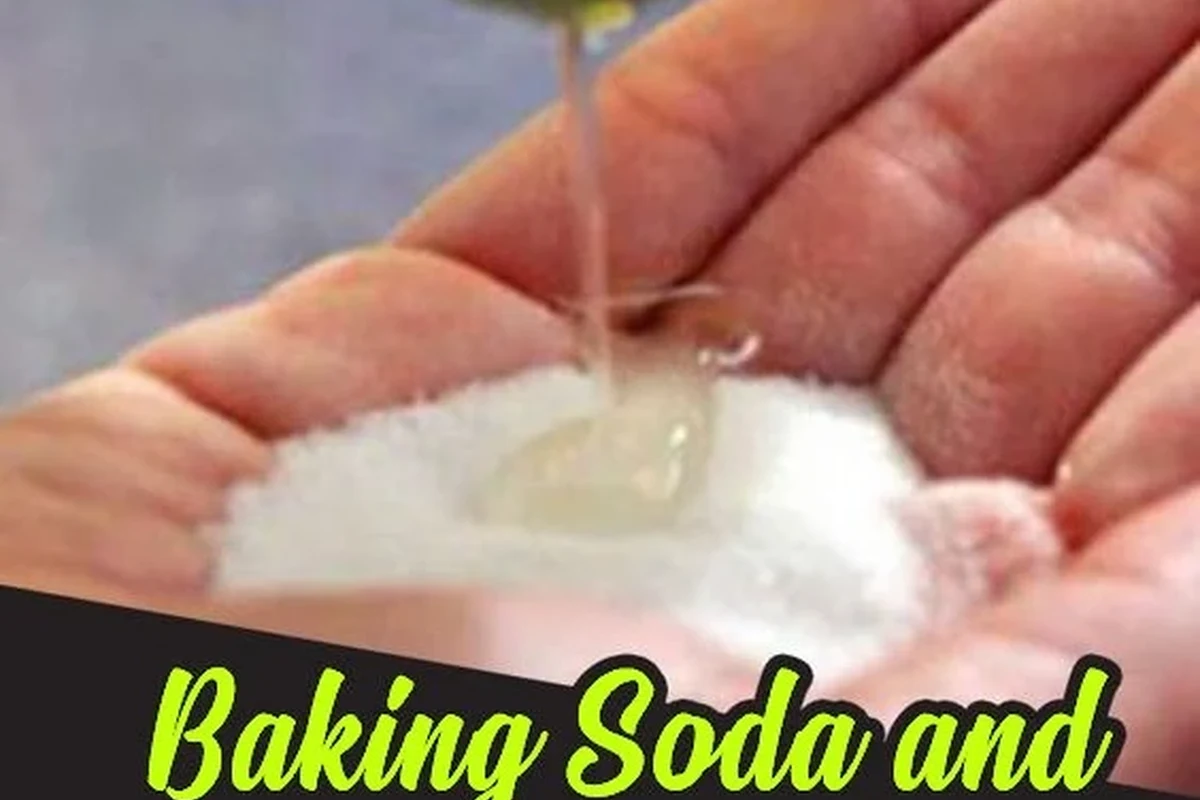
Castor oil is a thick plant-based oil made from castor beans. Baking soda is sodium bicarbonate, a fine alkaline powder that can scrub lightly, neutralize some odors, and react with acidic ingredients in other cleaning methods. People combine them because one adds slip and moisture while the other adds gentle grit and deodorizing power.
How castor oil differs from common edible oils
Castor oil is much thicker than olive oil, canola oil, or vegetable oil. That viscosity matters because it clings to skin, hair, or surfaces instead of running off quickly, which is why it shows up in beauty and DIY searches. It is not used like a standard cooking oil in most kitchens, and readers should always check the label before using any oil near food-contact areas.
Baking soda works best as a mild abrasive and deodorizer, not as a strong disinfectant. For sanitation questions in the kitchen, official food-safety guidance from USDA or FDA is a better reference than DIY mix advice.
What baking soda does in home care, beauty, and DIY uses
Baking soda can help loosen light buildup, reduce odors, and add a bit of scrubbing action without the harshness of many stronger cleaners. In beauty searches, people use it in masks, scrubs, and deodorizing blends, though that does not mean it is appropriate for every skin type. If you want a broader look at how baking soda behaves in cleaning, see our guide on baking soda in laundry benefits.
Why this combination keeps trending in 2026 searches
The mix keeps trending because searchers want natural-looking solutions that feel simple and inexpensive. It also appears often in “before and after” style social content, where the result can look dramatic even when the actual effect is modest. That is why it helps to separate a useful household trick from an overpromised cure-all.
Search interest does not prove a method is safe or effective for every use. A blend can be popular online and still be a poor choice for acne, eczema, sealed stone, unfinished wood, or fabrics that stain easily.
Real-World Uses People Look Up for Castor Oil and Baking Soda
Most searches fall into three buckets: personal care, cleaning, and quick DIY fixes. The exact result depends on whether the ingredients are mixed into a paste, layered separately, or used in a rinse-off method.
Skin and body care applications people try at home
Some people use the combination as a scrub for rough skin, a spot treatment for dry areas, or a deodorizing body paste. Castor oil gives the mixture glide, while baking soda adds texture. The main caution is that baking soda can feel too alkaline for many skin types, especially on the face, underarms after shaving, or anywhere already irritated.
Do not treat this blend as a medical remedy for rashes, acne, fungal issues, or pain. If the skin stings, burns, turns red, or stays irritated, wash it off and stop using it.
Cleaning and deodorizing uses around the kitchen and bathroom
In household cleaning, the mix is usually used as a soft paste for sinks, tubs, grout lines, or trash-area odors. Baking soda handles the deodorizing and light scrubbing, while castor oil can help the paste spread over rough spots. For drain-related cleanup ideas, readers often compare this approach with vinegar and baking soda drain cleaning, but those methods work differently and should not be confused.
Craft, stain, and surface-cleaning examples that appear in search intent
People also search for the blend as a way to remove sticky residue, polish certain items, or loosen grime on nonporous surfaces. This is where surface testing matters most. What works on stainless steel may leave a film on plastic, dull a finish on wood, or make a fabric stain harder to remove.
How the Two Ingredients Work Together
The combination works because each ingredient brings a different physical property. Castor oil changes texture and spreadability, while baking soda changes the feel, friction, and odor control of the paste.
Texture, spreadability, and absorption from castor oil
Castor oil is dense and sticky, so it helps dry powder cling to a target area instead of falling off. That can be useful when you want a paste to stay in place long enough to do light work. It also slows the drying of the mixture, which can make application easier but cleanup messier.
Gentle abrasion and odor control from baking soda
Baking soda adds a fine grain that can help lift surface debris without the scratchiness of harsher abrasives. It can also absorb some odors rather than simply covering them up. That said, the abrasive action is still mild, so it is not a substitute for stronger cleaners when you are dealing with heavy grease or baked-on residue.
What happens when oil and powder are mixed, layered, or used separately
When mixed into a paste, the ingredients create a spreadable compound that can stay where you place it. When layered separately, the oil may soften buildup first and the baking soda may be used afterward for light scrubbing. Used separately, each ingredient is more predictable, which is often better for beginners who are testing a new surface or skin area.
Measurement, Mixing, and Application Tips for Safer Results
With this kind of DIY blend, small batches are safer than large ones. Exact measurements matter because too much powder can feel harsh and too much oil can leave a slick film that is hard to remove.
Common ratio ideas and why exact measurements matter
A practical starting point is a small amount of baking soda with just enough castor oil to form a paste. The right ratio depends on the job: a thicker paste may help it stay in place, while a looser mixture may spread more easily. If you are using it for cleaning, start with less oil than you think you need so the surface does not end up greasy.
- Test on a hidden spot first
- Mix only a small batch
- Use a clean, dry container
- Wear gloves if your skin is sensitive
Patch testing and small-batch preparation
Patch testing is essential for skin and smart for surfaces. Apply a tiny amount, wait, and check for redness, residue, dulling, or discoloration before you continue. If you are using it in body care, avoid broken skin and avoid leaving it on for long periods unless a product label or qualified professional specifically advises it.
Tools and containers that make mixing easier
A small glass or ceramic bowl works well because it is easy to clean and does not absorb odors. A spoon, silicone spatula, or disposable stir stick helps you control the texture. For cleanup, keep a soft damp cloth nearby so you can remove excess oil before it spreads.
For the cleanest result, add the oil a little at a time. It is easier to loosen a paste than to rescue one that has become too runny or too greasy.
Common Mistakes That Reduce Effectiveness or Create Mess
Most problems with castor oil and baking soda come from using too much of one ingredient or expecting the blend to act like a stronger cleaner or treatment. The result is often residue, irritation, or disappointment rather than a better outcome.
Using too much baking soda on sensitive skin or delicate surfaces
More powder does not mean better performance. On skin, excess baking soda can feel drying or irritating, and on soft surfaces it can leave a dusty film or light scratches. If the goal is gentle care, less is usually better.
Applying castor oil too heavily and leaving residue behind
Castor oil is easy to overapply because it spreads slowly and looks harmless at first. A heavy layer can soak into porous surfaces, attract dust, or make a patch feel slick long after you expected it to be gone. For cleaning, this often means you need a second round of wiping with a dry cloth.
Assuming the blend is suitable for every surface, stain, or skin type
This is the biggest mistake. The mixture may be fine for one task and a bad fit for another. If you are dealing with fabric stains, porous stone, or sensitive skin, a targeted product or single-ingredient approach is often the safer choice.
The paste leaves a greasy film or white residue.
Use less oil, reduce the amount of powder, and wipe in stages with a clean cloth. For porous or delicate surfaces, stop and choose a different cleaner.
Safety, Storage, and When Not to Use It
Safety matters because both ingredients are common, but common does not mean harmless. Skin response, surface finish, and storage conditions all affect whether the blend remains useful.
Skin sensitivity, irritation, and allergy considerations
Some people tolerate castor oil well, while others react to it or to fragrance and additives in commercial versions. Baking soda can also be irritating on thin skin or after shaving. This is not medical advice, so anyone with recurring skin problems, allergies, or a history of reactions should check labels carefully and ask a qualified professional for guidance.
If you use the blend near sinks, counters, or prep areas, keep it away from food-contact surfaces unless you can clean and rinse the area thoroughly afterward. Never assume a DIY paste is food-safe just because the ingredients are familiar.
Food-contact, countertop, and fabric cautions
On countertops, especially sealed stone, laminate, or wood, test in a hidden corner first. On fabric, oil can set stains and baking soda can leave a powdery mark if it is not fully removed. For kitchen cleanup, use separate tools so you do not transfer residue back onto dishes or prep spaces.
Storage tips for keeping castor oil fresh and baking soda dry
Store castor oil in a tightly closed container away from heat and direct light, and keep baking soda sealed in a dry place. Moisture can cause clumping and make the powder less useful for even mixing. If the baking soda smells stale or has absorbed strong odors, replace it rather than trying to force it into a fresh batch.
If you want to compare this ingredient with another common household option, our article on baking soda for oven cleaning explains why dry paste methods and reactive methods are not interchangeable.
How to Decide Whether Castor Oil and Baking Soda Is the Right Choice
The best way to judge this mix is by the job you want done. It can be a useful low-cost option for light deodorizing or gentle scrubbing, but it is not the best answer for every stain, surface, or skin concern.
Best use cases versus better alternatives
Use the blend when you need a mild paste for small areas, light residue, or a short contact-time task. Choose a stronger cleaner, a dedicated stain remover, or a manufacturer-approved product when you are dealing with heavy grease, sanitation needs, or valuable surfaces. If the item is expensive or hard to replace, test carefully before committing.
- Simple ingredients that are easy to find
- Mild scrubbing and deodorizing in one paste
- Useful for small, targeted DIY cleanup jobs
- Can leave residue or a greasy film
- May irritate sensitive skin
- Not suitable for every material or stain
When a single ingredient works better than combining both
Sometimes baking soda alone is the better choice, especially when the goal is odor control or light scrubbing without added oil. In other cases, castor oil alone may be enough for softening dry skin or loosening adhesive residue on a safe surface. Combining them only makes sense when you want both effects at once and the surface can handle the texture.
Practical recap for Baking Pastry Schools readers
For Baking Pastry Schools readers, the main takeaway is simple: castor oil and baking soda can be useful, but only in the right context. Start small, test first, and treat the mixture as a gentle DIY tool rather than a universal fix. If you want the safest result, use the least aggressive method that still does the job.
- Mix small batches and test first
- Use light pressure and short contact time
- Choose the blend only for suitable surfaces or skin areas
- Assuming it is safe for every material
- Using it on irritated or broken skin
- Leaving oily residue on food-contact areas
When you keep the limits in mind, castor oil and baking soda can be a practical home-care option instead of a messy experiment. The best results come from careful measuring, a small test patch, and a clear idea of whether you need cleaning power, deodorizing, or simple softening.
Frequently Asked Questions
People use it for light DIY cleaning, deodorizing, and some skin-care style applications. It is best for small jobs where a mild paste makes sense.
It may irritate some skin types, especially on the face. Patch test first and avoid using it on broken, inflamed, or very sensitive skin.
Start with a small amount of baking soda and add castor oil slowly until you get a paste. The exact ratio depends on whether you want a thicker cleaning paste or a looser spread.
Not always. Test a hidden spot first, because the oil can leave residue and some surfaces can dull or stain.
It can help with light odors because baking soda absorbs some smells. Strong or lingering odors usually need a more targeted cleaner or a deeper cleaning method.
Keep castor oil sealed away from heat and light, and store baking soda in a dry container. Moisture and air exposure can reduce performance over time.