
Citric Acid and Baking Soda Uses Benefits and Tips

Citric acid and baking soda create a controlled acid-base reaction that can help baked goods rise and taste brighter. They work best when measured carefully, mixed evenly, and used in recipes that need precise flavor or leavening control.
Citric acid and baking soda are a useful baking pair when you want controlled lift, sharper flavor, or a dry-mix leavening system that is easy to measure. Used well, they can improve cookies, cakes, quick breads, fillings, and teaching demos; used poorly, they can leave a soapy taste or cause a weak rise.
- Controlled lift: The pair releases carbon dioxide when hydrated, which helps batters rise.
- Flavor balance: Citric acid adds tang, while baking soda can soften acidity and support browning.
- Measurement matters: Small errors can cause soapy taste, weak rise, or overly sour results.
- Timing is critical: Mix quickly and bake promptly so the gas stays in the batter.
- Best use cases: Dry mixes, teaching demos, glazes, and recipes needing precise acid control.
What Citric Acid and Baking Soda Are and Why Bakers Use Them
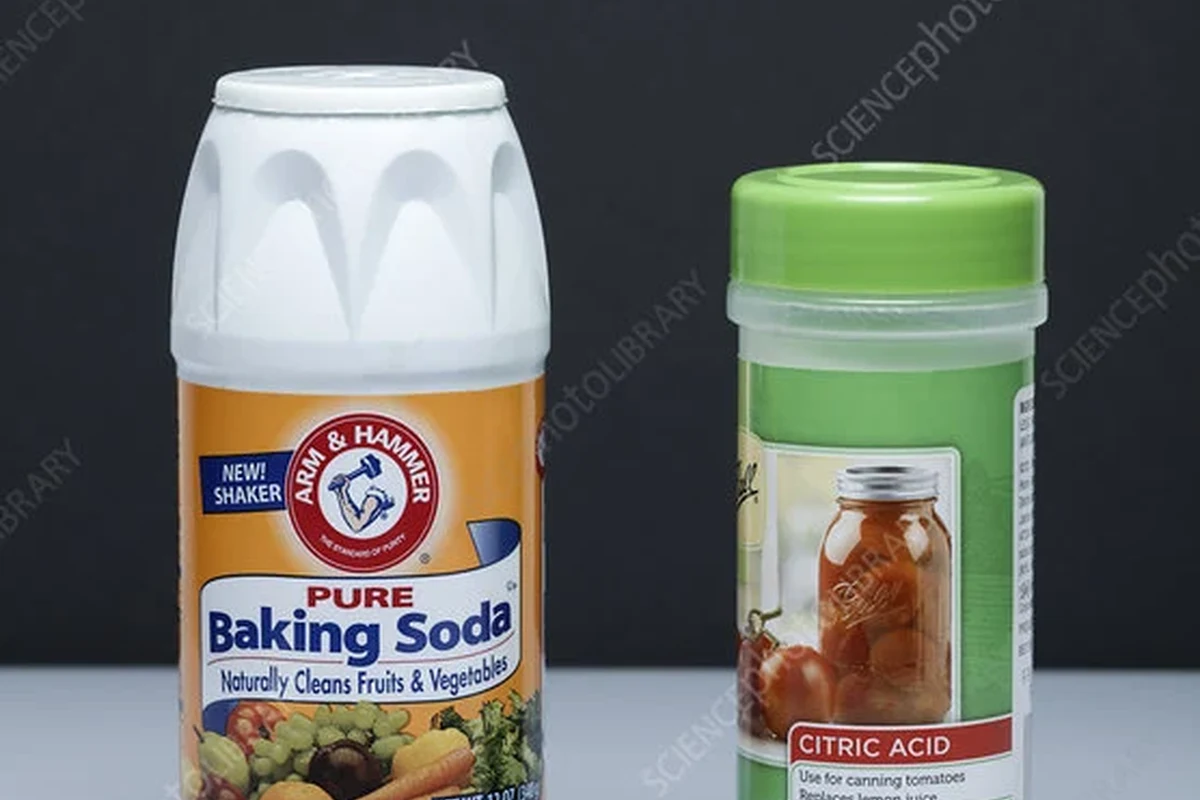
Citric acid is a food-grade acid that brings tartness and helps trigger the leavening reaction. Baking soda is sodium bicarbonate, a base that releases carbon dioxide gas when it meets an acid and moisture. That gas is what helps batters and doughs expand.
How the acid-base reaction works in baking
When citric acid and baking soda combine, they neutralize each other and form bubbles of carbon dioxide. In a batter, those bubbles get trapped in the structure of flour, eggs, and fats, then expand in the oven as heat sets the crumb.
The reaction starts as soon as the two ingredients are hydrated, so timing matters. If the batter sits too long before baking, some of the gas escapes before the oven can help it rise.
Citric acid is stronger and more concentrated than lemon juice, so it gives bakers more predictable acid control without adding extra liquid.
Why this pairing matters in modern home and professional kitchens
This pairing is useful when a recipe needs a known, repeatable acid level. That matters in pastry classrooms, test kitchens, and dry mixes where extra moisture from juice or vinegar would change texture.
It is also helpful when you want to fine-tune flavor without making a batter taste overtly citrusy. For bakers comparing leaveners, it can be useful to understand how this differs from recipes that rely on baking powder, as covered in our guide to using baking soda instead of baking powder safely.
Common Baking Uses for Citric Acid and Baking Soda
Leavening in cookies, cakes, and quick breads
In cookies, cakes, and quick breads, citric acid and baking soda can create lift when the formula does not include enough natural acid from buttermilk, yogurt, molasses, or cocoa. This is especially useful in dry mixes or shelf-stable blends where the acid must stay separate until mixing.
For example, a muffin batter may use the pair to create a steady rise and a lighter crumb. The exact amount depends on the flour, sugar, fat, eggs, and other acidic ingredients already in the recipe.
Not every recipe needs extra acid. If a formula already has enough acidic ingredients, adding citric acid can make the finished bake too tangy or cause a fast, uneven rise.
Controlling flavor, tang, and browning
Citric acid can sharpen flavor in small amounts, especially in sweet doughs, fruit fillings, and glazes. Baking soda, on the other hand, raises pH, which can encourage browning and soften sharp acidic notes when used correctly.
That balance matters because pH affects both taste and appearance. Too much baking soda can leave an alkaline or metallic aftertaste, while too much citric acid can make a cake taste sour and slightly tighten the crumb.
Supporting texture in fillings, glazes, and candies
In fillings and glazes, small amounts of citric acid can brighten fruit flavor and help keep sweetness from tasting flat. In candies and some dry coatings, the pair can create a controlled fizz or a lighter texture when moisture is introduced at the right time.
In sugar work and candy making, moisture control is critical. A small amount of extra humidity can change how quickly the reaction starts and can also affect crystallization and stickiness.
How to Measure Citric Acid and Baking Soda Correctly
There is no single universal ratio, because the right balance depends on the recipe and the amount of acid already present. The goal is to use just enough acid to activate the soda without leaving a harsh flavor behind.
Typical ratios and when they change by formula
A common starting point in dry mix applications is a near-balanced ratio by weight, but formulas vary widely. Some recipes need extra acid for flavor, while others need extra soda for browning or structure.
Because ingredient density differs, measuring by volume can be less accurate than weighing. Small differences matter more in delicate cakes, cookies, and meringue-based batters than in sturdy doughs.
Converting small-batch measurements for accurate results
When scaling down, it helps to keep the same ratio rather than guessing with spoons. If your recipe uses very small amounts, measure with a scale that reads in grams or use level measuring spoons and keep the rest of the formula consistent.
Why overuse causes off-flavors, collapse, or excess fizz
Too much baking soda can leave a soapy or mineral taste because not all of it has been neutralized. Too much citric acid can create a sharp sour note and may weaken the batter if the balance of dry ingredients is thrown off.
Overactive fizz can also create large bubbles that rise quickly and then collapse before the structure sets. That is one reason students are taught to measure carefully and to avoid “more is better” thinking with chemical leaveners.
Best Techniques for Mixing and Activating the Reaction
Dry blending versus adding with liquid ingredients
For even results, whisk citric acid and baking soda into the dry ingredients before adding liquid. This helps distribute both ingredients evenly so the reaction is not concentrated in one spot.
If the formula depends on a delayed reaction, some bakers keep the acid and soda separate until the last possible moment. That approach can be useful in batters that must go into the oven immediately after mixing.
Best for even distribution in cakes, muffins, and cookie mixes.
Best when you need maximum lift right before baking.
Timing the reaction for batters, doughs, and coatings
Once liquid is added, the clock starts. In thin batters, the reaction can move quickly, while thicker doughs may hold gas a little longer because the structure is denser.
For coatings or dusting blends, the reaction may not begin until the food itself adds moisture. That can be useful for a crisp, lightly aerated finish, but it also means the result depends on how wet the surface is.
How temperature and moisture affect performance
Warm ingredients generally speed up chemical reactions, while cool ingredients slow them down. Moisture is equally important, because citric acid and baking soda need water to dissolve and react.
If your kitchen is humid, a dry mix may start reacting earlier than expected. If it is very dry, the reaction may seem sluggish until enough liquid is added.
Benefits of Using Citric Acid and Baking Soda in Baking
Cleaner ingredient control than relying on lemon juice alone
Citric acid gives you a more concentrated and repeatable acid source than lemon juice. Lemon juice adds water, flavor compounds, and natural variation from fruit to fruit, which can be helpful in some recipes but less precise in technical baking.
That precision is valuable when you want to adjust acidity without changing batter hydration. It also helps when teaching students how small formula changes affect rise and flavor.
Better shelf stability in dry mixes and pantry blends
Dry citric acid and baking soda can be stored separately in pantry blends, drink mixes, and shelf-stable baking kits until needed. That makes them useful for recipe development and classroom demonstrations where consistency matters.
- Store dry ingredients in sealed containers.
- Label blends clearly with the intended use.
- Keep moisture out of the container.
- Do not scoop with a wet spoon.
- Do not store near steam or sink splashes.
- Do not assume all dry mixes have the same ratio.
More predictable rise and flavor adjustment in teaching kitchens
In a teaching kitchen, predictable ingredients make it easier to show how acids and bases affect crumb, browning, and flavor. Students can compare a batter with no acid, one with too much acid, and one with the right balance to see how structure changes.
For instructors, that predictability is especially helpful when demonstrating the difference between chemical leavening and the fizzing reaction discussed in our article on the baking soda and vinegar reaction.
Common Mistakes, Troubleshooting, and Safety Concerns
Why a recipe may taste soapy, metallic, or overly sour
A soapy or metallic taste usually points to excess baking soda or uneven mixing. An overly sour result usually means too much citric acid or too little sweetness and fat to balance the flavor.
The finished bake tastes flat, soapy, or sharply sour.
Check the balance of acid and base, mix more evenly, and make sure the recipe already includes other acidic ingredients before adding more.
How to prevent weak lift, premature fizzing, or dense crumb
Weak lift often happens when the reaction starts too early or when the batter sits too long before baking. Dense crumb can also happen if the oven is too cool, the pan is too large, or the batter was overmixed and developed too much gluten.
Premature fizzing is common in wet batters and humid kitchens. To reduce this, combine ingredients quickly, preheat the oven fully, and keep the batter moving from bowl to pan with minimal delay.
Citric acid is a food ingredient, but it can irritate eyes and skin in concentrated form. Avoid inhaling the powder, wash hands after handling, and keep it away from children during prep.
Storage, labeling, and safe handling in food-prep environments
Store citric acid and baking soda in clearly labeled, sealed containers away from heat and moisture. In shared kitchens, label dry blends with the ingredient names and intended recipe so they are not confused with cleaning products or other pantry powders.
If you are using ingredients in a classroom or commercial setting, follow your kitchen’s sanitation rules and allergen procedures. For food safety basics involving raw ingredients and cross-contact, it is wise to follow recognized guidance from official food-safety sources such as USDA or FDA.
Practical Examples for Home Bakers and Baking Students
When to use the pair in cakes, biscuits, and muffins
This pair works well in recipes that need a quick chemical lift and a little acidity. Muffins, simple cakes, and some biscuits can benefit when the formula needs both rise and a subtle flavor lift.
Good when you want a quick rise and a tender crumb without relying on buttermilk.
Good when you want tartness and brightness without adding extra liquid.
Good when the batter needs a controlled lift and balanced flavor.
When one ingredient should not replace baking powder
Citric acid and baking soda do not always behave like baking powder, because baking powder is a pre-balanced leavening system. If a recipe is written for baking powder, replacing it with separate acid and soda without adjusting the formula can change texture, flavor, and rise.
For a deeper comparison, see our guide on whether baking soda and baking powder are the same. That distinction matters because the two ingredients are related, but they are not interchangeable in every recipe.
How instructors can demonstrate the reaction in class
A simple classroom demo can show how acid, base, moisture, and heat work together. Mix a small dry sample, add liquid, and observe the fizz before baking so students can connect the visible reaction with the final crumb.
- Measure ingredients accurately.
- Preheat the oven before mixing the batter.
- Prepare pans so the batter can bake immediately.
- Keep notes on any ingredient changes.
That kind of demonstration works best when students also compare a control batch. The contrast helps them see that leavening is not just about bubbles; it is also about timing, structure, and oven heat.
Final Verdict: When Citric Acid and Baking Soda Are Worth Using
Citric acid and baking soda are worth using when you need precise acid control, a quick rise, or a dry-mix system that stays stable until baking. They are especially useful in teaching kitchens, pantry mixes, and recipes where extra liquid from juice or vinegar would cause problems.
Best use cases for flavor control, leavening, and lesson planning
Choose this pair when you want to fine-tune tang, improve browning, or demonstrate chemical leavening clearly. It is a practical option for bakers who want more control than a splash of lemon juice can provide.
Use citric acid and baking soda when the recipe benefits from a measured acid-base reaction and you can control timing, moisture, and balance. If the formula already contains enough acid, or if the recipe calls for a built-in leavener, baking powder or another acid source may be the better choice.
When to choose baking powder or another acid instead
Choose baking powder when you want a simpler, pre-balanced leavening system with less formula adjustment. Choose another acid, such as buttermilk or yogurt, when the recipe benefits from added moisture and a dairy flavor profile.
If you are unsure, start with the original recipe structure and change only one variable at a time. That approach gives better results and makes troubleshooting much easier in both home baking and classroom work.
Frequently Asked Questions
Sometimes, but not always. Baking powder is pre-balanced, so replacing it with separate citric acid and baking soda usually requires recipe adjustments.
There is no single best ratio because it depends on the recipe and other acidic ingredients. A weighing scale gives more accurate results than volume measurements.
A soapy taste usually means too much baking soda or uneven mixing. The soda may not have been fully neutralized by acid in the recipe.
They can be stored dry together in some mixes, but they should stay dry until use. Once liquid is added, the reaction starts and the lift begins to fade.
Yes, humidity can start the reaction early in dry mixes and reduce shelf stability. Store both ingredients in sealed containers away from moisture.
Food-grade citric acid is commonly used in cooking, but the powder can irritate eyes and skin in concentrated form. Handle it carefully and keep it away from children during prep.