
Baking Soda Dish Soap Tips for Cleaner Dishes Fast

Baking soda dish soap can speed up cleanup on greasy, stuck-on dishes when you use it in the right amount. It works best as a targeted scrub helper, not a replacement for soaking or specialty cleaners.
Baking soda dish soap can make everyday dishwashing faster when you want a little extra scrubbing power without reaching for a harsh cleaner. Used the right way, it helps loosen stuck-on food, cut grease, and reduce lingering odors on common kitchen messes.
- Best use: Good for greasy pans, stained bakeware, and stubborn residue.
- How it works: Dish soap cuts grease while baking soda adds mild scrubbing help.
- Main limit: It is not ideal for every coating, finish, or heavy buildup.
- Mixing tip: Use enough soap to keep the paste spreadable and rinseable.
- Safety note: Check care instructions and avoid mixing with other cleaners.
What Baking Soda and Dish Soap Each Do for Cleaner Dishes
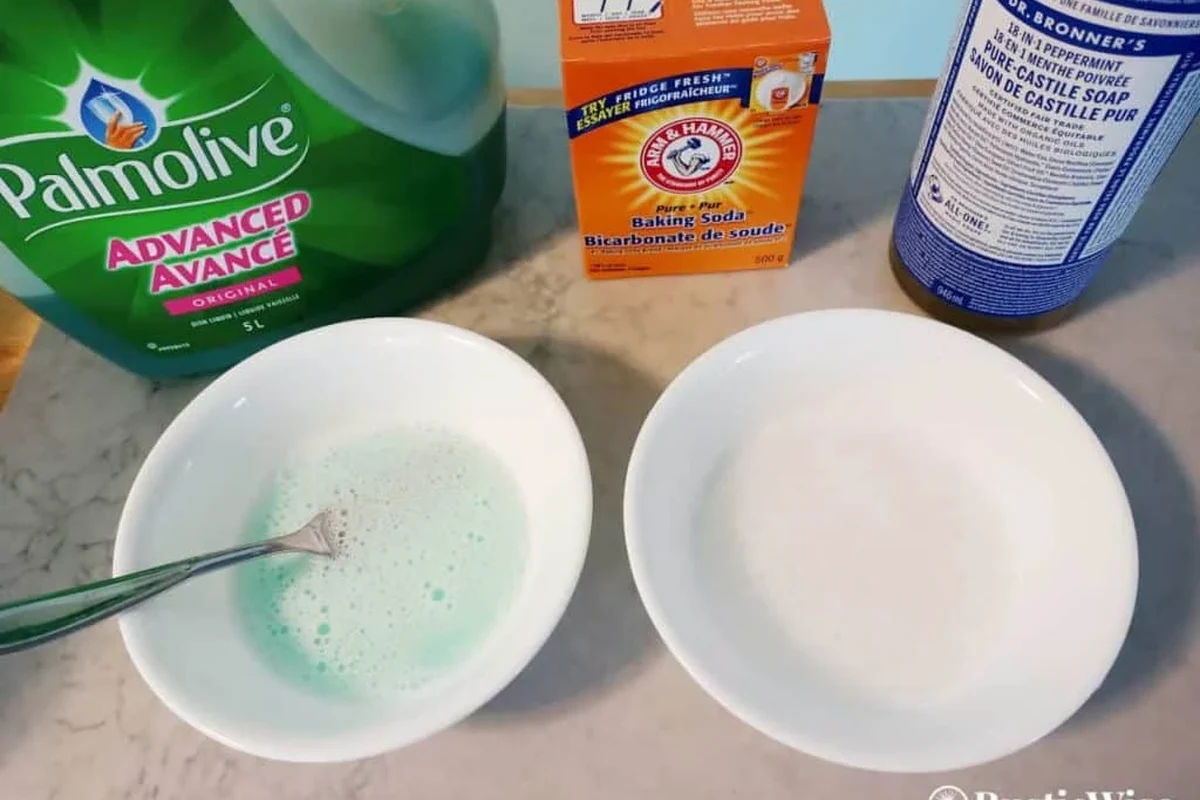
Baking soda and dish soap work in different ways, which is why the combination can be useful. Baking soda is a mild abrasive and odor helper, while dish soap is designed to break up grease and help water lift soil away from the surface.
How baking soda helps lift stains, soften residue, and reduce odors
Baking soda has a fine, gentle texture that can help nudge off dried food without the harshness of a heavy scouring powder. It also helps neutralize some odors, which is useful for dishes that sat with coffee, tea, tomato sauce, or onion smells.
That said, baking soda is not a magic solvent. It works best when the residue is already softened by water or soap, so it usually performs better after a short pre-rinse or soak.
What dish soap contributes: grease-cutting, surfactants, and rinse performance
Dish soap contains surfactants, which help water spread over greasy surfaces and pull oil away from the dish. This matters most on pans, casserole dishes, and utensils with a thin film of butter, oil, or sauce.
Good dish soap also rinses clean when used in the right amount. If you use too much of either ingredient, you can leave behind a pasty film that takes more rinsing, not less.
Why the combo works better on certain messes than either one alone
The combination is most helpful when you have both grease and stuck-on residue at the same time. Dish soap loosens the oily layer, and baking soda adds a bit of mild scrubbing power for the dried bits that cling to the surface.
This is why baking soda dish soap often feels more efficient on baked-on food than plain soap alone. It is also why it can be a smart backup method in baking soda cleaning routines for ovens and other stubborn kitchen cleanup jobs, as long as you match the method to the surface.
Baking soda is mildly alkaline, which helps it work well on acidic odors and some food residues, but it is still gentle compared with many dedicated cleaners.
Best Times to Use Baking Soda Dish Soap on Everyday Dish Loads
This method makes the most sense when the mess is annoying but not extreme. Think of it as a practical middle ground between plain dishwashing and a full soak or heavy-duty degreaser.
Greasy pans, baked-on casserole dishes, and stubborn coffee or tea stains
Greasy baking sheets and casserole dishes are common candidates because they often have both oil and dried-on food. A little baking soda gives your sponge or brush extra grip, especially around the edges where sauce tends to harden.
It can also help with coffee and tea stains on mugs, where the problem is often a thin film rather than a thick layer of food. For discoloration that looks yellowed or stained, many people also use baking soda for yellow stain cleanup in other parts of the home, but dishware still needs a food-safe rinse.
Lightly soiled plates versus heavily caked cookware
For lightly soiled plates, plain dish soap is usually enough. Adding baking soda may be unnecessary unless you are dealing with a stubborn smear, a smell, or a dried spot that does not lift easily.
For heavily caked cookware, the combo helps, but it may still need a soak first. If food is burnt onto the pan, the cleaning job becomes more about softening the residue than scrubbing harder.
When this method makes sense in a busy home or student kitchen
Baking soda dish soap is especially useful when you need one simple method that handles several common messes. In a busy kitchen, that can save time because you do not have to switch between multiple products for every pan and plate.
It is also practical in student kitchens where storage space is limited. A small box of baking soda plus regular dish soap can cover many day-to-day cleaning tasks without taking up much room.
If you are cleaning dishes that touched raw meat, eggs, or seafood, wash them promptly with hot water and dish soap. Follow food-safety guidance from recognized sources such as USDA or FDA for safe handling and cross-contamination prevention.
How to Mix Baking Soda With Dish Soap Without Wasting Product
The key is using enough baking soda to help with scrubbing, but not so much that you turn your soap into a dry paste that stops lathering. A balanced mix usually cleans better and rinses faster.
Recommended proportions for a sink-side paste, scrub, or soak
For a quick scrub paste, start with a small amount of dish soap and add baking soda gradually until you get a spreadable texture. A thick paste should cling to a sponge or non-scratch pad, while a thinner mix works better for soaking stubborn spots.
For a sink-side soak, use more water and less baking soda. The goal is to soften residue first, then use dish soap to remove grease during the final wash.
Choosing the right consistency for sponges, brushes, and non-scratch pads
A sponge works well with a slightly looser paste because it holds the mixture and spreads it evenly. A brush usually does better with a thicker texture that stays on the bristles and reaches corners.
Non-scratch pads are useful for casseroles, glass baking dishes, and stainless steel because they give you more control than an abrasive scrubber. If a surface has a coating, always check manufacturer care instructions before using any abrasive cleaner.
Why too much baking soda can reduce suds and cleaning efficiency
Too much baking soda can make the mixture feel dry and reduce the foamy action of the soap. Suds are not the only sign of cleaning power, but some lather helps the soap spread and lift grease more evenly.
If the mix starts looking chalky, add a little more dish soap or water. That small adjustment usually improves spreadability and makes rinsing easier.
Never mix cleaning products unless the label says it is safe. Avoid combining baking soda dish soap with bleach, ammonia, or other cleaners, because the result can be unsafe or damage surfaces.
Step-by-Step Cleaning Method for Faster Results
A simple order of operations matters more than people expect. When you loosen food first and scrub second, you usually use less effort and waste less product.
Pre-rinse, apply, scrub, and let sit: the order that saves effort
Use warm water to remove loose crumbs, sauce, and grease. This keeps the baking soda dish soap from turning into a muddy paste too quickly.
Spread a thin layer over the stained or stuck-on area. Focus on the problem spots instead of coating the whole dish heavily.
Use short, steady strokes rather than hard pressure. Let the mixture do the work so you do not scratch the surface.
For stubborn residue, allow the mixture to rest for a few minutes before a final scrub and rinse. This gives the soap time to loosen grease and the baking soda time to soften the residue.
How long to leave the mixture on dishes before rinsing
For light cleanup, you may only need a minute or two. For baked-on residue, a short wait can help, but long drying times can make the paste harder to remove.
If the mixture dries out, re-wet it slightly before rinsing. That keeps you from scrubbing the same spot twice.
Practical examples for glassware, baking dishes, and stainless steel
On glassware, use a light touch and a soft sponge so you do not leave visible scratches. On baking dishes, a thicker paste and a non-scratch pad can help break down browned edges and sauce residue.
On stainless steel, baking soda dish soap can work well for food smears and greasy fingerprints. Wipe in the direction of the grain when possible, then rinse and dry to reduce spots.
- Use warm water to soften food first
- Apply the mix only where needed
- Rinse fully after scrubbing
- Letting the paste dry completely on dishes
- Scrubbing coated surfaces with force
- Using more product than the job needs
Common Mistakes That Make Baking Soda Dish Soap Less Effective
Most problems come from using the method where it does not fit, or from expecting it to replace every other cleaning step. A little planning makes the result much better.
Using it on the wrong surface or expecting it to replace soaking
Baking soda dish soap is helpful, but it is not always enough for hardened food or old residue. If the mess is thick or crusted, a soak usually works better before you scrub.
It also is not the best choice for every material. Some finishes need gentler treatment, and some need a cleaner that is made specifically for that surface.
Scrubbing too aggressively on nonstick, coated, or delicate finishes
Hard scrubbing can damage nonstick pans, decorative dishware, and specialty coatings. Once a coating is scratched, food can cling more easily and cleaning becomes harder over time.
For delicate surfaces, use a soft sponge and test a small area first. If the finish looks dull or feels rough, stop and switch to a gentler method.
Mixing it with the wrong cleaners and creating avoidable safety issues
One of the biggest mistakes is assuming more chemicals means better cleaning. In reality, mixing products can cause fumes, unwanted reactions, or surface damage.
For a simple breakdown of why some mixtures behave unpredictably, see our guide to the baking soda and vinegar reaction. Even when a reaction looks dramatic, it does not automatically mean better cleaning power.
Safety, Surface Compatibility, and Storage for Home Kitchens
Safety matters even with a gentle cleaner. Baking soda and dish soap are common household products, but they still need careful use around certain materials and in food-contact areas.
What to avoid on aluminum, specialty coatings, and decorative dishware
Aluminum can react badly to some abrasive or alkaline cleaners, so always check the cookware instructions before using baking soda on it. Decorative dishware, hand-painted pieces, and specialty finishes may also need a softer approach.
If the manufacturer gives care directions, follow those first. That advice matters more than any general cleaning tip.
Safe handling around skin, eyes, and food-contact surfaces
Dish soap and baking soda are common, but they can still irritate sensitive skin or eyes. Wear gloves if your hands are already dry or cracked, and rinse immediately if product gets into your eyes.
After cleaning food-contact surfaces, rinse thoroughly so no residue remains. This is especially important on plates, utensils, and glassware that will touch food right away.
How to store homemade cleaning paste or mixed solution between uses
If you mix a small batch ahead of time, store it in a clean, sealed container and label it clearly. Keep it away from food storage and out of reach of children and pets.
Even then, it is usually best to make small amounts as needed. Fresh paste is easier to control, and you avoid the mess of dried, hardened product.
If you are unsure whether a dish, pan, or coating is safe for baking soda scrubbing, check the manufacturer’s care instructions first. When in doubt, choose the gentlest cleaning method available.
When Baking Soda Dish Soap Is Not the Best Choice
There are times when another method will save more effort. Knowing when to switch tactics is part of cleaning efficiently, not failing at it.
Situations where a stronger degreaser or long soak performs better
If a pan has a heavy grease layer, a dedicated degreaser or very hot soapy soak may outperform a baking soda mix. This is especially true after roasting or frying, when oil can cling in a thin but stubborn film.
For large loads of greasy cookware, a long soak can soften everything at once, which may be faster than spot scrubbing each item by hand.
Cases involving hardened residue, mineral buildup, or sanitizing needs
Hardened mineral buildup, like hard-water deposits, usually needs a different cleaner than baking soda and dish soap. The same is true when you need sanitizing rather than simple cleaning.
Cleaning removes soil; sanitizing follows different rules. For food safety questions, rely on official guidance and the directions on the product label.
How to choose the right cleaning approach for different dishwashing jobs
Use plain dish soap for everyday plates and glasses. Use baking soda dish soap when you need a little extra scrubbing help on residue, stains, or odors.
Use soaking, a stronger cleaner, or a surface-specific product when the buildup is heavy, the finish is delicate, or the job calls for sanitizing. That decision saves time and helps protect your cookware.
- Helpful on greasy, stuck-on messes
- Uses common, low-cost kitchen staples
- Can reduce odors on dishes and bakeware
- Not ideal for every coating or material
- Can reduce suds if overmixed
- May still need soaking for heavy buildup
Final Verdict: Is Baking Soda Dish Soap Worth Using for Cleaner Dishes Fast?
For many everyday kitchen jobs, yes. Baking soda dish soap is worth using when you want a simple, budget-friendly boost for greasy pans, stained bakeware, and stubborn residue that does not come off with plain soap alone.
Best-use recap for speed, cost, and everyday kitchen cleanup
The method works best as a targeted helper, not a replacement for all dishwashing. Use it on problem spots, keep the mix balanced, and rinse well so you get the benefit without extra cleanup.
Who benefits most from this method in 2026 home and student kitchens
Home cooks, students, and anyone with limited storage can benefit from this approach because it uses ingredients many kitchens already have. It is especially handy when you want one cleaner that can handle several common messes without buying a separate product for each one.
Simple decision guide for choosing between baking soda, dish soap, or both
Choose dish soap alone for routine washing, baking soda for gentle scrubbing or odor help, and both together when grease and residue show up on the same dish. If the surface is delicate, the buildup is severe, or the job involves sanitation, switch to the method that fits the material and the safety need.
Baking soda dish soap is a practical fast-cleaning option for many common dishwashing tasks, especially when grease and stuck-on food need a little extra help. Use it carefully, keep the mixture mild, and choose a different cleaner or soak when the surface or residue calls for it.
Frequently Asked Questions
Start with a small amount of dish soap and add baking soda until you get a spreadable paste. The exact amount depends on whether you want a scrub, a soak, or a light cleaning mix.
Not always. It can help loosen residue, but very hard or burnt-on food often cleans faster after a short soak first.
Use caution. Nonstick and coated surfaces can scratch if you scrub too hard, so check the manufacturer’s care instructions and use a soft sponge if allowed.
Too much baking soda can reduce suds and make the mix feel dry. Add a little more dish soap or water to improve spreadability and rinsing.
Yes, in a clean sealed container for a short time, but small fresh batches are usually easier to use. Keep it away from food and label it clearly.
Use a different cleaner for heavy grease, mineral buildup, sanitizing needs, or delicate surfaces that should not be scrubbed. Always follow the product or cookware instructions.