
Cookies Without Baking Soda Easy Soft and Chewy Recipe

Yes, you can make soft and chewy cookies without baking soda by balancing butter, sugar, eggs, and flour carefully. Chill the dough and pull the cookies from the oven when the centers still look slightly soft.
Cookies without baking soda can still be soft, chewy, and full of flavor when the dough is balanced correctly. The key is understanding what baking soda normally does, then adjusting fat, sugar, moisture, and mixing so the cookies bake up well without it.
- Texture matters most: Softness comes from moisture, fat, and gentle mixing, not just leavening.
- Brown sugar helps: It supports chew and helps cookies stay tender longer.
- Chill for control: Cold dough spreads less and usually bakes thicker.
- Watch doneness early: Set edges and soft centers give the best chewy result.
- Measure carefully: Too much flour is one of the fastest ways to make cookies dry.
Why Bake Cookies Without Baking Soda in 2026
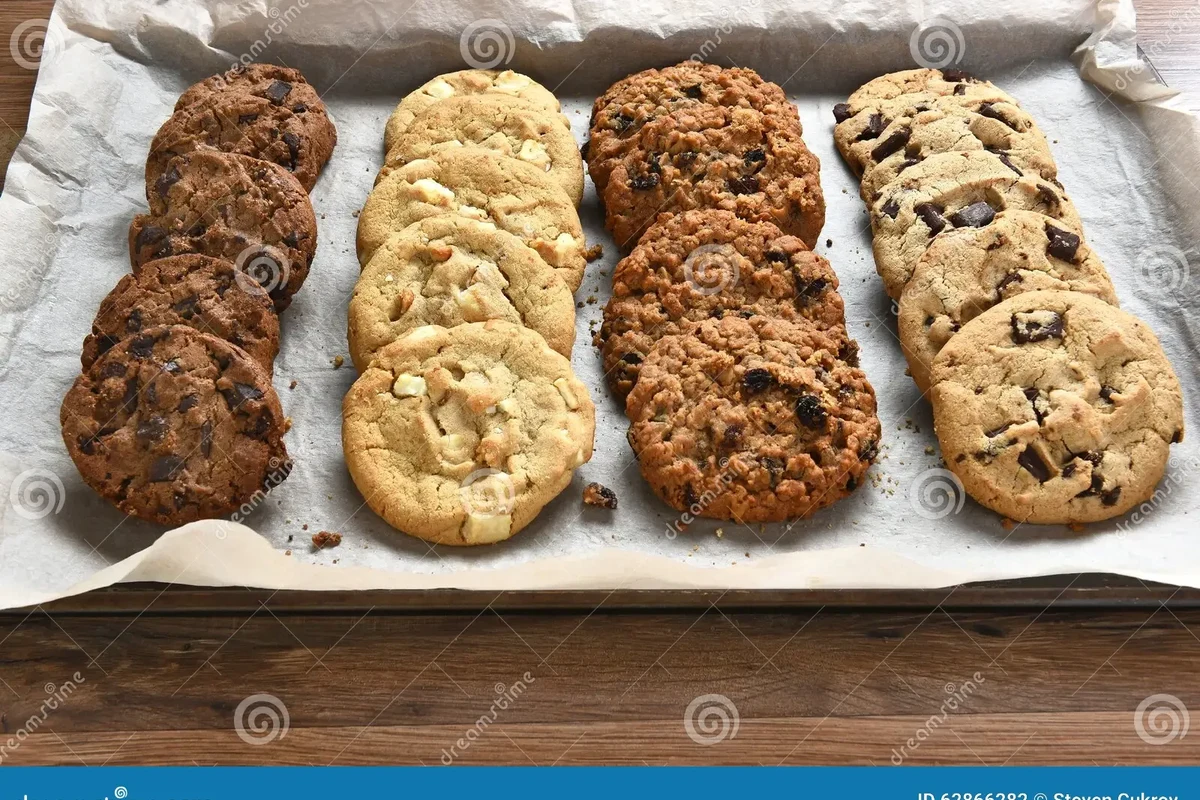
There are plenty of reasons to make cookies without baking soda, and most of them are practical. Sometimes you are simply out of the ingredient, and sometimes you want a cookie that spreads less, tastes milder, or relies on a different texture profile.
If you are comparing leaveners, it helps to understand the basics of how baking soda and baking powder differ. Baking soda is alkaline, so it reacts with acids and affects browning, spread, and flavor in ways baking powder does not.
When a recipe runs out of baking soda
Running out of baking soda does not mean you have to skip cookies. Many cookie styles are naturally low-rise and can still work with little or no chemical leavener if the dough has enough fat and sugar for tenderness.
This is especially useful for drop cookies, shortbread-style cookies, and some chewy chocolate chip variations. In those recipes, structure comes more from butter, eggs, flour, and chilling than from a strong rise.
How baking soda changes spread, browning, and texture
Baking soda raises pH, which speeds browning and can make cookies spread more because the dough sets later. It also gives a slightly crisp, browned edge and a deeper caramel-like flavor when the recipe includes an acid to activate it.
Without baking soda, cookies often bake a little paler and may stay thicker if the dough is well chilled. That can be a good thing if you want soft centers and a gentler flavor, but it also means you need to watch the bake carefully so the cookies do not turn dry.
Many classic cookie formulas rely on texture control more than lift. In those recipes, the balance between butter, sugar, and flour matters more than a strong leavening reaction.
What Makes Cookies Soft and Chewy Without Baking Soda
Soft and chewy cookies depend on moisture retention, limited gluten development, and enough fat to keep the crumb tender. If baking soda is missing, these factors become even more important because they help the cookie stay pleasant instead of turning dense or dry.
Ingredient roles: butter, sugar, eggs, and flour
Butter adds flavor and tenderness, and it helps the dough spread before the proteins set. Sugar sweetens the cookie, but it also holds moisture, so a higher brown sugar ratio usually helps with chew.
Eggs add structure and moisture. Flour gives the cookie its framework, but too much flour makes the result dry and cakey, especially when there is no baking soda to lighten the texture.
How moisture, fat, and mixing method affect texture
More moisture usually means a softer cookie, but too much can make the dough loose and the cookies flat. Fat coats flour proteins, which limits gluten formation and keeps the crumb more tender.
Mixing matters too. Once the flour goes in, mix only until combined so the dough does not become tough. Overmixing develops gluten, and that is one of the fastest ways to lose chew and end up with a bready texture.
Best cookie styles for skipping chemical leaveners
Some cookie styles handle the absence of baking soda better than others. Thick chocolate chip cookies, sugar cookies, peanut butter cookies, and shortbread-style cookies can all work well when the dough is balanced for softness.
Delicate lace cookies or recipes that depend on a dramatic rise are less forgiving. If the recipe needs lift for its final shape, another leavening approach may be a better fit.
These can stay soft and chewy if the dough is chilled and the brown sugar ratio is higher than the white sugar ratio.
These rely on butter for tenderness and usually do not need a strong chemical rise.
Ingredient Swaps That Work Best in Baking Soda-Free Cookies
When baking soda is missing, the best swaps are the ones that preserve texture without making the cookie taste off-balance. The goal is not to force a chemical reaction, but to keep the dough stable, flavorful, and soft.
Using baking powder instead of baking soda
Baking powder can often replace baking soda in cookie dough, but it is not a perfect one-to-one swap in every recipe. Baking powder already contains acid, so it creates lift without depending on the dough’s ingredients.
If a recipe calls for baking soda and you use baking powder instead, the cookie may rise a little more and brown a little less. For the most reliable result, use a baking powder substitution only when the recipe is forgiving and the dough is not already very acidic.
Do not assume any leavener swap will work the same in every cookie recipe. Ingredient brands, humidity, egg size, and oven calibration can all change the final texture.
Adjusting sugar type, fat, and egg ratio
Brown sugar supports chew because it contains molasses and holds more moisture than white sugar. If you want a softer cookie without baking soda, using more brown sugar and slightly less granulated sugar is often helpful.
Fat also matters. Softened butter gives a balanced spread, while melted butter usually makes cookies denser and chewier. A small increase in egg yolk can add richness and tenderness, but too much egg can make the cookie cakier.
Flavor boosters that support browning and depth
Without baking soda, cookies may brown more slowly, so flavor becomes especially important. Vanilla, toasted nuts, browned butter, molasses, espresso powder, or a little extra salt can make the cookie taste deeper even if the color stays lighter.
If you want a richer result, browned butter is one of the most useful upgrades because it adds nutty notes without changing the basic structure too much. Just remember that browned butter changes moisture content, so the dough may need a brief chill before baking.
If you want cookies without baking soda to stay soft, lean on brown sugar, chill the dough, and pull the cookies from the oven when the centers still look slightly underdone.
How to Measure and Mix for Consistent Results
When the leavener is removed, careful measuring becomes more important. Small differences in flour, butter temperature, or mixing time can make the difference between a soft cookie and a dry one.
Accurate flour measurement and why overpacking causes dry cookies
Too much flour is one of the most common reasons cookies turn dry and heavy. If you scoop flour directly from the bag, you can pack in more than you intended, which changes the dough balance immediately.
For more consistency, spoon flour into the cup and level it off, or use a scale if you already bake by weight. A scale is usually the most reliable method, but exact results still depend on ingredient brand and how the recipe was developed.
- Measure flour carefully instead of packing it into the cup.
- Use butter at the temperature the recipe expects.
- Check that your baking powder, if used, is fresh enough.
- Line your pan so cookies release evenly.
Mixing order for even dough without overdeveloping gluten
Start by creaming butter and sugar if the recipe uses softened butter. That step traps some air and helps the dough bake with a lighter texture.
Add eggs and flavorings next, then mix in dry ingredients just until the flour disappears. Once flour is hydrated, overmixing can make the cookies tougher, so stop as soon as the dough looks even.
Chilling the dough to control spread and improve chew
Chilling gives the flour time to hydrate and firms up the butter, which slows spread in the oven. That often helps cookies without baking soda hold their shape better and develop a chewier middle.
Even a short chill can help, though the exact time depends on the dough. Very soft doughs may need longer refrigeration, especially in warm kitchens or humid weather.
Mix the dough, portion it if needed, and chill until the butter is firm enough to hold shape.
Bake until the edges are set and the centers still look a little soft.
Let cookies rest on the pan briefly, then move them to a rack so they finish setting without overbaking.
Baking Time, Oven Temperature, and Doneness Cues
Oven settings matter a lot when baking cookies without baking soda because the dough may spread and set differently than expected. A slightly cooler or hotter oven can change texture, color, and the point at which the centers finish cooking.
How temperature changes spread and softness
A hotter oven usually sets the edges faster, which can reduce spread but may dry the cookie if it is left in too long. A moderate temperature often gives more even baking and a softer center.
Because ovens vary, it is wise to check your oven with an oven thermometer if your cookies often bake too dark or too pale. Rack position also matters, since the top and bottom of the oven may bake differently.
Visual signs of doneness for soft centers and set edges
Look for edges that are set and lightly golden while the center still appears slightly soft or puffy. The cookies often finish setting on the hot pan after they come out of the oven.
If you wait until the middle looks fully dry in the oven, the cookies will usually be firmer once cooled. For a soft cookie, remove them a little earlier than you think and let residual heat do the final work.
Pan type, parchment, and spacing for even baking
Dark pans brown faster than light-colored pans, so they can push cookies toward a darker edge. Parchment paper helps with release and promotes more even bottoms than greased pans in many home ovens.
Leave enough space between dough portions so the cookies can spread without merging. If you crowd the pan, steam builds up and the cookies may bake unevenly.
For the most consistent bake, use the same pan style and rack position each time you make the recipe. Changing pan material or oven rack height can alter spread and browning more than many bakers expect.
Common Mistakes When Making Cookies Without Baking Soda
Most problems come from dough temperature, flour balance, or baking too long. These are easy to miss because the cookies may look fine going into the oven but turn out flatter, drier, or denser than expected.
Flat cookies from warm butter or too much sugar
If the butter is too warm, the dough can melt before it sets, leading to excessive spread. Too much sugar can also encourage spread because sugar liquefies as it bakes.
If this happens often, chill the dough longer and make sure the butter is softened, not greasy or partially melted. You can also reduce sugar slightly if the recipe is already very sweet.
The cookies spread too much and bake thin.
Use cooler butter, chill the dough, and avoid excess sugar or over-greasing the pan.
Dry, dense cookies from too much flour or overbaking
Dry cookies usually point to too much flour, too little fat, or too much time in the oven. Without baking soda, the dough may already feel heavier, so overbaking makes the texture even less forgiving.
Correct the flour measurement first, then shorten the bake slightly and check the cookies early. A cookie that looks just set at the edge often finishes better than one baked until fully firm in the oven.
Gritty or uneven texture from poor mixing or incorrect substitutions
If sugar is not creamed properly, the dough can bake with uneven texture. If a substitution is made carelessly, such as using too much baking powder or changing several ingredients at once, the result can be gritty or oddly puffy.
Make one change at a time when you are testing a baking soda-free version. That makes it easier to see whether the issue came from the leavener, the butter, the sugar, or the flour.
Do not taste raw cookie dough if it contains raw eggs or untreated flour. Follow USDA and FDA food safety guidance for handling eggs, flour, and baked goods safely at home.
Storage, Freshness, and Food Safety for Soft Cookies
Soft cookies lose moisture over time, so storage is part of the texture strategy. If you want cookies without baking soda to stay tender, how you cool, store, and freeze them matters almost as much as the recipe itself.
Room-temperature storage for short-term softness
Once cookies are fully cool, store them in an airtight container at room temperature for short-term freshness. Adding a slice of bread to the container can sometimes help maintain softness, though it should be checked regularly so it does not become stale or moldy.
Keep crisp and soft cookies separate if possible. Soft cookies absorb moisture and odors easily, so airtight storage helps protect both flavor and texture.
Freezing baked cookies and freezing dough for later use
Baked cookies freeze well if they are wrapped or sealed properly. Freeze them in a single layer first if you want to prevent sticking, then move them to a freezer-safe container or bag.
Dough can also be frozen in portions for later baking. If you freeze dough balls, bake from frozen or thaw only as directed by the recipe, since extra thawing can increase spread.
Safe handling of eggs, dairy, and dough in home kitchens
Because cookie dough often contains eggs and dairy, keep it out of the temperature danger zone for too long. Chill the dough promptly if you are not baking right away, and do not leave mixed dough sitting on the counter for extended periods.
If anyone in the kitchen has a serious egg or wheat allergy, check labels carefully and avoid cross-contact on bowls, mixers, and baking sheets. Ingredient safety is always more important than convenience.
- Cool cookies fully before storing them.
- Freeze dough in portions for easy baking later.
- Use airtight containers to preserve softness.
- Storing warm cookies in a closed container.
- Leaving raw dough at room temperature too long.
- Ignoring allergen cross-contact risks.
Best Final Verdict: When Cookies Without Baking Soda Make Sense
Cookies without baking soda make the most sense when you want a soft, chewy cookie with a gentle rise and controlled spread. They are also a practical choice when you are out of baking soda and the recipe does not depend on a strong chemical reaction.
Ideal use cases for a soft, chewy baking soda-free cookie
This approach works well for buttery cookies, brown sugar-forward doughs, and recipes where chill time is part of the texture plan. It is also useful when you want a milder flavor and a less aggressive browning effect.
If you like learning how ingredient choices change cookie texture, our guide on using baking soda instead of baking powder safely can help you compare leaveners, and our article on when baking soda expires is useful if your pantry staple may no longer be reliable.
When to choose another leavening approach instead
If the cookie recipe depends on a taller rise, a lighter crumb, or a specific acid-base reaction, baking soda-free baking may not give the same result. In that case, baking powder or a recipe designed for no baking soda is usually the safer choice.
For cookies that need a more pronounced lift, a different formula may be better than forcing substitutions. The right method depends on the style of cookie, the amount of spread you want, and how much browning you expect.
Recap of the most reliable method for home bakers
The most dependable approach is simple: use accurate flour measurement, keep the butter at the right temperature, mix gently, chill the dough, and bake until the edges are set but the centers still look soft. Those steps do more for texture than any single ingredient swap.
If you want a dependable batch of cookies without baking soda, focus on balance first and substitution second. That is the best way to get soft, chewy results that still taste like real homemade cookies.
Cookies without baking soda can be excellent when the recipe is built for softness, chew, and controlled spread. For the most reliable home-baking result, use a chilled dough, careful measuring, and an early pull from the oven.
Frequently Asked Questions
Yes. Soft cookies are possible when you balance butter, sugar, eggs, and flour carefully and avoid overbaking.
Often yes, but the result may differ in spread, browning, and rise. It works best in forgiving cookie recipes rather than formulas that depend on acidity.
Warm butter, too much sugar, or dough that was not chilled long enough can cause extra spread. Pan type and oven temperature can also affect the result.
Look for set edges and centers that still look slightly soft. The cookies should finish setting as they cool on the pan.
Store fully cooled cookies in an airtight container at room temperature for short-term freshness. You can also freeze baked cookies or freeze the dough for later.
Not if it contains raw eggs or untreated flour. Follow USDA and FDA food safety guidance and avoid tasting raw dough unless the recipe is specifically made to be safe for that purpose.