
Does Baking Soda Put Out Fires What You Need to Know

Baking soda can put out only very small kitchen fires, especially tiny flare-ups, but it is not a substitute for a fire extinguisher. If the fire grows, smokes heavily, or involves electricity or lots of grease, leave the area and get help.
If you have ever had a tiny pan flare-up and wondered, “does baking soda put out fires,” the short answer is yes, sometimes. It can help with very small kitchen fires, but only in the right situation and only if you respond quickly and safely.
- Small-fire use only: Baking soda may help with tiny, contained kitchen flames.
- Wrong for big fires: It is not reliable for spreading, smoky, or electrical fires.
- Safety first: Turn off heat, cover if possible, and back away if the fire worsens.
- Better backup tools: A proper extinguisher and metal lid are more dependable than pantry ingredients.
Does Baking Soda Put Out Fires? The Short Answer and Why It Matters
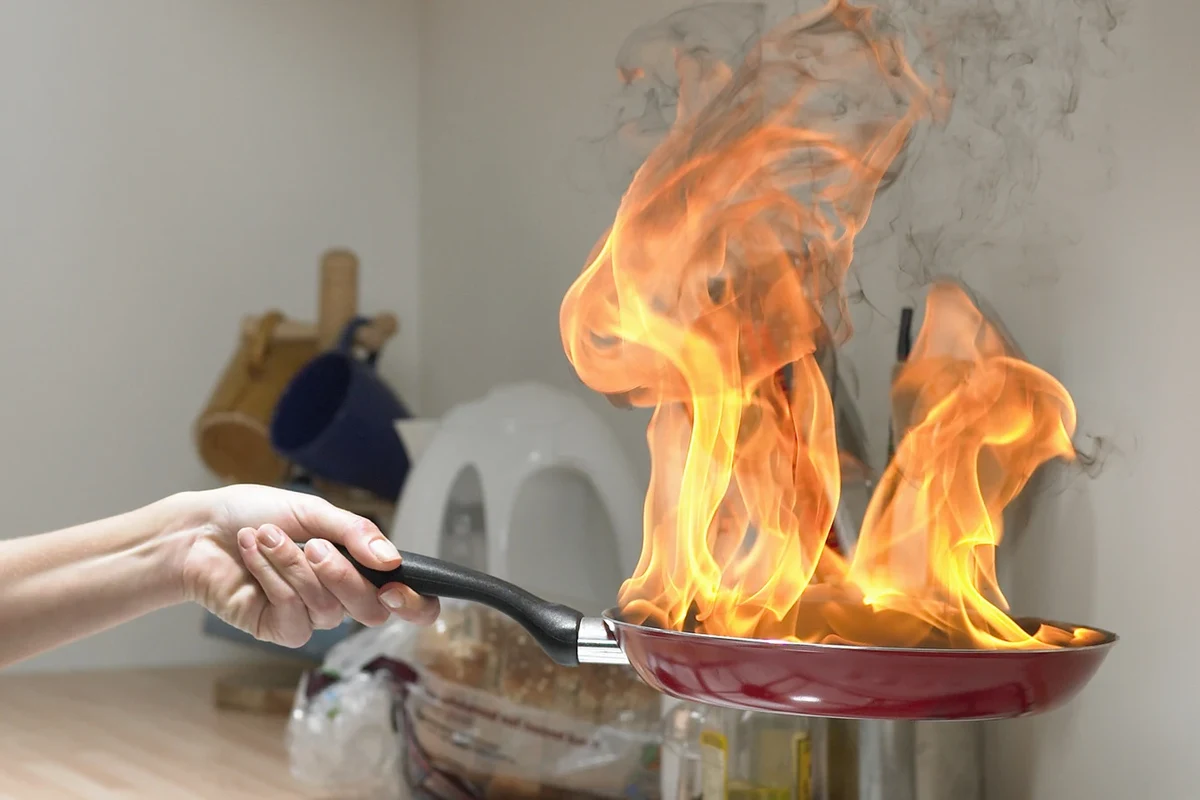
Baking soda can extinguish some small kitchen fires, especially minor grease flare-ups and dry, contained flames. It is not a universal fire solution, and it should never replace a fire extinguisher, a lid, or a clear emergency plan.
What baking soda can extinguish in the kitchen
Baking soda is most useful on very small fires involving cooking grease or other limited flames on a stovetop. When heated, it releases carbon dioxide, which can help smother the flame by reducing oxygen around it.
That makes it a possible backup for a tiny flare-up in a pan or a small spill fire near a burner. It is not meant for a large fire, a fire inside an oven that is spreading, or anything that is already filling the kitchen with smoke.
Why the question matters for home bakers and baking students in 2026
Modern kitchens often include high-heat appliances, convection ovens, air fryers, and fast preheating settings that can make small mistakes escalate quickly. For home bakers and baking students, knowing what to do in the first few seconds matters as much as knowing how to mix batter or proof dough.
Fire safety is part of kitchen technique. A well-run baking space should be prepared for hot sugar, butter, parchment paper, overheated oil, and crowded countertops where a small mistake can become a real hazard.
If flames are larger than a small pan flare-up, or if smoke is building fast, leave the area and follow your kitchen’s emergency plan. Call emergency services if the fire is out of control.
How Baking Soda Works on Small Fires
Baking soda works differently from water or a chemical extinguisher. It does not “wash away” a fire; it helps interrupt the fire triangle by reducing available oxygen and cooling the area slightly as it breaks down under heat.
The science behind carbon dioxide release and flame suppression
When sodium bicarbonate heats up, it breaks down and releases carbon dioxide gas. Carbon dioxide does not support combustion, so it can help crowd oxygen away from a flame.
That is why a small amount of baking soda sprinkled over a tiny fire can sometimes knock the flame down. The effect is limited, though, because the powder has to reach the burning area and the fire must still be small enough to smother.
Why baking soda is only effective on certain fire types
Baking soda is only useful when the fire is small, localized, and still easy to cover. It is not a good choice for deep-frying fires, electrical fires with live current, or anything that has spread to cabinets, towels, or the floor.
If the fire involves wiring or an appliance, the first concern is electrical safety. If it is a grease fire, the main risk is splashing the burning oil or feeding the flame with the wrong response.
Baking soda is different from baking powder. Baking powder contains acids and starches for leavening, but it is not a fire-response tool and should not be treated like one.
Practical examples of grease, electrical, and dry ingredient fires
A tiny grease flare-up on a skillet can sometimes be handled with baking soda if it is still very small and you can do so without leaning over the pan. A burning towel, paper towel, or oven mitt is a different situation and may spread too quickly for pantry-based fixes.
Electrical fires should not be approached casually. If an outlet, cord, mixer, or toaster is involved, unplug only if you can do it safely, then use the proper extinguisher type if trained and if the fire is still small.
Dry ingredient fires are less common, but loose flour dust or a small pile of spilled mix near a burner can ignite. In that case, the key is fast action and removing heat, not tossing more ingredients into the pan.
When Baking Soda Is a Safe Choice and When It Is Not
The safest way to think about baking soda is as a backup tool for tiny, contained kitchen fires. It is not a first-line safety system, and it should only be used when you can act without putting yourself in danger.
Best use cases for tiny stovetop flare-ups and baking-related mishaps
Baking soda is most reasonable for a small flare-up in a skillet, a minor spill near a burner, or a tiny flame caused by overheated fat that has not spread. It may also help if a small amount of dry ingredient catches and you can immediately reduce the heat source.
In baking spaces, it can be a practical backup when a tray liner edge singes or a small edge of parchment begins to flame, provided the fire is still very limited. Even then, the safest response is usually to cut heat and smother the flame first.
For kitchen fire guidance, official safety sources such as the USDA and local fire departments generally recommend keeping a lid nearby, turning off heat, and using the correct extinguisher when needed. Always follow appliance manufacturer instructions too.
Situations where baking soda should not be the first response
Do not rely on baking soda if the flames are tall, moving, or producing thick smoke. Do not use it if the fire is in an oven and you cannot safely reach it, or if it is inside a microwave with visible damage or sparks.
Never use it as a substitute for a proper extinguisher during a fire involving wiring, fuel, or a large amount of hot oil. If you feel unsure, step back and focus on getting people clear of the area.
Common mistakes people make when trying to use pantry ingredients as fire control
One common mistake is grabbing the nearest ingredient without thinking about the fire type. Flour can feed flames, sugar can melt and worsen burns, and water can splatter hot grease across the kitchen.
Another mistake is standing too close. Even a small pan fire can flare upward suddenly, so you should never hover over the burner or reach across the flame to “see what happens.”
Do not throw flour, sugar, or baking powder on a fire. These ingredients are not fire extinguishers, and some can make the situation worse.
How to Use Baking Soda Correctly in an Emergency
If you are going to use baking soda, the goal is speed, control, and distance. The fire must be tiny, and you should only use enough to cover the burning area without scattering powder all over the stove.
How much to use for a small fire
There is no exact universal amount, because pan size, flame size, and ingredient type all matter. For a very small fire, enough baking soda to create a visible layer over the burning area may help, but if it does not knock the flame down almost immediately, stop and move to a safer response.
Keep in mind that too little powder may do nothing, while too much may create a mess that complicates cleanup after the emergency is over.
Step-by-step response: turn off heat, cover if possible, and apply baking soda safely
Switch off the burner or oven if you can do it safely and without reaching over flames.
A metal lid, baking sheet, or other safe cover can cut off oxygen and may work faster than pantry ingredients.
If the fire is still tiny and contained, pour or sprinkle baking soda gently over the base of the flame from a safe distance.
Stay alert for re-ignition. If flames remain, use the extinguisher or leave and call for help.
What to do if the fire grows or smoke increases
If the fire gets larger, stops responding, or starts making more smoke, stop trying to manage it with baking soda. Get out of the immediate area, close the door if that helps contain the fire, and call emergency services if needed.
Smoke is a serious warning sign. It can mean the fire is spreading beyond the visible flame or that nearby materials are heating up enough to ignite next.
The flame keeps returning after you add baking soda.
The fire is likely too large, too hot, or not fully starved of oxygen. Use a proper extinguisher if trained, or evacuate and call for help.
Baking Soda vs. Other Fire-Response Options in the Kitchen
Baking soda has a place, but it is not the strongest or most reliable tool. A kitchen should be equipped for the most likely emergency, not just the one easiest to grab from the pantry.
Comparing baking soda with a fire extinguisher
A fire extinguisher is designed for emergencies and is the better choice when a fire is larger than a tiny flare-up. Baking soda can help in a pinch, but it is slower, less precise, and limited by how much powder you can safely apply.
- Easy to find in many kitchens
- Can help with very small contained flames
- Useful as an emergency backup
- Not reliable for larger or spreading fires
- Messy and limited in reach
- Not a replacement for a real extinguisher
Why flour, sugar, salt, and water can be dangerous or ineffective
Flour and sugar are food ingredients, not fire tools. Flour can become airborne and create a worse hazard, while sugar can melt and stick to surfaces, causing burns and cleanup problems.
Salt can sometimes help smother a tiny flame, but it is still not a substitute for proper kitchen safety equipment. Water is often the wrong answer for grease fires because it can spread burning oil and make the situation much more dangerous.
Which fire safety tools every baking space should have
A baking kitchen should have a working fire extinguisher in an accessible place, a metal lid or sheet pan that fits common cookware, and clear access to exits. It also helps to keep towels, paper, and packaging away from burners and toaster-style appliances.
If you are in a school kitchen, check that instructors explain where the extinguisher is, how to use it, and when to evacuate. That knowledge belongs in the same category as knowing how to handle a mixer, a proof box, or a hot oven safely.
Kitchen fire extinguisher
The best option is the extinguisher type recommended for your kitchen and local safety rules. Check the label, placement, and inspection date on the actual unit rather than assuming any household extinguisher is appropriate for every fire.
Fire Safety Mistakes Bakers and Students Should Avoid
Many kitchen fire mistakes happen because people react emotionally instead of logically. In baking, where you often work with sugar, butter, and paper liners, a calm response can prevent a minor problem from becoming a serious one.
Using baking powder instead of baking soda
Baking powder is not the same as baking soda. It contains additional ingredients for leavening, and while it may contain some baking soda, it is not a dependable fire-response material.
If you are trying to solve a fire emergency, do not waste time searching for a substitute. Use the right safety tool or get out.
Throwing water on grease fires
This is one of the most dangerous kitchen mistakes. Water can sink under hot grease, flash to steam, and spread burning oil across the pan, countertop, or floor.
If grease is burning, your first goal is to remove heat and smother the fire, not splash it.
Trying to move a burning pan or opening the oven repeatedly
Moving a burning pan can spill hot oil or spread flames to your hands, sleeves, or the floor. Opening the oven repeatedly can feed oxygen to a fire and make it flare up.
In baking, oven doors should stay closed during a fire unless a clear safety step requires otherwise. If you cannot control the situation quickly, leave it alone and focus on evacuation.
- Keep a lid and extinguisher nearby
- Know how to turn off burners fast
- Practice safe, calm responses in the kitchen
- Using random pantry ingredients
- Leaning over flames
- Waiting too long to call for help
What Baking Schools Should Teach About Kitchen Fire Safety
Good baking education is not only about mixing methods, dough structure, and oven performance. It should also prepare students to work safely around heat, gas, electricity, and open flame.
Core safety habits for students in professional and home kitchens
Students should learn to keep handles turned inward, avoid loose sleeves near heat, and clear clutter from the stove area. They should also know how to recognize the difference between a small controllable flare-up and a fire that needs evacuation.
Instructors can reinforce habits like checking oven mitt condition, keeping towels away from burners, and never leaving fats unattended on high heat. These are simple habits, but they prevent many accidents.
How instructors can prepare students for real-life emergency situations
Fire drills should be practical, not theoretical. Students should know where extinguishers are located, how to identify the right response for grease versus electrical fires, and when to stop trying to fix the problem themselves.
Schools can also review manufacturer guidance for ovens, mixers, fryers, and specialty equipment. That is especially important because appliance design, airflow, and heat retention vary by model.
Why fire safety knowledge belongs in every baking curriculum
Baking students work with ingredients that can burn, smoke, or ignite if handled badly. That includes sugar syrups, parchment, butter, oils, and even packaging left too close to heat.
Fire safety also builds professional readiness. Whether a student plans to work in a bakery, a restaurant, or a home-based business, they should understand the basics of emergency response before they are responsible for a real kitchen.
Final Verdict: Should You Rely on Baking Soda to Put Out Fires?
Baking soda can be a useful backup for a tiny, contained kitchen fire, but it is not dependable enough to be your main fire plan. If the fire is small and you can act safely, it may help; if the fire is growing, smoky, or involving wiring or lots of grease, it is not enough.
When it is a useful backup and when it is not enough
Use baking soda only for a very small flare-up that you can reach without danger and that is still easy to smother. If the flame is spreading or the situation feels uncertain, switch to a proper extinguisher or evacuate immediately.
Best practices for staying prepared in a baking kitchen
Keep a lid, a fire extinguisher, and a clear exit path available before you start cooking or baking. If you are a student, ask your instructor where the emergency tools are and how your kitchen expects you to respond.
For readers who want to build better pantry knowledge as well, it also helps to understand the difference between ingredients and safety tools, such as in our guide on using baking soda instead of baking powder safely. And if you are curious about common kitchen reactions, our article on the baking soda and vinegar reaction explains why some chemical changes are useful in baking but not in fire control.
The bottom line is simple: baking soda can help in a narrow emergency, but a prepared baker should never depend on it alone. The safest kitchen is one that treats fire safety as part of everyday practice, not as an afterthought.
Frequently Asked Questions
It can help with a very small grease flare-up, but only if the fire is tiny and contained. If the flames are larger or spreading, use a proper extinguisher or evacuate.
No. Baking powder is not a reliable fire-response tool and should not be used as a substitute for baking soda or a fire extinguisher.
No. Water can splatter burning grease and make the fire spread faster.
Use only enough to cover the tiny flame area, and stop if it does not work quickly. There is no exact universal amount because fire size and pan type vary.
A working fire extinguisher, a metal lid or sheet pan, and a clear exit path are the most useful basics. Kitchens should also keep towels and packaging away from heat sources.
Leave immediately if the fire grows, smoke increases, or you cannot control it safely. Call emergency services if the fire is out of control.