
Cleaning Pans with Baking Soda Easy Ways That Work

Baking soda can clean many pans by loosening grease, softening baked-on residue, and giving you a mild scrubbing action. It works best with soaking and gentle technique, and it is not the right fix for damaged coatings or deep carbon buildup.
Cleaning pans with baking soda is one of the simplest ways to handle greasy film, baked-on sugar, and browned residue without reaching for harsh cleaners first. Used the right way, it can loosen stuck messes, protect many pan surfaces, and make scrubbing feel much less frustrating.
- Best use: Baking soda is strongest on grease film, browned residue, and light to medium stuck-on.
- Surface matters: Stainless steel and glass usually handle it well; nonstick and cast iron need extra.
- Technique matters: Keep the paste damp, scrub lightly, and rinse thoroughly before cooking again.
- Know the limit: Deep carbonization, peeling coatings, or warped pans often need a different solution.
Why Baking Soda Works on Stubborn Pan Messes
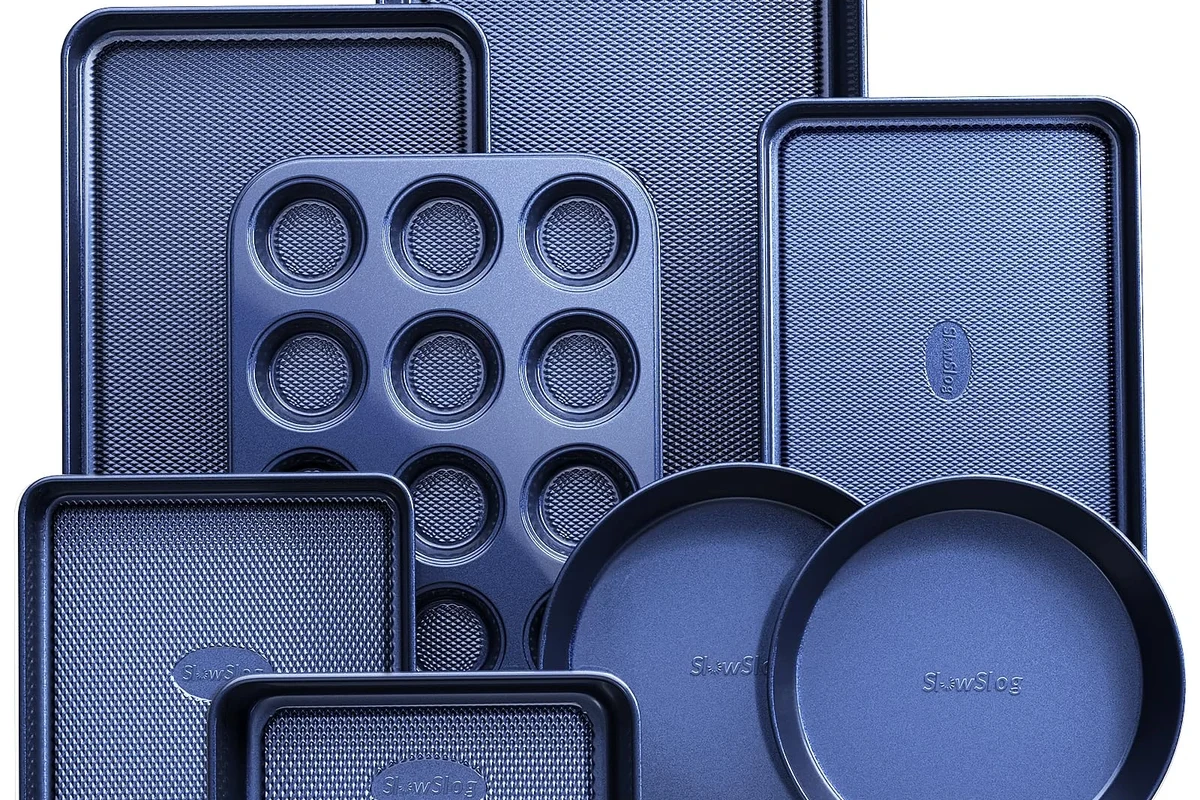
Baking soda is mildly alkaline, which helps break down greasy residue and soften grime that has been baked onto metal or glass. It also works as a gentle abrasive, so it can lift residue without the sharp scratching that comes from harsher scouring tools.
The cleaning science behind grease, baked-on sugar, and browned residue
Grease is made of oils and fats that cling to pan surfaces, especially after repeated heating. Baking soda helps loosen that film so water and a sponge can carry it away more easily.
Baked-on sugar and caramelized drips are different. Once sugar has heated past the point where it turns sticky and then hard, it forms a tough layer that usually needs soaking before it will release. Browning on sheet pans and roasting pans often comes from a mix of oil, starch, and heat, so baking soda helps by softening the bond between the residue and the pan.
Baking soda is often more effective when it stays damp. A wet paste can keep working on residue, while a dry layer is much less useful for loosening stuck-on messes.
Which pan materials respond best: stainless steel, aluminum, nonstick, glass, and cast iron
Stainless steel usually handles baking soda well, especially for grease, discoloration, and browned patches. Aluminum can also respond well, but it may darken or dull if cleaned too aggressively, so a lighter touch is better.
Glass baking dishes often clean up nicely with baking soda paste because the surface is smooth and nonporous. Nonstick pans need more caution, since the coating can be damaged by harsh scrubbing. Cast iron is the biggest exception: baking soda can strip seasoning if used often or left on too long, so it should be reserved for limited spot cleaning rather than routine soaking.
Cleaning Pans with Baking Soda: The Basic Method That Fits Most Kitchen Jobs
For everyday pan messes, the basic method is a short soak plus a baking soda paste. It is simple, low-cost, and usually enough for residue that is stuck but not fully carbonized.
What you need: baking soda, warm water, sponge, scraper, and optional dish soap
Use a soft sponge or non-scratch pad, not a metal scrubber. A plastic scraper can help lift thick bits of baked-on batter or sauce without gouging the pan.
Dish soap is optional, but it can help cut grease before or after the baking soda step. If the pan is very oily, a quick wash with hot, soapy water first can improve the result.
Step-by-step soaking, paste application, and gentle scrubbing technique
Scrape away crumbs, burnt bits, or soft residue first. This keeps the paste from turning muddy too quickly.
Mix baking soda with just enough warm water to form a spreadable paste. For greasy pans, a few drops of dish soap can help.
Spread the paste over stains, edges, and corners. Let it sit for 10 to 20 minutes for light messes, or longer if the residue is thicker.
Use a soft sponge in small circles. Add a little warm water as needed, then rinse thoroughly and dry the pan well.
How much baking soda to use for light, medium, and heavy buildup
For light residue, a thin paste made from a small spoonful of baking soda and enough water to wet the surface is usually enough. For medium buildup, use a thicker paste and cover the stain fully so it does not dry out too fast.
For heavy buildup, it is better to repeat the treatment than to pile on pressure. A thicker paste, a longer soak, and a second pass often work better than hard scrubbing. If you need a stronger cleaning routine, a baking soda soak can also pair well with other pantry methods such as the right liner habits for reducing cleanup in small appliances, though pan care still depends on the material.
Matching the Method to the Pan Type and Mess Level
The best approach depends on both the pan and the kind of mess. A grease film on a sheet pan is not the same as burnt sugar in a cake pan, and the cleaning method should match the residue.
Sheet pans and roasting pans with grease film and oven-baked stains
Sheet pans and roasting pans usually collect a thin layer of oil, drips, and browned spots from roasting. A baking soda paste works well here because it can soften the film without requiring a harsh scrub.
For these pans, focus on the corners, handles, and rim, where grease often hides. If the pan is oven-safe metal, a hot-water soak can help loosen the residue before you apply the paste.
Baking pans with caramelized sugar, fruit residue, or burnt-on batter
Cake pans, pie plates, and loaf pans often hold on to sugar-based residue. Fruit fillings can leave sticky acidity plus stain-like discoloration, while burnt batter creates a dry, crusty layer that clings to the corners.
Start by soaking the pan in warm water, then apply baking soda paste to the stuck spots. If the residue is still hard after the first round, let the paste sit again rather than scraping aggressively. This is especially helpful around seams and curved edges where batter tends to harden.
Nonstick pans: what to avoid so the coating stays intact
Nonstick pans need a gentler hand because the coating is the whole point of the pan. Baking soda can still be useful, but only with soft tools and short contact time.
Avoid steel wool, rough scouring powder, and sharp scrapers on nonstick cookware. If the coating is already peeling, flaking, or deeply scratched, cleaning will not restore it and the pan may need to be replaced.
Cast iron and seasoned cookware: when baking soda is too aggressive
Cast iron is durable, but the seasoning layer is not meant to be treated like a regular baked-on stain. Baking soda can strip that protective layer if it sits too long or if the pan is scrubbed hard.
If a cast iron pan needs cleanup, use baking soda only as a limited spot treatment for a stubborn patch. For routine care, hot water, a stiff brush, and prompt drying are usually safer for the seasoning.
Common Mistakes That Make Pan Cleaning Harder
Most cleaning problems come from using too much force or using the wrong tool. Baking soda is helpful, but it works best when you let time and moisture do part of the job.
Using abrasive pads, metal scrubbers, or too much pressure
Hard scrubbers can scratch stainless steel, damage nonstick coatings, and leave rough marks that collect more residue later. Too much pressure can also spread sticky grease around instead of removing it.
Use a soft sponge first. If a plastic scraper is needed, keep it flat against the surface and work slowly.
Letting paste dry completely before rinsing
A baking soda paste should stay damp while it works. If it dries into a crust, it can become harder to remove and may leave a powdery film behind.
Rinse thoroughly after cleaning so no powder remains on the pan before the next bake. Leftover residue can affect flavor, appearance, and how evenly the pan heats.
Mixing baking soda with the wrong cleaners or using it on damaged coatings
Do not mix random cleaners together just to make them stronger. Follow product labels for any commercial cleaner, and never combine products unless the directions clearly allow it.
Also avoid using baking soda on coatings that are already damaged. A worn surface can trap grime and may continue to flake, which is a sign the pan is past normal cleaning.
Expecting one pass to remove years of buildup
Long-term buildup often has layers: grease, heat stains, and carbonized residue all stacked together. One round of baking soda may loosen the top layer, but deeper discoloration can take several rounds or a different cleaner.
Patience matters here. Repeating a gentle method is usually safer than trying to force a quick result with abrasive tools.
Extra-Effective Variations for Tough Grease and Burnt-On Spots
When the basic method is not enough, a few variations can improve the result. The key is to use heat, moisture, or spot treatment in a controlled way, based on the pan material.
Baking soda plus hot water soak for loosened residue
A hot water soak softens grease and dried food before the baking soda paste goes on. This is a good first step for pans with a greasy film or soft burnt residue.
Fill the pan with enough hot water to cover the problem area, add a small amount of baking soda, and let it sit. After soaking, drain carefully, then scrub with a sponge and fresh paste.
Baking soda and vinegar: when the fizz helps and when it does not
Baking soda and vinegar create fizz, which can help lift loose debris from corners or textured areas. The reaction can be useful for visible bubbling on stuck spots, but it does not magically remove heavy carbon buildup.
For most pan cleaning, the fizz is more of a mechanical helper than a deep cleaner. If you use vinegar, do it as a separate step or on a small area, then rinse well. For more on safe appliance habits and heat-related cleanup concerns, it can also help to understand topics like common kitchen appliance safety issues so you know when a method is appropriate and when it is not.
Boiling-water method for oven-safe metal pans
Oven-safe metal pans can sometimes handle a boiling-water treatment, which helps soften stubborn residue before scrubbing. This works best on stainless steel and some heavy-duty metal pans, not on delicate coatings or warped cookware.
Always check the pan’s care instructions first. Sudden temperature shifts can stress some materials, so avoid plunging a very hot pan into cold water.
Spot treatment for corners, edges, and rim buildup
Rims, handles, and corners often collect the thickest buildup because they are easy to miss during normal washing. A small amount of paste applied with your fingers, a cloth, or the edge of a sponge can target these areas more precisely.
Let the spot treatment sit, then wipe in one direction instead of scrubbing in circles. That helps lift the residue rather than grinding it deeper into the finish.
Safety, Surface Care, and Kitchen Hygiene Considerations
Cleaning pans is not just about appearance. You also want to protect your hands, your cookware finish, and the rest of the kitchen while you work.
Protecting hands, finishes, and surrounding countertops during cleaning
Wear gloves if your skin is sensitive or if you are cleaning several pans in a row. Baking soda is mild, but repeated wet scrubbing can still dry out hands.
Keep the work area dry enough to avoid slipping, and do not leave wet pans on wood counters for long periods. If you are cleaning near electrical appliances, keep water away from cords and outlets.
Rinsing thoroughly to prevent powdery residue before baking again
Baking soda residue can leave a chalky feel if it is not fully rinsed away. That residue may affect the look of the next bake, especially on light-colored batters, custards, or delicate pastries.
Rinse under warm running water and wipe the pan with a clean cloth or paper towel. If the surface still feels slippery or dusty, rinse once more.
Drying pans fully to reduce rust, spotting, and lingering odors
Drying matters as much as cleaning. Water left in seams, rims, or handles can lead to water spots on stainless steel and rust on cast iron or lower-quality metal pans.
Set the pan upright or towel-dry it right away. For cast iron, make sure it is completely dry before storing so moisture does not damage the seasoning.
When Baking Soda Is Not Enough: Signs You Need a Different Cleaning Approach
Sometimes a pan is beyond what baking soda can reasonably fix. Knowing that limit saves time and helps you avoid damaging cookware that is still usable.
Deep carbonization, warped metal, flaking coatings, and persistent discoloration
Deep carbonization looks like a hard black layer that does not soften much after soaking. If the metal is warped, the pan may heat unevenly and continue to bake on food in the same spots.
Flaking nonstick coating is a safety and performance issue, not just a cleaning issue. Persistent discoloration on its own is not always a problem, but if it comes with rough texture, peeling, or odor, the pan may be nearing the end of its useful life.
When to switch to specialized cleaners, degreasers, or replacement
If baking soda, soaking, and gentle scrubbing do not make a meaningful difference after repeated tries, a specialized cleaner may be more practical. Choose a product made for the specific cookware material and follow the label closely.
For heavily damaged pans, replacement can be the safer choice. That is especially true for nonstick cookware with peeling surfaces or pans that no longer sit flat on the burner or in the oven.
How to decide whether the pan is still safe and worth saving
Ask three questions: Is the surface intact? Does it still heat evenly? Is the residue cosmetic, or is it affecting function? If the answer points to damage rather than dirt, cleaning will only go so far.
When in doubt, compare the cost of a replacement to the time and effort needed to restore the pan. A pan that is safe, flat, and structurally sound is usually worth saving; one that is flaking, warped, or badly corroded may not be.
Best Practices for Keeping Pans Easier to Clean in the Future
The easiest pan to clean is the one that never gets heavily baked on in the first place. A few small habits after baking can prevent most of the stubborn buildup that leads people to reach for baking soda later.
Preventive habits after baking: cooling, soaking, and prompt washing
Let pans cool enough to handle safely, then wash or soak them soon after use. Food residue is much easier to remove before it hardens into a dry layer.
If you cannot wash right away, at least fill the pan with warm water so the residue does not set. This small step can save a lot of scrubbing later.
Using liners, parchment, and proper grease management
Parchment paper, silicone mats, and other liners can reduce direct contact between food and pan surfaces. They are especially helpful for sticky batters, roasted vegetables with oil, and sugary baked goods.
For extra guidance on reducing cleanup in different kitchen setups, readers who use compact countertop appliances may also find it useful to compare liner options and safety notes before choosing a setup. Good grease management starts with how much oil you use, how evenly it is spread, and whether drips are caught before they bake on.
Final recap: the smartest way to choose a baking soda cleaning method for your pans
For most kitchen jobs, cleaning pans with baking soda works best as a gentle, patient process: soak first, paste second, and scrub lightly only where needed. Stainless steel and glass usually respond well, while nonstick and cast iron need more caution.
If the residue is light to moderate, baking soda is often enough. If the pan is deeply carbonized, the coating is damaged, or the metal is warped, switch methods or replace the pan rather than forcing a cleanup that may do more harm than good.
- Gentle on many common pan surfaces
- Helps loosen grease and baked-on residue
- Low-cost and easy to keep on hand
- Not strong enough for every carbonized mess
- Can damage delicate coatings if scrubbed too hard
- Requires patience and repeat treatment for heavy buildup
Frequently Asked Questions
For light residue, 10 to 20 minutes is often enough. Heavier buildup may need a longer soak or a second application, especially on grease and browned stains.
Yes, but only gently. Use a soft sponge, short contact time, and avoid abrasive pads or metal scrubbers that can damage the coating.
It can loosen many burnt-on spots, especially if you soak first. Deep carbonized residue may need repeated treatment or a different cleaner.
Use it only sparingly on cast iron because it can strip seasoning. For routine cleaning, hot water, a brush, and prompt drying are usually better.
The fizz can help lift loose debris, but it is not a magic fix for heavy buildup. Use it carefully, rinse well, and do not rely on it for deep carbonization.
Replace the pan if the coating is peeling, the metal is warped, or damage keeps affecting cooking performance. If the problem is only discoloration and the pan is still structurally sound, cleaning may still be worthwhile.