
How to Clean a Rug with Baking Soda for Fresh Results

Baking soda can freshen a rug by absorbing odors and helping lift light debris when used on a dry surface. It works best as a light deodorizing treatment, not as a fix for wet, delicate, or heavily stained rugs.
If you want a simple way to freshen a rug, baking soda is a practical place to start. Used correctly, it can help absorb odors, lift light surface debris, and leave rugs smelling cleaner without a wet wash.
- Best use: Freshen dry rugs with mild odors or light surface buildup.
- Fiber caution: Be careful with wool, silk, fringe, and other delicate materials.
- Technique matters: Use a thin layer, let it sit, then vacuum slowly and thoroughly.
- Limitations: Baking soda does not replace spot cleaning, deep cleaning, or mold treatment.
Why Baking Soda Works on Rugs: The Science Behind Odor and Stain Absorption
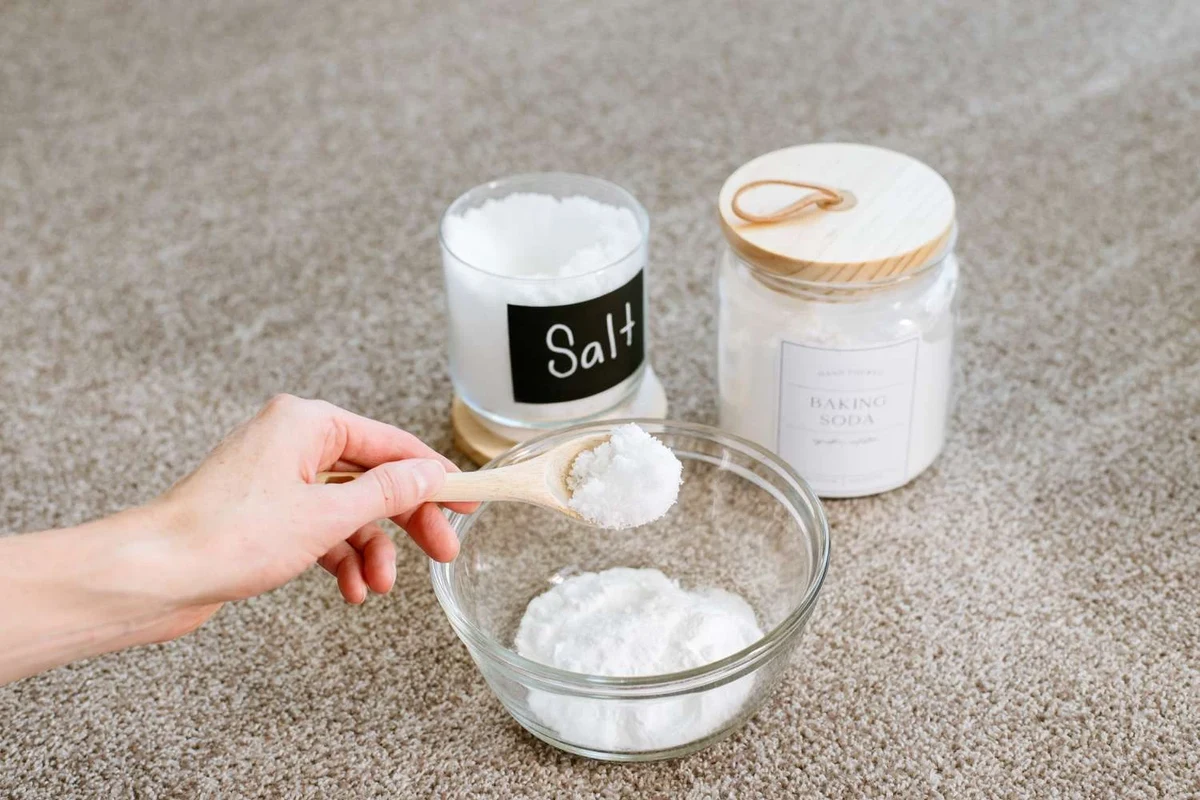
Baking soda, or sodium bicarbonate, works well on rugs because it is mildly alkaline and dry. That combination helps it interact with acidic odor compounds, absorb some moisture at the surface, and loosen fine debris trapped in the fibers.
It is not a miracle cleaner, though. Think of it more as a deodorizing and light-refresh tool than a full stain remover. For deeper soil or set-in stains, it is often best paired with vacuuming or a proper spot-cleaning method.
How sodium bicarbonate lifts moisture, neutralizes smells, and helps loosen debris
Rugs often hold onto smells from foot traffic, cooking, pets, or damp air. Baking soda can help by drawing in a small amount of surface moisture and reducing the intensity of odor molecules, which is why it is useful on rugs that smell stale but are not heavily soiled.
The powder also sits among the fibers and can make dry dirt easier to remove when you vacuum. That is one reason it is often used as a pre-vacuum treatment for rugs with everyday dust and odor buildup. If you want to understand the same ingredient in another cleaning setting, see baking soda on carpet for a quick refresh.
What kinds of rug fibers respond best to baking soda treatment
Synthetic fibers such as nylon, polyester, and olefin usually handle baking soda well when the rug is dry and colorfast. Cotton and many blended rugs can also respond well, especially for odor control and light freshening.
Natural fibers can be more variable. Wool, silk, jute, and other delicate or moisture-sensitive materials may react poorly if the powder is worked in too aggressively or left on a damp rug for too long. Always check the care label when available.
Baking soda is most effective on dry surfaces because moisture can cause it to clump before it has a chance to spread evenly through the rug pile.
When to Use Baking Soda on a Rug and When to Avoid It
Baking soda is a good fit for rugs that need a light reset, not a heavy rescue. It works best when the rug is dry, the odor is mild to moderate, and the fibers are sturdy enough to tolerate brushing and vacuuming.
Best situations for freshening high-traffic, pet, and musty rugs
Use baking soda on hallway rugs, entry mats, living room area rugs, and other high-traffic pieces that collect everyday smells. It can also help with pet odors, especially if the rug has already been cleaned and just needs a fresher finish.
It is a useful option for musty rugs stored in a closet or exposed to humid air, as long as the rug is dry before treatment. In homes where odor control is a frequent issue, readers often also find it helpful to compare this approach with baking soda for smoke odors and other odor-specific methods.
Cases where baking soda can create problems on delicate, wool, or moisture-sensitive rugs
Avoid heavy baking soda use on silk, antique rugs, loosely woven fringe, or rugs with fragile backing. The powder can settle deep into the pile and become difficult to remove, especially from thick or textured construction.
Wool rugs deserve extra caution. They can be sensitive to over-wetting, harsh brushing, and residue buildup, so it is usually better to follow the manufacturer’s care directions or use a wool-safe cleaning method if the rug needs more than deodorizing.
Signs a rug needs spot cleaning, deep cleaning, or professional care instead
If a rug has visible staining, sticky residue, a strong sour smell, or signs of mold, baking soda alone is not enough. The same is true if the rug feels damp underneath, because odor may be coming from trapped moisture rather than surface dirt.
Choose spot cleaning for one small spill, deep cleaning for widespread soil, and professional care for valuable, handmade, antique, or structurally delicate rugs. If you are unsure, the safest move is to test a small hidden area first or consult the care label and cleaning guidance from the rug maker.
Do not treat a rug that is still wet from a spill or flood as if baking soda alone will solve the problem. Moisture trapped in the backing or pad can lead to odor, mildew, or damage, and that usually requires proper drying first.
Supplies and Preparation Before You Start
You do not need many tools for this method, but preparation matters. A careful setup helps the powder work better and reduces the chance of residue or damage.
Choosing the right baking soda, vacuum, brush, and optional deodorizing add-ins
Use plain baking soda from a fresh, dry box or bag. For cleanup, a vacuum with strong suction and a clean filter is important, especially on thicker rugs where powder can sink into the pile.
A soft brush or clean broom can help distribute the powder gently. Some people add a few drops of essential oil, but that is optional and not always a good idea in homes with pets, children, or scent sensitivity. Fragrance can also leave its own residue, so plain baking soda is often the safest choice.
Pre-cleaning steps: testing colorfastness, removing loose dirt, and protecting flooring underneath
Before applying anything, vacuum the rug well to remove loose grit. Grit left behind can turn into a muddy paste if the rug is even slightly damp, and it can also keep the baking soda from reaching the odor source.
If the rug is new, colorful, or handmade, test a hidden corner with a small amount of baking soda first. Also check what is underneath the rug, especially on wood or sensitive flooring, so you can avoid scratching or dust transfer when you move and vacuum it.
- Vacuum loose dirt first
- Check the care label if available
- Test a hidden area for colorfastness
- Make sure the rug is dry
- Protect the floor underneath if needed
Safety and ventilation considerations for homes with pets, children, or allergies
Keep pets and children away while the powder sits on the rug and while you vacuum it up. Fine dust can irritate sensitive noses and lungs, so good ventilation is helpful, especially in smaller rooms.
If anyone in the home has asthma, strong scent sensitivity, or allergy concerns, use plain baking soda without add-ins and vacuum slowly with a well-maintained machine. For serious respiratory or allergy questions, follow qualified guidance and product-label instructions rather than general cleaning advice.
Step-by-Step Method for Cleaning a Rug with Baking Soda
The basic method is simple: vacuum first, apply baking soda evenly, let it sit long enough to absorb odors, and then vacuum it out thoroughly. The details matter because too much powder or too little vacuuming can leave a dull film behind.
Remove furniture if practical, then vacuum both sides if the rug allows it. This clears grit so the baking soda can reach the odor and not just sit on top of dust.
Sprinkle baking soda over the area in a thin, consistent layer. For a small spot, use just enough to cover the area lightly; for a full rug, aim for even coverage rather than a thick pile of powder.
Use a soft brush or broom to lightly distribute the powder. Do not scrub hard, because aggressive rubbing can push debris deeper and flatten the pile.
Allow time for the powder to absorb odors and surface moisture. The exact sit time depends on rug thickness, odor level, and humidity, so check the rug periodically rather than guessing blindly.
Vacuum slowly in overlapping passes, then repeat in a different direction if the rug is thick or textured. If powder remains visible, keep vacuuming until the fibers feel clean and look free of residue.
How much baking soda to use for small spots versus full-rug deodorizing
For a small spot, a light dusting is usually enough. You should be able to see the area covered, but not buried under a thick white layer.
For a full rug, use a thin, even application across the surface. More powder does not always mean better results; in fact, excess powder often makes cleanup harder and can leave a chalky look in the pile.
How to apply, work it in, and let it sit for effective odor absorption
Apply the powder from a shaker, sieve, or your hand while moving steadily across the rug. A more even layer works better than dumping a mound in one place, because odor control depends on contact with as much fiber surface as possible.
Let it sit long enough to do its job, but not so long that it becomes compacted into the pile. In humid rooms, a shorter sit time may be better because baking soda can absorb moisture from the air as well as from the rug.
Vacuuming technique for removing powder without leaving residue
Vacuum slowly and in overlapping rows. If the rug is thick, change direction on a second pass so the nozzle can reach powder trapped near the base of the fibers.
Empty the vacuum bin or check the bag if suction drops. Weak suction is one of the most common reasons baking soda seems to “stay behind” after cleaning.
If the rug still smells faintly after one treatment, it may need a second light application rather than one heavy one. Two careful rounds are often better than one overdone pass.
Optional follow-up steps for lingering odors or light stains
If odor remains, repeat the treatment after checking that the rug is fully dry and that no hidden spill is still active. For light stains, use a separate spot-cleaning method first, then use baking soda afterward to help with lingering smell.
For some households, a gentle follow-up with another cleaning approach is useful, especially if the odor comes from smoke, food grease, or pet accidents. If you want a related cleaning reference, the guide on the baking soda and vinegar reaction can help explain why some combinations are useful in one situation but not ideal for every rug.
Practical Examples for Common Rug Problems
Different rug problems call for slightly different handling. The method stays the same, but the amount of powder, sit time, and follow-up work can change.
Freshening a hallway rug that traps everyday foot traffic odors
Hallway rugs often collect shoe odor, dust, and outdoor moisture. A light baking soda treatment can help reset the rug between deeper cleanings, especially if the fibers are synthetic and the rug is vacuumed regularly.
For best results, treat the rug after a thorough vacuum and before the room gets heavy use again. That gives the powder time to work without being immediately disturbed by foot traffic.
Treating pet accidents, food spills, and damp basement smells
Pet accidents need more than deodorizing if the spill is fresh or soaked through. Blot first, clean the affected area according to the rug’s care instructions, and only then use baking soda to help with leftover odor.
Food spills can leave a greasy or sugary residue, so a dry powder treatment alone may not remove the stain source. Damp basement smells often point to humidity or moisture in the backing, which means drying and ventilation matter just as much as odor absorption.
Using baking soda on area rugs versus wall-to-wall carpeted sections
Area rugs are easier to move, inspect, and vacuum on both sides, so they are usually the better candidate for baking soda treatment. Wall-to-wall carpet can also be freshened this way, but you need to be more careful about furniture, seams, and residue in the carpet backing.
If you are treating carpeted sections instead of a removable rug, use a lighter hand and test suction carefully. The same basic idea applies, but cleanup can take longer because the powder is working around room edges and fixed surfaces.
Common Mistakes That Reduce Results or Damage the Rug
Most problems with baking soda come from using too much, using it on the wrong surface, or skipping the cleanup step. A careful method gives better results than a heavy-handed one.
Using too much powder and leaving a chalky film behind
One of the most common mistakes is covering the rug so heavily that the powder becomes hard to remove. That can leave a dull, chalky film or make the rug feel rough underfoot.
A thin layer is usually enough. If the odor is still there after vacuuming, repeat the process instead of doubling the amount all at once.
Rubbing aggressively and pushing debris deeper into the fibers
Scrubbing may feel productive, but on rugs it can do more harm than good. It can distort the pile, push grit lower, and make the rug look worn faster.
Use a gentle brush or broom just to distribute the powder. The vacuum should do most of the real removal work.
Applying baking soda to a wet rug without proper drying time
Baking soda on a damp rug can clump, cake, and trap moisture. That can make cleanup harder and may hide a deeper wetness problem underneath the fibers.
If the rug is wet, dry it first with airflow, towels, or a fan as appropriate for the material. If you suspect trapped moisture in the pad or backing, deeper drying steps are needed before deodorizing.
Skipping a vacuum test on thick pile, fringe, or textured rugs
Thick pile rugs, shag styles, and textured weaves can hold powder deep in the fibers. Fringe can also trap residue and become messy if brushed too hard.
Before treating the whole rug, test a small section so you can see how easily the powder lifts out. That simple check can save time and reduce the chance of visible residue.
Even though this is a cleaning task, the same basic safety rule applies: do not mix products casually. Keep baking soda away from cleaners that the rug maker does not recommend, and always follow manufacturer instructions for specialty fibers.
How to Maintain Freshness After Cleaning
Baking soda works best as part of a larger rug-care routine. Regular vacuuming, quick spill response, and humidity control help the fresh results last longer.
Routine vacuuming and spot-care habits that extend results
Vacuum rugs before dirt gets ground into the pile. For busy households, that often means more frequent vacuuming in entryways and hallways than in low-traffic rooms.
When spills happen, blot first and treat the spot promptly. The sooner you remove residue, the less likely odors will settle into the fibers and backing.
Storage, humidity control, and odor prevention for rugs in closets or basements
Stored rugs should be fully dry before rolling or folding. If a rug goes into a closet or basement while still holding moisture, musty odors can build quickly.
Use dehumidification or ventilation where needed, especially in damp spaces. If a rug is stored long term, inspect it periodically for odor, insect activity, or moisture problems.
When to repeat the treatment and how often is too often
You can repeat baking soda treatment when a rug starts to smell stale again, but frequent heavy use is not ideal. Overuse can make vacuuming harder and may leave buildup in the pile over time.
If you find yourself treating the same rug repeatedly in a short period, the root cause may be dirt, moisture, or a spill that needs deeper cleaning. In that case, a more thorough wash or professional service is usually the better solution.
Final Recap: Is Baking Soda the Right Rug-Cleaning Method for Your Home?
For many homes, baking soda is a budget-friendly way to freshen rugs, reduce odors, and help with light surface cleanup. It is especially useful for dry rugs that smell stale but are not heavily stained or water-damaged.
It is not the right fix for every problem, though. If the rug is delicate, visibly dirty, wet underneath, or affected by mold or deep staining, choose a deeper wash or professional rug cleaning instead. For a related cleaning comparison, you may also want to review baking soda in laundry and how the ingredient performs in other household cleaning jobs.
- Affordable and easy to find
- Good for odor control and light refreshes
- Works without adding much moisture
- Not a full stain remover
- Can leave residue if overused
- Not ideal for delicate or wet rugs
In short, baking soda is a smart first-step method when you want a cleaner-smelling rug with minimal effort. Use it lightly, vacuum thoroughly, and know when a deeper clean is the safer choice.
Frequently Asked Questions
Use a light, even layer rather than a thick pile. Small spots need only a dusting, while full-rug deodorizing works best with thin coverage across the surface.
Let it sit long enough to absorb odors and surface moisture, then vacuum thoroughly. The best time depends on rug thickness, humidity, and how strong the odor is.
Sometimes, but wool needs extra caution. Test a hidden area first and follow the rug maker’s care instructions, since delicate fibers can react badly to heavy powder or aggressive brushing.
It can help reduce leftover odor, but it will not fix a soaked-through accident by itself. Blot and clean the area first, then use baking soda only after the rug is dry.
Baking soda is usually safe on many dry, colorfast rugs when used lightly. Problems are more likely when the rug is delicate, wet, or left with too much residue.
Use it when the rug needs freshening, not on a strict daily schedule. If you need it often, the rug may need deeper cleaning or a better humidity and spill-control routine.