
How to Read a Baking Recipe Before You Begin: A Practical Guide for Better Results
A good bake usually starts before the mixer turns on. If you want fewer surprises, less wasted ingredient, and more consistent results, the skill to build is simple: learn how to read a baking recipe before starting.
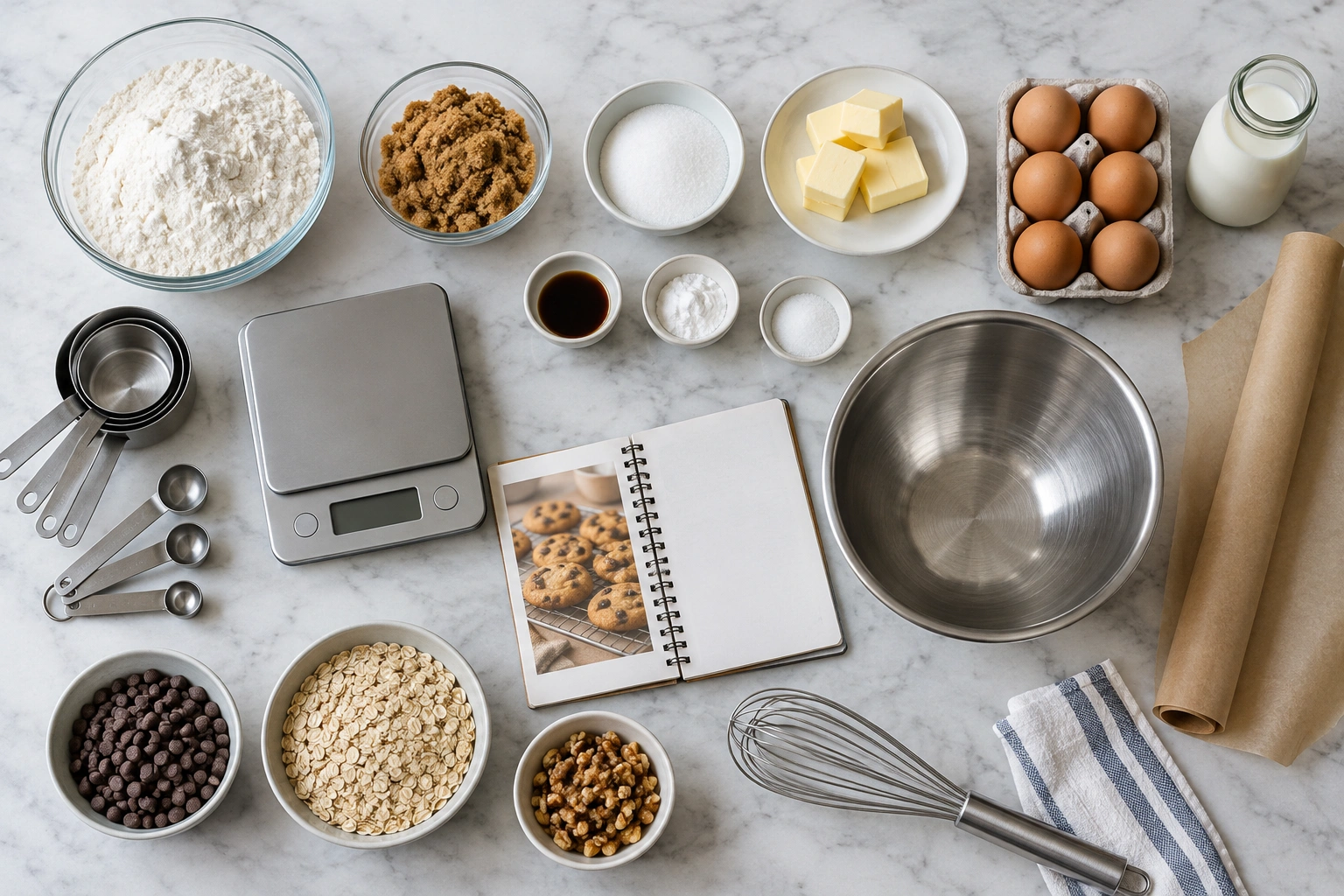
That does not mean scanning the ingredient list and jumping in. Baking rewards the baker who slows down long enough to understand the recipe’s structure, timing, equipment, and terminology. Once you know what to look for, you can spot problems early, prep the right tools, and decide whether a recipe is realistic for your kitchen.
Quick Workflow: How to Read a Baking Recipe in Order
Before you do anything else, scan the recipe in this order:
- Title and yield — confirm what the recipe makes and whether that matches your goal.
- Timing — check prep time, bake time, cooling time, and any chilling or resting time.
- Pan size — make sure the pan or baking vessel matches what you own.
- Ingredients — confirm quantity, form, and temperature.
- Equipment — look for mixers, thermometers, parchment, scales, or specialty tools.
- Terminology — identify any baking terms or abbreviations you do not know.
- Substitutions — decide in advance whether any swaps are safe.
That quick pass gives you the full map before you start mixing.
Why You Should Read the Whole Recipe All the Way Through First
Baking recipes are more like instructions for a sequence than a loose list of steps. If you miss one line near the end, you may discover too late that the dough needed chilling, the oven needed preheating earlier, or the pan size was different from what you have.
Reading the full recipe first helps you catch the parts that are easy to overlook when you are eager to get started:
- a resting or chilling step
- a long preheat time
- ingredients that must be softened or melted
- a special pan or liner
- a final step that changes the texture, such as folding in fruit or egg whites
That quick read-through also helps you judge whether the recipe fits your schedule. A cookie recipe with 15 minutes of prep is very different from a pastry recipe that needs mixing, chilling, rolling, and baking in stages.
Start with the Big Picture: Yield, Time, Temperature, and Pan Size
Before you look closely at ingredients, scan the recipe for the four details that shape the whole bake: yield, timing, oven temperature, and pan size.
Yield tells you whether the recipe matches your goal
Yield is the amount the recipe makes. It may be listed as servings, cookies, cupcakes, loaves, or cake layers. If a recipe makes 24 muffins and you only need 12, you have a decision to make before mixing. You may halve it, freeze some batter if the recipe allows, or choose a different recipe.
This is also where beginners sometimes get tripped up by “one batch” language. One batch does not always mean one pan. A cake recipe might yield two layers, while a muffin recipe might fill a standard tin and a half. Reading yield first keeps you from underestimating how much batter or dough you are about to make.
Prep time, bake time, and cooling time are not the same thing
Recipes often separate prep time, bake time, and sometimes chilling or cooling time. That matters because a recipe that looks quick on paper may actually take much longer once you include resting or cooling.
If you plan to serve dessert after dinner, for example, a cake that needs to cool completely before frosting may not fit the schedule you had in mind. Checking the full timeline before you begin helps you avoid that last-minute scramble.
Oven temperature and pan size affect the result
Oven temperature is not just a number to set and forget. It is part of the recipe’s structure. A recipe written for a certain temperature and pan size is usually designed around how that batter or dough bakes through.
Pan size matters for the same reason. A 9-inch round pan is not interchangeable with an 8-inch pan in a casual way, and a loaf pan is not the same as a square pan. If the pan is too small, the batter may overflow. If it is too large, the bake may be thinner and finish sooner than expected.
If you need to substitute a pan, compare the fill level and watch the bake closely. For more on pan changes, see our guide on how to convert an 8-inch cake recipe to a 9-inch pan.
Check the Ingredient List for Quantity, Form, and Temperature
Once the big picture makes sense, move to the ingredient list and read it with more care than you would in a savory recipe. In baking, the exact form of an ingredient often matters as much as the ingredient itself.
Quantity: confirm you have enough before you start
Check each ingredient against what you have in the pantry or fridge. Baking recipes are less forgiving than many everyday recipes because too little flour, too much liquid, or an unplanned substitution can change the texture and structure.
This is where a quick inventory saves time and money. If the recipe needs two sticks of butter, three eggs, and a full bag of chocolate chips, it is better to know that before the bowl is dirty.
Form: look for the version the recipe actually wants
A recipe may call for:
- all-purpose flour, cake flour, or bread flour
- brown sugar packed or granulated sugar
- chopped nuts instead of whole
- chocolate chips instead of a chopped bar
- fresh fruit instead of frozen
- cocoa powder, not hot cocoa mix
Those details are not decoration. They tell you what texture or behavior the recipe expects. Using the wrong form can change the batter thickness, the spread of cookies, or the final crumb.
Temperature: room temperature, chilled, softened, or melted
Temperature cues deserve attention because they affect how ingredients combine.
- Room temperature ingredients often blend more smoothly.
- Softened butter usually creams more evenly with sugar.
- Melted butter behaves differently from softened butter and may create a denser or chewier result.
- Chilled ingredients may be intentional in recipes that rely on cold fat or firm dough.
If a recipe calls for room temperature eggs and butter, set them out early instead of trying to force the process. If it asks for chilled dough, do not skip that step just because the dough looks workable.
Understand Baking Terms and Abbreviations Before You Mix
Baking language can be brief, but each word carries a job. If you do not know what the term means, pause and look it up before you start mixing.
Common terms you should recognize
Here are a few terms that show up often:
- Cream: usually means to beat butter and sugar together until the mixture is lighter and well combined.
- Fold: gently combine ingredients without stirring aggressively, often used for whipped cream, egg whites, or berries.
- Sift: pass dry ingredients through a sieve or sifter to remove lumps and lighten the mixture.
- Whisk: mix with a whisk to combine ingredients and add air.
- Proof: in yeast baking, this usually refers to letting dough rise or checking that yeast is active, depending on the recipe.
- Stiff peaks: a whipped mixture that holds its shape when the beater is lifted.
These terms are not interchangeable. If a recipe says to fold in flour, stirring hard can knock out air or overdevelop the batter. If it says to cream butter and sugar, simply stirring by hand may not give the same texture.
Abbreviations can hide important details
Recipes may use shorthand such as tsp, Tbsp, oz, g, or °F. Treat those as instructions, not guesses. A teaspoon and tablespoon are not close enough to swap casually, and grams are not the same as ounces in the way they are measured.
If the recipe uses unfamiliar shorthand, decode it before you begin so you are not stopping mid-step to figure out what the author meant.
Compare Weight Measurements and Volume Measurements
Baking recipes may use cups and spoons, or they may use grams and ounces. Both can work, but they are not equally precise in every situation.
| Measurement style | What it means | Strength | Trade-off |
|---|---|---|---|
| Weight measurements | Ingredients measured on a scale | Usually more consistent, especially for flour and other dry ingredients | Requires a kitchen scale |
| Volume measurements | Ingredients measured with cups and spoons | Familiar and easy for casual home baking | Can vary depending on how ingredients are packed or scooped |
If a recipe gives weight measurements, use them. That is especially helpful for dry ingredients like flour and cocoa, where scooping can compact the ingredient more than the recipe intended.
If the recipe only gives volume measurements, they can still be perfectly workable for many home bakers. Just measure carefully and consistently. Spoon flour into the cup and level it rather than packing it down unless the recipe says otherwise. For recipes where precision matters more, a scale is the better tool.
A bread recipe that lists flour in grams is a good example of why weight helps. A cup of flour can vary more than many bakers expect, and that variation can change dough texture enough to affect the final loaf.
Review the Equipment List and Spot Missing Tools Early
Many recipe failures begin with equipment surprises, not ingredient problems. A recipe may assume you already have a stand mixer, a loaf pan, parchment paper, a thermometer, or a pastry bag.
Read the equipment needs before you preheat anything. Then check whether you own the exact item or a safe substitute.
What to look for
Watch for:
- specific pan sizes
- mixers or hand mixers
- cooling racks
- parchment paper or liners
- a kitchen scale
- a thermometer
- a sieve or fine-mesh strainer
- a piping bag or specialty tip
If the recipe needs one 8-inch round pan and you only have one 9-inch round pan, that is not a small detail. It may still work, but the bake time and thickness may change. If the recipe depends on a water bath, springform pan, or thermometer, make sure you understand that setup before you begin.
Decide whether to proceed or choose a simpler recipe
If the missing tool is central to the recipe, it may be wiser to choose a different recipe or wait until you can get the right equipment. If the missing item is optional or easily substituted, you may be able to continue with a reasonable adjustment.
If a recipe also relies on a technique you have never used before, look up a short tutorial or choose a more straightforward version first. Sometimes the smartest move is not to force the recipe, but to pick one that matches your current skill level.
The key is to decide before the batter is mixed. Once you are halfway through, you have less flexibility.
Map the Order of Operations Before You Start Baking
A recipe is easier to follow when you can see the sequence in your head. Before mixing, identify the steps that must happen in order and the steps that can be done ahead.
Look for timing-dependent actions
Some steps must happen at a specific moment:
- preheating the oven
- lining pans before batter is ready
- chilling dough before shaping
- adding eggs one at a time
- folding in ingredients at the end
- transferring baked goods while still warm
These are the moments where bakers often get ahead of the recipe. If you know the sequence in advance, you can keep the process calm and controlled.
Notice where the recipe changes pace
Many recipes move from fast to slow and back again. A batter may come together quickly, then need to rest. A dough may need chilling before shaping. A cake may need to cool completely before frosting.
That pattern matters because it tells you when to pause and when to keep moving. If you are making muffins, for example, you may need to have the oven ready before the wet and dry ingredients meet.
Prepare Ingredients and Equipment with Mise en Place
Mise en place simply means having everything in place before you begin. In baking, that habit reduces stress and helps you avoid mistakes when the recipe moves quickly.
What to set out before mixing
A solid prep routine usually includes:
- measured ingredients
- the correct pans
- parchment, liners, or greasing tools
- mixing bowls
- spatulas, whisks, or mixers
- a scale or measuring cups
- cooling rack if needed
- oven preheated to the correct temperature
If the recipe uses room temperature butter and eggs, set them out while you read the recipe. If it needs chopped nuts, zest, or sifted flour, prepare those before the wet ingredients are combined.
Why this matters in real baking
A muffin recipe that says to fold in blueberries at the end is a good example. If the berries are still unwashed, the pan is not lined, and the oven is cold, the batter may sit too long while you scramble to catch up. Mise en place prevents that chain reaction.
Decide Whether Substitutions or Adjustments Are Safe
Not every substitution is equal. Some changes are minor; others can alter structure, rise, or texture.
Safer changes are usually small and similar
A low-risk substitution is usually one that keeps the ingredient’s role similar. For example, swapping one flavoring for another or using a similar nut may be more manageable than changing the fat, flour, or leavening.
Structural ingredients deserve more caution
Be careful with ingredients that affect the recipe’s structure, such as:
- flour
- eggs
- leavening
- sugar
- fat
- liquid ratios
Changing those without understanding the role they play can lead to flat cakes, dry crumbs, dense cookies, or batter that does not set properly.
If you need to make a substitution, ask a practical question: does this ingredient mainly add flavor, or does it help the recipe rise, bind, or set? If it does structural work, the change deserves more thought.
For larger quantity changes, see our guides on how to double a cookie recipe without changing texture and how to halve a recipe with one egg.
Watch for Recipe Red Flags Before You Commit
A careful read can reveal problems before you waste ingredients.
Common warning signs
Pause if you notice:
- unclear instructions
- missing pan sizes
- ingredients listed without amounts
- a recipe that says “as needed” too often
- timing that seems unrealistic
- unfamiliar equipment with no explanation
- a yield that does not match the pan size
A recipe that says “bake until done” without any other cue may still be usable, but it gives you less guidance than a more precise recipe. If the recipe also has an unusual pan size or a short bake time that seems inconsistent with the batter amount, that is a signal to slow down and verify.
A quick realism check
Ask yourself three questions:
- Do I understand every step?
- Do I have the right tools and ingredients?
- Does the timing fit my schedule?
If the answer to any of those is no, fix the problem before you start. That may mean reading a technique guide, choosing another pan, or saving the recipe for a day when you have more time.
Simple Pre-Baking Checklist You Can Use Every Time
Use this short checklist before you mix anything:
- Read the full recipe from beginning to end.
- Confirm the yield matches what you want to make.
- Check prep time, bake time, cooling time, and any chilling time.
- Verify oven temperature and preheat early if needed.
- Compare the required pan size with the pans you own.
- Make sure every ingredient is on hand in the right form and amount.
- Note whether ingredients should be room temperature, softened, chilled, or melted.
- Translate any unfamiliar baking terms or abbreviations.
- Check that you have the required tools and equipment.
- Review the order of steps so you know what must happen first.
- Decide whether any substitutions are safe before you begin.
- Set out ingredients and tools so the process stays organized.
If you can move through that list without hesitation, you are ready to bake with far fewer surprises.
When to Look Up a Technique or Choose a Simpler Recipe
Sometimes the best next step is not to push ahead. If a recipe depends on a technique you have never used before, it is reasonable to pause and look up a short how-to before you start. That is often enough for basic skills like folding, whipping egg whites, or lining a pan correctly.
If the recipe has several unfamiliar parts at once, or if the result needs to be reliable for an event, choose something simpler. A straightforward recipe with clear steps is usually a better first attempt than a complicated one that leaves you guessing.
If you have a baker friend, this is also a good moment to ask a practical question about the step that feels unclear. You do not need expert-level help for every recipe—just enough guidance to keep the process manageable.
Reading a baking recipe carefully is not about being cautious for the sake of it. It is about giving yourself a clear plan before the flour hits the bowl. Once you know the yield, timing, ingredients, equipment, and steps, baking becomes much more predictable.

