
How to Unclog a Drain with Baking Soda and Vinegar Fast
Baking soda and vinegar can help clear slow drains with light grease, soap scum, and loose buildup. It is a quick first try, but it will not reliably remove hair clogs, deep blockages, or pipe problems.
If you need a fast, low-cost way to clear a slow drain, baking soda and vinegar is a common first try. It works best on light buildup like grease film, soap scum, and loose residue, not on hard or deep clogs.
- Best use: Slow drains with soft buildup near the opening.
- Main limit: It will not reliably clear deep, solid, or hair-packed clogs.
- Safety first: Never mix it with bleach, ammonia, or commercial drain cleaners.
- Better results: Remove visible debris, let the mix sit, then flush with hot water.
- Know when to stop: Recurring backups or multiple slow drains usually need a plumber.
Why Baking Soda and Vinegar Became the Go-To DIY Drain Fix in 2026
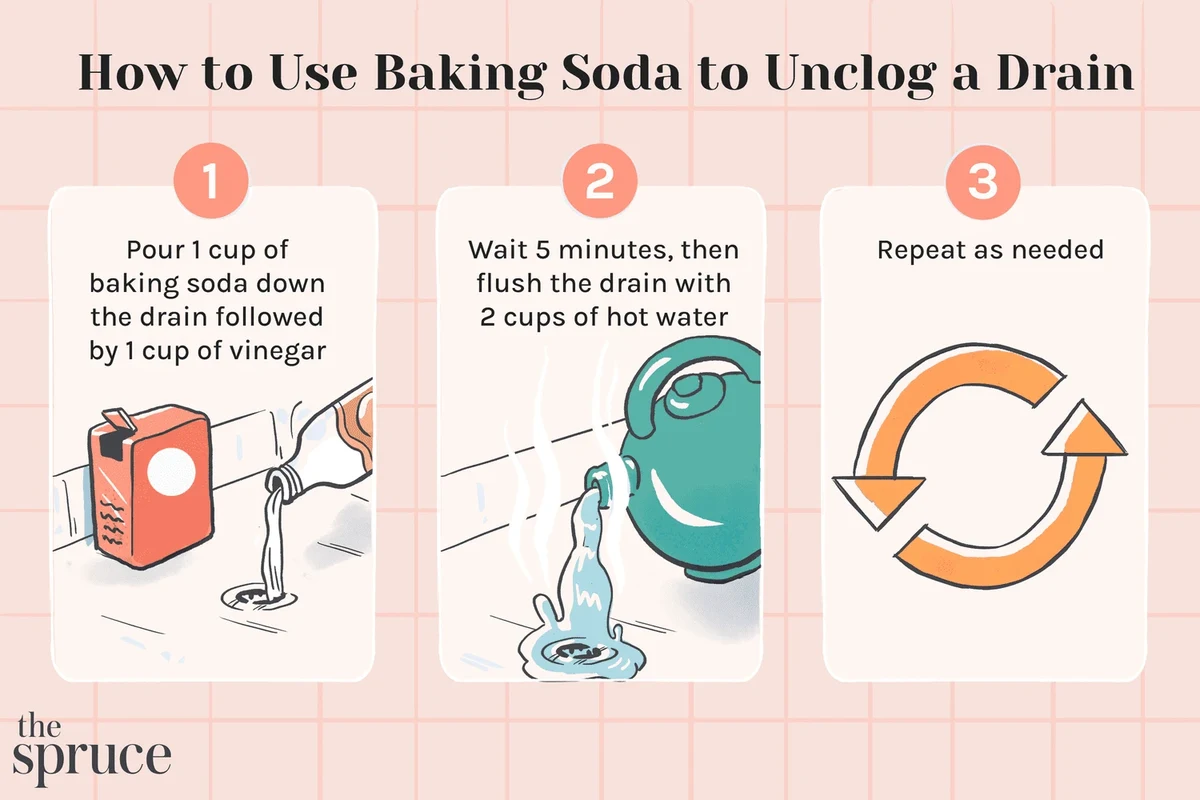
This method keeps showing up in home care advice because it is simple, inexpensive, and uses ingredients many households already have. It is also less harsh than many chemical drain cleaners, which matters if you want to avoid fumes, splashing, or pipe damage from repeated use.
For readers who like practical kitchen fixes, this is a bit like a basic baking formula: the right ingredients can help with the problem, but only if the problem matches the method. If you are comparing home maintenance options the way you would compare appliances, our guide on whether air fryers are worth it follows the same logic of matching the tool to the job.
What this method can realistically dissolve and what it cannot
Baking soda and vinegar can help loosen soap film, small grease deposits, and grime sitting near the top of the drain line. It may also dislodge debris that is already partly broken up and just needs a push to move along.
It will not reliably dissolve hair mats, solid food plugs, mineral scale, foreign objects, or a clog sitting far down the pipe. If water is backing up completely and staying that way, the blockage is probably too stubborn for fizz alone.
How searchers usually want to fix a slow sink, shower, or tub drain fast
Most people are not looking for a complicated plumbing lesson. They want a quick, safe process that can be done in minutes before they call for help or buy tools.
That is why the best version of this method focuses on preparation, the right ratio, and a proper wait time. Rushing the steps usually gives the impression that the method “didn’t work,” when the real issue is that the drain needed cleaning first.
How the Baking Soda and Vinegar Reaction Works Inside a Clogged Drain
The reaction is a simple acid-base mix. Baking soda is alkaline, vinegar is acidic, and together they create fizzing carbon dioxide gas along with water and sodium acetate.
That fizz does not magically melt a clog, but it can help break apart loose buildup and agitate material stuck near the drain opening. In a narrow pipe, that agitation can be enough to move soft residue along.
What each ingredient does in the drain line
Baking soda helps by coating the inside of the drain with a mild abrasive and alkaline powder. Vinegar adds the acid that starts the reaction and can help loosen some greasy or soapy residue.
Used together, they create movement and pressure in a small space. The effect is strongest when the clog is fresh, soft, and close to the drain opening.
Why the fizzing action helps with loose buildup, but not every blockage
The fizzing is useful because it can shake up debris that is not tightly packed. Think of it as stirring the problem rather than cutting through it.
That is also the limit. A dense hair clog or a hard plug will usually stay in place, which is why a drain snake or plunger may be more effective.
When hot water improves results and when it can make things worse
Hot water can help flush away loosened grease and residue after the reaction has finished. It is especially helpful in kitchen sinks where oily film is part of the problem.
Do not pour boiling water into every drain. Very hot water can be risky for some PVC pipes, older plumbing, or fixtures with fragile seals, so use hot tap water or carefully heated water unless you know your system can handle more heat.
Vinegar and baking soda neutralize each other quickly, so the main benefit comes from the fizzing action and the flushing step, not from a long-lasting chemical reaction.
What You Need Before You Start: Safe Materials, Measurements, and Drain Prep
Before you pour anything in, check what kind of drain you have and whether there is standing water. A little preparation makes this method more effective and reduces mess.
Common ingredient ratios for kitchen, bathroom, and shower drains
A common starting point is about 1/2 cup baking soda followed by 1/2 cup white vinegar for a standard sink drain. For a shower or tub drain, some people use a slightly larger amount, but the exact quantity depends on the drain size and how much standing water is present.
Do not keep increasing the amount without a plan. Too much liquid can just dilute the reaction and push debris around without clearing it.
The tools that make the method work better: stopper, kettle, plunger, and flashlight
A stopper or drain cover helps keep the reaction in the pipe instead of letting it escape too quickly. A flashlight helps you spot visible hair, food scraps, or soap buildup before you begin.
A plunger can be useful after the reaction if the drain is still moving slowly. If you want more appliance safety reading in the same practical spirit, our article on whether air fryers are dangerous shows why matching the method to the risk matters.
Safety checks for standing water, garbage disposals, and chemical residue
If there is standing water, remove as much as you can first so the baking soda reaches the clog. If the sink has a garbage disposal, make sure it is off before you work near the drain opening.
Important
Never mix baking soda and vinegar with bleach, ammonia, or a commercial drain cleaner. If a chemical cleaner was used recently, flush thoroughly with plenty of water and follow the product label before trying anything else.
Step-by-Step Method for Unclogging a Drain with Baking Soda and Vinegar
This process is best when you want a safe first attempt before moving to stronger tools. Work slowly and give the reaction time to do its job.
Remove the stopper, strainer, or visible debris at the mouth of the drain. If you can see hair, food, or soap buildup, pull it out first so the mixture can reach the clog.
Pour the baking soda directly into the drain. Try to keep it concentrated in the pipe instead of scattered around the sink or tub surface.
Slowly pour in the vinegar, then cover the drain with a stopper or cloth so the fizz stays inside the pipe. Let it sit long enough for the bubbling to work through loose buildup.
After the reaction has settled, flush with hot water to carry loosened residue away. If the drain is still slow, repeat once before switching to a plunger or snake.
Clearing the drain opening and removing visible debris first
This is the step many people skip, and it matters. If the opening is packed with hair or food, the mixture cannot reach the actual clog.
Think of it like preparing a cake pan before baking: if the surface is blocked or coated with the wrong material, the next step cannot perform well. Clean access gives the reaction a better chance to work.
Adding baking soda, then vinegar, and letting the reaction sit
Pour the baking soda in first so it settles near the blockage. Then add the vinegar slowly to avoid a fast overflow of foam.
Let the mixture sit for about 10 to 15 minutes as a general starting point, though the exact timing can vary. If the drain is only lightly slow, a shorter wait may be enough; if buildup is thicker, the reaction may need a little longer before flushing.
Flushing with hot water at the right time
Use the flush after the fizzing has mostly stopped. That is when the loosened residue is most likely to move out of the pipe.
If you pour water too soon, you may wash the ingredients away before they have a chance to work. If you wait too long, the debris may settle back down.
How to repeat the process without overdoing it
If the drain is still slow, one repeat is reasonable. After that, stop and evaluate whether the clog is beyond surface buildup.
Baking Tip
For a stubborn but not fully blocked drain, a second round works best after you remove more visible debris and use a plunger once the mixture has sat. That combination often helps more than simply adding extra vinegar.
Best Use Cases: Which Drains and Clogs This DIY Method Handles Best
This method is not a universal fix, but it does have good use cases. The best results usually come from drains that are slow, not completely shut, and clogged with soft residue.
Kitchen sinks with grease film and food residue
Kitchen drains often collect a thin layer of grease, starch, and food particles. Baking soda and vinegar can help loosen that film, especially if the drain is only draining slowly.
It is less effective if the sink has a heavy grease plug or if food scraps are lodged deeper in the trap. In those cases, a mechanical cleanup is usually faster.
Bathroom sinks with soap scum and toothpaste buildup
Bathroom sinks are often slowed by soap scum, toothpaste, and small bits of hair. These are exactly the kinds of soft buildup this DIY method can sometimes reduce.
If the water drains a little but not well, this is a good place to try the method first. It is a sensible step before taking apart the trap.
Shower and tub drains with hair and product buildup
Showers and tubs often clog from hair mixed with shampoo, conditioner, and body wash residue. The vinegar-and-baking-soda mix may loosen the product buildup around the hair, but it usually will not dissolve the hair itself.
For this reason, it works best as a first cleanup step, not the final answer. A drain snake or hair removal tool may still be needed.
Situations where a plunger, snake, or professional plumber is the better choice
If water is backing up into other fixtures, the clog may be deeper in the system. If the drain makes gurgling sounds throughout the house, the issue may be more than a local blockage.
When that happens, a plumber is the safer and faster option. If you are also interested in broader home safety topics, our article on whether air fryers have caused fires is another example of knowing when a problem needs a closer look.
Common Mistakes That Make the Drain Stay Clogged
Most failed attempts come from a few predictable errors. The method is simple, but it still needs the right setup.
Using the wrong amount of ingredients
Too little baking soda and vinegar may not create enough agitation. Too much can cause overflow or simply dilute the reaction.
Stick to a moderate amount first, then adjust only if the drain size and clog type justify it.
Skipping the pre-cleaning step or flushing too early
If you do not remove visible debris, the ingredients may never reach the clog. If you flush too soon, the reaction ends before it can help.
This is one of the most common reasons people think the method does not work.
Mixing vinegar and baking soda with bleach or commercial drain cleaners
This is not a safe shortcut. Chemical drain cleaners can react unpredictably with other products, and bleach should never be mixed with vinegar or ammonia.
If you used a commercial cleaner already, stop and review the label before trying any home remedy. Ventilate the area, wear gloves if needed, and avoid standing over the drain while working.
Expecting the method to break through solid or deep blockages
Baking soda and vinegar are best for buildup, not hard obstructions. A toy, a cap, a mass of hair, or a deep grease plug usually needs a plunger, snake, or plumber.
Knowing that limit saves time and prevents repeated frustration.
How to Keep Drains Flowing After You Unclog Them
Once the drain is moving again, prevention matters more than repeated emergency fixes. Small habits can keep buildup from returning too quickly.
Monthly maintenance routines for kitchens and bathrooms
Many households use a light baking soda and vinegar flush once a month as maintenance, especially in sinks that tend to slow down. That is a maintenance habit, not a cure for major clogs.
Follow it with hot water and keep an eye on whether the drain speed changes over time.
What to avoid pouring down the drain in 2026 households
Avoid pouring grease, oil, coffee grounds, pasta water with debris, and thick food scraps into kitchen drains. In bathrooms, limit heavy product buildup, clumps of hair, and sticky residue from excessive styling products.
These are the kinds of materials that build layers inside pipes and make future clogs more likely.
Simple habits that reduce grease, hair, and soap buildup
Use sink strainers, wipe greasy pans before washing, and clean hair from shower drains regularly. In the kitchen, a paper towel can remove a surprising amount of grease before dishwashing starts.
In the bathroom, quick weekly cleaning is often easier than a full drain rescue later. That same practical planning is why many readers also compare home tools carefully, such as in our guide to whether air fryers need to preheat.
When to Stop DIY and Call a Professional for Drain Problems
DIY is useful, but it should not become a delay tactic when the plumbing is signaling a bigger problem. Some warning signs need professional attention.
Warning signs of pipe damage, recurring backups, or sewer line issues
If the same drain keeps clogging again and again, the problem may be inside the pipe, not just at the opening. Slow drains in multiple rooms, bad odors, or water backing up in unexpected places can point to a larger issue.
Cracks, leaks, or soft spots around the pipe area also deserve prompt inspection.
How to decide whether the clog is local or system-wide
A local clog usually affects one sink, tub, or shower. A system-wide issue affects several drains at once or changes how the whole house drains.
If you are unsure, start with the simplest safe fix, then stop if the pattern suggests a deeper plumbing problem.
Final recap: when baking soda and vinegar is worth trying fast, and when it is not
How to unclog a drain with baking soda and vinegar is worth trying when the drain is slow, the buildup is light, and you want a safe first step. It is not the best answer for solid, deep, or recurring blockages.
Use it as a practical first move, not a guarantee. If the water still will not move after one or two careful attempts, switch to a plunger, snake, or licensed plumber before the problem gets worse.
Frequently Asked Questions
A common starting point is 1/2 cup baking soda followed by 1/2 cup white vinegar for a standard sink drain. The right amount can vary by drain size and how much standing water is present.
A general starting point is 10 to 15 minutes. If the clog is light, less time may help; if buildup is thicker, the mixture may need a little longer before flushing.
It may loosen soap or product buildup around hair, but it usually will not dissolve the hair itself. For hair clogs, a drain snake or removal tool often works better.
Hot water can help flush away loosened residue after the reaction has finished. Avoid boiling water unless you know your pipes and fixtures can handle it.
No. Do not mix them with bleach, ammonia, or commercial drain cleaners because chemical reactions can be unsafe and unpredictable.
Stop if the clog keeps returning, several drains are backing up, or you suspect pipe damage or a sewer line issue. Those signs usually call for a professional plumber.

