
Is Baking Soda and Bicarbonate of Soda the Same Thing

Yes, baking soda and bicarbonate of soda are the same ingredient: sodium bicarbonate. The name changes by region, but the baking function and substitution are the same.
If you have ever wondered is baking soda and bicarbonate of soda the same thing, the short answer is yes. They are two names for the same leavening ingredient, but the label you see usually depends on where you buy it and how the brand markets it.
- Same ingredient: Both names refer to sodium bicarbonate.
- Label varies: US packaging usually says baking soda, while UK and Australia often say bicarbonate of.
- Measure carefully: Too much or too little can change rise, color, and taste.
- Check freshness: Old or moisture-damaged soda may not react properly.
- Read the panel: Ingredient lists matter most when comparing brands or imported recipes.
What Bakers Mean by “Baking Soda” and “Bicarbonate of Soda”
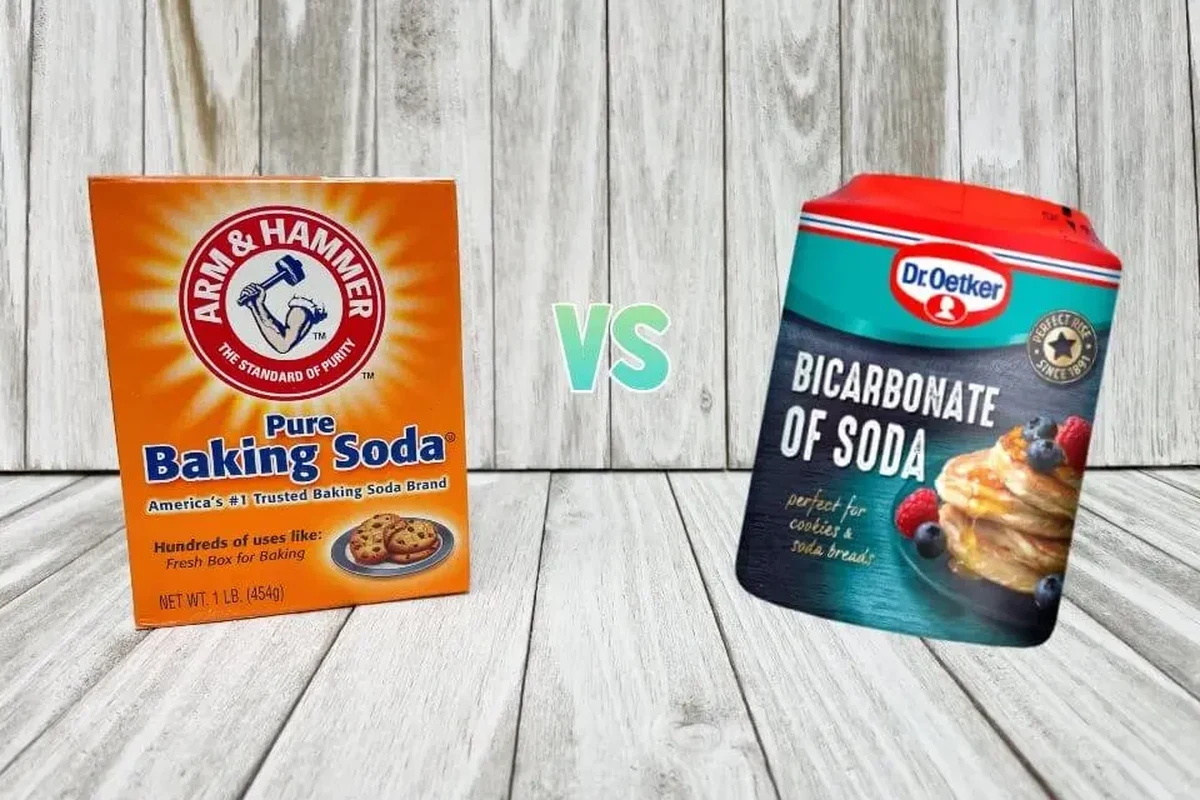
In everyday baking, both terms point to the same white, alkaline powder used to help doughs and batters rise. The name changes more than the ingredient itself, which is why recipes from different countries can sound different while still calling for the same pantry staple.
Regional naming differences in the US, UK, Australia, and beyond
In the United States, shoppers usually see the term baking soda on the front of the package. In the United Kingdom, Australia, New Zealand, and some other regions, the same ingredient is more often labeled bicarbonate of soda.
That difference can confuse beginners who are comparing recipes online or reading a cookbook from another country. If the ingredient list says sodium bicarbonate, you are looking at the same baking ingredient, even if the front label uses a different regional term.
Why the two terms are used interchangeably in baking and food science
Food science tends to use the chemical name, sodium bicarbonate, because it is precise. Home baking uses the shorter, friendlier names because they are easier to remember when measuring ingredients for cakes, cookies, and quick breads.
This is also why you may see all three terms used in the same conversation. A recipe might say baking soda, a supplier might say bicarbonate of soda, and an ingredient panel might list sodium bicarbonate.
Baking soda only works as a leavener when it has moisture and usually an acid to react with. Without that reaction, it can leave baked goods dense or give them an unpleasant taste.
Is Baking Soda and Bicarbonate of Soda the Same Thing?
Yes, they are the same ingredient. The practical difference is the label, not the chemistry.
That said, shoppers sometimes think they are buying two different products because the packaging looks different or the wording changes by country. If the ingredient is sodium bicarbonate, it is the same baking soda you would use in a recipe calling for bicarbonate of soda.
The chemical identity: sodium bicarbonate
Sodium bicarbonate is the compound that reacts with acids in batter to produce carbon dioxide gas. Those gas bubbles expand during baking and help lift the mixture.
That is why baking soda is so common in recipes that include acidic ingredients such as buttermilk, yogurt, sour cream, molasses, brown sugar in some formulas, lemon juice, vinegar, or cocoa that is naturally acidic. For a clearer explanation of that reaction, see our simple baking soda and vinegar reaction guide.
How labeling changes by country and brand packaging
Packaging depends on local naming rules, brand style, and retail expectations. In some markets, the front of the box says baking soda, while the ingredient list says sodium bicarbonate.
In other markets, bicarbonate of soda appears on the front because that is the term most home bakers recognize. Bulk bags and professional bakery packaging may use the chemical name more often, especially when the product is sold for ingredient accuracy rather than consumer branding.
When shoppers think they are different but are actually buying the same ingredient
People often assume the products differ when they compare imported recipes, supermarket labels, or online baking tutorials. In most cases, the ingredient is identical, and the only thing that changes is the wording.
If you are ever unsure, check the ingredient panel. If it lists sodium bicarbonate and does not include a blend with acids or starches, it is plain baking soda. If you also want to compare it with the other common leavener, our guide on baking soda versus baking powder can help.
How Baking Soda Works in Cakes, Cookies, and Quick Breads
Baking soda is a chemical leavener, which means it creates lift through a reaction rather than through yeast fermentation. In the oven, that reaction helps batter rise before the structure sets.
It also affects browning and flavor. In the right amount, it can give cookies better spread and a deeper color. In the wrong amount, it can leave a harsh aftertaste.
The leavening reaction with acid and moisture
For baking soda to do its job, it needs moisture and an acid. Once mixed, the reaction begins quickly, so batters are usually baked soon after combining the wet and dry ingredients.
That fast reaction is one reason quick breads and muffins are often mixed gently and baked promptly. If the batter sits too long, some of the gas escapes before the oven can trap it in the crumb.
What happens when there is too little acid in a recipe
If a recipe has too little acid, the soda may not fully react. That can leave a soapy, metallic, or bitter note, especially if the amount is high relative to the batter.
It can also affect color and texture. Cookies may spread differently, cakes may brown too quickly, and the crumb can feel coarse or uneven. If you are adjusting a formula, make changes carefully rather than guessing.
Common examples of recipes that depend on baking soda
Many chocolate cookies, ginger cookies, banana bread, spice cakes, and some pancakes rely on baking soda for lift and color. It is also common in recipes with acidic dairy such as buttermilk biscuits or sour cream coffee cake.
Some recipes use it mainly for texture and browning, not just rise. That is why removing it without replacing the function can change the final result in a noticeable way.
Baking soda helps encourage browning and a tender, more open texture in many cookie formulas.
It supports lift in batters that need a fast rise without yeast.
How to Substitute and Measure It Correctly in 2026 Baking Kitchens
Because the ingredient is the same, you can usually replace one labeled term with the other without changing the recipe. What matters most is the quantity, the acidity in the batter, and how accurately you measure.
In modern baking kitchens, grams are often preferred for precision, especially in pastry school settings or production work. Teaspoons are still common for home recipes, but they can vary more from one baker to another.
Measuring by teaspoon versus grams for accuracy
Teaspoon measures are convenient, but they depend on how densely the powder is packed and how level the spoon is. A small measuring error can matter because baking soda is usually used in small amounts.
When a recipe gives grams, use a scale if possible. For classroom or exam work, that can improve consistency, but always follow the recipe or instructor’s method because different schools and programs may standardize measurements differently.
How to replace one labeled term with the other without changing the recipe
If a recipe calls for baking soda, you can use bicarbonate of soda in the same amount. If a recipe calls for bicarbonate of soda, baking soda is the same substitution.
The important part is not to swap it for baking powder unless the recipe specifically allows that change. If you need help with that distinction, our article on using baking soda instead of baking powder safely explains when the swap works and when it does not.
Why doubling or reducing it can affect rise, color, and flavor
Too much baking soda can make baked goods taste unpleasant and can also darken them too fast. Too little can leave a batter flat, pale, or slightly acidic in flavor.
Because the ingredient affects both chemistry and taste, it is not a casual “adjust to preference” ingredient. If you are testing a recipe for a baking class or production kitchen, change it in small steps and note the results carefully.
Do not assume more baking soda means more rise. Excess soda can weaken flavor, distort browning, and leave a soapy aftertaste that is hard to fix after baking.
Common Mistakes Bakers Make When Using Baking Soda
Most baking soda problems come from confusion, storage issues, or using the wrong amount. The ingredient is simple, but the results are very sensitive to balance.
Confusing baking soda with baking powder
This is one of the most common beginner mistakes. Baking soda is a single alkaline ingredient, while baking powder includes both an acid and a base, so they behave differently in a recipe.
If you swap them without adjusting the formula, the batter may not rise correctly or may taste off. That is why recipe testing and careful reading matter so much in baking, especially for students learning basic pastry science.
Using expired or poorly stored soda
Baking soda can lose strength if it absorbs moisture or odors from the pantry. A box that has been open for a long time may still look fine but perform less reliably.
If you want a deeper look at shelf life and replacement timing, see how to tell when baking soda has expired. Freshness matters more than many beginners expect, especially in delicate cakes and cookies.
Overusing it and creating a soapy or metallic taste
Too much soda does not just affect texture. It can leave a noticeable chemical taste, especially in recipes that do not have enough acid to neutralize it.
That problem can show up in muffins, quick breads, and cakes that seem to rise well but taste unpleasant after cooling. If the crumb smells strongly alkaline or the finish feels dry and harsh, the soda amount may be too high.
The cake rises, but the flavor tastes soapy or bitter.
Check the recipe balance. The formula may need more acid, less baking soda, or a different leavener entirely.
How to Test Freshness, Store It Safely, and Handle It in a Baking School Setting
In a home kitchen or classroom, baking soda is easy to use safely, but it still needs basic care. Moisture, contamination, and poor labeling can cause avoidable mistakes.
Simple freshness checks for home and classroom use
A simple freshness check is to add a small amount of baking soda to a little vinegar or another acidic liquid. If it fizzes actively, the soda is still reacting normally.
That test is useful for a quick check, but it does not replace good storage or proper measuring. For a baking school, it is also smart to label opened containers clearly so students do not confuse them with similar white powders.
Do freshness checks in a sink or over a washable surface. The reaction can foam quickly, so keep liquids away from notebooks, electrical equipment, and open ingredients.
Best storage conditions to prevent moisture damage and clumping
Store baking soda in a tightly sealed container in a cool, dry place. Keep it away from strong odors because it can absorb smells from nearby ingredients.
If it clumps badly, has absorbed moisture, or smells stale, replace it. In shared kitchens, always close the container fully after use so humidity does not shorten its useful life.
Food safety and cleanup considerations in shared kitchens
Baking soda itself is not a high-risk ingredient, but shared kitchens need basic hygiene. Use clean scoops, avoid cross-contact with allergens, and keep dry ingredients away from wet prep areas.
For school labs, cleanup should include wiping spills promptly and checking that containers are returned to the correct shelf. That reduces mix-ups with flour, salt, baking powder, and other look-alike ingredients.
When the Label Matters: Reading Ingredient Lists and Global Packaging
The label matters most when you are buying across borders, using professional supply packs, or comparing products from different brands. The ingredient may be the same, but packaging language can change the way it is presented.
What to look for on ingredient panels and nutrition labels
Look for sodium bicarbonate on the ingredient panel. That is the clearest sign that the product is plain baking soda.
If the package includes additional acids, starches, or anti-caking ingredients, it may not behave exactly like plain baking soda in a recipe. That is why reading the full label matters more than relying only on the front of the box.
Differences between consumer packs, bulk bags, and professional bakery supply packaging
Consumer packs usually prioritize simple language and household use. Bulk bags may focus on ingredient name, weight, and storage instructions because they are meant for repeat production.
Professional bakery supply packaging can also include lot codes, handling guidance, and manufacturer contact information. In a teaching kitchen, those details help instructors track inventory and verify what students are using.
If you are following a recipe from another country, do not assume the names are different ingredients. Check whether the recipe is asking for plain sodium bicarbonate or a blended raising agent before you start mixing.
Choosing the right product for teaching labs, exams, and production practice
For student labs and exams, the best choice is usually the plain, clearly labeled ingredient that matches the recipe exactly. That keeps the focus on technique rather than ingredient confusion.
For production practice, consistency matters even more. Use the same brand, storage method, and measuring system whenever possible so you can compare results fairly across batches.
Final Verdict for Bakers: Same Ingredient, Different Name, Better Results with Precision
So, is baking soda and bicarbonate of soda the same thing? Yes, they are the same ingredient: sodium bicarbonate. The name changes by region, brand, and packaging style, but the baking function is the same.
The context still matters because baking soda depends on the right balance of acid, moisture, and measurement. If you want consistent rise, color, and flavor, treat it as a precise ingredient rather than a casual pantry filler.
Practical recap of when the terms are identical and when context matters
The terms are identical when you are comparing plain baking soda and plain bicarbonate of soda. Context matters when the package is a blend, the recipe uses a different leavener, or the measurement is off.
If you are unsure, read the ingredient panel and follow the recipe exactly. That simple habit prevents most baking soda mistakes before they start.
Best-use guidance for students, home bakers, and pastry beginners
Students should measure carefully, label containers clearly, and learn the difference between chemical leaveners early. Home bakers should check freshness and avoid guessing when a recipe depends on acid balance.
Beginners in pastry will get the best results by using the recipe’s exact wording, then learning how the ingredient behaves in cakes, cookies, and quick breads. Precision is what turns a basic pantry ingredient into reliable baking results.
Baking soda and bicarbonate of soda are the same ingredient, so you can usually swap the names without changing the recipe. The real key is accurate measuring, proper storage, and matching the soda to the recipe’s acid balance.
Frequently Asked Questions
Yes, if the recipe means plain sodium bicarbonate, the terms are interchangeable. The amount stays the same, but the recipe still needs the right acid balance to work well.
Mix a small amount with vinegar or another acid and look for an active fizz. If the reaction is weak or the powder is clumpy and stale-smelling, replace it.
Too much can create a soapy, metallic, or bitter taste. It can also darken baked goods too quickly and affect texture.
No, they are different ingredients. Baking soda is sodium bicarbonate, while baking powder includes its own acid and usually some starch.
Recipes with acidic ingredients often rely on baking soda for lift and browning. Baking powder is used when the recipe needs a built-in acid source.
Keep it sealed, dry, and away from strong odors. Use clean scoops and label containers clearly to avoid mix-ups with other white powders.