
Is Baking Soda and Bicarbonate the Same Explained Simply

Yes, baking soda and bicarbonate are usually the same ingredient in baking: sodium bicarbonate. Check the label and the recipe context, because the wording can change by country and some bicarbonate products are not for food use.
If you have ever wondered is baking soda and bicarbonate the same, the short answer is yes in most baking contexts. In home baking, “baking soda,” “bicarbonate of soda,” and “sodium bicarbonate” usually refer to the same ingredient, but the label wording can vary by country and by recipe.
- Same in baking: Baking soda, bicarbonate of soda, and sodium bicarbonate usually mean the same thing.
- Label matters: Confirm the product is food-grade before using it in recipes.
- Balance matters: Baking soda needs acid to work well and taste neutral.
- Measure carefully: Small errors can cause flat texture or a soapy flavor.
What “Baking Soda” and “Bicarbonate” Actually Mean in Baking
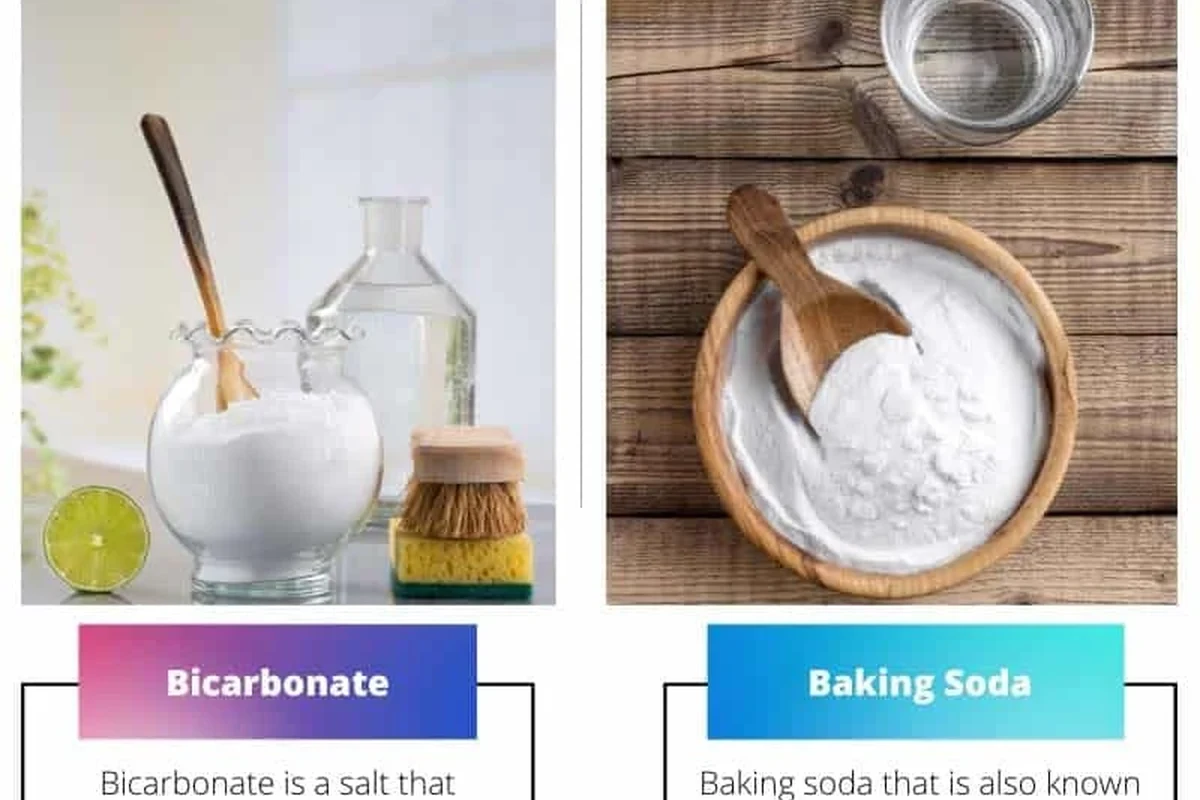
In baking, the ingredient people are usually talking about is sodium bicarbonate. That is the chemical name for baking soda, and it is the same powder that helps batters and doughs rise when it reacts with an acid.
Why the names differ by country and label
The wording changes mostly because of language and labeling habits, not because the ingredient changed. In the United States, “baking soda” is the common term, while in many other places, especially in older recipes and in the UK, you may see “bicarbonate of soda” or simply “bicarbonate.”
That can make recipes look different when they are actually calling for the same thing. If you are reading a school handout or a family recipe from another country, the safest move is to check whether the ingredient is listed as sodium bicarbonate or described as a raising agent that needs acid to work.
The chemistry behind sodium bicarbonate as a leavening agent
Sodium bicarbonate is an alkaline ingredient. When it meets an acid such as buttermilk, yogurt, lemon juice, brown sugar, natural cocoa, or vinegar, it releases carbon dioxide gas, which creates lift in the batter or dough.
That gas is what helps cookies spread, cakes rise, and quick breads become lighter. If you want a deeper look at that reaction, see our guide to baking soda and vinegar reaction explained simply, which shows why fizzing happens so fast.
Baking soda starts reacting as soon as it gets wet and meets acid, so batters that sit too long can lose some of their lift before they even go into the oven.
Is Baking Soda and Bicarbonate the Same? The Simple Answer for Home Bakers
Yes, for everyday baking, baking soda and bicarbonate are usually the same ingredient. If a recipe says “bicarbonate of soda,” you can generally use standard baking soda without changing the amount.
When the terms are interchangeable on ingredient lists
Ingredient labels often use different names for the same compound. If the package says sodium bicarbonate, baking soda, or bicarbonate of soda, it is normally the same food ingredient used for leavening.
This is why many bakers treat the terms as interchangeable in cookies, muffins, cakes, and biscuits. If you are unsure about a substitution, our article on using baking soda instead of baking powder safely explains why the surrounding recipe matters so much.
When “bicarbonate” may refer to a different compound in context
Outside baking, the word bicarbonate can appear in other settings, such as medicine, science, or cleaning products. In those cases, the context matters, because not every bicarbonate product is meant for food use.
For baking, the key is to look for food-grade sodium bicarbonate on the package. If the label is unclear, do not assume a cleaning product or industrial chemical is safe for your recipe.
Only use an ingredient that is clearly labeled for food use. Cleaning products, deodorizing powders, and other household bicarbonates are not the same thing as baking soda for recipes.
How to Read Packaging, Recipes, and School Notes Without Confusion
Most confusion comes from wording, not from the ingredient itself. Once you learn the common names, it becomes much easier to follow recipes, textbook notes, and international baking instructions.
Common label variations: baking soda, bicarbonate of soda, sodium bicarbonate
These three labels usually point to the same baking ingredient. The package may use the common name, the regional name, or the chemical name depending on the brand and the market.
If you are comparing brands, a quick label check is usually enough. For practical buying guidance, our baking soda review article shows how product labeling can still matter even when the ingredient itself is the same.
How professional baking programs and recipe books may phrase the ingredient
Professional baking books often use more precise names than home recipes. A culinary school note may say sodium bicarbonate because that is the scientific term, while a family recipe may simply say baking soda.
That difference does not mean the recipe is using a different ingredient. It usually means the writer is choosing either the technical term or the everyday term depending on the audience.
Practical examples from cookies, cakes, and quick breads
In chocolate chip cookies, baking soda helps with spread and browning. In cakes, it can contribute to a softer crumb when the batter has enough acid to activate it properly.
In quick breads like banana bread or gingerbread, it helps create a lighter texture without yeast. If a recipe uses baking soda but no obvious acidic ingredient, the acid may be coming from brown sugar, molasses, cocoa, or another part of the formula.
Recipe formulas vary by brand, altitude, pan size, and oven calibration. The same amount of baking soda can behave differently if the batter is thicker, sweeter, more acidic, or baked in a dark pan.
What Baking Soda Does in a Recipe: Lift, Browning, and Flavor Balance
Baking soda does more than make bubbles. It changes the chemistry of the batter, which affects rise, color, taste, and even how the finished crumb feels in your mouth.
How it reacts with acids like buttermilk, yogurt, citrus, and cocoa
Acidic ingredients activate baking soda quickly. Buttermilk and yogurt are common examples in cakes and muffins, while citrus juice, sour cream, molasses, and natural cocoa can also provide the acid needed for the reaction.
That reaction creates carbon dioxide, which expands as the batter heats in the oven. If you want to understand why some recipes call for both an acid and baking soda, that is because the acid is not just for flavor; it is part of the leavening system.
How it affects spread, crumb, color, and taste
Baking soda raises pH, which can deepen browning and make flavors taste more rounded in the right amount. In cookies, that can mean more spread and a darker edge; in cakes, it can mean a more open crumb and a softer bite.
Used correctly, it supports balance. Used heavily, it can leave a sharp or soapy taste, especially if the recipe does not have enough acid to neutralize it.
What happens when the acid balance is wrong
If there is too little acid, the baking soda may not fully react. That can leave behind an unpleasant alkaline flavor and a yellowish or overly browned result.
If there is too much acid and not enough baking soda, the batter may taste overly tangy and may not rise as expected. In that case, the texture can turn dense even if the recipe looks mixed correctly.
The baked good tastes bitter, soapy, or oddly metallic.
Check whether the recipe has enough acidic ingredients to balance the baking soda, and make sure you are measuring accurately. If the formula is old or poorly written, it may need testing or a small adjustment.
How to Measure and Use Baking Soda Correctly in Everyday Baking
Because baking soda is powerful, small measurement errors can change the result a lot. Even a little extra can affect flavor, while too little can leave a bake flat and heavy.
Typical measurement cues and why precision matters
Most recipes use baking soda in small amounts, often measured by teaspoons or fractions of a teaspoon. That is why level measuring matters, especially in delicate cakes, cookies, and muffins.
Use the spoon-and-level method unless the recipe gives a different instruction. A packed spoon can add more soda than intended and throw off the acid balance.
When to sift, whisk, or dissolve before adding
For dry ingredients, whisking baking soda into the flour helps distribute it evenly. That matters because clumps can create uneven browning or pockets of strong alkaline flavor.
In recipes with a very fine crumb or a lot of liquid, some bakers dissolve the soda in the wet ingredients first. Follow the recipe’s method if it gives one, because timing can affect how much lift you get before baking.
Common mistakes: too much, too little, or adding at the wrong stage
Adding baking soda too early can waste some of its reaction, especially in batters that sit before baking. Adding it too late can leave streaks of unmixed ingredient and uneven rise.
Too much baking soda can make the crumb coarse and the flavor harsh. Too little can leave the bake pale, dense, and under-risen.
- Confirm whether the recipe wants baking soda, bicarbonate of soda, or baking powder.
- Check that your measuring spoon is level, not heaped.
- Make sure the recipe includes enough acid if baking soda is the only leavener.
Troubleshooting Results When Baking Soda or Bicarbonate Is Misused
When a bake goes wrong, the cause is not always the soda itself. The issue may be the acid balance, the mixing method, the oven temperature, or even the freshness of the ingredient.
Flat bakes, bitter flavor, soapy aftertaste, and uneven browning
Flat cakes and dense muffins often point to weak leavening, old baking soda, or a recipe that lacks enough acid. Bitter or soapy flavors usually suggest too much soda or poor mixing.
Uneven browning can happen when the soda is not evenly distributed, when the oven has hot spots, or when the pan material changes how quickly the edges set. If you are also trying to diagnose a recipe that depends on acid, our guide on baking soda and baking powder differences can help you avoid mixing up the two leaveners.
How to tell whether the problem is the ingredient, the acid, or the oven
If the ingredient fizzes strongly in a simple acid test but the bake still fails, the problem may be the recipe balance or the oven. If the soda barely reacts, it may be old or stored badly.
If only one side of the bake browns too fast, the oven rack position or airflow may be the issue. Always consider the full baking system, not just one ingredient.
Examples of recipe fixes for better structure and flavor
If a recipe tastes flat and pale, it may need a little more acid or a different leavener blend. If it tastes sharp or alkaline, reduce the soda slightly and check whether the recipe already includes baking powder.
For older recipes, small test batches are often safer than changing the whole formula at once. That approach is common in pastry work because it helps you isolate whether the fix should be in the ingredient ratio, mixing order, or bake time.
Measure the soda accurately and mix it evenly into the dry ingredients unless the recipe says otherwise.
Get the batter into the oven promptly so the gas created by the acid reaction is not lost before the structure sets.
Let the crumb finish setting before slicing, because hot quick breads and cakes can seem gummy if cut too soon.
Storage, Shelf Life, and Safety for Baking Soda in the Home Kitchen
Baking soda is simple to store, but moisture and odors can affect it. A good container and clean handling help keep it ready for baking.
How to test freshness before baking
A common freshness check is to place a small amount in vinegar or another acid and watch for an active fizz. Strong bubbling usually suggests the soda is still usable for baking, though the test does not replace careful recipe handling.
If there is little or no reaction, it may be time to replace it. For a fuller explanation of shelf life and replacement timing, see our article on whether baking soda expires.
Best storage conditions to prevent odor and moisture issues
Keep baking soda tightly sealed in a cool, dry cupboard away from strong-smelling foods. It can absorb odors over time, which is one reason many bakers do not leave it open near onions, spices, or cleaning supplies.
Moisture is another problem because it can cause clumping and reduce performance. Use a dry spoon and close the container promptly after measuring.
Safety notes for food use versus cleaning use
Kitchen baking soda should be kept separate from any box or container used for cleaning. Even if the ingredient is chemically similar, cross-contact with cleaning residue can make it unsafe for food preparation.
Do not use a container that has held cleaning products, drain cleaners, or deodorizing mixtures for baking ingredients. When in doubt, open a fresh food-grade package.
Final Verdict: When to Treat Them as the Same and When to Double-Check the Label
For baking, the practical answer is yes: baking soda and bicarbonate are the same in most cases. If a recipe, label, or class note says bicarbonate of soda, it usually means sodium bicarbonate, the same ingredient home bakers call baking soda.
Simple recap for students, beginners, and everyday bakers
Treat the names as interchangeable when the context is baking. What matters most is whether the recipe has enough acid, whether the measurement is accurate, and whether the soda is fresh.
That simple habit prevents most of the common problems: flat texture, harsh flavor, and uneven browning.
What to verify in older recipes, international sources, and school handouts
Double-check the label if the source is from another country, uses older terminology, or seems to be written for a different food system. International recipe books and culinary school notes often use technical language, so the ingredient name may look unfamiliar even when the formula is standard.
If you are studying baking professionally, always verify ingredient names, program notes, and any school-specific terminology on the official source before you buy supplies or start a practical exam. For everyday baking, the safest rule is simple: if the package says food-grade sodium bicarbonate, it is the baking soda most recipes mean.
Use baking soda and bicarbonate as the same ingredient in baking, but always check the context, the label, and the recipe’s acid balance. When the wording is unclear, confirm that the product is food-grade sodium bicarbonate before you bake.
- Match the ingredient name to the recipe context.
- Measure carefully and mix evenly.
- Check freshness if results seem weak.
- Assuming every bicarbonate product is food safe.
- Using too much soda to force more rise.
- Ignoring the acid balance in the recipe.
Frequently Asked Questions
Yes, in baking they are usually the same ingredient: sodium bicarbonate. The wording changes by country and label, but the function is the same.
Usually yes, if the recipe means bicarbonate of soda for baking. Check that the product is food-grade sodium bicarbonate and measure it carefully.
Baking soda reacts with acid to make carbon dioxide gas, which helps batter rise. Without enough acid, the flavor can taste alkaline and the texture may suffer.
Test a small amount with an acid like vinegar and look for a strong fizz. Weak or no bubbling can mean it is time to replace it.
Too much can cause a soapy, bitter taste and uneven browning. It can also affect texture by making the crumb coarse or oddly open.
No. Only use a product that is clearly labeled food-grade for baking. Cleaning or deodorizing products should not be used in recipes.