
Is Baking Soda Safe for Cats What Every Owner Should Know

Baking soda is not safe for cats to eat or inhale in meaningful amounts, but careful household use may be acceptable. Keep it sealed, clean up residue, and call a veterinarian if your cat shows symptoms after exposure.
If you live with a curious cat, you may wonder, is baking soda safe for cats? The short answer is that small household exposure is not always an emergency, but eating baking soda or breathing in a lot of it can be harmful.
- Ingestion risk: Swallowing baking soda is the main concern and can cause digestive upset or more.
- Exposure matters: Inhalation and direct contact are less risky than eating it, but they can still.
- Residue is a problem: Loose powder on floors, carpets, or litter areas can end up on paws and.
- Cat size counts: Kittens, small cats, and cats with health issues may be affected by smaller exposures.
- Act fast: If symptoms appear, contact a veterinarian right away instead of waiting.
Why People Ask If Baking Soda Is Safe for Cats
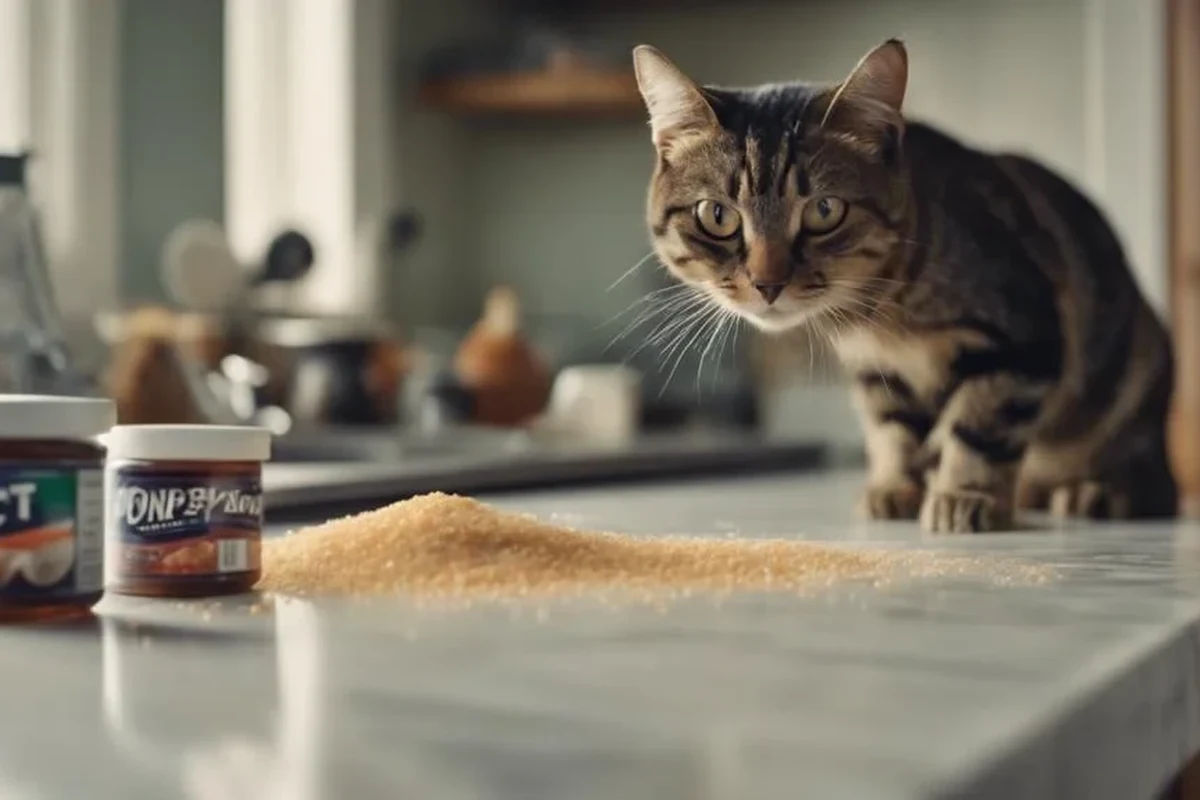
Baking soda shows up in so many places around the home that it is easy to assume it is harmless. People use it for cleaning, deodorizing, freshening litter areas, and, of course, in baking, so the line between kitchen ingredient and household cleaner can get blurry.
That confusion matters because “safe” depends on how a cat meets the powder. A tiny amount on a paw is very different from swallowing a spoonful or inhaling dust while a room is being cleaned.
Common home uses that create confusion: cleaning, deodorizing, litter boxes, and baking
In a busy kitchen or laundry area, baking soda often looks like an everyday pantry item. In a cat household, though, it may also be sprinkled on carpets, added to trash bins, or used near litter boxes to reduce odor.
Those uses are the reason pet owners ask the question in the first place. A product that seems food-related can still cause trouble if it reaches a cat’s mouth, nose, eyes, or stomach in the wrong amount.
How “safe” changes depending on whether a cat ingests, inhales, or contacts baking soda
Ingestion is usually the biggest concern because baking soda can upset a cat’s digestive system and affect body chemistry if enough is eaten. Inhalation can irritate the nose and airways, especially if fine powder becomes airborne during cleaning.
Direct contact is usually less dangerous than swallowing it, but it can still irritate sensitive skin, paws, or eyes. If you want a broader look at how baking soda behaves in the home, our guide to baking soda vinegar cleaning ovens helps explain why residue and cleanup matter.
What Baking Soda Is and How It Can Affect a Cat’s Body
Baking soda is sodium bicarbonate, a simple alkaline compound used in cooking, cleaning, and odor control. In baking, it helps create gas when it reacts with an acid, but in a cat’s body it does not act like a harmless kitchen helper.
Sodium bicarbonate explained in plain language
Sodium bicarbonate is a salt-like powder that can neutralize acids. That is useful in a recipe or cleaning task, but inside a cat it can change the balance of electrolytes and the pH of the stomach and blood if enough is absorbed.
That does not mean every speck is a crisis. It does mean the ingredient should be handled like a household chemical around pets, not like a treat or seasoning.
Baking soda is often confused with baking powder, but they are not the same ingredient. If you want the kitchen difference explained simply, see is baking soda and baking powder the same.
Why small amounts may be tolerated but larger amounts can become dangerous
A cat that gets a dusting on its fur may only need a wipe-down and observation. A cat that licks a large amount, however, may develop vomiting, diarrhea, or bloating as the powder reacts in the stomach and changes fluid balance.
Risk rises quickly because cats are small. What seems like a minor spill to a person can be a meaningful dose for a pet weighing only a few pounds.
How cats differ from people and dogs in sensitivity to household ingredients
Cats are not just smaller people, and they are not small dogs either. Their bodies process many substances differently, and they are often more vulnerable to household exposures because of their size, grooming habits, and sensitivity to airborne dust.
They also groom themselves constantly, which means powder on fur or paws can become an ingestion issue later. That is one reason pet-safe cleanup matters so much in homes with cats.
When Baking Soda Becomes a Real Risk for Cats
Most concerns start when baking soda is eaten, breathed in, or left on the body long enough to be licked off. The danger level depends on the amount, the cat’s size, and whether the cat already has health problems.
If your cat has eaten a noticeable amount of baking soda or is showing symptoms, contact a veterinarian or pet poison resource right away. Do not wait for symptoms to “see if it passes.”
Signs of concern after eating baking soda: vomiting, diarrhea, lethargy, tremors, and bloating
After ingestion, watch for vomiting, loose stool, unusual tiredness, restlessness, tremors, or a swollen belly. Some cats may also act uncomfortable, hide more than usual, or refuse food.
Bloating is especially concerning because it can signal a larger amount was swallowed or that gas is building in the stomach. Any sign of weakness, shaking, or trouble standing should be treated as urgent.
Risks from inhaling powder during cleaning or grooming
Fine powder can irritate a cat’s nose and throat, especially if it is scattered across a carpet or shaken into the air during vacuuming. Cats with asthma or other respiratory issues may be more sensitive to dust in general.
Even if the powder is not swallowed, a cat may sneeze, cough, or avoid the area. If you notice that reaction after cleaning, the room may need better ventilation and a more pet-friendly method.
Skin, paw, and eye irritation from direct contact
Baking soda on the skin is usually less dramatic than ingestion, but it can still dry or irritate sensitive areas. If it gets on paws, a cat may lick it off later, which turns a contact problem into an eating problem.
If it reaches the eyes, rinse carefully with clean lukewarm water and call a veterinarian for guidance. Eye irritation should never be ignored because cats can paw at the area and make it worse.
Keep open containers of baking soda closed and stored out of reach. Curious cats can jump onto counters, sniff the powder, or step into spills before anyone notices.
Everyday Baking Soda Uses in Cat Households: What Is Safer and What Is Not
Some household uses are lower risk than others, but none should be treated casually around cats. The safest approach is to limit exposure, clean thoroughly, and keep pets away until surfaces are dry and residue-free.
Using baking soda in litter areas: odor control limits and exposure concerns
Many owners sprinkle baking soda near litter boxes to reduce odor, but this should be done cautiously. If a cat digs, sniffs, or steps in the powder, it can end up on paws and be ingested during grooming.
Odor control is better handled by frequent scooping, regular litter changes, and a well-ventilated area. If you want to compare odor-control habits across the home, our article on baking soda for smoke odors shows why absorption works best when exposure is controlled.
Cleaning pet bowls, floors, and fabrics: when residue matters
Baking soda can be useful for scrubbing, but residue is the issue in pet areas. A bowl, floor, or fabric that still carries powder after cleaning may be licked, tracked, or inhaled by a cat later.
For pet bowls, it is better to rinse thoroughly and make sure no gritty film remains. On floors and fabrics, vacuuming, wiping, or laundering after treatment helps reduce the chance of a cat contacting leftover powder.
Baking soda in homemade cat treats or pet care products: why this should be avoided without veterinary guidance
Do not add baking soda to homemade cat treats or pet care products unless a veterinarian specifically recommends it. Cats have different nutritional and medical needs than people, and a recipe that looks harmless can still be risky.
This is especially important if a pet has kidney disease, digestive issues, or a history of vomiting. If you are unsure about any ingredient in a homemade pet item, skip it until you get professional advice.
If you are using baking soda in the kitchen, keep it separate from pet food prep tools. Cross-contact is easy when scoops, bowls, or cloths are shared between human baking and pet care tasks.
How Much Baking Soda Is Too Much for a Cat
There is no universal “safe” amount that applies to every cat. The risk depends on the cat’s weight, health, age, and how the baking soda was exposed.
Practical examples of accidental exposure: spilled powder, treated carpets, and curious licking
A small spill on the counter that is wiped up quickly is very different from a cat licking a pile of powder off the floor. Carpet treatment is another common problem because powder can settle into fibers and later get on paws or fur.
Curious licking is a real issue in cat homes because many cats investigate new smells with their mouths. Even if the initial exposure seems minor, repeated licking can turn a small mistake into a larger one.
Why body size, age, health status, and kidney issues change the risk level
Kittens and smaller cats are at greater risk because it takes less material to affect them. Older cats and cats with kidney disease, dehydration, or chronic illness may also have less reserve if their body chemistry is disturbed.
That is why a “one-size-fits-all” answer does not work well here. A dose that barely affects one healthy adult cat may be more serious for a kitten or medically fragile pet.
Why “a little bit” is not a reliable safety rule for pets
People often say a little bit is fine, but that is not a dependable rule with pets. The actual risk depends on concentration, amount swallowed, and the cat’s condition at the time.
For that reason, it is better to think in terms of exposure management rather than guessing at a safe amount. When in doubt, treat the ingredient as something to keep away from the cat entirely.
- Store baking soda in a sealed container.
- Keep cats out of the room during cleaning.
- Remove residue from bowls, floors, and fabrics.
- Watch for licking, sneezing, vomiting, or unusual behavior.
What to Do If Your Cat Eats or Touches Baking Soda
Quick, calm action is the best response. The goal is to reduce exposure, gather useful details, and get veterinary advice if the amount or symptoms are concerning.
Immediate steps to take at home before contacting a veterinarian
Move the baking soda away from the cat and prevent further access. If the powder is on fur or paws, gently wipe it off with a damp cloth so the cat does not lick it immediately.
Do not try to force vomiting or give home remedies unless a veterinarian tells you to do so. Some well-meaning actions can make the situation worse.
What information to gather: amount, timing, symptoms, and product type
Before calling, note how much may have been eaten, when it happened, and whether the cat is acting normally. If possible, keep the package nearby so you can read the ingredient list and any warnings.
Also mention your cat’s weight, age, and any known health conditions. Those details help a vet judge whether the exposure is likely minor or more serious.
When to seek urgent veterinary care without waiting
Seek urgent care if your cat is vomiting repeatedly, weak, tremoring, bloated, having trouble breathing, or unable to stand normally. A cat that seems disoriented or collapses needs immediate help.
If you are unsure whether the amount was large enough to matter, it is still worth calling a veterinarian or an animal poison helpline promptly. Fast advice can prevent a small exposure from turning into a bigger problem.
- Keep baking soda sealed and off the floor.
- Clean residue from pet areas after use.
- Call a veterinarian if symptoms appear.
- Do not sprinkle powder where cats walk or dig.
- Do not assume “natural” means pet-safe.
- Do not wait if your cat is clearly unwell.
Safer Alternatives for Odor Control and Cleaning Around Cats
If your main goal is freshness, there are safer ways to handle odors around cats without leaving loose powder behind. The best methods are the ones that clean well and do not create dust, residue, or strong fumes.
Pet-safe cleaning methods for litter boxes, carpets, and hard surfaces
For litter boxes, regular scooping and washing with mild, pet-safe cleaners usually works better than heavy deodorizing. For hard surfaces, a damp wipe and a rinse step can remove mess without leaving a powdery film.
For carpets, spot-cleaning with a pet-friendly cleaner and then drying the area thoroughly is often better than using a loose powder treatment. If you are comparing household odor methods, our piece on baking soda in laundry benefits is a helpful reminder that residue control matters in fabric care too.
Odor control options that reduce exposure risk
Ventilation, frequent cleaning, and sealed trash disposal go a long way in cat homes. Enzyme-based cleaners can also help with pet messes because they target odor-causing residue rather than masking it.
Choose products designed for homes with pets, and follow the label exactly. If a product leaves a strong scent or visible residue, it may not be the best choice for a cat that grooms and explores every surface.
How to choose cat-friendly products by checking ingredients and residue warnings
Read labels for warnings about inhalation, residue, and pet contact. If a cleaner says to keep animals away until the surface is dry, follow that instruction closely.
When possible, choose simple formulas with clear directions over heavily fragranced products. A cat-friendly home is usually one where the cleaning method is effective, low-dust, and easy to rinse or wipe away.
Final Verdict: Is Baking Soda Safe for Cats?
Baking soda can have limited household use around cats, but ingestion and heavy exposure are not safe. In plain terms, it is better treated as a cleaning ingredient that must be kept away from curious pets, not as something cats should eat, breathe in, or walk through.
Clear decision for owners: limited household use may be acceptable, but ingestion and heavy exposure are not safe
If you use baking soda carefully, clean up thoroughly, and keep it out of reach, it can have a place in a cat household. Once it is swallowed, kicked into the air, or left on fur and paws, the risk rises quickly.
That is why the safest answer to is baking soda safe for cats is “sometimes around them, but not for them.”
Best practices for keeping baking soda away from curious cats in 2026 homes
Store it in a sealed container, keep spills cleaned immediately, and avoid loose application in litter areas or on pet-accessible fabrics. If you are using it for cleaning, make sure the space is dry and residue-free before your cat returns.
These habits fit well with the way modern pet homes are managed: less dust, less residue, and fewer chances for accidental licking or inhalation.
Simple recap of the safest way to handle baking soda in a cat-friendly household
Use baking soda sparingly, clean it up completely, and keep an eye on your cat after any exposure. If your cat eats it, breathes in a lot of it, or shows symptoms, call a veterinarian promptly rather than waiting.
For owners who like to keep the kitchen and home organized, a cautious approach is the best one. Baking soda is useful, but around cats, careful storage and cleanup are what make the difference.
Baking soda is fine to keep in a cat home when it is stored and used carefully, but it is not safe for cats to ingest or inhale in meaningful amounts. The safest practice is to minimize loose powder, clean residue completely, and contact a veterinarian if your cat shows any symptoms after exposure.
Frequently Asked Questions
A tiny accidental lick may not always cause severe problems, but it is still not something to ignore. Watch for vomiting, drooling, or unusual behavior and call a veterinarian if symptoms appear.
It can be, especially if a lot of powder becomes airborne during cleaning. Cats with sensitive airways or asthma may react with sneezing, coughing, or breathing discomfort.
It is better to be cautious because cats may step in, sniff, or lick the powder. Frequent scooping, washing, and ventilation are safer odor-control methods.
Repeated vomiting, diarrhea, lethargy, tremors, bloating, weakness, or trouble breathing are urgent warning signs. Do not wait if your cat looks unwell.
No, not without veterinary guidance. Cats have different dietary and medical needs, and baking soda is not a routine ingredient for homemade pet treats.
Gently wipe the paws with a damp cloth so your cat does not lick the powder off. If any eye irritation, coughing, or unusual behavior follows, contact a veterinarian.