
Is Bicarbonate of Soda the Same as Baking Soda

Yes, bicarbonate of soda and baking soda are the same ingredient in most baking recipes. The key is to confirm the recipe also has the right acid balance and does not mean baking powder.
If you have ever wondered is bicarbonate of soda the same as baking soda, the short answer is yes in most baking contexts. The names usually refer to the same ingredient, but the label, recipe style, and regional spelling still matter.
- Same ingredient: Both names usually mean sodium bicarbonate.
- Use 1:1: Swap the names at equal amounts in most recipes.
- Check the formula: Baking soda needs acid to work properly.
- Avoid confusion: Baking powder, washing soda, and soda crystals are not the same.
What “Bicarbonate of Soda” and “Baking Soda” Mean in Real-World Baking
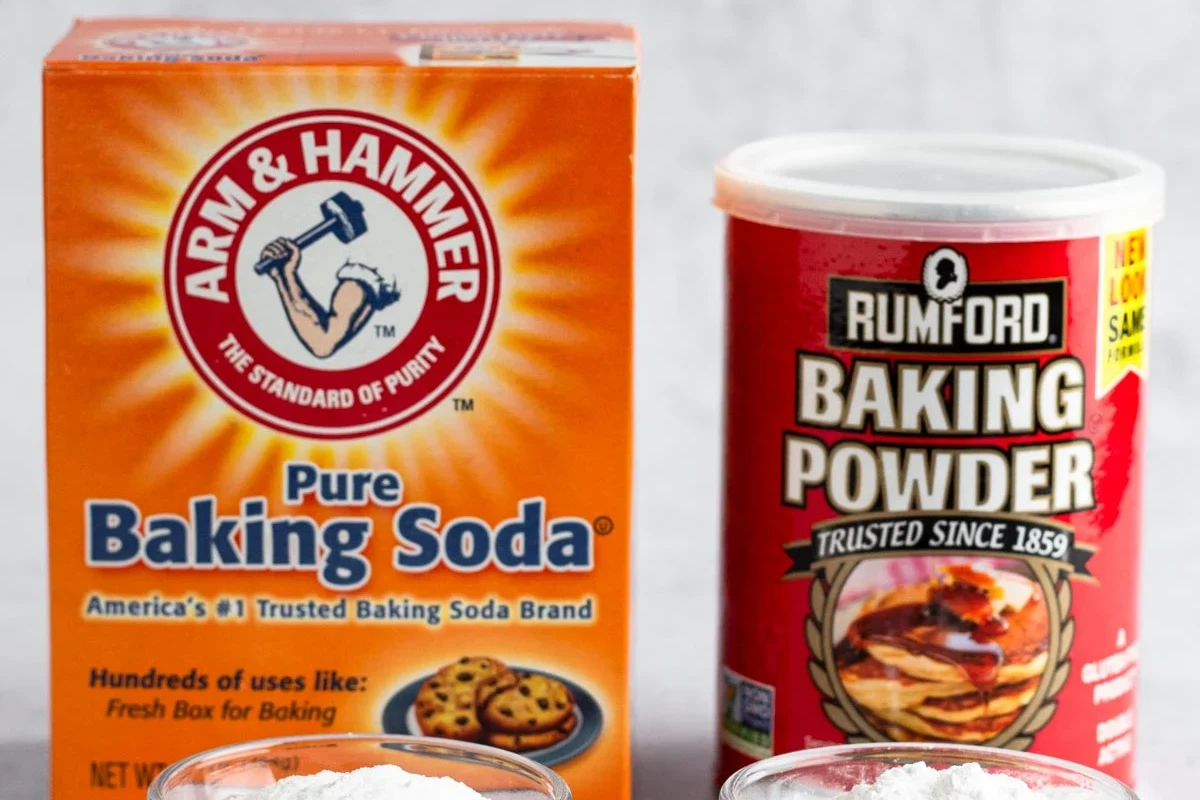
In everyday baking, bicarbonate of soda and baking soda are the same chemical ingredient used to help doughs and batters rise. The difference is mostly language and region, not function.
Regional naming differences in the UK, US, and other English-speaking markets
In the UK, Ireland, Australia, New Zealand, and some other markets, “bicarbonate of soda” is the common name. In the US and Canada, “baking soda” is the term most shoppers see on the shelf.
This can make international recipes confusing, especially when a cookbook or website switches between terms without explanation. If you are following a recipe from another country, read the ingredient list carefully and look for the chemical name sodium bicarbonate if the package uses that wording.
Why the label on the box matters more than the product name
The front label matters because some products are sold for baking, while others are sold for cleaning or deodorizing. For food use, you want plain sodium bicarbonate intended for kitchen use, not a mixture made for scrubbing sinks or drains.
If the package says baking soda, bicarbonate of soda, or sodium bicarbonate, that is usually the same baking ingredient. If you are unsure, check the ingredient panel rather than relying on the marketing name alone.
Sodium bicarbonate is an alkaline ingredient, which means it reacts with acids in a batter to release carbon dioxide gas. That gas is what helps lift cakes, cookies, and quick breads.
Are They Actually the Same Ingredient? Chemical Identity, Not Just Similar Use
Yes, bicarbonate of soda and baking soda are chemically identical in standard baking use. Both are sodium bicarbonate, and both behave the same way in most recipes.
What sodium bicarbonate is and how it behaves in doughs and batters
Sodium bicarbonate is a leavening agent that needs an acid and moisture to work fully. Once mixed with ingredients like buttermilk, yogurt, molasses, citrus juice, or cocoa, it starts producing carbon dioxide, which expands in the oven.
It also affects browning and flavor. A small, correct amount can deepen color and soften acidity, while too much can leave a bitter or soapy aftertaste.
Why bicarbonate of soda and baking soda are interchangeable in most recipes
Because the chemistry is the same, you can generally swap one for the other at a 1:1 ratio. A recipe written in British English may say bicarbonate of soda, while a US version may say baking soda, but the amount is usually identical.
This is why many bakers treat the two names as synonyms. The main thing to watch is whether the recipe actually wants baking soda or baking powder, since those are not the same thing. If you want a deeper comparison, see our guide on is baking soda and baking powder the same.
Where confusion starts with baking powder, soda crystals, and washing soda
Confusion often starts when similar-sounding products appear in the same aisle. Baking powder already contains an acid plus starch, so it is not a direct substitute for baking soda in most formulas.
Soda crystals and washing soda are different products used mainly for cleaning, not baking. They are more alkaline and are not safe or suitable replacements in food recipes. If a recipe depends on baking chemistry, using the wrong product can ruin the texture and flavor.
Do not use cleaning-grade soda crystals or washing soda in food. Only use food-grade sodium bicarbonate labeled for baking or general kitchen use.
How Baking Soda Works in Pastry, Cakes, Cookies, and Savory Doughs
Baking soda does more than make bubbles. It affects structure, color, spread, and taste, which is why pastry students need to understand how it fits into a formula.
Leavening action, acidity, browning, and flavor balancing
When baking soda meets an acidic ingredient, it releases gas quickly. That quick reaction can create a lighter crumb in cakes or a more tender bite in cookies and scones.
It also raises pH, which encourages browning through the Maillard reaction. That is why some cookies and gingerbread recipes use soda for a darker, warmer finish and a more rounded flavor.
Typical recipe situations where bicarbonate of soda is used on purpose
Recipes often use bicarbonate of soda when the batter already includes enough acid to activate it. That is common in buttermilk batters, molasses-based doughs, chocolate cakes, and some savory fritters.
It can also help control spread in cookies, though the exact effect depends on sugar, fat, flour protein, and oven temperature. For a recipe that is more sensitive to balancing soda with acid, our article on can you use baking soda instead of baking powder safely explains the limits in plain language.
Practical examples from scones, gingerbread, cookies, and quick breads
In scones, a small amount of bicarbonate of soda can help with lift and a slightly more golden crust, especially when paired with buttermilk or yogurt. In gingerbread, it often supports the dark color and the mellowing of sharp spices or molasses.
In cookies, soda can encourage spread and crisp edges, while in quick breads it helps create a more open crumb. The exact result depends on flour strength, mixing time, and whether the batter is baked promptly after combining wet and dry ingredients.
Bicarbonate of soda reacts with the acidity in buttermilk for lift and a tender crumb.
It helps balance molasses acidity and supports a deeper brown color.
How to Convert Recipes Safely When the Name Changes
When a recipe says bicarbonate of soda, you can usually measure the same amount of baking soda. The conversion is simple because the ingredient itself is the same.
Using equal amounts when a recipe calls for bicarbonate of soda or baking soda
Use a 1:1 swap if the recipe is clearly asking for baking soda or bicarbonate of soda. For example, if a recipe calls for 1 teaspoon of bicarbonate of soda, use 1 teaspoon of baking soda.
This works because the chemical ingredient does not change with the regional name. The bigger question is whether the recipe has enough acid to activate it properly.
When conversion is not enough because the recipe also depends on acidity
Some recipes are built around a precise balance between soda and acid. If you change the acid level, the final texture, spread, and flavor can change even if the soda amount stays the same.
That matters in formula-sensitive pastries where the batter is meant to rise at a certain speed or brown in a certain way. If a recipe seems under-acidified, do not add extra soda casually; that can create a harsh taste and poor structure.
If a recipe was written for baking soda but you only have baking powder, you cannot always swap them one-for-one. Baking powder contains added acid and starch, so the formula usually needs adjustment.
Measuring tips for small-batch baking and professional-scale production
For small batches, level your measuring spoon carefully, because even a small overmeasure can show up in taste. In larger production, weigh ingredients when possible so the formula stays consistent from batch to batch.
Measuring by weight is especially helpful when recipes are scaled up for pastry school practice or production work. Ingredient brand, humidity, and flour absorption can all influence the final dough, so precise measuring reduces guesswork.
Common Mistakes That Cause Flat, Bitter, or Soapy Results
Most bicarbonate of soda problems come from using the wrong product, using too much, or using stale ingredient. These mistakes show up clearly in the finished bake.
Using baking powder instead of baking soda by accident
This is one of the most common mix-ups, especially in international recipes. Baking powder is not a direct replacement unless the formula is redesigned, because it already contains its own acid.
If you use baking powder where soda was needed, the bake may rise poorly, taste different, or spread in an unexpected way. If you are unsure which ingredient a recipe needs, compare the ingredient list and method before mixing.
Too much sodium bicarbonate and the taste, color, and texture problems it creates
Too much baking soda can leave a metallic, bitter, or soapy flavor. It can also make baked goods brown too quickly on the outside while staying underdone inside.
Texture can suffer as well. Excess soda may weaken structure, create coarse crumb, or cause odd spreading in cookies. In some formulas, the surface may look dry or slightly cracked before the center has set.
Cookies taste bitter or leave a strange aftertaste.
Check whether the recipe used too much soda or too little acidic ingredient. Measure carefully and confirm the recipe is designed for sodium bicarbonate.
Old or moisture-damaged product and how to test freshness before baking
Baking soda lasts a long time when stored properly, but moisture and odors can affect its quality. If it has absorbed smells from the pantry, that odor can carry into your baking.
A simple freshness check is to stir a small amount into an acidic liquid such as vinegar or lemon juice. A strong fizz suggests the soda is still active, though you should still replace any product that is clumpy, damp, or smells off.
Keep baking soda away from raw flour dust and wet spills in the pantry. Moisture shortens shelf life and can make the powder harden into unusable clumps.
Ingredient Pairings, Substitutions, and What to Watch for in Modern 2026 Recipes
Modern recipes often use bicarbonate of soda more intentionally than older ones. Many authors now reduce soda slightly to avoid a harsh aftertaste and to keep browning under tighter control.
Acidic ingredients that activate baking soda: buttermilk, yogurt, citrus, molasses, cocoa
Common acids include buttermilk, yogurt, sour cream, lemon juice, vinegar, molasses, natural cocoa, and brown sugar to a smaller degree. These ingredients help trigger the reaction that produces lift.
Not every cocoa powder behaves the same way. Natural cocoa is more acidic than Dutch-process cocoa, so the recipe may need different leavening depending on which one is used.
Why some newer recipes reduce soda for cleaner flavor and tighter control
Some newer formulas use less baking soda because they aim for a cleaner flavor and more predictable browning. That can be especially helpful in delicate pastries where a sharp alkaline note would be noticeable.
Reduced-soda recipes may also rely more on mechanical aeration, steam, or other leaveners. That does not make them better in every case; it simply reflects a different formula goal.
Substitution limits in gluten-free, vegan, and reduced-sugar baking formulas
In gluten-free baking, soda still works, but the structure depends more heavily on starches, gums, eggs, or other binders. If those support ingredients change, the same soda amount may not produce the same crumb.
In vegan baking, acidic plant milks, vinegar, or fruit purees may be used to activate baking soda. Reduced-sugar recipes can also behave differently because sugar affects spread, moisture, and browning.
- Fast reaction when paired with acid
- Improves browning and flavor balance
- Easy 1:1 name conversion in most recipes
- Can taste bitter if overused
- Does not replace baking powder in every recipe
- Formula-sensitive batters may need careful adjustment
Storage, Safety, and Label Reading for Home Bakers and Baking Students
Good storage keeps baking soda dry, neutral, and ready to use. Good label reading keeps you from confusing food-grade ingredients with cleaning products.
How to store bicarbonate of soda to prevent clumping and odor absorption
Store it in a tightly sealed container in a cool, dry cupboard. Because it can absorb odors, keep it away from strong spices, onions, coffee, and cleaning chemicals.
If you buy it in a box, many bakers transfer it to a sealed jar or food container after opening. Just make sure the container is dry before you pour it in.
What to check on ingredient labels, sell-by dates, and package claims
Look for sodium bicarbonate on the label and confirm it is intended for food use. A sell-by date is helpful, but freshness also depends on how the package was stored after opening.
If the box promises cleaning, deodorizing, or stain removal, treat it as a non-food product unless the package clearly says it is food grade. When in doubt, choose a baking product from a grocery or baking aisle rather than a cleaning aisle.
Food safety and handling notes when baking soda is used beyond baking
Baking soda is also used in some non-baking household tasks, but food safety rules still matter when it is near ingredients or surfaces used for cooking. Keep containers closed and avoid cross-contact with raw food debris or cleaning residues.
For broader food safety questions, follow recognized guidance from official sources such as the USDA or FDA, especially when handling allergens, raw flour, or shared kitchen tools. That is especially important in classrooms, bakeries, and shared home kitchens.
- Confirm the recipe wants baking soda, not baking powder.
- Check that the ingredient is food-grade sodium bicarbonate.
- Make sure any acidic ingredient in the recipe is present and measured correctly.
- Measure carefully, especially in small-batch baking.
Final Verdict: When to Treat Them as the Same and When to Double-Check the Recipe
For most baking, bicarbonate of soda and baking soda are the same ingredient and can be used interchangeably. If the recipe is clear and the ingredient is food-grade sodium bicarbonate, the name change usually does not affect the result.
Clear decision guide for students, home bakers, and anyone following international recipes
Use them as the same ingredient when the recipe simply changes regional wording. This is the normal case in cakes, cookies, scones, and quick breads written in UK or US style.
Double-check the formula when the recipe depends on exact acidity, when you are scaling for production, or when the instructions mention another leavener. If you are still learning, a careful read of the ingredient list and method is worth more than assuming every “soda” product is interchangeable.
Situations that require caution, especially with baking powder confusion or formula-sensitive pastries
Be cautious with delicate pastries, gluten-free formulas, vegan batters, and recipes that rely on precise browning or spread. These are the places where a small leavening mistake can show up as a dense crumb, harsh flavor, or uneven color.
So the practical answer is simple: yes, bicarbonate of soda is the same as baking soda in most baking recipes, but always confirm the exact leavening system before you mix. That habit prevents the most common mistakes and helps you get more consistent results in the kitchen.
Treat bicarbonate of soda and baking soda as the same ingredient for most recipes, and use a 1:1 swap. Double-check only when the formula depends on a specific acid balance or when another leavener, such as baking powder, may be involved.
Frequently Asked Questions
Yes, in most baking recipes they are the same ingredient and can be swapped 1:1. The main exception is when the recipe depends on a very specific acid balance.
No. Baking powder contains sodium bicarbonate plus added acid and starch, so it behaves differently from plain baking soda.
That usually means too much soda was used or the recipe did not have enough acid to balance it. Measure carefully and confirm the formula is designed for sodium bicarbonate.
If it is dry, clump-free, and still fizzes strongly in an acidic liquid, it is likely active. Replace it if it smells odd, feels damp, or has been stored badly.
Not usually without changing the recipe. Baking powder already contains acid, so a direct swap can change rise, texture, and flavor.
Yes, when it is labeled for food use and used in normal recipe amounts. Do not use cleaning-grade soda crystals or washing soda in food.