
Rug Deodorizer Baking Soda for Fresh Clean Carpets

Baking soda can freshen dry carpets by absorbing some odor compounds and helping reduce stale smells. It works best for light to moderate odors and should be followed by slow, thorough vacuuming.
Rug deodorizer baking soda is a simple, low-cost way to freshen carpets when odors are light to moderate and the rug is dry. It works best as part of a normal cleaning routine, not as a replacement for stain removal or deep cleaning.
- Best use: Freshens dry carpets with light to moderate odor problems.
- Main limit: It does not replace deep cleaning for stains, moisture, or severe pet accidents.
- Application matters: A thin, even layer works better than heavy overuse.
- Cleanup counts: Slow, overlapping vacuum passes help remove residue.
- Safety first: Avoid damp carpet, delicate rugs, and situations involving mold or water damage.
Why Baking Soda Works as a Rug Deodorizer
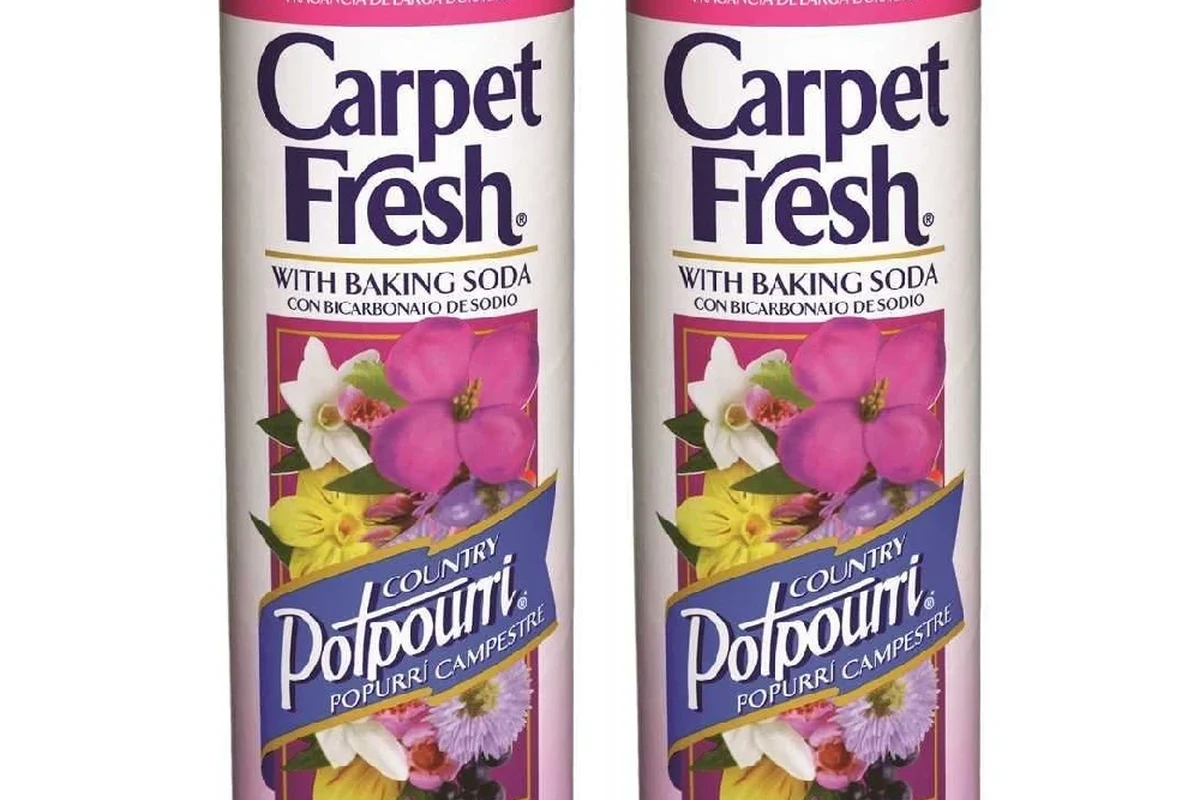
Baking soda helps reduce carpet odors because it can absorb some odor-causing compounds and leave less smell behind after vacuuming. It does not “mask” odors the way fragrance sprays do; instead, it helps interrupt the source of the stale smell in the fibers and backing.
How baking soda neutralizes common carpet odors
Many carpet odors come from acidic or moist residues trapped in the pile, padding, or backing. Baking soda is mildly alkaline, so it can help balance some odor compounds and absorb moisture that feeds musty smells.
That is why it often performs well on carpets that smell “closed up” after a long winter, a humid week, or a room that does not get much airflow. For a broader look at how it behaves in cleaning, see our guide to baking soda in laundry benefits.
Which smells it helps with most: pets, smoke, spills, and mustiness
Baking soda is often most useful for pet odors, light smoke smells, food spills that have dried, and general mustiness. It is especially helpful when the carpet looks clean but still carries an unpleasant background smell.
It is less effective on strong urine contamination, old mildew, or odors from a spill that soaked into the pad. In those cases, a targeted cleaner or professional service is usually more appropriate.
Odor control works best on dry, porous surfaces. If moisture is still present, baking soda can clump and lose much of its deodorizing benefit.
When to Use Rug Deodorizer Baking Soda and When to Skip It
Use baking soda on dry rugs and carpets that need a freshness boost between deeper cleanings. It is a practical choice for living rooms, bedrooms, hallways, and entry rugs that collect everyday odors.
Best carpet types, rug fibers, and household situations
Most synthetic wall-to-wall carpets and many everyday area rugs can handle a light baking soda treatment. It is a good fit when the goal is to reduce stale odors after pets have been indoors, after guests visit, or after a room has sat unused for a while.
If you already use other home cleaning methods, it can pair well with your routine. For example, some readers also explore baking soda for smoke odors when smoke smell is the main problem.
Cases where moisture, stains, or delicate materials need a different approach
Skip baking soda on damp carpet, fresh spills, or rugs that are already wet from shampooing or leaks. Adding powder to moisture can create paste-like residue and make cleanup harder.
Be cautious with delicate fibers, specialty rug constructions, or manufacturer-labeled materials that call for specific care only. If the rug tag says dry clean only or warns against powders, follow that guidance first.
Do not use baking soda as a fix for active mold, sewage contamination, or a soaked carpet pad. Those situations need proper drying, sanitation, or professional remediation.
How to Apply Baking Soda to Carpets for Freshness
The basic method is easy: apply a thin layer, let it sit on a dry carpet, then vacuum thoroughly. The key is even coverage without overloading the fibers.
Basic sprinkle-and-wait method for whole-room deodorizing
Start by vacuuming the carpet to remove dust and loose debris. Then sprinkle a light, even layer of baking soda across the area you want to freshen.
Leave it in place long enough for odor absorption to happen, then vacuum again slowly in overlapping passes. If you want a deeper look at the chemistry behind this kind of cleaning, the article on baking soda and vinegar reaction explained simply is a helpful companion read, even though vinegar is not needed for carpet deodorizing.
Spot treatment for localized odor areas and traffic lanes
For hallways, pet resting spots, or near-sofa traffic lanes, apply baking soda only where odors are strongest. Use your hand or a shaker to keep the layer thin and controlled.
A soft brush can help work the powder gently into the top of the pile. This is useful when odor sits near the surface, but avoid scrubbing hard enough to damage the fibers.
Remove loose dirt so the baking soda can contact the carpet fibers instead of sitting on top of dust.
Sprinkle evenly over the dry area. Thin coverage usually works better than a heavy pile of powder.
Allow time for odor absorption based on how strong the smell is.
Use overlapping passes to remove as much powder as possible from the pile and backing surface.
Recommended dwell times for light, moderate, and stubborn odors
For light odors, a short rest period may be enough. For moderate smells, a longer wait usually improves results, especially in thicker carpet.
For stubborn odors, baking soda may help but may not fully solve the issue on its own. In those cases, combining deodorizing with a deeper cleaning method is usually more realistic than simply leaving powder down longer.
Dwell time depends on carpet thickness, room humidity, air circulation, and how deeply the odor has settled. There is no single perfect timing for every rug.
Measuring the Right Amount for Different Rug Sizes
Using the right amount matters as much as letting the powder sit long enough. Too little can miss odor pockets, while too much can be hard to vacuum out cleanly.
Small area rugs versus large wall-to-wall carpet coverage
Small rugs usually need only a light dusting across the surface. Large room-sized carpets need more coverage, but still in a thin, even layer rather than a thick blanket of powder.
Think of it like dusting a cake with powdered sugar: you want a fine coat, not a mound. That approach gives better contact with the fibers and less cleanup afterward.
How to avoid overuse, residue, and wasted product
Overuse can leave a chalky feel, especially if the vacuum is not strong enough or the carpet pile is dense. It can also make the carpet look dull until the residue is fully removed.
If you are unsure, start smaller and add more only where needed. This is especially helpful in older vacuums, low-suction handhelds, or thick rugs that trap powder deep in the pile.
- Apply a thin, even layer
- Test one corner first if the rug is delicate
- Vacuum in slow, overlapping passes
- Piling on extra powder
- Using it on damp carpet
- Leaving visible residue behind
What Improves Results: Brushing, Vacuuming, and Ventilation
Baking soda works better when it can reach the odor source and when the room stays dry. Simple prep and cleanup steps make a noticeable difference.
Why agitation helps baking soda reach carpet fibers
Light brushing or gentle agitation helps the powder settle deeper into the top layer of the pile. That matters because odors often cling to the upper fibers rather than sitting only on the surface.
Do not overwork the carpet. The goal is to improve contact, not to grind powder into the backing or stress the fibers.
Best vacuuming technique for complete pickup
Vacuum slowly and in multiple directions if the carpet is thick. One quick pass often leaves powder behind, especially in plush rugs or textured loops.
If your vacuum has adjustable height or a brush roll setting, use the setting that gives strong pickup without dragging the carpet. Empty the canister or replace the bag if suction seems weaker than usual.
How airflow and dry conditions affect deodorizing performance
Dry air helps baking soda stay loose and absorb odors more effectively. Open windows when weather allows, or run a fan to improve air movement while the powder sits.
Ventilation also helps the room smell fresher after vacuuming. If the space stays humid, odors can return faster even after a good treatment.
Keep baking soda away from electrical outlets, vacuum cords, and any wet cleaning equipment. Even though it is a common pantry ingredient, it should still be handled like a dry cleaning powder.
Common Mistakes That Reduce Deodorizing Power
Most problems come from using too much powder, using it on the wrong surface condition, or expecting it to do more than it can. A careful method is usually better than a heavy-handed one.
Using too much baking soda or leaving it on too long
More is not always better. A thick layer can be harder to vacuum and may leave a dusty feel behind.
Leaving it on for an extremely long time does not necessarily increase deodorizing power once the powder has already done most of what it can. If odors remain, the issue may be deeper than surface freshness.
Applying it to damp carpet or fresh spills
Damp carpet can turn baking soda into a clumpy residue that is difficult to remove. Fresh spills also need blotting and proper spot treatment first.
If a spill is still wet, use absorbent cloths, blot carefully, and let the area dry before using powder. For some stain problems, a different cleaner is the better first step.
Expecting deodorizing to replace deep cleaning
Baking soda can improve smell, but it does not remove embedded soil, pet accidents that reached the pad, or grime deep in the carpet backing. Those problems usually need shampooing, steam cleaning, or a targeted enzyme cleaner.
If you want to understand when household chemistry is useful and when it is not, our article on baking soda vinegar cleaning ovens shows how a cleaning method can help in one setting but still have limits in another.
Safety, Maintenance, and Carpet Care Considerations
Baking soda is generally a simple household product, but carpet care still needs common sense. Always think about the rug material, the people in the home, and how often the treatment is repeated.
Pet and child safety around treated rugs
Keep children and pets off the rug while the powder is down if possible, especially if they tend to lick paws or put hands on the floor. A light residue is usually not the goal, so good vacuuming matters for comfort as well as cleanliness.
If a pet has a medical condition, a sensitive respiratory issue, or a habit of chewing floor items, use extra caution and follow veterinary guidance if needed. For household cleaning choices, product labels and manufacturer directions should come first.
Colorfastness, fiber sensitivity, and manufacturer warnings
Most common carpets tolerate baking soda well, but not every rug is the same. Natural fibers, antique rugs, specialty dyes, and delicate weaves may react differently, so a small hidden test spot is smart before treating a full area.
Check the rug’s care label or the carpet manufacturer’s instructions when available. That is the best way to avoid dulling, discoloration, or texture changes that are hard to reverse.
Storage and handling of baking soda for repeat use
Store baking soda in a sealed container so it stays dry and free-flowing. Moisture can cause clumping and reduce how evenly it spreads on carpet.
If you keep a box in a cleaning caddy, label it clearly so it is not confused with baking ingredients. Replacing old, damp, or contaminated powder is a simple way to keep results consistent.
Choosing the Best Final Approach for Your Home in 2026
For many households, rug deodorizer baking soda is enough to keep carpets smelling cleaner between deeper cleanings. It is most useful when odors are mild, the carpet is dry, and the goal is freshening rather than stain removal.
When baking soda is enough on its own
If the smell is light, the carpet is otherwise clean, and the room has decent airflow, baking soda may be all you need. It is especially practical for routine maintenance in high-traffic rooms and guest areas.
It is also a good first step before deciding whether a stronger cleaner is necessary. That makes it a useful part of a regular home care routine, much like using the right ingredient in the right amount in baking.
When to pair it with steam cleaning, enzyme cleaners, or professional service
Use a deeper method when odors keep returning, when pet accidents have soaked through, or when the carpet has visible staining along with smell. Enzyme cleaners can be more appropriate for organic messes, while steam cleaning can help lift embedded soil and residue.
For severe odor, water damage, mold concerns, or delicate rugs, professional cleaning is often the safer choice. If you are unsure, start with the carpet manufacturer’s care instructions and escalate only as needed.
Practical recap for keeping carpets fresher between deep cleans
The best results come from a thin, even application, enough dwell time, and careful vacuuming. Add ventilation, keep the carpet dry, and treat stains or spills promptly before they become odor problems.
Used this way, baking soda is a dependable freshening tool for everyday carpet care. It will not solve every odor issue, but it can make a noticeable difference when you use it with realistic expectations and proper cleaning habits.
- Simple and inexpensive
- Useful for light to moderate odors
- Easy to fit into routine carpet care
- Not a full replacement for deep cleaning
- Can leave residue if overused
- Less effective on wet or severe odor problems
Frequently Asked Questions
Light odors may need only a short rest, while moderate smells usually need longer. The best time depends on carpet thickness, humidity, and how deep the odor has settled.
Most common synthetic carpets and many everyday area rugs handle it well. Delicate fibers, specialty rugs, and manufacturer-labeled dry-clean-only materials should be tested or cleaned by another method.
No, baking soda works best on dry carpet. On wet carpet it can clump, leave residue, and make cleanup harder.
It may help with light lingering smell, but it often will not solve urine that soaked into the pad or backing. Enzyme cleaners or professional cleaning are usually better for that problem.
Vacuum slowly in overlapping passes and, if needed, go in multiple directions. Thick pile carpets often need more than one pass to remove fine powder fully.
No, it is a deodorizing step, not a full cleaning method. It helps with freshness between deep cleans, but embedded soil and severe odors usually need stronger treatment.