
Soda Bicarb and Baking Soda Uses Benefits and Tips

Soda bicarb and baking soda are the same ingredient, but the recipe balance decides whether they help or hurt your bake. Use them with acid, measure carefully, and bake promptly for the best results.
Soda bicarb and baking soda are the same ingredient, but the way you use them can change a recipe’s rise, color, and texture. In baking school kitchens, the real difference is usually not the name on the box, but whether the recipe has enough acid, moisture, and timing for the leavener to work properly.
- Same ingredient: Soda bicarb and baking soda both mean sodium bicarbonate.
- Needs balance: It works best when the recipe includes an acid.
- Measure carefully: Small errors can change rise, taste, and browning.
- Store well: Keep it sealed, dry, and away from odors.
- Choose by recipe: Baking soda is not a direct swap for baking powder in every formula.
What Soda Bicarb and Baking Soda Actually Are in 2026 Baking Vocabulary
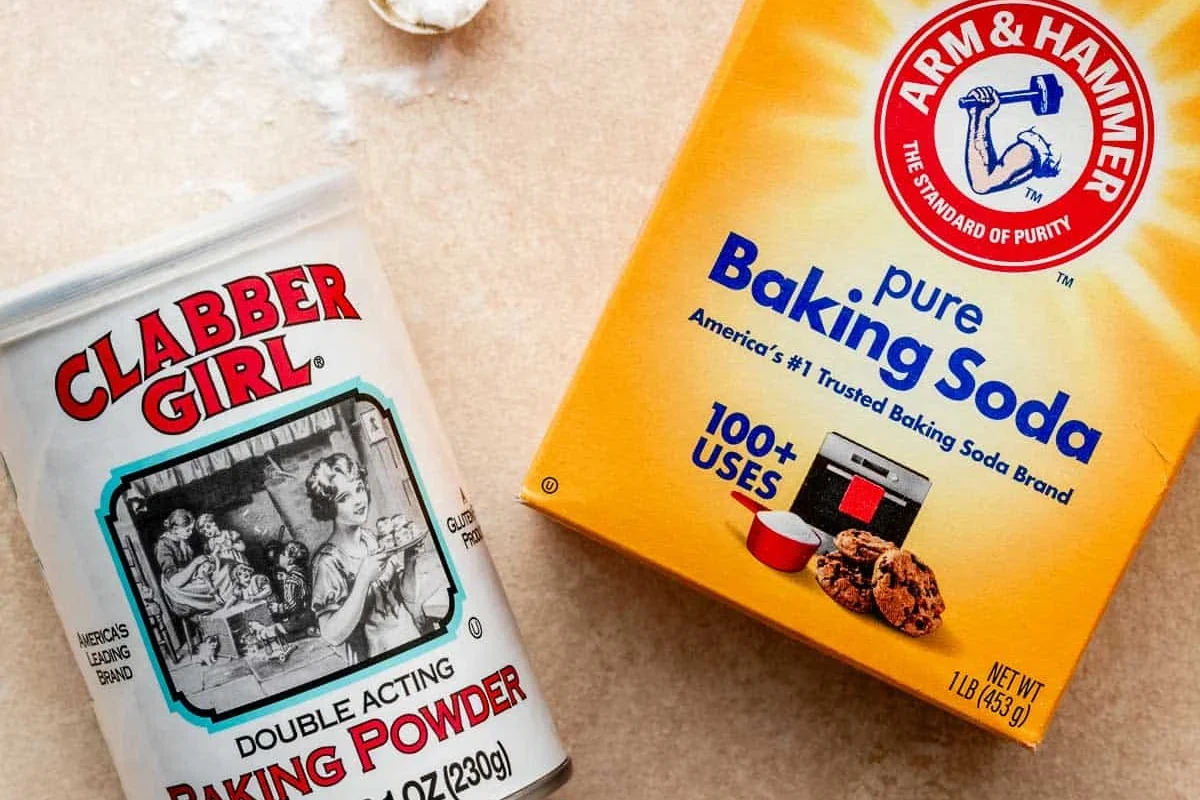
Soda bicarb is short for sodium bicarbonate, the alkaline compound most home bakers know as baking soda. The terms are used interchangeably in many countries, especially in everyday baking talk, while ingredient labels usually use the more precise chemical name or the common name depending on the market.
When a recipe says baking soda, it almost always means the same thing as soda bicarb. If you are comparing labels or studying ingredient lists, you may also see sodium bicarbonate, bicarbonate of soda, or simply baking soda. For a broader look at terminology and product naming, see our guide on baking soda and baking powder differences.
Chemical identity, common names, and why the terms are used interchangeably
Sodium bicarbonate is a base. In baking, that matters because it reacts with acids and releases carbon dioxide gas, which helps doughs and batters rise. The ingredient itself does not create lift until the recipe gives it moisture, heat, and often an acid partner such as buttermilk, yogurt, brown sugar, vinegar, citrus juice, molasses, or cocoa processed in a way that leaves it acidic.
The reason the names are mixed so often is simple: cooks care more about function than chemistry class. In practice, soda bicarb and baking soda point to the same pantry item, and the label choice is usually about regional wording, packaging style, or food regulation rather than a different ingredient.
How baking schools and ingredient labels typically reference sodium bicarbonate
Baking schools often teach the ingredient as sodium bicarbonate first, then connect that term to baking soda and bicarbonate of soda. That helps students recognize it on labels, in recipes, and in production sheets, especially when working with imported ingredients or multilingual kitchens.
Ingredient labels usually list the common name or the chemical name, but the function is the same. If you are unsure, check the ingredient statement rather than the front-of-pack marketing text. That habit helps avoid confusion when comparing brands or substituting in a recipe.
Baking soda is a single-ingredient leavener, while baking powder contains baking soda plus one or more acids and usually a starch to keep it dry.
How Soda Bicarb Works in Baking: Leavening, Browning, and pH Control
In baking, soda bicarb does more than make batter puff up. It also changes pH, which affects flavor, browning, and how proteins and starches set during baking. That is why one small spoonful can improve a cookie and ruin a delicate cake if the balance is off.
Reaction with acids, heat, and moisture in cakes, cookies, and quick breads
When baking soda meets moisture and acid, it begins producing gas. Heat then expands that gas in the oven, helping cakes, muffins, and quick breads rise. If the batter sits too long after mixing, some of that gas can escape before the pan even reaches the oven, which is one reason timing matters.
In cookies, the reaction often happens faster because the dough is denser and the bake time is shorter. In quick breads, the lift can be more even, especially when the recipe has buttermilk, sour cream, or another acidic ingredient. If you want a simple breakdown of the acid reaction itself, our article on the baking soda and vinegar reaction explains the same basic chemistry in a kitchen context.
Why the same ingredient can affect texture, spread, and color differently
Because baking soda raises pH, it can strengthen browning and deepen color. That is why chocolate cookies, ginger snaps, and some muffins often look darker and taste a little more caramelized when baking soda is used correctly. The same alkaline effect can also soften acidity in the flavor profile, making a batter taste less sharp.
Texture changes too. In cookies, baking soda can encourage spread because it weakens dough structure slightly and speeds browning at the edges. In cakes, too much can create a coarse crumb, a soapy aftertaste, or a yellowish color that looks underbaked even when the center is done.
Best Uses for Soda Bicarb and Baking Soda in Everyday Pastry and Bakery Work
Soda bicarb works best in recipes that include an acid and benefit from quick rise or stronger browning. That makes it especially useful in home-style pastries, school bakery labs, and many production formulas where a clean, predictable lift is needed without a yeast fermentation step.
When it improves cookies, scones, muffins, and laminated dough add-ins
Cookies often benefit because baking soda supports spread, color, and crisp edges. Scones and muffins can use it well when the formula includes buttermilk, yogurt, sour cream, or fruit purée. Small add-ins for laminated dough, such as cocoa fillings or fruit swirls, may also use it if the recipe needs a little lift without changing the dough’s main structure.
Baking soda helps the edges brown faster and encourages a wider spread, which many cookie formulas rely on.
The acid in buttermilk gives the soda a proper reaction, creating a lighter crumb and a cleaner rise.
When the dough includes an acidic dairy ingredient, soda can support lift without making the crumb heavy.
Practical examples of recipes that rely on it versus recipes that should not
Recipes that often rely on baking soda include ginger cookies, snickerdoodles, chocolate cakes with acidic ingredients, banana bread with ripe fruit, and many quick breads. These formulas usually need both lift and browning, and the soda helps with both.
Recipes that should not use baking soda without a clear acid are more delicate. Plain sponge cakes, some butter cakes, and pastry doughs that depend on precise layering may be better with baking powder or another leavening strategy. If you are deciding between the two, our guide on whether baking soda can replace baking powder safely covers the limits of substitution.
Too much baking soda can leave a bitter, metallic, or soapy taste. It can also over-brown baked goods before the center has fully set, so the recipe balance matters as much as the ingredient itself.
How to Measure and Substitute Soda Bicarb Correctly
In school kitchens, weighing ingredients gives more consistent results than relying on spoons alone. Baking soda is powerful in small amounts, so a tiny measuring error can noticeably change rise, flavor, and color.
Measuring by weight versus spoons for consistent results in school kitchens
If a recipe is written in grams, follow grams. If it is written in teaspoons, use a level spoon and avoid packing the powder unless the recipe specifically says so. Humidity, scoop style, and how tightly a spoon is filled can all change the actual amount delivered.
- Check whether the formula is written by weight or volume.
- Confirm whether the recipe includes an acidic ingredient.
- Make sure the baking soda is fresh and free-flowing.
- Preheat the oven before mixing if the recipe depends on quick leavening.
Substitution limits, acid balancing, and when baking powder is the better choice
Substituting soda bicarb is not just a one-for-one swap with baking powder. Baking powder already contains acid, so using the wrong amount can make a recipe rise too fast, taste off, or collapse. If a recipe has no meaningful acid, baking powder is often the better choice because it brings its own balance.
When you do need to swap, think in terms of formula structure, not just volume. The amount of acid in the recipe, the desired browning, and the final texture all matter. That is why substitution is safest when the full recipe is reviewed, not when one ingredient is changed in isolation.
- Strong lift in acidic recipes
- Improves browning and color
- Useful in quick-mix batters
- Can taste bitter if overused
- Needs acid to work well
- Weak or stale product gives poor rise
Common Mistakes Students Make with Baking Soda in Pastry Production
Most baking soda mistakes come from imbalance, not from the ingredient itself. Students often assume more leavener means more lift, but in pastry production the opposite can happen if the formula becomes too alkaline or the structure sets too slowly.
Using too much, not enough acid, or stale leavening agents
Too much baking soda is one of the most common problems. The baked item may rise quickly, then collapse, taste harsh, or brown too deeply on the outside. If there is not enough acid in the batter, the soda may not fully react, which leaves a lingering alkaline taste.
Stale leavening is another issue. Baking soda is stable for a long time when stored correctly, but it can still lose performance if exposed to moisture, odors, or contamination. If a recipe used to work and now seems flat, the ingredient is worth checking before changing the whole formula.
Muffins rise fast in the oven, then sink in the center and taste slightly bitter.
The formula may have too much soda or not enough acid. Recheck the leavener amount, verify the acidic ingredient, and avoid overmixing the batter.
Overmixing, delayed baking, and mismatched ingredient temperatures
Overmixing can tighten gluten in flour-based batters, which makes the crumb dense even if the soda is active. Delaying baking after mixing can also cost you lift because the reaction starts before the batter reaches the oven. That is especially noticeable in quick breads and muffins.
Ingredient temperature matters too. Very cold dairy can slow the reaction slightly, while overly warm batter may start losing gas too soon. The exact effect depends on the recipe, but the general rule is to mix efficiently, pan promptly, and bake without unnecessary delay.
Do not taste raw batter or dough made with raw flour or raw eggs. Follow food safety guidance from recognized sources such as USDA and FDA, especially in school kitchens where cross-contact and sanitation procedures matter.
Storage, Shelf Life, and Safety for Baking Soda in a Professional Kitchen
Good storage protects both performance and food quality. Baking soda can absorb odors from nearby ingredients, so it is best kept sealed, dry, and away from strong-smelling foods and cleaning chemicals.
How to test freshness and recognize when it has lost strength
A simple freshness check is to mix a small amount of baking soda with a little vinegar or another acidic liquid. A strong, immediate fizz suggests the soda still has active reaction power. If the reaction is weak, delayed, or uneven, replace the container before using it in production.
That test is useful, but it is not a substitute for proper storage and regular rotation. In a professional kitchen, label opened containers with the opening date and use a first-in, first-out system so old stock does not get forgotten.
A weak reaction does not always mean the entire recipe will fail, but it does mean results may be less reliable. For classwork, exams, or batch production, reliability matters as much as cost.
Storage practices for dry goods, odor control, and food safety basics
Store baking soda in a tightly closed container in a cool, dry cabinet. Keep it away from moisture, dish sinks, and strong odors such as onions, garlic, spices, or cleaning products. In busy kitchens, even a small amount of contamination can affect flavor and performance.
Food safety basics still apply. Use clean, dry scoops, avoid double-dipping into the container with wet utensils, and do not return unused product to the original package if it has been exposed to moisture or crumbs. If you are cleaning the baking area, keep ingredient storage separate from oven cleaners and other chemicals.
How Baking Pastry Students and Home Bakers Can Choose the Right Leavening Strategy
The best leavening choice depends on the recipe’s flavor, structure, and timing. Baking soda is ideal when the formula includes acid and needs extra browning, while baking powder is often better when the recipe needs lift without added acidity.
Decision points based on flavor, color, texture, and recipe style
Choose baking soda when you want deeper browning, a slightly more open crumb, or a recipe already built around acidic ingredients. Choose baking powder when the formula is neutral and you want a more controlled, self-contained rise. For laminated pastries, cream puffs, and other highly structured items, the right leavener depends on the specific dough or batter style rather than a blanket rule.
It also helps to think like a baker, not just a recipe follower. Ask whether the final product should spread, dome, brown quickly, or stay pale and delicate. Those goals usually point you toward the correct leavening system.
- Match baking soda to an acidic recipe
- Measure carefully by weight when possible
- Bake soon after mixing when the formula depends on quick lift
- Using soda without checking for acid
- Assuming more leavener means better rise
- Keeping old, odor-absorbing ingredient containers open
Final recap: when soda bicarb and baking soda are the same, and when technique matters most
Soda bicarb and baking soda are the same ingredient, so the name difference is usually just wording. What changes the result is technique: the acid balance, the measurement, the mixing time, the oven temperature, and how quickly the batter gets baked.
If you are learning pastry, start by matching the ingredient to the recipe style and then pay attention to the small details that affect performance. That approach will give you more consistent cookies, muffins, scones, and quick breads than simply adding more leavener. For ingredient freshness and replacement timing, it can also help to review our guide on when baking soda expires.
In short, the ingredient is simple, but the results are not. Use soda bicarb with the right acid, measure it carefully, and bake without delay when the formula calls for quick action.
Frequently Asked Questions
Is soda bicarb the same as baking soda in recipes?
Yes. Soda bicarb is another name for baking soda, or sodium bicarbonate. In recipes, you can usually treat the terms as the same ingredient unless the label or regional naming says otherwise.
Why does baking soda need acid to work well?
Baking soda reacts best with acid because that reaction creates carbon dioxide gas, which helps the batter rise. Without enough acid, the soda may leave a flat result or an alkaline taste.
Can I replace baking powder with baking soda?
Sometimes, but not as a simple equal swap. Baking soda needs acid in the recipe, while baking powder already contains its own acid, so the formula must be adjusted carefully.
How can I tell if baking soda is still fresh?
Mix a small amount with vinegar or another acid and watch for a fast, strong fizz. If the reaction seems weak, replace the container before using it in important baking.
What happens if I use too much baking soda?
The baked good may taste bitter or soapy, brown too fast, or rise and then collapse. Too much soda can also make the crumb coarse and uneven.
Should I weigh baking soda or measure it with spoons?
Weighing is more reliable, especially in school or professional kitchens. If you use spoons, level them carefully because small measuring errors can change the final texture.
Frequently Asked Questions
Yes. Soda bicarb is another name for baking soda, or sodium bicarbonate. In recipes, you can usually treat the terms as the same ingredient unless the label or regional naming says otherwise.
Baking soda reacts best with acid because that reaction creates carbon dioxide gas, which helps the batter rise. Without enough acid, the soda may leave a flat result or an alkaline taste.
Sometimes, but not as a simple equal swap. Baking soda needs acid in the recipe, while baking powder already contains its own acid, so the formula must be adjusted carefully.
Mix a small amount with vinegar or another acid and watch for a fast, strong fizz. If the reaction seems weak, replace the container before using it in important baking.
The baked good may taste bitter or soapy, brown too fast, or rise and then collapse. Too much soda can also make the crumb coarse and uneven.
Weighing is more reliable, especially in school or professional kitchens. If you use spoons, level them carefully because small measuring errors can change the final texture.