
What Is a Substitute for Baking Soda in Recipes

Baking powder is the most common substitute for baking soda, but the right swap depends on the recipe’s acid, structure, and flavor balance. For low-sodium baking, potassium bicarbonate is the closest chemical match, while some recipes work better with egg whites or yeast.
When a recipe calls for baking soda and you are out of it, the best substitute depends on what the recipe is trying to do. In many cases, baking powder is the closest swap, but the right choice changes with the recipe, the acid in the batter, and the texture you want.
- Best general swap: Baking powder is the closest everyday substitute for many quick breads, cookies, muffins, and.
- Ratio matters: Baking soda and baking powder are not interchangeable one-to-one in most recipes.
- Recipe chemistry matters: Acid, salt, and moisture all affect how well the substitute works.
- Texture clues help: Watch browning, rise, crumb, and flavor to judge whether the swap succeeded.
Why Bakers Need a Baking Soda Substitute in the First Place
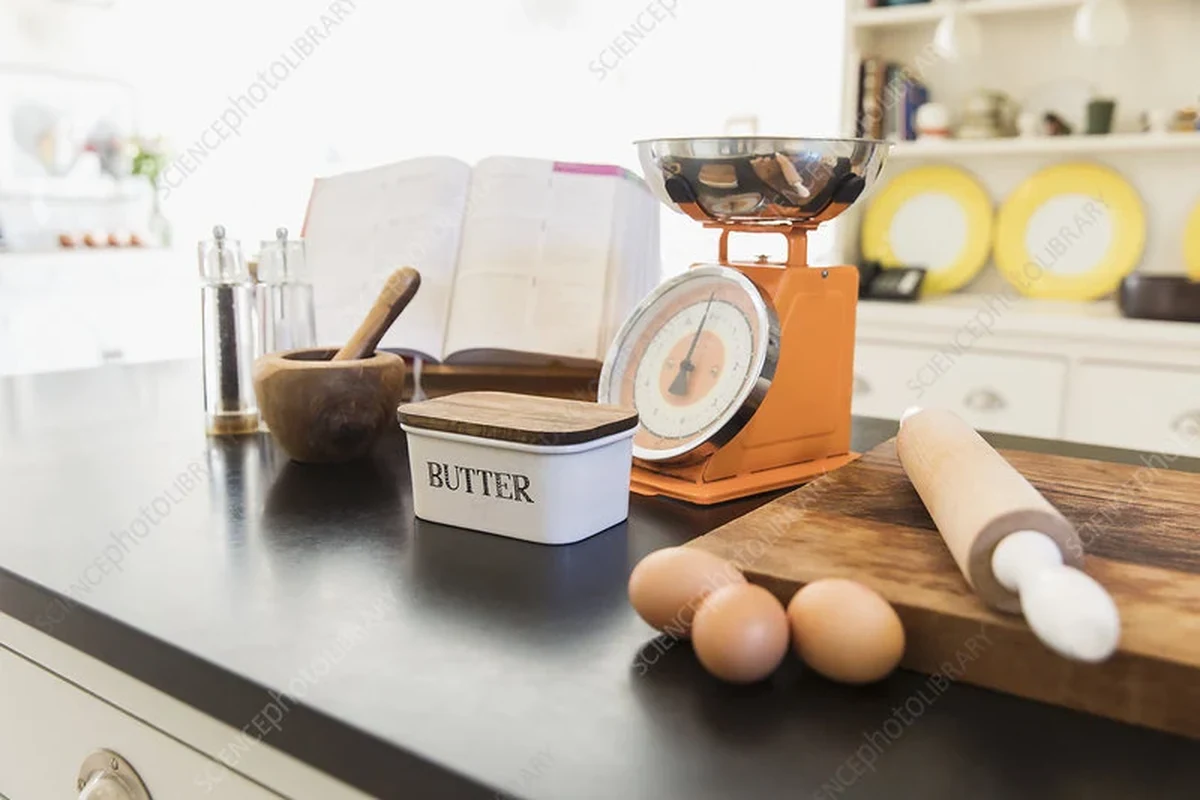
Baking soda is a powerful leavener, but it is also a chemistry ingredient. It reacts with acid, helps baked goods rise, and can encourage browning, so replacing it without thinking through the recipe can change both flavor and structure.
What baking soda does in a recipe: lift, browning, and neutralization
Baking soda is sodium bicarbonate. In baking, it needs an acid such as buttermilk, yogurt, brown sugar, lemon juice, cocoa, or vinegar to create carbon dioxide gas, which helps batter expand in the oven.
That reaction does more than make cakes taller. It also helps neutralize acidic ingredients, which can soften sharp flavors and improve browning. If you remove baking soda without replacing its job, the result can be dense, pale, or overly tangy.
Common reasons you may need a replacement in 2026 kitchens
Most home bakers run into this problem because the box is empty, the ingredient has expired, or they are baking for a low-sodium diet. Some people also want a substitute because they are following a recipe with limited pantry ingredients or a specialty diet that avoids sodium bicarbonate.
In modern kitchens, ingredient labels and pantry habits matter more than ever. If you are checking whether your leavener is still usable, it helps to read a guide on how to tell when baking soda expires before you replace it unnecessarily.
The Best Baking Soda Substitutes and When Each One Works
There is no single perfect replacement for every recipe. The best substitute depends on whether the recipe needs fast lift, a neutral flavor, lower sodium, or a different kind of structure.
Baking powder as the closest swap for quick breads, cookies, and cakes
Baking powder is the most common substitute because it already contains an acid and a base. That makes it useful in recipes that need lift but do not have enough acidic ingredients to activate baking soda on their own.
Because baking powder is weaker by volume than baking soda, you usually need more of it, not less. A common starting point is about 3 teaspoons of baking powder for 1 teaspoon of baking soda, but that is only a general guide. The recipe may need less if it already contains acidic ingredients, or the final flavor may turn slightly more bitter or salty.
Baking soda is about four times stronger than baking powder by volume, which is why a straight one-to-one swap usually does not work well.
Self-rising flour as a partial shortcut in specific batters and doughs
Self-rising flour can help in some quick breads, biscuits, muffins, and simple cakes because it already includes a leavener and salt. It is not a universal substitute, though, because it changes the formula in two ways at once.
If you use self-rising flour, you usually need to remove the baking powder and reduce or omit the added salt in the recipe. It works best when the recipe is flexible, such as a simple muffin batter, and less well when the flour amount is only one part of a carefully balanced formula.
Self-rising flour varies by brand, so check the package before baking. Some versions include more or less leavener than others, which can affect rise and texture.
Potassium bicarbonate for low-sodium baking and specialty diets
Potassium bicarbonate is the closest chemical replacement for baking soda in terms of function. It behaves similarly in the oven, so it is often used in low-sodium baking when a recipe still needs the same basic leavening action.
The limitation is that it does not taste identical in every recipe, and it may not be as easy to find as baking powder. Because it contains potassium instead of sodium, it can be a useful option for some dietary needs, but anyone with kidney disease or other medical concerns should check with a qualified professional before using it regularly.
Whipped egg whites, yeast, or acidic ingredients when structure matters more than speed
Sometimes the best substitute is not another chemical leavener at all. Whipped egg whites can add lift to sponge cakes and similar batters, while yeast can create rise in doughs that have time to ferment.
Acidic ingredients can also matter when the recipe already contains baking soda and needs balance more than extra lift. For example, if a batter is too alkaline, a little more acidic dairy or fruit component may help the flavor, but this is recipe-specific and should be approached carefully. If you want the science behind that reaction, our guide to the baking soda and vinegar reaction explains why acid changes the outcome so much.
- Can restore rise when baking soda is missing
- May fit dietary needs such as lower sodium
- Can work well in simple recipes
- May change flavor, salt level, or texture
- Not every substitute works in every recipe
- Some swaps need formula adjustments, not just a replacement
How to Substitute Baking Soda Without Ruining Texture or Flavor
The safest way to substitute baking soda is to think in terms of chemistry, not just volume. The wrong swap can leave a batter too flat, too salty, too sour, or too cakey.
Measurement ratios that matter more than a one-to-one guess
A one-to-one replacement is usually too much if you are switching from baking soda to baking powder. Baking powder contains its own acid and is less concentrated, so recipes often need a larger amount to create the same lift.
For many quick breads and cakes, 1 teaspoon baking soda is often replaced by about 3 teaspoons baking powder, but that is only a starting point. If the recipe already includes acidic ingredients, you may need less, and if it has very little acid, baking powder may be the better fit than potassium bicarbonate or egg-based lift.
Adjusting acid, salt, and liquid when the replacement changes the chemistry
When you swap leaveners, you often need to look at the whole recipe. Baking powder adds its own acidic component and usually some starch, so it can slightly change the balance of dry ingredients and the final taste.
If you replace baking soda with baking powder, reduce added salt only if the recipe already has enough. If the batter seems thicker than expected, do not automatically add liquid; first consider whether the extra dry ingredient from the substitute is actually needed. Small changes in flour, sugar, and acid can have a bigger effect than the substitute itself.
- Check whether the recipe already contains acidic ingredients
- Confirm whether the recipe needs quick lift or long fermentation
- Measure carefully instead of guessing by eye
- Review salt and liquid before adding extra ingredients
How to scale substitutes for small batches versus full recipes
Small batches magnify measurement errors. A tiny excess of baking powder can create a bitter taste or a coarse crumb, while too little can leave muffins or cookies flat.
For full recipes, the problem is consistency across the batter. Stirring unevenly can leave pockets of leavener, which may bake into tunnels or uneven rise. Mix just until combined, then bake promptly if the substitute is a fast-acting leavener.
Recipe-by-Recipe Examples: Which Substitute Fits Which Bake
The same substitute can work well in one recipe and fail in another. The goal is to match the leavener to the texture you want, not just to replace an ingredient on paper.
Cookies and brownies: when lift should stay subtle
Cookies and brownies usually need controlled rise. Too much baking powder can make them puffy instead of tender or chewy, and that changes the style of the bake.
For these recipes, baking powder may work if the original formula used only a small amount of baking soda for lift and browning. If the recipe depends on the spread and chew that baking soda supports, a substitute may require a broader adjustment to sugar, fat, and flour rather than a simple swap. If you are comparing ingredient behavior, our article on using baking soda instead of baking powder safely is a useful companion read.
Muffins, pancakes, and quick breads: balancing tenderness and rise
These are the easiest recipes to adapt because they are already designed for chemical leavening. Baking powder is often the best substitute here, especially when the batter contains milk, yogurt, fruit, or brown sugar.
Watch for batter that rises quickly in the bowl or spreads too much in the pan. That can mean the substitute is strong enough, but the recipe may need to go into the oven sooner. A muffin top that domes and then collapses often points to too much leavener or underbaking in the center.
Cakes, biscuits, and scones: avoiding dense or metallic results
Cakes are sensitive to balance, so a substitute has to match the recipe’s acid and moisture closely. Too much baking powder can leave a metallic or soapy aftertaste, while too little can produce a tight crumb.
Biscuits and scones often depend on both chemical lift and cold fat for a layered texture. If you replace baking soda, keep the dough cold and mix gently so the fat stays in pieces. That helps the steam and leavener work together instead of creating a heavy, bread-like result.
When a substitute is not enough and the recipe should be rebalanced
Some recipes rely on baking soda for more than rise. They use it to tame acidity, deepen color, or support a specific flavor profile, and a substitute may not fully recreate that result.
If the recipe has a strong acidic ingredient, a delicate crumb, or a precise pastry texture, it may be better to rebalance the formula rather than force a swap. In those cases, adjusting flour, acid, and sweetener together will usually give a better result than adding more leavener alone.
Baking powder usually works well because the batter already has enough structure and moisture for a predictable rise.
Use a light hand so the texture stays dense and fudgy instead of turning cakey.
Common Mistakes Bakers Make When Replacing Baking Soda
Most problems come from treating substitutes as identical. They are not identical, and the recipe usually shows the difference in flavor, rise, or crumb.
Using baking powder in the wrong amount and causing bitter or collapsed results
Too much baking powder can leave a sharp taste or a fragile structure that rises and then falls. This is especially common when bakers use a full one-to-one swap without adjusting for the different strength of the ingredient.
Too little baking powder can do the opposite and leave the bake heavy. If you are unsure, it is better to start with the lower end of a qualified range and test the batter’s behavior rather than doubling the amount blindly.
Ignoring the recipe’s acidic ingredients and losing proper rise
Baking soda needs acid to do its best work. If the recipe has enough acid already, baking powder may be enough; if it does not, the substitute may not create the same lift or flavor balance.
That is why the ingredient list matters more than the label on the box. A recipe with buttermilk behaves differently from one made with regular milk, even if the rest of the formula looks similar.
Overmixing, underbaking, or assuming the substitute behaves identically
Even a good substitute can fail if the batter is overmixed. Overmixing develops gluten in flour, which can make quick breads and cakes tougher and reduce the tender crumb bakers want.
Underbaking is another common issue because the top may look done before the center has set. Use the substitute as a reason to watch the batter more closely, not less.
Do not use raw batter tasting as a safety check if it contains raw flour or raw egg. Follow food safety guidance from recognized sources such as the USDA and FDA, especially for baked goods that may be underbaked in the center.
How to Test Doneness, Texture, and Flavor After a Substitute Swap
When you change a leavener, the finished bake can look close to normal but still have small differences in crumb and taste. Careful checking helps you decide whether the swap worked.
Visual cues for browning, spread, and structure
Look for even browning, set edges, and a center that no longer looks wet or shiny. If the product spreads too much, the substitute may have weakened the structure or the batter may have been too warm.
If it domes too sharply and then cracks in an uneven way, there may have been too much leavener or too much heat at the top of the oven. Rack position and oven calibration can change the result more than many bakers expect.
Touch, toothpick, and internal texture checks for different baked goods
A light press should spring back in cakes and muffins once they are done. For quick breads, a toothpick should come out with moist crumbs, not raw batter, though dense loaves may need a little longer than surface color suggests.
For biscuits and scones, the center should feel set but still tender. If the outside is browned before the middle is cooked, lower the pan position or reduce oven temperature slightly on the next batch, depending on your oven’s behavior.
Taste and aroma signs that the replacement worked or needs adjustment
A successful swap usually tastes clean, not metallic, bitter, or flat. If the bake tastes salty or leaves a chemical aftertaste, the substitute amount was probably too high or the recipe’s salt was not adjusted.
A flat or sour result can mean the recipe needed a different balance of acid and leavener. Aroma also helps: a well-baked item should smell toasted, sweet, or buttery rather than sharply alkaline.
The bake rose unevenly and tastes a little bitter after replacing baking soda.
The substitute was likely too strong for the recipe or the salt balance was off. Use less baking powder next time, check the acid in the formula, and mix only until combined.
Storage, Freshness, and Safety Tips for Substitute Ingredients
Good substitution starts with fresh ingredients. Old leaveners can weaken rise even when the measurement is correct, which makes troubleshooting harder than it needs to be.
How to store baking powder, potassium bicarbonate, and other leaveners
Keep leaveners in a cool, dry place with the lid tightly closed. Moisture can shorten shelf life and reduce potency, especially in humid kitchens.
Do not store them near the stove or dishwasher if heat and steam are frequent. If your pantry runs warm, a sealed container in a stable cupboard is usually better than an open shelf.
Checking potency before baking with older pantry ingredients
If baking powder is old, test it before relying on it for an important recipe. A small amount mixed with hot water should bubble if it is still active, though a weak reaction suggests it should be replaced.
Potassium bicarbonate should also be checked for freshness and clumping. If it has absorbed moisture or smells off, replace it rather than trying to compensate with more in the recipe.
Allergy, sodium, and dietary considerations when choosing a substitute
Potassium bicarbonate may help reduce sodium, but it is not a universal dietary fix. Ingredient labels matter, and people with medical conditions that affect potassium intake should get personalized advice before using it often.
Self-rising flour can also contain wheat and may not suit every diet. For allergy or cross-contact concerns, always check product labels and manufacturing statements carefully, especially if the bake is for someone with a serious sensitivity.
Measure leaveners over a bowl, not directly above a hot pan or steaming sink. A small spill is easy to clean, but moisture and heat can ruin the ingredient and make the measurement inaccurate.
Final Decision Guide: Choosing the Right Substitute for Your Recipe
If you are deciding what is a substitute for baking soda in recipes, the short answer is that baking powder is the best all-purpose option for many home bakes. Self-rising flour works in a narrower set of recipes, potassium bicarbonate is the closest low-sodium chemical match, and whipped egg whites or yeast are better when structure or fermentation matters more than speed.
Best substitute by baking goal, ingredient list, and dietary need
Choose baking powder when you need quick lift and the recipe can tolerate a slightly different flavor balance. Choose potassium bicarbonate when you want the closest functional swap with less sodium. Choose self-rising flour only when the recipe can absorb the extra salt and leavener already built into the flour.
If the recipe depends heavily on acid balance, delicate crumb, or a very specific texture, the best option may be to adjust the whole formula instead of making a direct replacement. That is especially true in pastry, where small changes can affect layering, spread, and tenderness.
When to follow the original recipe, when to adapt, and when to start over
Follow the original recipe when you have the correct ingredient and the formula is precise. Adapt when the recipe is flexible, like many muffins, pancakes, and quick breads.
Start over if the recipe is highly sensitive and you do not have a suitable substitute. That is often the safer choice for special occasion cakes, advanced pastry work, or recipes where the leavener also controls color and flavor.
Practical recap for home bakers and students learning baking chemistry
The best substitute is the one that matches the recipe’s chemistry, not just the missing ingredient. Baking powder is the most common answer, but it is not always the best answer.
Read the ingredient list, adjust carefully, and watch the batter as much as the recipe card. That habit will teach you more than any single swap and will help you bake with better control in every kitchen.
Best for quick breads, muffins, cookies, and cakes when you need easy lift with minimal formula changes.
Best for delicate or highly acidic recipes where the substitute changes flavor, texture, or browning too much.
Frequently Asked Questions
Baking powder is usually the closest substitute for most quick breads, muffins, cookies, and cakes. The amount is not one-to-one, so the recipe may need adjustment.
Usually no. Baking powder is less concentrated and already contains acid, so you often need more of it than baking soda.
Sometimes, but only in recipes that can handle the extra salt and leavener in self-rising flour. It is best for simple batters and doughs, not precise formulas.
Baking powder is usually the better choice because it contains its own acid. Baking soda alone would not have enough acid to react properly.
Check for even browning, proper rise, and a crumb that is set but not gummy. A clean taste without bitterness or a chemical aftertaste is another good sign.
It is a useful low-sodium substitute, but it is not right for everyone. People with medical concerns about potassium should check with a qualified professional and read product labels carefully.