
Washing Vegetables with Baking Soda Safe Easy Guide
Washing vegetables with baking soda is a safe, low-cost way to help loosen dirt and some surface residue when used correctly. It works best on firm produce, but it should always be followed by a thorough rinse and proper drying.
Washing vegetables with baking soda is a simple kitchen habit that can help loosen dirt and reduce some surface residue, but it is not a magic fix. Used correctly, it can be a safe, budget-friendly option for many types of produce.
- Mild is best: Use a small amount of baking soda in cool water rather than a strong.
- Rinse matters: Always rinse after soaking so loosened residue and baking soda wash away.
- Not a sanitizer: Baking soda helps clean, but it does not replace food safety practices.
- Best for firm produce: Apples, potatoes, and cucumbers usually benefit more than delicate berries or herbs.
- Dry before storing: Removing moisture helps prevent sogginess, mold, and early spoilage.
What washing vegetables with baking soda actually does in 2026
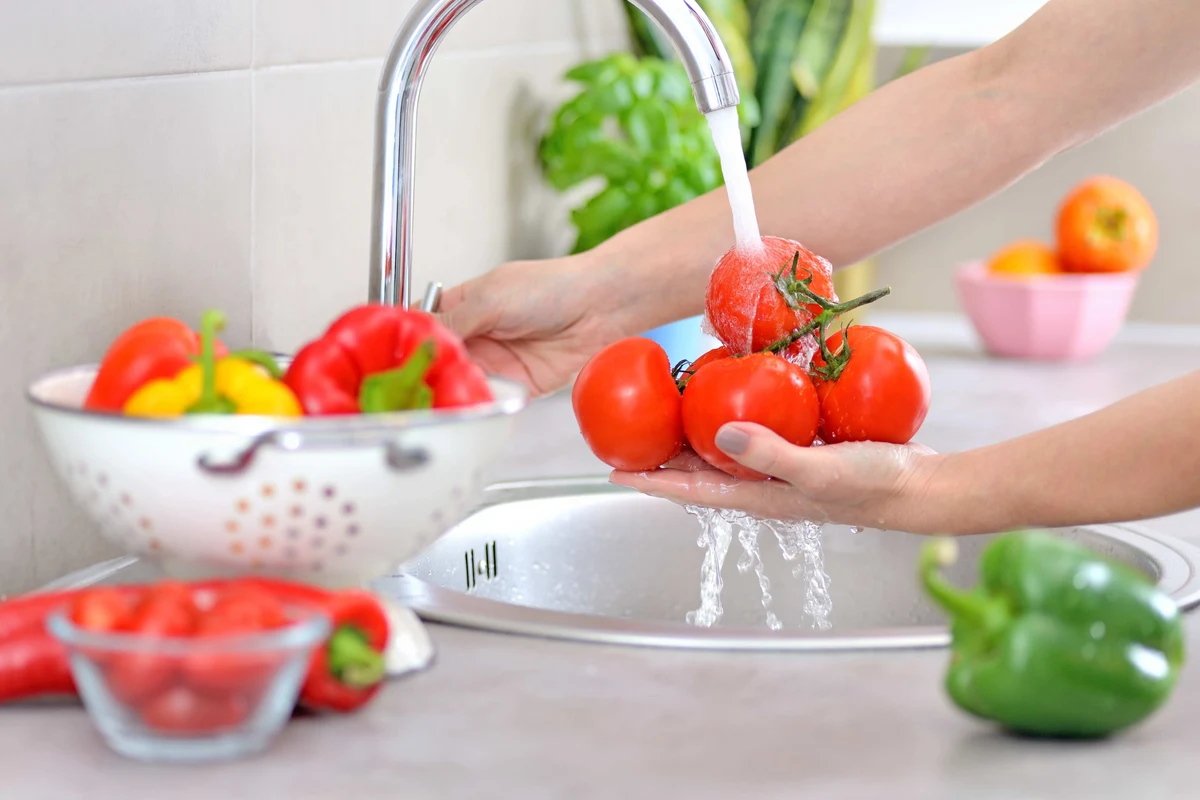
Baking soda works best as a mild alkaline cleaner. In the kitchen, that means it can help lift grime and may reduce certain residues that cling to produce skins, especially when the surface is waxy or uneven. It does not disinfect vegetables, and it should not be treated like a sanitizer.
If you are already familiar with how baking soda behaves in other cleaning jobs, such as the baking soda and vinegar reaction explained simply, the key idea here is different: for produce, the value comes from gentle loosening and rinsing, not fizzing.
How baking soda compares with plain water, vinegar, and produce washes
Plain water removes loose dirt and a good amount of surface debris, which is why it is still the baseline recommendation for most produce. Baking soda adds a mild cleaning boost, especially on firm fruits and vegetables with skins that trap residue.
Vinegar is often used by home cooks, but it is not clearly better than water for routine produce washing, and it can leave a taste if not rinsed well. Commercial produce washes may be convenient, but they are not always necessary, and official food safety guidance generally emphasizes running water and proper handling over specialty cleaners.
What the current evidence says about dirt, wax, and pesticide residue
The current evidence suggests that a baking soda soak can help remove some pesticide residue from the surface of certain produce better than water alone in some cases. That does not mean it removes everything, and it does not reach pesticides that have been absorbed into the plant tissue.
It can also help loosen waxy coatings on apples or cucumbers, though a produce brush is often still useful for stubborn spots. For dirt, the result is usually more visible than dramatic: the water turns cloudy, the surface feels cleaner, and the produce looks less dull.
Baking soda is alkaline, so it can help break the bond between some surface residues and the produce skin without needing harsh scrubbing.
Which vegetables benefit most from a baking soda wash
The best candidates are produce with firm skins, textured surfaces, or visible wax. That is where a baking soda wash tends to do the most practical work for home cooks.
Best candidates: apples, potatoes, cucumbers, leafy greens, and berries
Apples and cucumbers often have a smooth outer layer that can hold wax or residue. Potatoes can benefit because soil and grit cling to the skin and creases, especially around the eyes and shallow cuts.
Leafy greens may benefit when dirt is trapped in folds, though they need careful handling so they do not bruise or wilt. Berries are more delicate, but a very brief soak or rinse can help if they are especially dusty, as long as you handle them gently and dry them well.
When baking soda is less useful or may be unnecessary
Very delicate produce, such as soft herbs, ripe peaches, or tender greens, can lose texture if soaked too long. In those cases, a cold water rinse is often enough.
Pre-washed bagged greens usually do not need another wash unless the package directions say otherwise or you see visible debris. If you are unsure whether a rinse is needed, follow the label and use common sense rather than adding extra handling.
- Helps loosen surface grime on firm produce
- May reduce some residue better than water alone
- Low-cost and easy to keep in the pantry
- Not a sanitizer
- Can be unnecessary for already-clean produce
- Too much soaking can soften delicate items
The safe baking soda method for washing vegetables step by step
The safest method is simple, gentle, and short. You want enough contact time to loosen residue, but not so much that the produce absorbs water or loses texture.
Recommended ratio, soaking time, and water temperature
A practical home ratio is about 1 teaspoon of baking soda per 2 cups of water, or a similar mild solution in a bowl large enough to cover the produce. The exact amount is flexible, but stronger is not better.
Use cool or lukewarm water, not hot water. Soak firm produce for about 10 to 15 minutes, then move straight to rinsing. Delicate produce should get a much shorter soak or just a quick dip and rinse.
- Remove damaged leaves or badly bruised spots
- Wash your hands and clean the sink or bowl first
- Separate very delicate produce from firm produce
- Rinse visibly dirty items before soaking if needed
How to rinse thoroughly and dry produce properly
After soaking, rinse each item under cool running water to remove loosened debris and any baking soda film. This step matters because the soak does the loosening, while the rinse carries the residue away.
Dry produce with a clean towel, paper towel, or salad spinner, depending on the item. Drying matters more than many home cooks think, because leftover moisture can speed up mold, soften skins, and make greens collapse early in storage.
Set aside bruised, split, or moldy produce before washing. Washing cannot repair damage, and bad spots can spread quickly in storage.
Dissolve baking soda in cool water in a clean bowl or sink. Keep the solution mild so you clean the surface without over-soaking the produce.
Let firmer vegetables sit for a short time, then gently move them around with clean hands. Avoid long soaks, especially with berries, herbs, and tender greens.
Rinse under running water and dry completely. For leafy greens, a salad spinner is often the easiest way to remove hidden water from the leaves and stems.
Practical example: washing a mixed grocery haul
For a mixed bag of apples, potatoes, cucumbers, and leafy greens, start with the firm items first. Soak the apples, potatoes, and cucumbers in the mild solution, then scrub the potatoes lightly with a clean brush if needed.
Rinse and dry those items, then wash the greens separately with a shorter soak or a cold water rinse. Keeping the steps separate helps prevent dirt from one item from settling onto another, which is a small but common kitchen mistake.
Common mistakes that reduce safety or effectiveness
Most problems come from overdoing the process or assuming baking soda does more than it really can. A careful routine is usually better than a stronger mixture.
Using too much baking soda or soaking too long
Too much baking soda can leave a film or change the texture of delicate produce. Long soaking can make berries mushy, greens limp, and cut surfaces waterlogged.
If the goal is clean produce, not softened produce, keep the solution mild and the soak brief. That is especially important when you are preparing ingredients for a fresh salad or a garnish where texture matters.
Skipping the final rinse or washing produce too early
Skipping the rinse leaves residue on the surface, which can affect taste and feel. It can also leave loose dirt behind, which defeats the whole point of washing.
Washing produce too early can also shorten shelf life, especially for berries and greens. If you do not plan to use everything right away, wash only what you need or dry the produce extremely well before storage.
Confusing cleaning with sanitizing
Cleaning removes visible dirt and some surface residue. Sanitizing is different and much harder to do safely at home without the right product and instructions.
Baking soda is a cleaning aid, not a guarantee against germs. For food safety basics, it is still smart to follow recognized guidance from sources like USDA and FDA on washing produce, hand hygiene, and cross-contamination prevention.
Do not assume a baking soda wash makes produce safe if it has been contaminated by dirty water, poor storage, or contact with raw meat juices. If cross-contamination is possible, discard the food or use strict food safety steps instead of relying on washing alone.
Food safety limits every home cook should know
Baking soda can help with surface cleaning, but it has clear limits. Knowing those limits is what makes the method safe rather than risky.
Why baking soda does not remove all germs, pesticides, or damaged spots
Some germs stick tightly or are carried into crevices where a soak cannot reach. Likewise, pesticides that have moved into the plant tissue are not removed by surface washing.
Damaged spots are another issue. If a vegetable is moldy, slimy, or deeply bruised, washing will not fix it. At that point, the safest choice is usually to discard the affected item.
Use a clean bowl, sink, brush, and towel every time. A dirty washing station can spread contamination faster than it removes it.
When to discard produce instead of washing it
Throw away produce that has visible mold, a slimy feel, a sour smell, or deep rot. Small surface blemishes can sometimes be trimmed on firm vegetables, but soft or spreading damage is a different story.
If the produce has been sitting too long after being cut, or if it was stored warm and now feels off, do not try to rescue it with a wash. Washing is for cleaning, not for reversing spoilage.
Special caution for pre-cut, organic, and delicate produce
Pre-cut produce is more vulnerable because the protective skin is gone. If it is packaged and labeled as ready-to-eat, follow the package directions and do not add unnecessary handling unless you see a real reason to do so.
Organic produce can still have dirt or microbes on the surface, so it should be washed like any other produce. Delicate items like berries and herbs need a lighter touch because their structure breaks down quickly when soaked or squeezed.
How to dry, store, and handle vegetables after washing
Drying and storage are part of the washing process, not an afterthought. A well-washed vegetable can still spoil early if it is put away wet.
Preventing sogginess, mold, and texture loss
Moisture trapped in folds, stems, and leafy layers creates a soft environment where mold can grow faster. That is why a dry towel, salad spinner, or air-drying rack can make such a difference.
For firm vegetables, dry the surface before refrigerating so they do not develop a slimy film. For greens, remove as much water as possible without crushing the leaves.
Best storage approach for washed leafy greens, herbs, and firm vegetables
Washed leafy greens do best when they are fully dried, then stored in a container lined with paper towel or a clean cloth. This helps absorb extra moisture and keeps the leaves from sticking together.
Fresh herbs usually last longer if they are handled gently and stored with a little airflow. Firm vegetables like potatoes and cucumbers should be kept in conditions that match their normal storage needs, with extra attention to dryness after washing.
If you are washing a large batch for meal prep, dry everything completely before refrigerating. That one step often makes the biggest difference in texture and storage life.
When baking soda is the right choice and when another method is better
Baking soda is useful when you want a low-cost cleaning boost for produce with firm skins or visible residue. It is less useful when produce is already clean, fragile, or meant to be eaten soon after a simple rinse.
Best use cases for busy households and budget-conscious shoppers
If you buy a lot of apples, potatoes, cucumbers, or mixed produce from the store, baking soda can be a practical pantry helper. It is inexpensive, easy to measure, and simple to combine with the water you already use for washing.
It can also be helpful when you want one routine for many items without buying a separate produce wash. For households that cook often, that simplicity matters just as much as the cleaning effect.
Situations where a produce brush, cold water rinse, or no wash is preferred
A produce brush is often better for potatoes, carrots, and other firm vegetables with soil in grooves. A cold water rinse is usually enough for tender items that bruise easily.
Some packaged produce should be left alone if the label says it is ready to eat or already washed. If you are also comparing other pantry cleaning ideas, it can help to read related guides like baking soda for shoes cleaning or baking soda vinegar cleaning ovens to see how the ingredient behaves differently depending on the task.
Final verdict: is washing vegetables with baking soda safe and worth it
Yes, washing vegetables with baking soda is generally safe when you use a mild solution, short soak, thorough rinse, and proper drying. It is worth it for firm produce and for cooks who want a simple, affordable cleaning step with a little extra residue-lifting power.
Recap for everyday home use and shopping-day routines
Use baking soda as a gentle cleaning aid, not a disinfectant. Keep the soak brief, rinse well, and dry produce fully before storing or serving.
For many homes, the best routine is still the same: wash only what you need, handle produce carefully, and discard anything damaged or spoiled. That approach protects both texture and food safety.
What the Baking Pastry Schools Editorial Team recommends in practice
The Baking Pastry Schools Editorial Team recommends baking soda washing as a practical option, especially for apples, potatoes, cucumbers, and other firm produce with visible residue. For delicate greens, berries, or pre-washed items, a cold water rinse or minimal handling is often the smarter choice.
If you want the simplest rule to remember, make it this: use baking soda for gentle cleaning, use water for everyday rinsing, and use judgment for anything bruised, slimy, or already spoiled.
Washing vegetables with baking soda is safe and useful when done gently, but it works best as a cleaning step rather than a cure-all. For most kitchens, a mild soak followed by a thorough rinse and careful drying is the most practical approach.
Frequently Asked Questions
A mild mix of about 1 teaspoon per 2 cups of water is a practical home starting point. The goal is a gentle cleaning bath, not a strong solution.
No, overnight soaking is usually too long and can hurt texture. A short soak followed by a thorough rinse is the safer choice.
It may help reduce some surface residue on certain produce, but it does not remove everything. It cannot reach pesticides absorbed into the plant tissue.
Berries can be washed with a very gentle, brief rinse or soak if needed, but they are delicate. Handle them lightly and dry them well to avoid mushiness.
For routine produce washing, baking soda is not clearly superior to plain water for every item, and vinegar is not a guaranteed upgrade either. The best method depends on the produce type and how dirty it is.
Yes, but only after rinsing and drying them thoroughly. Extra moisture can lead to sogginess, mold, and shorter storage life.

