
What Does Baking Soda Do to Gray Hair and Is It Safe
Baking soda can temporarily brighten gray hair by removing buildup, but it can also dry out the hair and irritate the scalp. It does not restore pigment, so gentler clarifying and moisturizing options are usually safer.
Gray hair can look bright and elegant, but it can also pick up yellowing, dullness, or rough texture. Baking soda is often suggested as a quick fix, but the real answer to what does baking soda do to gray hair is more complicated: it can strip buildup and make hair look temporarily cleaner, yet it can also dry out the hair and scalp fast.
- Temporary effect: Baking soda may remove residue that makes gray hair look dull.
- Main risk: Its high pH can dry out fragile gray strands and stress the scalp.
- Not a color fix: It cannot reverse graying or bring back lost pigment.
- Safer options: Clarifying shampoo, purple shampoo, and chelating treatments are usually better.
What Baking Soda Actually Does to Gray Hair: The Real Science Behind the Trend
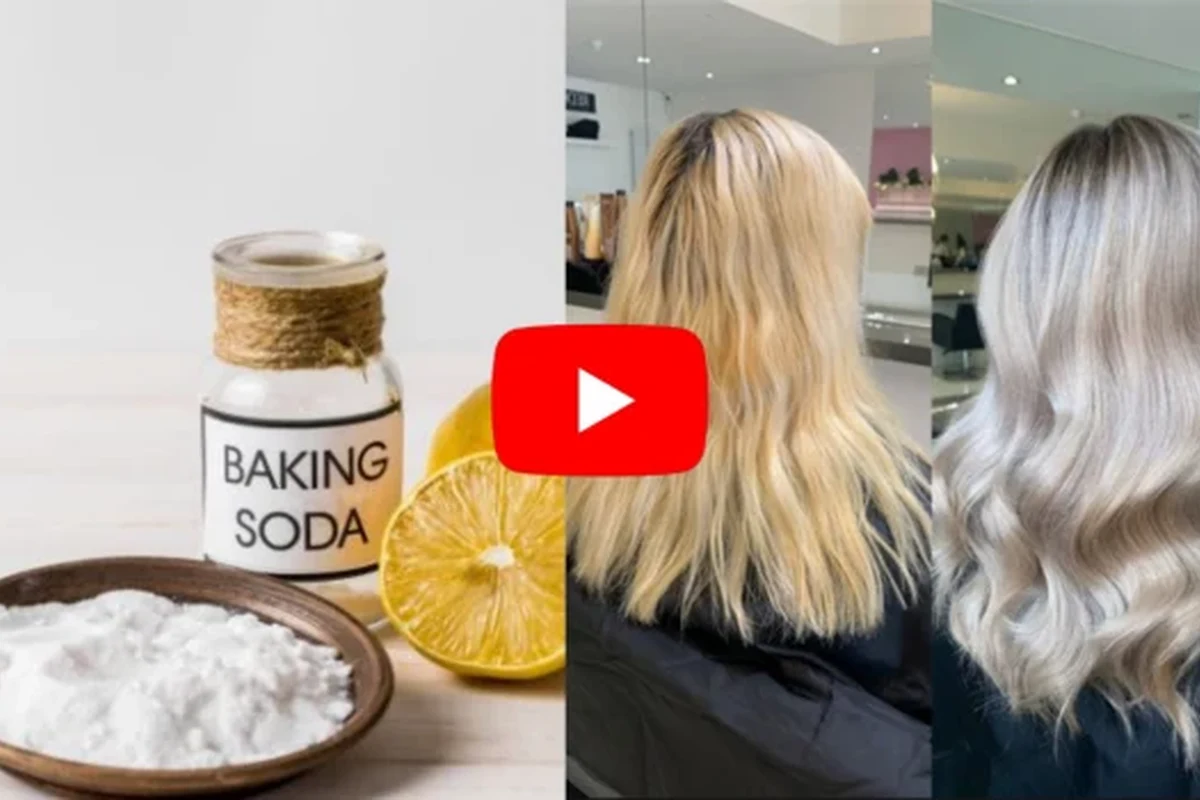
Baking soda is alkaline, which means it has a high pH. Hair and scalp are naturally more acidic, so when baking soda is applied to hair, it can lift the cuticle slightly and loosen oils, product residue, and some surface stains.
That cleaning effect is why some people think it “brightens” gray hair. In reality, it is usually removing dulling buildup rather than changing the hair itself. If you want to understand how surface residue affects appearance in other kitchen tools too, our article on air fryer liners explains how a simple barrier can change cleanup and results without changing the food.
How baking soda interacts with hair cuticle, scalp oils, and pigment changes
Gray hair tends to have a more open or uneven cuticle than healthy, pigmented hair. Once the cuticle is raised, the strand can feel rougher and lose shine more easily. Baking soda can remove scalp oils and styling residue, but it does not “fix” the cuticle or restore missing pigment.
Because gray hair lacks melanin, it often shows surface staining more clearly. That means yellow tones from smoke, hard water, pollution, or heavy products may stand out more on gray strands than on darker hair.
Why gray hair can react differently than pigmented hair
Gray hair is often drier and more fragile, especially if it is coarse or wiry. When the cuticle is already lifted or worn, an alkaline treatment can make the hair feel even more brittle.
That is why two people can use the same baking soda mixture and get very different results. One may see a short-lived brighter look, while another ends up with frizz, tangles, or a straw-like texture.
Why People Try Baking Soda on Gray Hair in the First Place
Most people do not reach for baking soda because they want to change gray hair color. They usually want to remove the things that make gray hair look dull: buildup, yellowing, or a coated feeling on the strands.
Common goals: removing yellowing, buildup, or dullness
Gray hair can pick up residue from leave-ins, hairspray, dry shampoo, and mineral-heavy water. When that happens, the hair may look less silver and more flat or cloudy. Baking soda is popular because it is cheap, easy to find, and associated with strong cleaning power.
Some people also use it to address a “gunky” feeling at the roots after several days without washing. In those cases, the appeal is less about hair color and more about resetting the scalp and hair surface.
Examples of at-home use cases and why the method became popular online
Online beauty advice often spreads because the before-and-after effect can be immediate. If someone had heavy product buildup, a single wash may make gray hair look lighter and more reflective.
That quick visual change is easy to mistake for a true treatment. But in most cases, the effect is temporary and depends on how much residue was there to remove in the first place.
Gray hair often shows yellowing more visibly because it lacks the natural pigment that can help mask surface stains and buildup.
Is Baking Soda Safe for Gray Hair and the Scalp?
For most people, baking soda is not the gentlest choice for regular hair care. A one-time use may not cause obvious damage, but repeated use can be harsh, especially on dry or processed gray hair.
The risks of high pH, dryness, and cuticle damage
High-pH products can lift the hair cuticle too much, which makes strands lose moisture more easily. That can leave gray hair feeling rough, tangled, or harder to manage.
The scalp can also react badly. If the skin barrier is already sensitive, baking soda may cause tightness, itching, or a stinging sensation. For general safety around strong household ingredients, it is smart to treat DIY hair care with the same caution you would use for hot equipment or sharp tools in the kitchen.
Do not use baking soda on a scalp that is irritated, scratched, sunburned, or inflamed. Stop immediately if you feel burning, see redness, or notice increased shedding or breakage.
Who should avoid it: color-treated hair, sensitive scalps, and brittle strands
Color-treated hair can be especially vulnerable because alkaline products may fade color faster or make the surface feel uneven. Brittle gray hair, bleached hair, and tightly curled hair that is already dry should also be treated carefully.
If your scalp is sensitive, if you have eczema or dermatitis, or if your hair snaps easily when wet, a gentler cleanser is usually a better choice. When in doubt, a dermatologist can help if scalp symptoms are persistent or severe.
Signs the treatment is too harsh or causing breakage
Warning signs include a squeaky-clean feeling that quickly turns into dryness, excessive tangling, frayed ends, and extra hair in the drain or brush. Hair that feels rough even after conditioner is another clue that the treatment was too aggressive.
If the hair looks brighter but feels weaker, that is not a good trade. Healthy gray hair should still feel flexible, soft enough to detangle, and manageable after washing.
Always dilute any DIY hair mixture well and avoid rubbing it into the scalp with force. Strong scrubbing can create friction damage, especially on fragile gray strands.
What Baking Soda Can and Cannot Do for Gray Hair
Baking soda can sometimes make gray hair look cleaner for a short time. It cannot change the biology of gray hair, and it cannot replace a proper toning or clarifying routine when the issue is more than surface buildup.
Temporary brightening versus actual color change
The main benefit is temporary brightening. If the hair was coated with oils, styling residue, or mineral film, removing that layer may help the silver tone show through more clearly.
That is not the same as dyeing, toning, or restoring natural color. The effect usually fades after the next few washes, especially if the hair picks up residue again.
Why it won’t restore pigment or reverse graying
Gray hair happens because pigment production in the follicle changes over time. Baking soda works on the outside of the strand, not at the follicle where color is made.
So even if it makes the hair look a bit brighter, it will not bring back melanin. Any product claiming to reverse gray hair with a simple wash should be treated with caution.
Limitations when dealing with stubborn stains, product buildup, or hard-water residue
Baking soda may help with some soft buildup, but it is not always the best answer for mineral stains or hard-water residue. In fact, hard water can leave deposits that need a chelating or clarifying product designed for that purpose.
For stubborn yellowing, purple shampoo or a salon toner may be more effective. If the issue is heavy buildup, a properly formulated clarifying shampoo is usually more predictable and less damaging than an alkaline DIY mix.
- Can remove some surface buildup quickly
- May make gray hair look temporarily brighter
- Cheap and easy to find
- Can dry out fragile gray hair
- Does not restore pigment
- May irritate the scalp or worsen breakage
Common Mistakes People Make When Using Baking Soda on Hair
Most problems come from overuse, poor dilution, or rough handling. A gentle approach matters because gray hair often needs more moisture and less friction than younger, pigmented hair.
Using it too often or in too strong a mixture
Frequent use increases the chance of dryness and cuticle damage. A strong paste can be especially harsh because it concentrates the alkaline effect on the same areas of hair and scalp.
If someone tries it once and likes the result, the temptation is to repeat it often. That is where many people run into trouble, because the hair may look cleaner at first but become weaker over time.
Scrubbing aggressively instead of treating gently
Rubbing hard does not improve cleaning in the way people expect. It creates more friction, which can rough up the cuticle and lead to frizz or breakage.
Think of it like a delicate pastry crust: too much handling ruins the structure. Hair needs the same kind of restraint, especially when it is dry or porous.
Mixing it with other harsh DIY ingredients
Some DIY recipes combine baking soda with lemon juice, vinegar, or other strong ingredients. Those mixtures can be unpredictable, and they may irritate the scalp or leave the hair feeling stripped.
Acid and alkali do not make a safer hair treatment just because they are common pantry items. If you are experimenting, keep the formula simple and stop if the hair feels rough or the scalp becomes uncomfortable.
- Use the mildest effective cleanser first
- Condition well after any clarifying wash
- Test on a small section before full use
- Using baking soda as a routine shampoo
- Scrubbing the scalp hard
- Mixing it with other harsh ingredients
Safer Alternatives for Brightening and Caring for Gray Hair
If your goal is brighter-looking gray hair, there are usually safer and more targeted options than baking soda. The best choice depends on whether you are dealing with yellowing, buildup, dryness, or hard-water residue.
Clarifying shampoos, purple shampoos, and gentle chelating treatments
Clarifying shampoos are designed to remove residue without the same DIY guesswork. Purple shampoos can help reduce the appearance of yellow tones in gray or silver hair, though results vary by brand and how long the product is left on.
If hard water is the main issue, a chelating treatment may be more appropriate because it is formulated to bind mineral deposits. For readers who like to compare practical household cleaning approaches, our guide on air fryer preheating shows how using the right method for the job usually gives better results than forcing one universal fix.
Moisturizing masks and pH-balanced products for dry gray strands
Gray hair often benefits from moisture-rich conditioners, leave-ins, and masks that help the strand feel smoother. pH-balanced products are usually gentler on the cuticle, which matters when hair is already dry or porous.
Look for formulas that reduce friction and improve slip during detangling. That can make gray hair appear shinier without stripping it.
When salon treatments or a dermatologist are the better choice
If the yellowing is severe, the hair is heavily damaged, or the scalp is itchy and inflamed, a salon or medical professional may be the better route. A stylist can recommend toning or corrective care, while a dermatologist can evaluate scalp issues that go beyond ordinary dryness.
That is especially important if you notice sudden shedding, patchy irritation, or a reaction after using DIY treatments. Those signs deserve more than a quick home fix.
How to Decide Whether Baking Soda Is Worth Trying on Your Gray Hair
The safest way to decide is to look at your hair type, your scalp condition, and what problem you are actually trying to solve. Baking soda is not a general gray-hair solution; at best, it is a short-term cleanup method for specific buildup problems.
Practical decision factors: hair texture, scalp condition, and maintenance goals
If your gray hair is coarse, dry, or already fragile, the risk usually outweighs the benefit. If your scalp is calm and your main issue is a one-time buildup from styling products, a very cautious test may be reasonable for some people.
Maintenance goals matter too. If you want soft, shiny gray hair every week, a gentler routine will usually be easier to sustain than repeated baking soda washes.
When a short-term DIY fix makes sense versus when to skip it
A short-term DIY fix may make sense if you are dealing with a one-off dull look and you understand the limitations. It is less appropriate if you already know your hair is dry, color-treated, or breakage-prone.
If you have to choose between “brighter for one day” and “healthier for the long term,” the second option is usually the smarter one.
Recap of the safest approach for keeping gray hair healthy and bright
The best answer to what does baking soda do to gray hair is this: it can remove buildup and sometimes make gray hair look brighter, but it can also be too harsh for regular use. It does not restore pigment, and it is not the safest path for dry or sensitive hair.
For most people, a gentle clarifying shampoo, a purple shampoo when needed, and regular moisturizing care will do more good with less risk. If you want bright gray hair that still feels soft and strong, choose the mildest method that solves the real problem.
Results can vary based on hair porosity, product buildup, water quality, and how often you wash. When a product recommendation or salon treatment is involved, check the label or ask a professional before use.
Frequently Asked Questions
No. It may remove buildup that makes gray hair look dull, but it does not truly change the hair color.
Yes. Because it is alkaline, it can dry out the hair and make fragile gray strands more prone to roughness and breakage.
There is no ideal regular schedule because it can be harsh. If someone uses it at all, it should be rare and followed by conditioning.
A purple shampoo or a clarifying product made for buildup is usually a better choice. If hard water is the issue, a chelating treatment may help more.
Gray hair can pick up yellow tones from product residue, smoke, pollution, hard water, or UV exposure. Without pigment, those stains are easier to notice.
Yes, they usually should. If your scalp stings, itches, or gets red easily, a gentler product is a safer option.

