
Is Baking Soda Harmful to Dogs What Every Owner Should Know

Yes, baking soda can be harmful to dogs if they swallow too much, especially small dogs or dogs with health problems. A tiny accidental taste may not cause issues, but larger amounts need prompt veterinary guidance.
Baking soda is common in kitchens, but it can be harmful to dogs if they eat too much. The risk depends on the amount, your dog’s size and health, and how quickly you act.
- Amount matters: Small accidental tastes are less risky than eating spoonfuls or a pile of powder.
- Symptoms to watch: Vomiting, diarrhea, drooling, weakness, tremors, and collapse can signal a serious problem.
- Act fast: Remove access, note the amount, and call a veterinarian or pet poison hotline.
- Prevention helps: Store baking soda sealed and out of reach, and clean spills right away.
- Do not guess: Avoid home remedies or induced vomiting unless a professional tells you to.
What Baking Soda Is and Why Dogs React to It
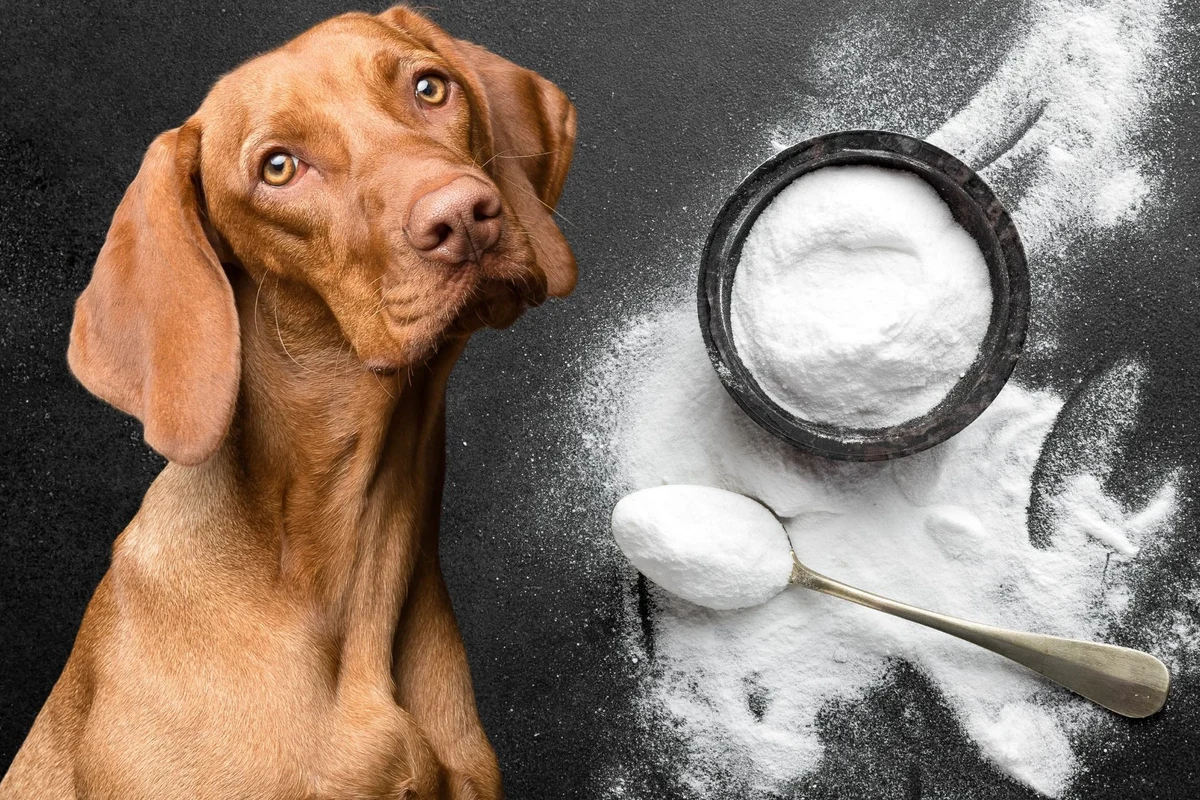
Baking soda is sodium bicarbonate, a white powder used in baking, cleaning, and deodorizing. In the kitchen, it helps batters rise by releasing carbon dioxide when it reacts with acid and moisture, but in a dog’s body it can create a different kind of problem: too much sodium and a shift in acid-base balance.
How sodium bicarbonate works in the body
When a dog ingests baking soda, the sodium can be absorbed into the bloodstream and raise sodium levels. Large amounts may also irritate the stomach and intestines, leading to vomiting or diarrhea, and in more serious cases can affect the nervous system.
This is why a tiny lick is not the same as swallowing a pile of powder. The body can usually handle small accidental tastes, but larger amounts can overwhelm a dog’s ability to keep fluid and electrolyte balance stable.
Why dogs are more vulnerable to accidental exposure
Dogs explore with their noses and mouths, and a loose container or spilled ingredient can look like a harmless snack. Curious puppies, small dogs, and dogs with a habit of counter surfing are especially likely to get into baking ingredients left within reach.
Exposure also happens because baking soda is used in many places around the home, not just in baking. If you are comparing common kitchen ingredient questions, it may help to read related guides like is baking soda and baking powder the same and can you use baking soda instead of baking powder safely, since confusion between pantry ingredients often leads to storage mistakes.
Dogs do not react to baking soda the way baked goods do. In a recipe, it is a leavening ingredient; in a pet exposure, the concern is toxicity from too much sodium and digestive irritation.
How Much Baking Soda Is Harmful to Dogs
There is no single safe “one-size-fits-all” amount because risk depends on the dog and the exposure. A small taste from a countertop spill may cause no symptoms, while a larger ingestion from a bag, box, or homemade mixture can become urgent.
Small taste vs. larger ingestion
A few licks from a dusting on the floor are usually less concerning than a dog that swallowed a mouthful from an open container. The danger rises when the powder is eaten dry, mixed into food, or consumed repeatedly over a short period.
If the amount is unknown, it is safest to treat the situation seriously and call for guidance. Pet poison hotlines and veterinarians can help you judge whether home monitoring is reasonable or whether the dog needs to be seen right away.
Factors that change risk: size, age, and health conditions
Small dogs are more vulnerable because the same amount represents a larger dose relative to body weight. Puppies may also be at higher risk because they are curious and less able to tolerate fluid or electrolyte changes.
Dogs with heart disease, kidney disease, high blood pressure, or a history of seizures may be more sensitive to sodium-related problems. If your dog already has a medical condition, do not assume a minor exposure is harmless.
Practical examples of low-risk and high-risk exposures
Low-risk situations might include a tiny lick from a baking spill on the floor or a light dusting on a paw that was quickly wiped away. Even then, watch for unusual drooling, vomiting, or behavior changes over the next several hours.
Higher-risk situations include chewing into a box of baking soda, eating spoonfuls from a bowl used for deodorizing, or swallowing a homemade mixture. A dog that gets into a cleaning product blend containing baking soda may also be exposed to other ingredients, which can change the risk completely.
Keep baking soda in a sealed container, off the floor, and away from pet-accessible counters. A closed pantry door is safer than leaving an open box near baking supplies or cleaning tools.
Signs of Baking Soda Toxicity in Dogs Owners Should Watch For
Symptoms can start with mild stomach upset and progress if the exposure was large. The earlier you notice changes, the easier it is to get help before the problem becomes more serious.
Early symptoms after eating or licking baking soda
Early signs often include vomiting, diarrhea, drooling, and a swollen or uncomfortable belly. Some dogs may also seem restless, drink more water than usual, or refuse food.
These symptoms are not specific to baking soda alone, but they matter because they can be the first clue that your dog ate something they should not have.
Serious warning signs that need urgent attention
Call a veterinarian right away if your dog seems weak, wobbly, confused, trembly, or unusually sleepy. Seizures, trouble breathing, collapse, or repeated vomiting are emergency signs.
Severe sodium imbalance can affect the brain and muscles, so do not wait for symptoms to “pass on their own” if they are intense or getting worse.
How symptoms may differ by amount ingested
Smaller exposures may cause only mild stomach upset or no obvious symptoms at all. Larger exposures are more likely to cause repeated vomiting, marked lethargy, muscle tremors, or neurologic signs.
The timing can vary too. Some dogs show signs quickly, while others may seem normal at first and worsen later, which is why observation matters after any known ingestion.
Baking soda is also used in some household cleaning routines, which means exposure often happens outside the baking process. A kitchen ingredient can become a pet safety issue long before it is ever mixed into a recipe.
What to Do If Your Dog Eats Baking Soda
Stay calm and move quickly. The goal is to prevent further access, estimate the exposure, and get professional advice before trying any home treatment.
Immediate steps to take at home before calling for help
First, remove the container or spill so your dog cannot eat more. If powder is on the fur or around the mouth, gently wipe it away with a damp cloth to reduce the chance of licking more.
Next, try to estimate how much may have been eaten and note your dog’s size, age, and any health problems. That information helps the veterinarian decide how serious the exposure may be.
When to contact a veterinarian or pet poison hotline
Contact your veterinarian or a pet poison hotline as soon as you know or strongly suspect your dog ate baking soda. Do this even if your dog seems normal, especially if the amount is unknown or your dog is small.
If your dog already has symptoms, contact help immediately. Fast guidance is especially important if the baking soda was part of a larger homemade mixture or if another ingredient may also be toxic.
What not to do, including unsafe home remedies
Do not induce vomiting unless a veterinarian specifically tells you to do so. Do not give salt, oil, milk, or random kitchen remedies in an attempt to “neutralize” the exposure.
Also avoid waiting for a symptom to become severe before calling. Baking soda toxicity can become more complicated if treatment is delayed, and the safest next step is professional advice rather than guesswork.
Do not treat pet poisoning with homemade remedies unless a veterinarian instructs you to. Some well-meaning internet fixes can make electrolyte problems, aspiration risk, or stomach irritation worse.
Where Baking Soda Exposure Happens in the Home
Most exposures are accidental, not intentional. The common thread is access: open containers, spills, and products left where a dog can investigate them.
Kitchen and pantry storage mistakes
An open box on a low shelf, a bag left on the counter, or a scoop resting in a container can all create easy access. Dogs are quick to investigate anything that smells interesting, especially if flour, sugar, or butter residue is nearby.
Storage habits matter as much as the ingredient itself. If you already keep an eye on pantry organization, the same principle applies to baking soda as to other ingredients that should stay sealed and out of reach.
Cleaning, deodorizing, and litter box use around pets
Baking soda is often sprinkled on carpets, rugs, mattresses, trash bins, or litter areas to reduce odors. A dog may lick the powder directly or inhale and then lick residue from paws or fur.
It is also common to pair baking soda with other cleaners. If you use it in a cleaning project, remember that some combinations create stronger reactions or leave residues that are not pet-friendly, which is why it helps to read about baking soda vinegar cleaning ovens and baking soda in laundry benefits before using it broadly around the house.
Common baking and cooking scenarios that create accidental access
Spilled measuring cups, mixing bowls left on the floor, and a dropped spoon full of dry ingredients are all easy ways a dog can get into baking soda. This is especially true during busy prep times when people move quickly between the counter, sink, and oven.
Countertop dusting can also be a problem if a dog jumps up after the cook walks away. Even a small amount on a wet nose or tongue can become a bigger issue if the dog keeps licking.
Safer Ways to Use Baking Soda Around Dogs
You do not have to ban baking soda from your home. You do need a few habits that keep it away from curious pets and reduce the chance of accidental ingestion.
Pet-safe cleaning habits and storage practices
Store baking soda in a sealed container high in a pantry or cabinet that your dog cannot reach. Clean spills right away, and keep dogs out of the area until the floor, counters, or fabric are fully cleaned and dry.
If you use baking soda for odor control, apply it sparingly and vacuum or wipe it up completely. Loose powder left behind is the main problem, not the idea of using it at all.
Using alternatives when deodorizing or cleaning pet areas
In some pet areas, a simple wash with pet-safe soap and water may be better than adding powders or strong mixtures. For fabrics and carpets, choose products labeled for pet use and follow the manufacturer’s directions carefully.
If you are unsure whether a cleaner is safe near animals, check the label and keep pets away until the surface is dry and ventilated. That is especially important for any product that contains bleach, ammonia, essential oils, or other irritants.
How to reduce risk during baking and food prep
Set ingredients out only when needed and return them to storage right after use. Keep your dog out of the kitchen during active prep so you are not balancing a hot tray, sharp tools, and a curious nose at the same time.
Good baking habits help here too: measure carefully, clean spills quickly, and avoid leaving bowls within reach. If you want to reduce pantry confusion, it can also help to keep recipe ingredients clearly labeled and stored separately from cleaning supplies.
When Baking Soda Is Used in Pet Care and Why Caution Still Matters
Some people use baking soda in homemade pet care ideas, but that does not make it automatically safe. A kitchen ingredient can still be risky when it is used in the wrong amount or applied in the wrong place.
Why homemade pet treatments can be risky
Homemade treatments often lack clear dosing, and pets do not all respond the same way. A mixture that seems gentle to a person may be irritating if a dog licks it, inhales it, or gets too much on the skin.
There is also a practical problem: once a dog licks a homemade product, you may not know how much was swallowed. That makes it harder to judge whether the exposure is minor or dangerous.
Cases where veterinary guidance is essential
Always ask a veterinarian before using any baking soda product on a dog with skin problems, ear issues, or mouth irritation. Guidance is also important for puppies, senior dogs, and dogs with chronic illness.
If your dog has eaten a homemade mixture, do not assume the baking soda is the only concern. Other ingredients in the mixture may be more dangerous than the powder itself.
Common myths about baking soda and dog health
One myth is that baking soda is harmless because it is a pantry ingredient. Pantry ingredients can still be dangerous in the wrong dose, just as too much of anything can become a problem.
Another myth is that baking soda can always be used as a quick fix for odors or pet care. In reality, safe use depends on the task, the amount, and whether your dog can reach the product afterward.
- Store baking soda in a sealed, high cabinet
- Clean spills immediately and keep pets away
- Call a veterinarian if your dog eats an unknown amount
- Leaving open boxes on counters or floors
- Using salt or other home remedies without guidance
- Assuming small dogs can tolerate the same amount as large dogs
Final Verdict: Is Baking Soda Harmful to Dogs?
Yes, baking soda can be harmful to dogs, especially if they swallow a large amount or if they are small, young, or already have health problems. A tiny accidental taste may cause no issue, but it is still worth monitoring and, when in doubt, asking a professional for advice.
Clear recap for prevention-minded dog owners
The safest approach is to keep baking soda sealed, stored out of reach, and cleaned up quickly if it spills. Watch for vomiting, diarrhea, drooling, weakness, tremors, or unusual behavior after any exposure.
Best next steps for keeping baking ingredients and pets safe
If your dog eats baking soda, contact your veterinarian or a pet poison hotline promptly and do not rely on internet remedies. For everyday prevention, treat baking soda like any other household product that should be handled carefully around pets.
Baking soda is not automatically dangerous in every tiny exposure, but it is absolutely capable of harming dogs in larger amounts. Safe storage, quick cleanup, and fast veterinary guidance are the best ways to protect your pet.
Frequently Asked Questions
A tiny lick may cause no symptoms, but it can still irritate the stomach. Watch your dog closely and call a veterinarian if the amount is unknown or if symptoms appear.
Look for vomiting, diarrhea, drooling, weakness, tremors, or unusual sleepiness. Severe signs like collapse, seizures, or trouble breathing need urgent veterinary care.
Do not induce vomiting unless a veterinarian or pet poison hotline tells you to do so. Unsafe home remedies can make the situation worse.
Yes, small dogs can be at higher risk because the same amount is a larger dose for their body weight. Puppies and dogs with kidney or heart disease may also be more vulnerable.
Yes, exposure can happen from spills, deodorizing powders, or cleaning mixtures left within reach. Keep pets away until surfaces are cleaned and dry.
Call as soon as you know or suspect your dog ate more than a tiny taste, especially if your dog is small or has symptoms. If the amount is unknown, professional guidance is the safest next step.