
Baking Soda and Vinegar to Unclog Toilet Fast and Easy

Baking soda and vinegar can help with a mild toilet clog, but they are not strong enough for solid blockages or recurring drain problems. Use one careful attempt, then switch to a plunger or call a plumber if the bowl does not drain.
If you are dealing with a slow or partially blocked toilet, the baking soda and vinegar to unclog toilet method is a simple first try. It can help with mild buildup, but it is not a fix for every clog or every plumbing problem.
- Best for mild clogs: Works most often on soft buildup, light paper, and slow drainage.
- Use safe amounts: Start with 1 cup baking soda and 1 to 2 cups vinegar.
- Do not overflush: Repeated flushing can cause overflow and more cleanup.
- Avoid chemical mixing: Never combine with bleach or other toilet cleaners.
- Know when to stop: Recurring clogs or backups in other drains need a plumber.
Baking Soda and Vinegar to Unclog Toilet: What This Method Can and Cannot Fix
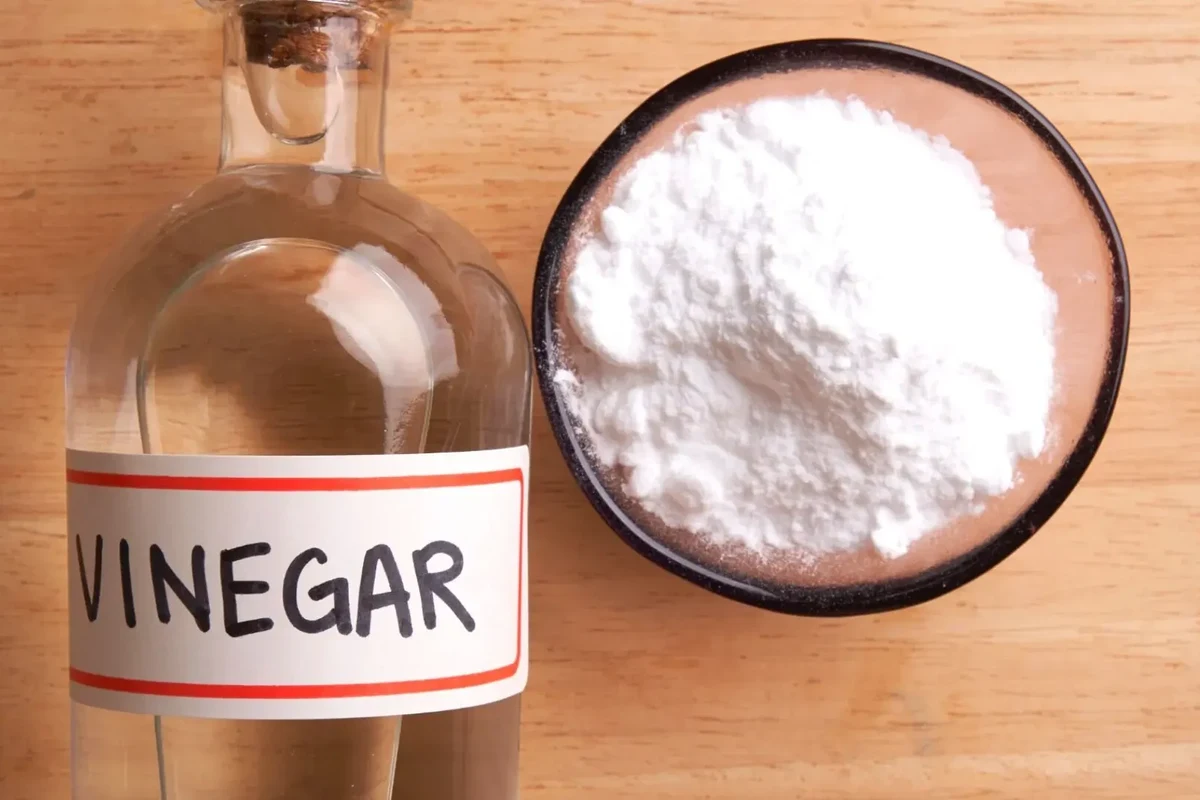
This DIY drain trick stays popular because it is inexpensive, easy to try, and uses common household items. It also feels less aggressive than chemical drain openers, which matters when you want to protect older pipes or avoid harsh fumes.
For readers who want the science behind the fizz, our guide to the baking soda and vinegar reaction explained simply covers why the mixture bubbles and where that reaction has real limits.
Why this DIY drain trick is popular in 2026
People still reach for this method because it is low-cost, easy to find, and usually safe to test once when used carefully. It also fits the modern preference for simpler home maintenance before moving to stronger chemicals or calling for help.
The appeal is practical, not magical. If the clog is soft, recent, and close to the toilet trap, the fizz and added water movement may help loosen it enough to drain.
When a toilet clog is mild, moderate, or a sign of a bigger plumbing issue
A mild clog usually means the bowl drains slowly, the water rises a little, and then goes down on its own. A moderate clog may need a plunger, but the toilet still has some movement and does not overflow immediately.
A bigger plumbing issue is more likely when multiple fixtures drain slowly, gurgling happens in nearby sinks, or the toilet backs up repeatedly after clearing. That pattern points beyond a simple bowl clog and may involve a vent, branch line, or main drain issue.
Signs the problem is not a simple clog and needs a plumber
If the water level keeps rising after one careful attempt, stop and do not keep flushing. If you smell sewage, hear repeated gurgling, or notice backups in more than one drain, the problem may be deeper in the system.
Do not keep trying home remedies if sewage is backing up, the bowl is close to overflowing, or the toilet is the only fixture affected by a stubborn blockage that returns quickly. Those are signs to call a licensed plumber.
How Baking Soda and Vinegar Work in a Toilet Drain
This method works by combining a mild base and a mild acid. The reaction creates fizzing carbon dioxide, which can help disturb soft debris and loosen residue stuck to the porcelain or drain walls.
The role of baking soda as a mild alkaline cleaner
Baking soda is a gentle alkaline powder that can help lift odors and loosen greasy or slimy residue. In a toilet, it is not strong enough to break down solid waste on its own, but it can help change the surface conditions inside the bowl and trap.
That is why baking soda is often used in cleaning tasks beyond the kitchen, including clean drains with vinegar and baking soda and odor control around the home.
What vinegar actually does during the reaction
Vinegar is acidic, so when it meets baking soda it reacts quickly and produces foam and bubbles. That movement can push into small gaps around soft buildup, especially if the clog is partly made of paper or residue.
However, vinegar does not “melt” most toilet clogs. It is better understood as a gentle cleaner and reaction partner than a powerful drain dissolver.
Why the fizz helps loosen buildup but does not dissolve everything
The fizz creates motion, and motion can help break apart small, soft clumps. That is useful when the blockage is light and the drain is only partially restricted.
In drain cleaning, mechanical movement often matters as much as chemistry. A bubbling reaction may help shift debris, but it usually cannot replace a plunger or toilet auger for firmer clogs.
Hard objects, thick paper masses, and items that should never be flushed will not be dissolved by this reaction. If the clog is solid, the best fix is usually physical removal.
Ingredients, Ratios, and Tools You Need for the Toilet Method
Keep the setup simple so you can work quickly and avoid spills. You do not need a long list of supplies, but you do need enough control to prevent the bowl from overflowing.
Recommended amount of baking soda and vinegar for one toilet attempt
For one attempt, use about 1 cup of baking soda followed by 1 to 2 cups of vinegar. That amount is usually enough to create fizz without filling the bowl too much.
If your toilet bowl already has a high water level, use less liquid and wait before adding more. The goal is to work with the clog, not force an overflow.
Optional hot water, dish soap, and a toilet brush
Some people add a small amount of warm water to help move the mixture toward the trap, but avoid very hot water because porcelain can crack from sudden temperature changes. A little dish soap can help with slick residue, though it should not be used with bleach or other cleaners.
For toilet clogs, a toilet brush can help gently stir the mixture near the drain opening, but it is not a substitute for a plunger or auger when the blockage is firm.
Safety basics before starting: gloves, ventilation, and splash control
Wear gloves and keep the bathroom ventilated if possible. Stand back when pouring vinegar, because the reaction can foam up quickly and splash contaminated water.
If you want to understand why some baking soda methods work better than others, you may also find our article on a baking soda trick that actually works fast and easy helpful for comparing realistic results.
Step-by-Step: Fast and Easy Toilet Unclogging Method
This method is best used when the clog is mild and the bowl is not close to overflowing. Work slowly, and stop if the water level starts rising too much.
If the bowl is already high, turn off the toilet supply valve behind the toilet. Check the water level first so you do not add more liquid to an already full bowl.
Pour 1 cup of baking soda directly into the bowl, aiming for the drain opening if possible. Let it settle for a minute so it can reach the water line and the clog area.
Pour 1 to 2 cups of vinegar in a steady stream. The mixture should fizz; if it foams too high, stop adding liquid and let it settle.
Leave the mixture for about 15 to 30 minutes. For a stubborn but still mild clog, a longer wait may help, but do not keep adding more and more liquid.
Turn the water back on if you shut it off, then flush once. If the bowl drains normally, you can stop; if not, repeat only one more time before switching methods.
Shutting off the water and checking the bowl level
Shutting off the supply valve is a smart precaution if the bowl is already near the rim. That gives you a little more control and reduces the chance of a messy spill.
If the water level is low and the clog is minor, you may not need to shut the valve off. Still, keep an eye on the bowl throughout the process.
Adding baking soda first, then vinegar in the correct order
The order matters because baking soda should be sitting in the bowl before the acid arrives. That lets the reaction happen right where you want it instead of mostly in a cup or bucket.
Pouring vinegar first can dilute the effect and make the reaction less focused on the clog area.
Waiting time, flushing test, and when to repeat once
Give the mixture time to work. In many cases, the fizzing settles before the residue loosens, so a short wait is often not enough.
After one test flush, repeat only once if the bowl still drains slowly. Repeated attempts can add too much liquid and make the problem worse.
How to use gentle plunging with the mixture if needed
If the bowl level is safe and the clog seems soft, a few gentle plunges can help push the loosened material through. Use slow, controlled pressure rather than fast, aggressive pumping, which can splash dirty water.
Use a toilet plunger only if the bowl has enough room to move without splashing over the rim. Keep your face and clothing back from the bowl while plunging.
Common Mistakes That Make the Toilet Clog Worse
The biggest problems usually come from rushing, using too much liquid, or expecting a mild reaction to solve a major blockage. A careful method is safer and more effective than a messy one.
Using too much liquid and causing overflow
More is not better here. Too much vinegar or added water can raise the bowl level and push waste toward the rim instead of through the drain.
Start with the recommended amount and wait. If the bowl is already high, reduce the liquid and focus on control.
Expecting the reaction to clear solid objects or heavy paper buildup
Baking soda and vinegar cannot reliably remove toys, wipes, sanitary items, or thick paper clumps. Those clogs need a plunger, auger, or plumber.
When a toilet is blocked by a solid item, chemical fizzing may only waste time and add more water to the bowl.
Mixing baking soda and vinegar with bleach or other cleaners
Never combine this method with bleach, ammonia, or commercial drain cleaners. Mixing cleaners can release dangerous fumes or create unpredictable reactions.
If a cleaner has already been used in the toilet, do not add vinegar or any other product until the bowl has been thoroughly flushed and cleaned according to the label instructions.
Forcing repeated flushes before the drain has opened
Flushing again and again when the clog is still there can make the bowl overflow. That is one of the fastest ways to turn a small issue into a bathroom cleanup.
If the first flush does not work, pause and decide whether to repeat once, plunge, or stop and call for help.
Best Use Cases and Realistic Examples of Success
This method is best for light, fresh clogs and for toilets that are draining slowly but not completely blocked. It is also useful when you want to try a gentle option before using tools.
- Low-cost and easy to try
- Gentler than harsh chemical cleaners
- Can help with mild residue and odor
- Not strong enough for solid clogs
- May not work on heavy paper buildup
- Can overflow if too much liquid is used
Toilets slowed by soft waste, light paper, or minor residue
These are the situations where the mixture has the best chance of helping. The fizz can disturb the soft material, and the added wait time may let the clog loosen enough to move.
Think of it as a mild assist, not a full drain restoration.
When the method may help freshen odor after a partial clog
If the toilet is draining but still smells unpleasant, baking soda can help reduce odor while the vinegar reaction loosens residue. That makes the method useful even when it does not fully solve the clog.
For more on odor control in other household settings, see our guide to baking soda for smoke odors, which explains how baking soda absorbs unwanted smells.
Examples of situations where a plunger or auger works better
A plunger is usually the better next step when the bowl is slow but still responsive. A toilet auger is better when you suspect a deeper blockage in the trap or just beyond it.
If the toilet keeps clogging after normal use, the issue may be in the drainage line rather than the bowl itself.
Safety, Cleanup, and When to Stop Trying
Cleanup matters because toilet water can carry germs. Treat the area carefully, and avoid splashing while you work.
How to avoid splashing contaminated water
Keep the pour low and slow. Stand to the side of the bowl instead of directly over it, and use gloves when handling the plunger, brush, or valve.
If you need to stir the mixture, do it gently. Quick movements are what usually send dirty water outward.
What to do if the bowl rises instead of draining
Stop immediately if the water rises toward the rim. Do not add more vinegar, and do not flush again.
Wait for the level to drop on its own, then switch to a plunger or call a plumber if it does not improve.
Cleaning the bathroom after a successful unclogging attempt
Wipe down any splashes with a disinfecting cleaner that is used according to the label directions. Wash your hands well after removing gloves, and rinse any tools that touched toilet water.
If you used a toilet brush, let it dry fully before storing it. A damp brush can hold odor and residue.
When to call a plumber for recurring clogs or slow drainage
If the toilet clogs again and again, or if the bowl drains slowly even after it clears, the problem may be structural. That can include partial blockages, venting issues, or buildup deeper in the system.
At that point, a plumber is the safest next step, especially if the toilet is affecting other drains in the home.
Final Verdict: Is Baking Soda and Vinegar Worth Trying for a Clogged Toilet?
Yes, the baking soda and vinegar to unclog toilet method is worth trying when the clog is mild, the bowl is not close to overflowing, and you want a gentle first step. It is not the best solution for hard blockages, solid objects, or recurring drainage problems.
Best decision guide based on clog severity, time, and tools available
If the toilet is only slowly draining, start with this method once. If you already have a plunger nearby, that tool often gives a more reliable result for a simple clog.
If the bowl rises, the clog returns, or more than one drain is acting up, stop trying home remedies and call a plumber.
Practical recap of the safest and most effective next step
Use one measured attempt, wait patiently, and test once. If it does not work, move on to a plunger or auger rather than repeating the mixture over and over.
That approach keeps the cleanup smaller, protects your bathroom, and gives you the best chance of solving the problem without making it worse.
Frequently Asked Questions
Use about 1 cup of baking soda and 1 to 2 cups of vinegar for one careful attempt. Start small if the bowl is already high so you do not cause an overflow.
Usually no. The method is better for mild clogs, soft buildup, and odor, while solid blockages often need a plunger, auger, or plumber.
No, wait about 15 to 30 minutes first so the reaction has time to work. Then test with one flush and stop if the bowl starts rising.
No. Never mix baking soda and vinegar with bleach or other cleaners because it can create dangerous fumes or reactions.
Try one more careful attempt or switch to a plunger if the water level is safe. If the problem keeps coming back, call a plumber.
Use only warm water if needed, and avoid very hot water because it can stress porcelain. Never add boiling water to a toilet bowl.