
Baking Soda for Blood Stains Easy Removal Tips

Baking soda can help remove blood stains when you blot first, use cold water, and treat the fabric gently. It works best on fresh stains and washable materials, while dried or delicate items may need a different approach.
If you need a simple, low-cost way to tackle a fresh or dried blood stain, baking soda can help. It works best when you use cold water, gentle pressure, and the right fabric-safe approach.
- Cold water first: Hot water can set blood stains and make them harder to remove.
- Paste, not scrub: A thin baking soda paste is safer than aggressive rubbing.
- Fabric matters: Cotton and denim are easier to treat than silk or wool.
- Repeat carefully: Reassess after a few rounds instead of overworking the stain.
- Know the limit: Old, large, or delicate-item stains may need professional cleaning.
Why Baking Soda Works on Blood Stains: The Science Behind the Stain Lift
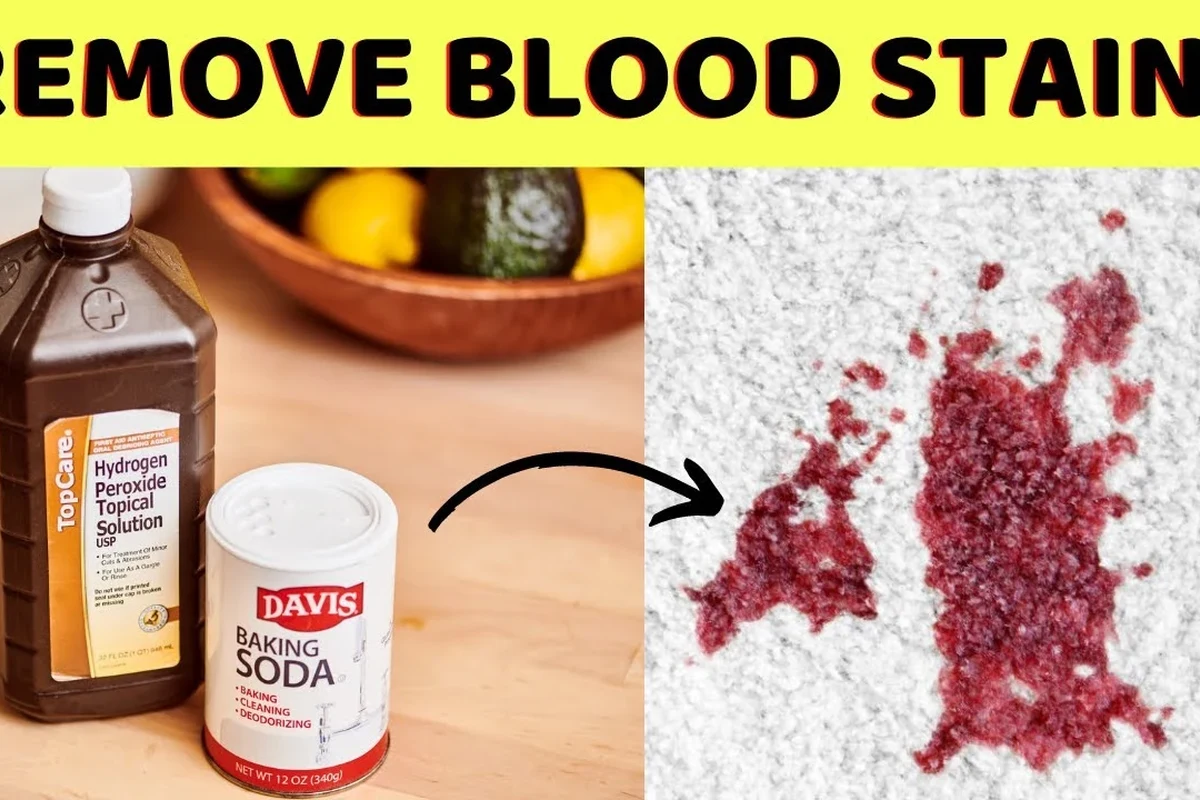
Baking soda is mildly alkaline, which means it can help loosen some of the bonds that keep a stain attached to fabric fibers. Blood stains are protein-based, so the main goal is to break up the residue without “cooking” it into the material.
This is why method matters so much. A gentle paste can lift loosened particles, while harsh scrubbing or hot water can push the stain deeper into the weave.
How baking soda interacts with protein-based stains
Blood contains proteins, pigments, and other compounds that cling to fabric quickly. Baking soda helps by creating a soft, slightly abrasive paste that can absorb moisture and lift surface residue as it dries.
It is not a magic solvent. Think of it as a stain-management tool that supports rinsing and blotting, especially when the stain is still fresh.
Fresh vs. dried blood: what changes the removal approach
Fresh blood is easier because it has not fully bonded to the fibers yet. You usually get better results with cold water, blotting, and a short baking soda treatment.
Dried blood is more stubborn. It often needs soaking first so the stain softens before the paste can do much work.
When baking soda is helpful and when it is not enough
Baking soda is most helpful on washable fabrics, light upholstery stains, and small spots where you can rinse thoroughly. It may be less effective on old stains, heavily textured fabrics, or items that cannot get wet.
If the stain remains after a few careful attempts, it may need another stain-safe cleaner or professional treatment. For other laundry-related stain problems, you may also find our guide on baking soda in laundry benefits useful.
Heat can set protein stains like blood, which is why cold water is the first rule in stain removal.
What You Need Before You Start: Safe Supplies and Fabric Checks
Before you mix anything, check the item label and think about the fabric type. A method that works on cotton may be too rough for silk, wool, or some upholstery blends.
Choosing the right baking soda paste ratio
A common starting point is a thick paste made from baking soda and a little cold water. You want it spreadable, not runny, so it stays on the stain instead of soaking through the fabric.
If the paste is too wet, it can spread the stain. If it is too dry, it will not make good contact with the fibers.
Testing fabric colorfastness and material sensitivity
Always test on a hidden area first, especially on colored fabrics or anything labeled delicate. Press a small amount on the seam or inside hem, wait a few minutes, and check for color change or texture damage.
For items like wool, silk, or mixed-fiber fabrics, the safest move is to start conservatively. When in doubt, follow the care label and the manufacturer’s cleaning guidance.
Helpful tools: soft brush, cold water, clean cloth, gloves
A soft brush helps lift residue without tearing fibers. Gloves are useful if you are cleaning a stain that is still fresh, since hygiene matters whenever blood is involved.
- Check the care label and fabric type.
- Test colorfastness in a hidden spot.
- Use cold water only at the start.
- Keep clean cloths nearby for blotting.
Step-by-Step Baking Soda Method for Fresh Blood Stains
For a fresh stain, speed matters more than force. The goal is to remove as much blood as possible before it dries and binds more tightly to the fabric.
Blotting first: why rubbing makes the stain worse
Blot gently with a clean cloth or paper towel to absorb excess blood. Rubbing spreads the stain and can push it deeper into the weave.
Work from the outside edge toward the center so the stain does not widen. This small habit often makes the later cleaning steps much easier.
Mixing the paste and applying it evenly
Mix baking soda with a small amount of cold water until it forms a thick paste.
Spread the paste over the stain in a thin, even layer. Do not grind it in.
Cover the entire stained area, not just the darkest spot. Blood can wick outward, so the visible center is not always the full stain.
Letting it sit without over-drying the fabric
Let the paste sit long enough to work, but do not leave it on until it turns hard and crusty. Over-drying can make residue harder to rinse out and may leave a chalky film.
A light paste that stays slightly moist usually performs better than a thick, cracked layer.
Rinsing with cold water and repeating if needed
Rinse from the back of the fabric when possible. This helps push the stain out instead of driving it deeper in.
If the stain is still visible, repeat the process once or twice. For laundry items, you can also compare this method with other stain-removal approaches like our guide to baking soda for yellow stains if you are dealing with older discoloration too.
How to Treat Dried or Set-In Blood Stains with Baking Soda
Dried blood usually needs more patience than fresh blood. The fibers have had time to hold onto the stain, so softening it first is a smart move.
Pre-soaking strategies before applying the paste
Start by soaking the item in cold water for a while, then check whether the stain loosens. If the stain begins to soften, blot again before applying the baking soda paste.
For very old stains, a longer soak may help more than a stronger paste. The key is to rehydrate the stain without using heat.
Using gentle agitation without damaging fibers
After the paste sits, use a soft brush in small, light motions if needed. The bristles should barely move the fibers, not scrub them flat.
If the fabric starts to look fuzzy, stretched, or thin, stop immediately. That usually means the method is too aggressive for the material.
When to combine baking soda with other stain-safe methods
Sometimes baking soda alone is not enough for a set-in stain. In those cases, a stain-safe laundry pre-treatment, enzyme-based cleaner, or professional textile cleaner may be more effective, depending on the fabric.
If you are considering mixing cleaning products, read labels carefully. Never combine cleaners unless the product instructions say it is safe to do so.
Example scenarios: sheets, clothing, upholstery, and mattresses
On sheets and clothing, you can usually rinse more thoroughly, which makes baking soda more practical. On upholstery and mattresses, moisture control matters more because excess water can leave rings or create lingering dampness.
For soft home surfaces, use only a small amount of paste and remove it fully with a damp cloth, then blot dry. If you are working on a larger household cleanup problem, our article on baking soda vinegar cleaning ovens shows how baking soda is often used as a gentle cleaner in the kitchen, though not every method fits every surface.
Never use hot water on a blood stain at the start. Heat can set the stain and make removal much harder.
Common Mistakes That Make Blood Stains Harder to Remove
Most stain failures come from rushing or using too much force. A careful, cool-water approach is usually better than a strong one.
Using hot water too early
Hot water can denature the proteins in blood, which helps lock the stain into the fabric. Once that happens, even repeated cleaning may only fade the mark instead of removing it.
Scrubbing aggressively and spreading the stain
Hard scrubbing can spread the stain, damage the weave, and make the area look worn even after the blood is gone. Gentle blotting and light brushing are far safer.
Leaving baking soda residue behind
Residual baking soda can leave a white cast, especially on dark fabric. Rinse well and check the area in good light before deciding the stain is fully gone.
Applying the method to delicate fabrics without testing
Delicate materials can react badly to moisture, friction, or alkaline cleaners. A quick hidden-area test is worth the extra minute.
- Use cold water first.
- Test on a hidden area.
- Blot instead of rubbing.
- Rinse thoroughly after treatment.
- Using hot water too soon.
- Scrubbing hard with a brush.
- Leaving paste to cake on the fabric.
- Skipping the fabric test.
Fabric-Specific Tips for Better Results
The best stain-removal method depends on the fabric and the surface. A little adjustment can make the difference between a clean finish and a damaged one.
Cotton, denim, and everyday laundry fabrics
Cotton and denim usually handle a baking soda paste well, especially when the stain is fresh. These fabrics are sturdy enough for gentle brushing and repeated rinsing.
Still, check for color loss on dark denim and blended fabrics. Some dyes are more sensitive than the fabric itself.
Silk, wool, and other delicate materials
Delicates need extra caution because friction and moisture can distort the fibers. In many cases, a dry blot, a very light dab, or a professional cleaner is safer than a full paste treatment.
If the item is expensive or sentimental, stop early rather than risk damage.
Upholstery, carpet, and mattress surfaces
On upholstery, carpet, and mattresses, use as little moisture as possible. Too much water can soak into padding and create odor or mildew concerns.
Work in small sections, blot well, and dry the area thoroughly with airflow if the care instructions allow it.
White vs. colored fabrics and stain visibility
White fabrics make it easier to see whether the stain is gone, but they also show baking soda residue more clearly. Colored fabrics may hide the stain better, which can make it harder to tell when the treatment is complete.
Check the area under bright light from different angles before stopping.
Blood stains on bedding and clothing should be handled with normal hygiene precautions. Wash hands, clean tools, and follow local guidance for soiled laundry if the stain is large or contaminated.
Safety, Storage, and When to Stop DIY Cleaning
Baking soda is a common household cleaner, but safe handling still matters. Blood stains involve both fabric care and basic hygiene.
Skin contact, ventilation, and hygiene precautions
Wear gloves if you are uncomfortable handling the stain directly or if the blood is not your own. Keep the area ventilated, and wash your hands after cleaning.
If the blood came from an injury, make sure the wound is properly cared for before you focus on the stain.
How long to keep trying before switching methods
Try a few careful rounds, then reassess. If the stain is fading but not disappearing, another stain-safe method may be better than repeating the same step over and over.
When a stain is old, large, or on a delicate item, stopping early can prevent permanent damage.
Storing leftover baking soda paste or dry baking soda
Dry baking soda stores well in a sealed container away from moisture. Mixed paste is best made fresh, since it dries out and loses convenience quickly.
If you want to keep baking soda on hand for other cleaning tasks, our guide on a baking soda cleaning trick explains why the dry powder is often more useful stored separately than pre-mixed.
When professional cleaning is the better option
Choose professional cleaning for valuable textiles, antique fabrics, large mattress stains, or anything labeled dry clean only. Professional cleaners are also the safer choice when you are unsure how the fabric will react.
If the stain is linked to a medical issue or a large amount of blood, follow appropriate health and sanitation guidance first, then decide whether the item should be cleaned or discarded.
Do not use bleach with baking soda unless a product label specifically says the combination is safe. Mixing cleaners without guidance can create unwanted fumes or damage fabric.
Final Verdict: Is Baking Soda for Blood Stains Worth Using?
Yes, baking soda for blood stains is worth trying when the stain is fresh, the fabric is washable, and you can use cold water from the start. It is a practical first-line method because it is inexpensive, easy to find, and gentle when used correctly.
Best-use cases for this method in 2026 households
This method fits everyday laundry, small accidents on sheets, and light cleanup on some upholstery spots. It is especially useful when you need a simple option before moving to a stronger cleaner.
Situations where another cleaner may work better
For dried stains on delicate fabrics, large mattress spots, or items with special care instructions, another cleaner may be safer and more effective. If the stain has already been heat-set, baking soda alone may not fully remove it.
Practical recap for fast, safe stain removal
Blot first, keep the water cold, apply a thin baking soda paste, and rinse well. If the stain does not improve after a few careful tries, switch methods instead of increasing the scrubbing pressure.
Used the right way, baking soda can be a helpful stain-lifting tool, but it works best as part of a patient, fabric-aware cleaning routine.
Baking soda is a smart first step for many blood stains, especially on washable fabrics and fresh spots. For delicate materials, old stains, or anything with special care instructions, test carefully and stop if the fabric starts to show stress.
Frequently Asked Questions
Yes, baking soda can help lift fresh blood stains when you blot first and use cold water. It works best on washable fabrics and small spots.
Use cold water first. Hot water can set the protein in blood and make the stain harder to remove.
Let it sit long enough to work, but do not let it dry into a hard crust. A thin, slightly moist layer is usually easier to rinse away.
Only with caution and a hidden-area test first. Silk, wool, and other delicate fabrics may need a gentler method or professional cleaning.
Soak the area in cold water first to soften the stain, then apply the baking soda paste. Older stains may need repeated treatment or a different cleaner.
Store dry baking soda in a sealed container away from moisture. It is usually better to make fresh paste as needed rather than storing mixed paste.