
Is Baking Soda Harmful to Cats What Pet Owners Need to Know

Baking soda can be harmful to cats if they eat enough of it or if residue gets onto their fur and paws. If your cat shows vomiting, drooling, weakness, or breathing changes, contact a veterinarian right away.
Baking soda is common in kitchens, but it is not harmless for cats. If your cat eats it, the amount and the cat’s size matter, and symptoms can range from mild stomach upset to a serious emergency.
- Small amounts matter: Cats are much smaller than people, so a little can become a bigger exposure.
- Watch for symptoms: Vomiting, drooling, weakness, tremors, and breathing changes are red flags.
- Act fast: Remove access, avoid home remedies, and call a vet if the amount is unknown.
- Prevention helps: Store baking soda sealed and clean spills before your cat can lick them.
Why Baking Soda Can Be a Concern for Cats
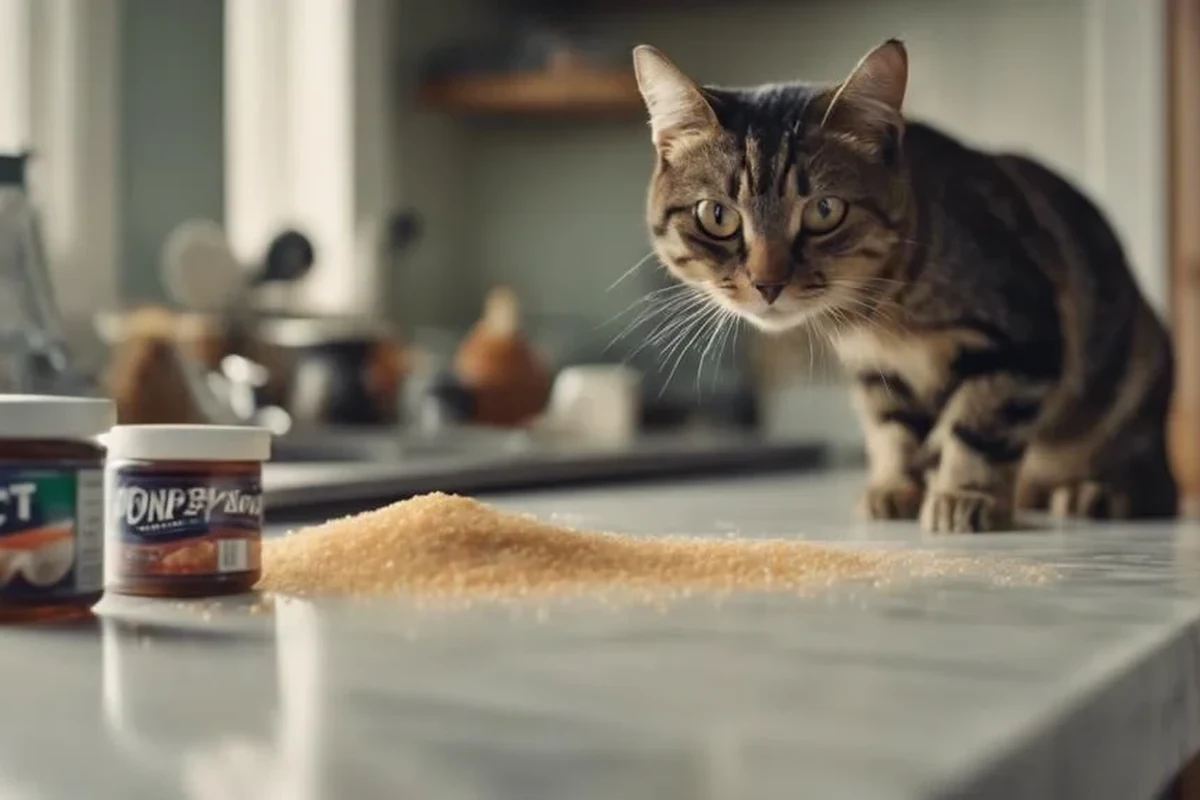
Baking soda is sodium bicarbonate, a compound that can change the body’s acid-base balance when enough is swallowed. In small cooking amounts it usually sits in baked goods without causing trouble, but a cat’s body is much smaller than a human’s, so even a modest amount can be more significant.
When a cat ingests too much baking soda, the main worry is sodium overload and digestive irritation. That can affect the stomach first, then the nervous system and breathing if the exposure is large enough.
What baking soda is and how it behaves in the body
Baking soda reacts with acids and releases carbon dioxide, which is why it helps baked goods rise. In the body, it does not behave like a harmless seasoning; it adds sodium and can alter the chemistry of the blood and fluids if too much is absorbed.
That is one reason kitchen ingredients should be treated differently from food scraps. A spoonful that seems tiny on the counter can be a meaningful exposure for a cat.
Why cats are more sensitive than humans to household ingredients
Cats weigh far less than people, so toxic doses can be reached faster. They also groom themselves often, which means powder on fur or paws can be swallowed later during cleaning.
Another issue is that cats cannot tell us when their mouth feels irritated or when they are thirsty, nauseated, or weak. That makes close observation important after any suspected exposure.
If your cat has a seizure, trouble breathing, collapse, or repeated vomiting after possible baking soda exposure, treat it as an emergency and contact a veterinarian or poison helpline right away.
How Cats Might Be Exposed to Baking Soda at Home
Most exposures happen by accident during normal household routines. The risk is usually not from a sealed box in a cabinet, but from spills, open containers, or cleaning habits that leave powder where paws can reach it.
Accidental ingestion from spills, baking projects, or open containers
A cat may lick up loose powder from the floor, counter, or a bag left open after baking. Curious cats also investigate bowls, measuring cups, and trash cans, especially if food smells are nearby.
If you bake often, keep in mind that dry ingredients can scatter farther than you expect. A small spill near the edge of a counter can end up on the floor after one swipe from a paw or tail.
Exposure through litter box deodorizing, cleaning, or carpet treatments
Some people sprinkle baking soda in litter boxes, carpets, or upholstery to reduce odors. That can leave dust on paws, fur, or surfaces that cats lick later.
If you use baking soda in cleaning, it is worth remembering how it also appears in baking soda laundry benefits and other household uses. Those same odor-fighting habits may create exposure if the powder is not fully removed.
Common high-risk situations in kitchens, pantries, and laundry areas
Kitchen counters during baking are a common risk because bowls are open and ingredients are out. Pantries can be risky if bags are torn, and laundry rooms can be risky when boxes are stored low to the ground.
Pay special attention after cleaning, when residue may be left behind on floors, mats, or pet bedding. A cat may not eat a pile of powder directly, but it can still ingest some while grooming.
Baking soda is often confused with baking powder, but they are not the same ingredient. If you want a simple comparison, see is baking soda and baking powder the same.
Signs of Baking Soda Exposure Pet Owners Should Watch For
Symptoms can show up quickly, especially if a cat eats a noticeable amount. Mild cases may look like stomach upset, while larger exposures can affect muscle control, energy, and breathing.
Early symptoms such as vomiting, drooling, and reduced appetite
The first signs are often digestive. Watch for vomiting, drooling, lip smacking, pawing at the mouth, reduced appetite, or a cat that suddenly seems uninterested in food.
Some cats may also seem restless or uncomfortable. If the mouth or stomach is irritated, you may notice the cat hiding more than usual or refusing treats.
More serious warning signs including weakness, tremors, or breathing changes
More serious symptoms can include weakness, wobbliness, tremors, disorientation, or unusual thirst. Breathing changes are especially concerning because they can signal a more severe reaction.
If a cat seems unable to stand normally, has muscle twitching, or is breathing faster or harder than usual, do not wait to see if it passes. Those signs need prompt veterinary attention.
Keep baking soda containers closed and stored out of reach, and clean up spills with a damp cloth so powder does not get tracked around the house.
Practical examples of when symptoms may appear after exposure
A cat that licks a small amount from a floor spill may show mild drooling or stomach upset within a short time. If the cat ate a larger amount from an open container or from a treated carpet area, signs may be more noticeable and can escalate.
Symptoms may also be delayed if the cat swallowed powder while grooming after walking through it. That is why even a “messy but small” exposure deserves attention if you are unsure how much was involved.
What to Do If Your Cat Eats Baking Soda
Stay calm and act quickly. The right first steps can help you give clear information to a vet and avoid making the situation worse.
Immediate steps to take before calling a veterinarian
Move the baking soda out of reach and gently remove any visible powder from the cat’s mouth, fur, or paws if you can do so safely. Offer fresh water, but do not force the cat to drink.
If the cat is vomiting, weak, or acting abnormal, call a veterinarian or a pet poison helpline right away. Do not wait for symptoms to “settle” if you suspect a meaningful amount was eaten.
- Check whether the container is still open or spilled
- Estimate how much may be missing
- Note the time of exposure
- Watch for vomiting, drooling, weakness, or tremors
What information to have ready for the vet or poison helpline
Be ready to share your cat’s weight, age, and any health problems if you know them. Also have the product name, the approximate amount involved, and whether the baking soda was mixed with anything else, such as cleaning products or vinegar.
That last detail matters because mixed cleaners can create a different safety issue. If the exposure happened while cleaning, mention the exact area and products used.
Common mistakes that can make the situation worse
Do not induce vomiting unless a veterinarian specifically tells you to do so. Do not give home remedies, salt water, milk, or human medicines unless a professional instructs you.
It is also a mistake to assume that because baking soda is used in cooking, it cannot be harmful. In the kitchen, dose and context matter, and cats are much smaller than people.
How Vets Evaluate and Treat Baking Soda Exposure
Veterinary care depends on how much was eaten, how long ago it happened, and what symptoms are present. Mild cases may only need observation, while severe cases may need urgent treatment.
Typical questions, exams, and possible diagnostic checks
A vet will usually ask what product was involved, how much may have been swallowed, and when the exposure occurred. They may also check hydration, heart rate, temperature, muscle control, and breathing.
If the cat looks ill, bloodwork or other tests may be used to assess electrolytes and overall stability. The goal is to see whether the body chemistry has been affected and whether supportive care is needed.
Supportive care, monitoring, and when emergency treatment is needed
Treatment often focuses on support: fluids, monitoring, and help for vomiting or neurologic signs if present. Emergency care is more likely when the cat has tremors, severe weakness, breathing trouble, or a large exposure.
In some cases, the vet may recommend observation at home if only a tiny amount was involved and the cat is completely normal. That decision should come from a professional, not guesswork.
What recovery can look like after mild versus severe exposure
With mild exposure, a cat may recover after a short period of stomach upset and rest. Keep water available and watch for any new symptoms over the next several hours.
Severe exposure can take longer and may require hospitalization. Recovery depends on how quickly the cat was treated and whether the nervous system or fluid balance was affected.
If baking soda was part of a cleaning mixture, the risk may come from more than one ingredient. For example, baking soda and vinegar create a foaming reaction, but that reaction does not make the mixture safe to ingest.
Safer Ways to Use Baking Soda Around Cats
You do not have to ban baking soda from the house. The safer approach is to store it well, clean carefully, and keep pets away from fresh powder or residue.
Storage, cleanup, and handling habits that reduce risk
Store baking soda in a sealed container on a high shelf or in a closed cabinet. After baking, wipe counters, sweep floors, and check under appliance edges where powder can hide.
If you spill any, clean it before letting the cat back into the room. A damp cloth or vacuum designed for fine dust can help remove leftover residue, depending on the surface.
Pet-safe alternatives for odor control and cleaning
For odor control, ventilation, frequent litter box cleaning, and washable liners are often safer than leaving loose powder around. For general cleaning, use products labeled safe for pets and follow the manufacturer’s directions carefully.
If you are exploring household cleaning methods, be cautious with recipes that mix ingredients on the fly. Our guide to baking soda vinegar cleaning ovens explains a common cleaning use, but pet safety still depends on keeping animals away from the area until it is fully cleaned and dry.
Household routines to keep baking ingredients away from pets
Set a habit of closing ingredient containers immediately after measuring. Keep bags, scoops, and open bowls off the floor, and do a quick sweep of the baking area before leaving the kitchen.
This is especially useful in busy homes where cooking and pet care overlap. A few small routines can prevent a lot of accidental contact.
- Store baking soda securely
- Clean spills promptly
- Call a vet if symptoms appear
- Do not induce vomiting without guidance
- Do not assume small pets can handle human amounts
- Do not leave powder where cats can lick it
Final Verdict for Cat Owners: Is Baking Soda Harmful to Cats?
Yes, baking soda can be harmful to cats if enough is eaten or if it is used in a way that leaves accessible residue. Small accidental contact may cause little or no problem, but larger exposures can become dangerous quickly because cats are small and sensitive.
For more on the ingredient itself, you may also find our article on when baking soda expires useful, since old or clumped baking soda is still a household ingredient that should be stored safely and kept away from pets.
When baking soda is low-risk and when it becomes dangerous
It is usually low-risk when it is sealed, stored away from pets, and used in normal baking with no spills. It becomes more concerning when it is eaten directly, spread across floors, or left on surfaces a cat can lick during grooming.
Danger rises when symptoms appear, when the amount is unknown, or when the cat is very young, small, or already ill. In those cases, a veterinary call is the safest move.
Final decision guide for prevention and peace of mind
If you bake, clean, or deodorize with baking soda, use it like any other household chemical: measure carefully, store securely, and clean up completely. That simple routine lowers the chance of accidental exposure and keeps your kitchen safer for pets.
When in doubt, contact your veterinarian or a pet poison helpline rather than trying to judge the risk on your own. For cat owners, the best answer to “is baking soda harmful to cats” is that it can be, so prevention is the smartest approach.
Frequently Asked Questions
A tiny accidental lick may not cause major problems, but cats are small and sensitivity varies. If you are unsure how much was eaten, call a veterinarian for guidance.
Remove access, wipe the area, and watch for vomiting, drooling, weakness, or breathing changes. Contact a vet if the amount is unknown or if any symptoms appear.
It can be risky if loose powder remains on the carpet and gets on paws or fur. Clean the area thoroughly and keep your cat away until the residue is removed.
Yes, it can if your cat inhales dust, walks through it, or licks it from fur. Use only with caution and consider pet-safe odor-control alternatives.
No, not unless a veterinarian specifically tells you to do so. Inducing vomiting at home can make some situations worse.
Symptoms may appear within a short time after ingestion, especially if the amount was significant. Some signs can also show up later if the cat swallowed powder while grooming.