
Baking Soda for Grease Removal Easy Tips That Work

Baking soda can help remove light to moderate grease by gently scrubbing and loosening oily film. It works best on durable kitchen surfaces and when you give it time to sit before wiping.
Baking soda for grease removal is a simple, budget-friendly way to handle everyday kitchen messes. It works best on light to moderate grease, where a little texture and mild alkalinity can loosen the grime before you wipe it away.
- Best use: Light grease, splatter, and routine kitchen cleanup.
- How it works: Mild alkalinity plus gentle abrasion helps lift residue.
- Mixing tip: Use a thick paste, not a watery slurry, for better contact.
- Safety limit: Avoid delicate finishes and check manufacturer care instructions.
- Cleanup tip: Rinse and dry well to prevent streaks or powdery film.
What Baking Soda Does to Grease and Why It Works
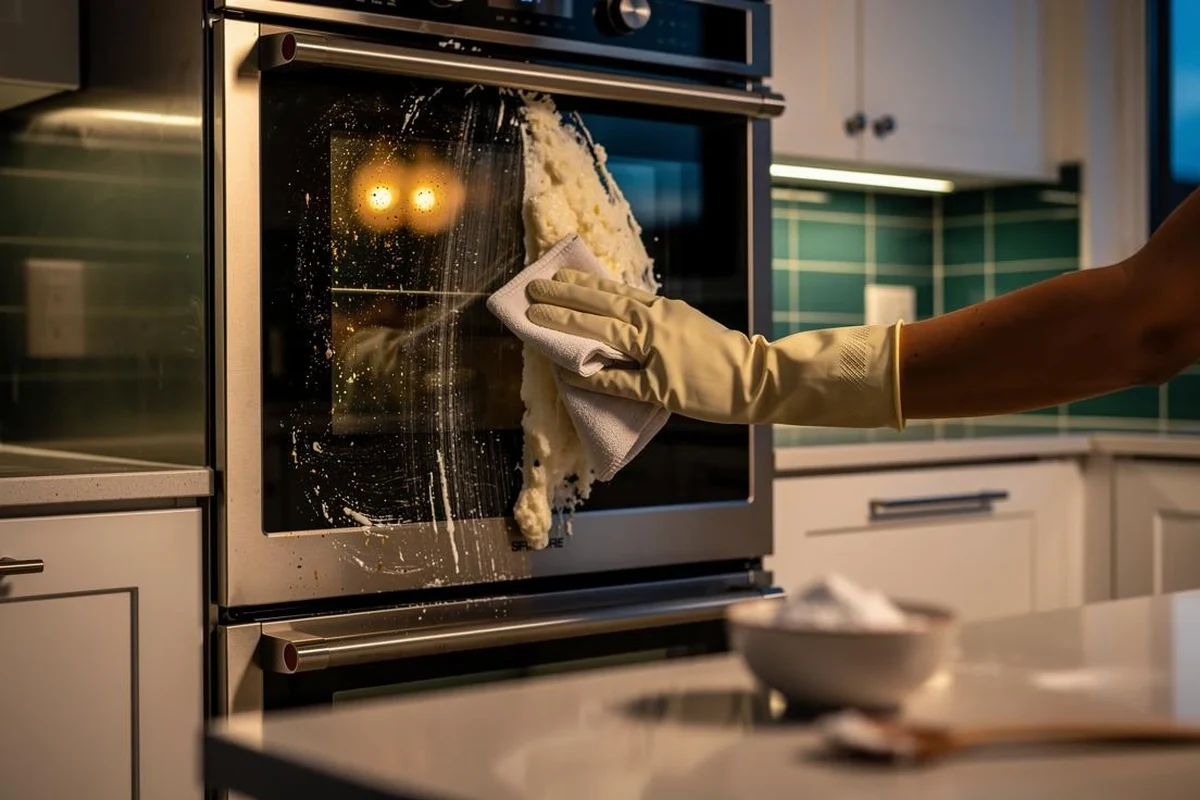
Baking soda is mildly alkaline, which helps it interact with acidic or oily kitchen residue and makes greasy film easier to lift. Just as important, its fine grain gives it a gentle scrubbing action, so it can help break up sticky buildup without the harshness of stronger abrasives.
For a deeper look at how this kind of cleaner reacts with other ingredients, you may also find our guide on the baking soda and vinegar reaction explained simply useful. That said, baking soda does not “dissolve” every grease stain on contact, and it is not the same as a solvent degreaser.
The science behind mild alkalinity and grease breakdown
Grease is slippery because it resists water, so plain wiping often just smears it around. Baking soda helps by raising the pH slightly and giving the cleaner more grip on the surface film, which makes scrubbing more effective.
The result is usually better on fresh or lightly set grease than on old, baked-on residue. In practical terms, baking soda is often a helper, not a miracle fix.
When baking soda helps most on kitchen grease versus baked-on residue
It works best on splatter, fingerprints mixed with cooking oil, and greasy films on counters or appliance fronts. It can also help with soft residue on pans after soaking.
For thick, carbonized buildup on oven walls or heavily burned-on pans, you may need repeated applications or a stronger cleaner. If you are comparing cleaning methods, our article on baking soda vinegar cleaning ovens explains when that approach is more appropriate.
Best Surfaces and Messes for Baking Soda Grease Removal
Baking soda is most useful on durable kitchen surfaces that can handle a gentle scrub. Think of it as a good choice for routine cleanup after sautéing, frying, baking, or roasting.
Stovetops, range hoods, counters, and backsplash splatter
These are classic spots for grease film because steam and cooking oil settle there over time. A damp baking soda paste can help lift the dull, sticky layer that builds up around burners, vent hoods, and tile backsplashes.
Use a soft cloth or non-scratch sponge and work in small sections. That gives you better control and helps prevent streaking on glossy finishes.
Baking sheets, pans, oven doors, and greasy dish buildup
Baking sheets and metal pans often collect a mix of oil, browned bits, and residue from repeated use. Baking soda can help loosen that layer, especially after a soak in hot water.
It is also useful on oven glass and greasy dish buildup when you want a low-toxicity option for regular cleaning. If your cookware has a delicate finish, test a small area first before cleaning the whole surface.
Do not use baking soda on surfaces that scratch easily without checking the manufacturer’s care instructions first. Avoid using it on polished aluminum, and be cautious with coated, painted, or specialty finishes that can dull or discolor.
What to avoid: delicate finishes, aluminum concerns, and coated surfaces
Even though baking soda is gentler than many cleaners, it is still mildly abrasive. That means it can leave a haze on some soft or polished materials if you scrub too hard.
When in doubt, verify care instructions from the cookware or appliance manufacturer. This is especially important for nonstick coatings, decorative finishes, and any material you would not want to scuff.
How to Use Baking Soda for Grease Removal Step by Step
The best method depends on how heavy the grease is. A dry sprinkle works for light messes, a paste works for stuck-on film, and a soak is better for removable parts or greasy pans.
Dry sprinkle, paste, and soak methods for different mess levels
For light grease, sprinkle baking soda onto a damp cloth or directly onto the surface and wipe gently. For medium buildup, make a paste and let it sit before scrubbing.
For pans or greasy removable parts, a soak in hot water with baking soda can soften residue before washing. If you want a broader cleaning workaround, our guide to this baking soda trick that actually works fast and easy offers another practical use pattern.
Wipe away crumbs, drips, or loose food so the baking soda can target the grease instead of mixing with dry bits.
Use a dry sprinkle for light film, a paste for sticky spots, or a soak for pans and removable pieces.
Give the cleaner time to loosen residue before you scrub. Rushing this step usually makes you work harder.
Remove the residue with a clean damp cloth, then dry the surface to prevent streaks or a powdery film.
Recommended ratios for making a safe cleaning paste
A good starting point is about 3 parts baking soda to 1 part water. You want a spreadable paste, not a runny slurry.
If you need a little more cleaning power on greasy dishes or pans, add a drop or two of dish soap rather than a lot more water. Too much liquid weakens the paste and makes it slide off the surface.
The exact amount depends on the size of the job, the brand of baking soda, and how much moisture is already on the surface. Start small and mix more only if needed.
How long to let it sit before scrubbing or wiping
For light grease, a few minutes may be enough. For heavier buildup, you may need to wait longer before scrubbing, but avoid letting the paste dry completely on sensitive surfaces.
If the residue is stubborn, reapply instead of scrubbing aggressively. That usually protects the finish and gives you more even results.
Work from the outside of the grease spot toward the center. That keeps the mess from spreading and makes it easier to see when the surface is actually clean.
Tools, Cloths, and Add-Ons That Improve Results
The right tools matter almost as much as the cleaner itself. A soft, absorbent cloth often does more good than a rough pad because it lifts residue without scratching the surface.
Microfiber, non-scratch sponges, soft brushes, and spray bottles
Microfiber cloths are helpful because they grab oily film instead of pushing it around. Non-scratch sponges work well on stovetops and counters, while a soft brush can help around knobs, seams, and textured edges.
A spray bottle is useful if you want to mist warm water onto the area before wiping. That can help activate the paste and keep it from drying too fast.
When to pair baking soda with dish soap, vinegar, or hot water
Dish soap is often the best partner for grease because it is designed to break up oily residue. Baking soda adds a gentle scrubbing effect and can help the soap stay in place long enough to work.
Hot water helps soften fat, especially on pans and dishes. Vinegar can be useful for some cleaning tasks, but it is not always the best match for grease, and it should be used carefully on materials that do not tolerate acid well.
Baking soda and vinegar can neutralize each other after the fizzing reaction, so the bubbling is not the same thing as stronger cleaning power. For grease, the texture and alkalinity of baking soda are often doing most of the work.
Why abrasive pads can damage surfaces and reduce effectiveness
Harsh pads can scratch glossy surfaces, dull stainless steel, and leave tiny grooves that trap more dirt later. Once that happens, the surface may look cleaner at first but collect grease faster over time.
Gentle tools also help you control pressure, which matters when you are cleaning oven glass, coated pans, or appliance fronts. If you need a related ingredient comparison, see our article on using baking soda instead of baking powder safely.
Common Mistakes That Make Grease Removal Harder
Most problems with baking soda come from using too much liquid, too much force, or the wrong expectations. Small adjustments usually work better than trying to scrub harder.
Using too much water and creating a runny paste
A watery mix slides off vertical surfaces and gives you less contact time. It can also leave more streaks because the baking soda spreads thin instead of staying where the grease is.
Mix just enough water to make the paste cling. If it drips, add a little more baking soda.
Scrubbing too early or too aggressively
Scrubbing before the paste has time to soften the residue often means you end up rubbing the same spot repeatedly. That can wear on the finish and still leave grease behind.
Start with a gentle wipe, then increase pressure only if the surface can handle it. On delicate materials, patience is usually safer than force.
The grease still looks dull or sticky after one pass.
Reapply the paste, let it sit longer, and use a fresh cloth so you are not spreading oily residue back onto the surface.
Expecting baking soda to replace heavy-duty degreasers in every case
For everyday maintenance, baking soda is often enough. For thick kitchen grease, burned-on oven residue, or commercial-style buildup, a stronger degreaser may be faster and more effective.
This is a good place to be realistic. Baking soda is a practical cleaning option, but it is not the right answer for every mess.
- Low-cost and easy to keep on hand
- Gentle on many routine kitchen messes
- Useful for light scrubbing and soaking
- May struggle with heavy baked-on grease
- Can scratch or haze delicate finishes
- Works best with patience and the right tools
Safety, Storage, and Cleanup Tips for Home Use
Cleaning is safer when you think about ventilation, skin contact, and residue left behind. That matters especially if you are working near a hot stove, oven, or recently used cookware.
Ventilation, gloves, and skin or eye irritation concerns
Open a window or run the range hood if you are cleaning a greasy area with strong odors or leftover heat. Baking soda is generally mild, but any powder or paste can irritate eyes and dry out skin if you handle it for long periods.
Wear gloves if your hands are sensitive or if you are cleaning a large area. Keep cleaning products away from children and pets, and never mix cleaners unless you know the combination is safe.
Make sure stovetops, pans, and oven doors are cool before cleaning. Hot grease, hot metal, and steam can cause burns even when the mess looks harmless.
How to store opened baking soda for cleaning use
Keep opened baking soda in a sealed container so it stays dry and free of odors. If you use it for cleaning, it is best to store it separately from any baking supply you want to keep food-fresh.
Moisture can make it clump, which makes measuring and spreading less consistent. If it smells stale or has absorbed strong odors, replace it.
Rinsing residue properly to avoid streaks or powdery film
After cleaning, wipe the area with a clean damp cloth to remove leftover powder. Then dry the surface with a fresh towel or microfiber cloth so you do not leave a chalky film behind.
On glass, stainless steel, or glossy tile, a final dry buff often makes the biggest difference. It helps remove haze and brings back a cleaner finish.
When Baking Soda Is the Right Choice and When to Choose Another Cleaner
Baking soda is a strong choice for routine kitchen maintenance, low-toxicity cleaning, and budget-friendly cleanup. It is especially useful when you want something simple for quick wipe-downs after cooking.
Everyday kitchen maintenance versus deep-clean grease jobs
Use baking soda for small splatters, light film, and regular upkeep on counters, stovetops, and pans. Reach for a stronger degreaser when the grease is old, thick, or baked into a surface.
If the mess has hardened through repeated heat cycles, a longer soak or a specialized cleaner may save time and reduce scrubbing. That is especially true for ovens and heavily used sheet pans.
Best use cases for budget-friendly, low-toxicity cleaning
Baking soda is a smart choice when you want a cleaner that is inexpensive, easy to store, and less harsh than many chemical alternatives. It also fits well into a simple kitchen routine where you clean often instead of waiting for buildup to become severe.
For readers who like practical home care methods, this is one of the most versatile pantry-to-cleaning uses. It is not flashy, but it is dependable for the right job.
Practical recap for choosing the right grease-removal method
If the grease is light, start with baking soda and a damp cloth. If the residue is heavier, use a paste, give it time, and add dish soap or hot water when appropriate.
If the surface is delicate or the buildup is severe, step back and check the care instructions or use a cleaner designed for that material. The best method is the one that removes grease without damaging the surface.
- Check the surface care instructions
- Use a soft cloth or non-scratch sponge
- Mix a paste that is thick, not runny
- Rinse and dry to prevent film
In short, baking soda for grease removal works best as a gentle, practical first step. Use it for everyday kitchen messes, respect its limits on delicate materials, and pair it with the right tool and a little patience for the cleanest result.
Frequently Asked Questions
It can help loosen light grease, especially when used as a paste or with a damp cloth. For heavier buildup, it often works better with dish soap or a soak.
A common starting point is about 3 parts baking soda to 1 part water. Add only enough liquid to make a thick paste that clings to the surface.
Check the pan manufacturer’s care instructions first. Baking soda is mildly abrasive and may not be ideal for every coated surface if scrubbed too hard.
Light grease may only need a few minutes, while heavier residue may need longer. Avoid letting it dry completely on sensitive surfaces.
For grease, baking soda is often more useful because of its gentle scrubbing action and mild alkalinity. Vinegar can help with some cleaning tasks, but it is not always the best choice for oily residue.
Wipe the area with a clean damp cloth after cleaning, then dry it well. Buffing with a microfiber cloth helps reduce streaks on glass, tile, and stainless steel.