
Baking Soda and Salt Uses for Cleaning and More

Baking soda and salt are useful pantry staples for light cleaning, deodorizing, and baking when used for the right job. They work best with gentle methods, clear labeling, and realistic expectations about their limits.
Baking soda and salt are two of the most useful low-cost staples in a home kitchen, and they can do much more than sit in the pantry. Used correctly, they can help with scrubbing, deodorizing, and even baking, but they are not interchangeable in every situation.
- Cleaning strength: Baking soda deodorizes and mildly scrubs, while salt adds extra friction.
- Best uses: They are helpful for sinks, pans, grout, shoes, and light laundry refresh jobs.
- Safety first: Avoid delicate finishes and never mix homemade cleaners with bleach or unknown products.
- Baking role: Baking soda leavens; salt boosts flavor and helps balance structure.
- Storage matters: Keep both dry, labeled, and separate from cleaning supplies and other ingredients.
What Baking Soda and Salt Actually Do in Cleaning and Everyday Use
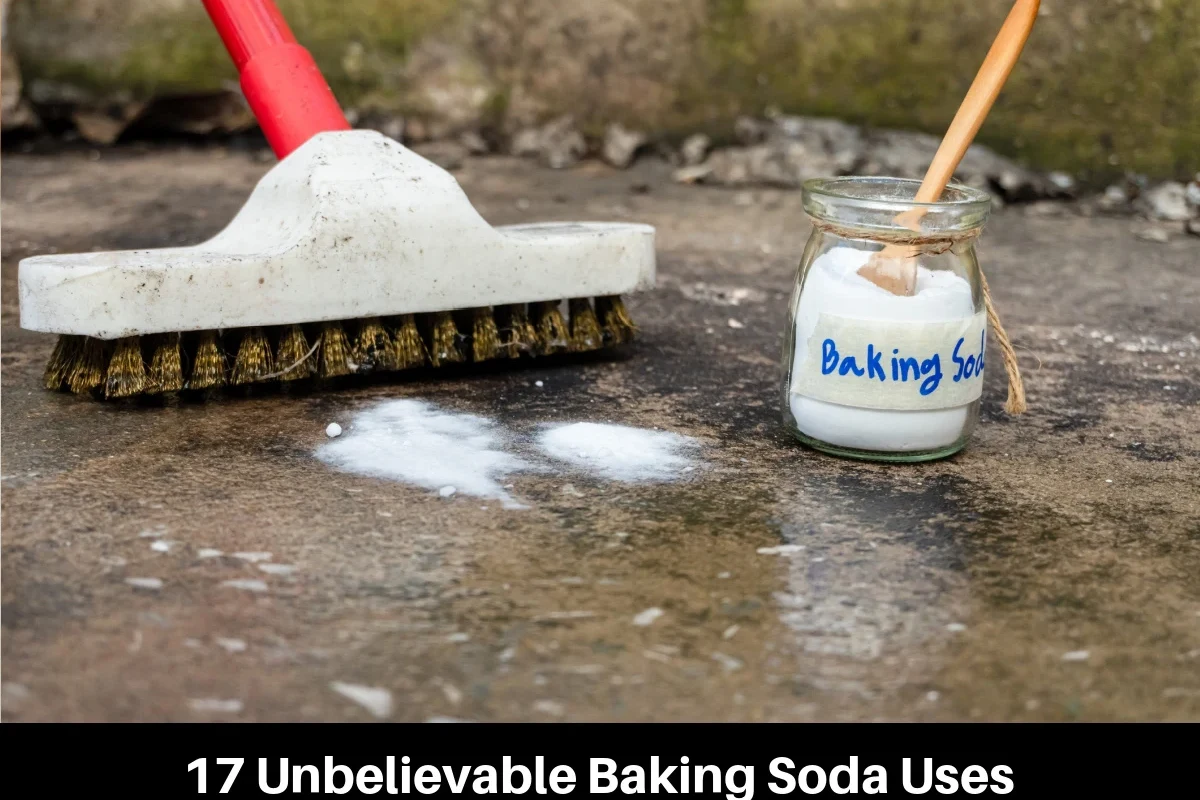
Baking soda is sodium bicarbonate, a mild alkaline powder that can help loosen acidic residue, reduce odors, and provide gentle abrasion. Salt is sodium chloride, and in cleaning it mainly works as a scrubber because its crystals add friction.
How the chemistry of sodium bicarbonate and sodium chloride makes them useful
Baking soda helps neutralize some odors because many smells are tied to acidic or strongly basic compounds. It also becomes more useful when mixed with water into a paste, since that lets it cling to surfaces instead of sliding off.
Salt does not neutralize odors the same way, but its coarse texture can help break up stuck-on grime. Finer table salt is less abrasive than kosher salt, while larger crystals can scrub more aggressively, which matters on delicate finishes.
Why these two pantry staples are often paired instead of used alone
People often combine baking soda and salt because they bring different strengths to the job. Baking soda helps with deodorizing and loosening residue, while salt improves scrubbing power.
Together, they can be useful for jobs where you want a mild cleaner without reaching for something harsher. That said, the combination is still not a magic fix for heavy grease, deep stains, or mineral scale.
Baking soda works best as a mild abrasive and deodorizer, not as a disinfectant. If you need sanitizing or food-safety cleaning, follow the product label or official guidance from recognized agencies.
Best Cleaning Uses for Baking Soda and Salt Around the Home
For everyday cleaning, baking soda and salt are most helpful when you want a simple scrub, a deodorizing boost, or a soak for stuck residue. If the surface is valuable or easily scratched, test a small hidden area first.
Kitchen sinks, drains, and greasy stovetops
In sinks, a paste of baking soda and a little salt can help lift dull film and light residue. On greasy stovetops, the mix can loosen splatters enough to wipe away more easily, especially if you let it sit briefly before scrubbing.
For drains, the combination is sometimes used as a deodorizing step, but it will not clear a serious clog. If water drains slowly or backs up, a mechanical method or a plumber’s help is usually the better route. For more on drain-cleaning approaches, see our guide on clean drains with vinegar and baking soda.
Oven splatters, baking sheets, and burnt-on residue
On baking sheets and oven spots, baking soda and salt can help soften baked-on food so it lifts with less force. This is useful for browned drips, oil splashes, and pan residue that has not yet become a hard mineral layer.
For ovens, avoid aggressive scrubbing on self-clean coatings, enamel, or glass doors unless the manufacturer says the material is safe for it. If you are dealing with a stubborn oven mess, our article on baking soda vinegar cleaning ovens can help you compare methods.
Bathroom surfaces, grout, and deodorizing problem areas
In bathrooms, the mix can help with soap scum, sink rings, and light grout grime. A damp paste works better than dry powder on vertical areas because it stays in place long enough to do its work.
For odors in trash cans, drains, or around trash bin lids, baking soda usually does more than salt because it absorbs and moderates smell better. If odor control is your main goal, our guide to baking soda for smoke odors shows how it is often used in real homes.
Fabric stains, shoes, and laundry refresh uses
For fabric spots, the mix can sometimes help lift surface soil before laundering, but it is not a universal stain remover. On shoes, a light paste may help with scuffs or odor, though you should avoid soaking materials that can warp, stain, or delaminate.
In laundry, baking soda is often used more for freshening and mild odor control than for replacing detergent. If you want a deeper look at that use, see our article on baking soda in laundry benefits.
How to Use Baking Soda and Salt Safely and Effectively
The right method depends on the mess. Dry sprinkling works for light deodorizing, a wet paste is better for stuck residue, and soaking helps with removable items like pans or tools.
Practical measurement ranges for scrubbing, soaking, and deodorizing
For small jobs, start with a few tablespoons of baking soda and enough salt to add mild grit, then add water slowly until you get a spreadable paste. For deodorizing, a light sprinkle is usually enough; more powder does not necessarily work better.
For soaking, use enough water to cover the item and add a modest amount of baking soda, with or without salt depending on whether you want scrubbing help. Exact amounts vary by container size, soil level, and the material you are cleaning.
Wet paste, dry sprinkle, and soak methods: when each works best
A wet paste is best for stovetops, sinks, and spot cleaning because it clings and gives you controlled abrasion. A dry sprinkle works best on carpets, trash bins, or fridge shelves when you want odor help before vacuuming or wiping.
A soak is best for removable pans, utensils, or greasy items with stuck residue. If you need a step-by-step method for a specific job, our article on a baking soda trick that actually works may be useful for simple household tasks.
Surfaces to avoid and materials that can scratch, dull, or react
Avoid using baking soda and salt on soft plastics, polished stone, some nonstick coatings, brushed metals, and any surface the manufacturer warns against abrasives. Salt crystals can scratch more easily than baking soda, especially if you scrub hard.
Also be careful with aluminum, since prolonged contact with alkaline cleaners can discolor some finishes. When in doubt, use a soft cloth and a small test spot first.
Never mix homemade cleaners with bleach or other strong chemical products unless the label specifically says it is safe. If a product includes bleach, acid, ammonia, or a disinfectant, read the instructions carefully and ventilate the area well.
Common Mistakes People Make When Combining Baking Soda and Salt
The most common mistakes are using too much abrasion, expecting instant results, and mixing the ingredients with cleaners that can create a hazard. A careful approach is usually faster in the long run because it prevents damage.
Using too much abrasive power on delicate finishes
It is easy to assume that more scrubbing equals better cleaning, but that can dull stainless steel, cloud glass, or scratch enamel. Salt is the bigger risk here because its grains can be rougher than baking soda.
If a finish is glossy, coated, or expensive, use the softest tool you can and let the paste sit a little longer instead of scrubbing harder.
Expecting instant results on heavy grease, rust, or mineral buildup
Baking soda and salt are not the best answer for rust or thick mineral scale. Those problems often need a targeted cleaner, longer soak time, or a product made for that specific deposit.
For heavy burnt-on grease, the residue may need repeated applications rather than one quick wipe. Patience matters because the chemistry is mild, not aggressive.
Mixing with the wrong cleaners and creating unsafe reactions
One reason people like pantry cleaners is that they seem simple, but simple does not always mean safe with other products. Never combine homemade mixtures with bleach, ammonia, or unknown commercial cleaners.
If you are using a product that already contains a disinfectant, follow the label and do not add extra ingredients unless the manufacturer says to. For a clearer explanation of one common kitchen reaction, see our article on the baking soda and vinegar reaction explained simply.
Wear gloves if your skin is sensitive or if you are cleaning for a long time. Rinse surfaces that touch food thoroughly, and keep powders away from children and pets.
Baking Soda and Salt in Baking: What Each Ingredient Contributes
In baking, these ingredients do very different jobs. Baking soda changes the chemistry of the batter or dough, while salt mainly improves flavor and helps balance structure.
Baking soda as a leavening agent and how salt affects flavor and structure
Baking soda is a leavening agent that produces carbon dioxide when it reacts with an acid and moisture. That gas helps baked goods rise, which is why baking soda is central in recipes that include acidic ingredients like buttermilk, yogurt, molasses, or lemon.
Salt does not make dough rise, but it sharpens flavor and can tighten gluten slightly in wheat doughs. That small structural effect is one reason bread and pastry formulas usually include salt even when the recipe is sweet.
When recipes need both ingredients and when they should not be swapped
Many recipes need both because they solve different problems: baking soda for lift and salt for flavor balance. You should not swap one for the other, and you should not assume salted butter replaces the salt in a formula.
If you are unsure about baking soda versus baking powder, our guide on using baking soda instead of baking powder safely explains why the substitution is not always straightforward. The right choice depends on acidity, leavening strength, and the recipe’s balance.
Signs of imbalance: flat baked goods, bitter taste, or uneven browning
Too little baking soda can leave cakes or cookies dense and under-risen. Too much can create a bitter or soapy taste, and it may also cause excess browning or a coarse crumb.
Too little salt can make baked goods taste flat, while too much can push sweetness into the background. If a dough bakes unevenly, the issue may also be measuring method, oven calibration, pan material, or rack position.
Ingredient brands can vary in fineness and moisture, especially with salt. That means a recipe may behave a little differently even when the measurements look the same.
Storage, Shelf Life, and Pantry Organization for Home Bakers
Good storage keeps both ingredients ready for cleaning and baking. It also prevents accidental mix-ups, which matter more than many home cooks realize.
How to store baking soda and salt to prevent clumping and contamination
Store baking soda in a sealed container away from strong odors, because it can absorb smells from the pantry. Salt should also stay dry, since humidity can cause clumping, especially in humid kitchens.
Keep both away from flour dust, grease, and cleaning-product residue. A spoon used for cleaning should not go back into a baking container.
How to tell whether baking soda is still active
Baking soda does lose effectiveness over time in some kitchens, especially if the box has been opened and exposed to moisture or odors. A simple freshness check is to combine a small amount with an acidic liquid and look for a strong fizz; if the reaction is weak, it may be time to replace it.
For a deeper look at replacement timing, see our article on whether baking soda expires. Storage conditions matter as much as the date on the box.
Why kosher salt, table salt, and baking soda should be kept clearly labeled
Kosher salt, table salt, and baking soda can look similar in a busy pantry, but they do not behave the same way in recipes or cleaning. Table salt is finer and often measures differently by volume, while kosher salt crystals are larger and less dense.
Clear labels help prevent errors in pastry formulas and keep cleaning products away from food prep. That is especially important in a home baking space where ingredients and tools may share the same shelf.
Choosing the Right Use Case: Cleaning Aid, Baking Ingredient, or Both
Baking soda and salt are best when the task is simple, the surface is safe for gentle abrasion, and you want a low-cost option. They are less useful when the job calls for disinfecting, heavy-duty degreasing, or a specialized baking function.
Everyday situations where baking soda and salt are the best low-cost option
Use them for light sink scrubbing, deodorizing containers, refreshing shoes, and loosening minor baked-on residue. In baking, use them when the recipe specifically calls for them and the ingredient balance supports their role.
They are also practical when you want to reduce reliance on harsher products for routine maintenance. For many home bakers, that makes them dependable pantry basics rather than one-trick ingredients.
When a specialty cleaner or different baking ingredient is the smarter choice
Choose a specialty cleaner when you need to remove rust, sanitize food-contact surfaces, or tackle heavy grease and mineral deposits. In the oven, cookware, or appliance world, manufacturer guidance should always come first.
In baking, choose baking powder instead of baking soda when the recipe lacks enough acid to activate soda properly. If you want a broader ingredient comparison, our article on whether baking soda and baking powder are the same is a helpful next read.
Final recap on using baking soda and salt confidently at home
Baking soda and salt are useful because they are affordable, versatile, and easy to keep on hand. The key is to match the method to the job: baking soda for deodorizing and leavening, salt for scrubbing and flavor, and both only where their limits make sense.
If you remember one rule, make it this: start gently, test first, and do not expect pantry ingredients to replace every cleaner or every baking ingredient. Used wisely, they are dependable tools in both the kitchen and the cleaning cabinet.
- Use a small test spot before scrubbing a new surface.
- Store baking soda and salt in clearly labeled containers.
- Let mild paste cleaners sit briefly before wiping.
- Do not use them aggressively on delicate finishes.
- Do not mix them with bleach or unknown cleaners.
- Do not expect them to replace specialty products for tough buildup.
For most households, the smartest approach is to keep baking soda and salt as first-line helpers for light jobs, then switch to the right specialty product when the task demands more power. That balance saves time, protects surfaces, and keeps baking results more consistent.
Frequently Asked Questions
Yes, you can mix them for light scrubbing and deodorizing. The combination works best on mild messes, not heavy grease or mineral buildup.
No, not all surfaces are a good fit. Avoid delicate finishes, soft plastics, and anything the manufacturer warns against abrasive cleaners.
No, they are not direct substitutes. Baking soda needs acid to work properly, while baking powder already contains the components needed for leavening.
Test a small amount with an acidic liquid and look for a strong fizz. If the reaction is weak, replace it.
Usually not. They are mild cleaners, so stubborn grease, rust, and scale often need repeated treatment or a specialty product.
Keep both sealed, dry, and clearly labeled. This helps prevent clumping, contamination, and accidental mix-ups in baking.